







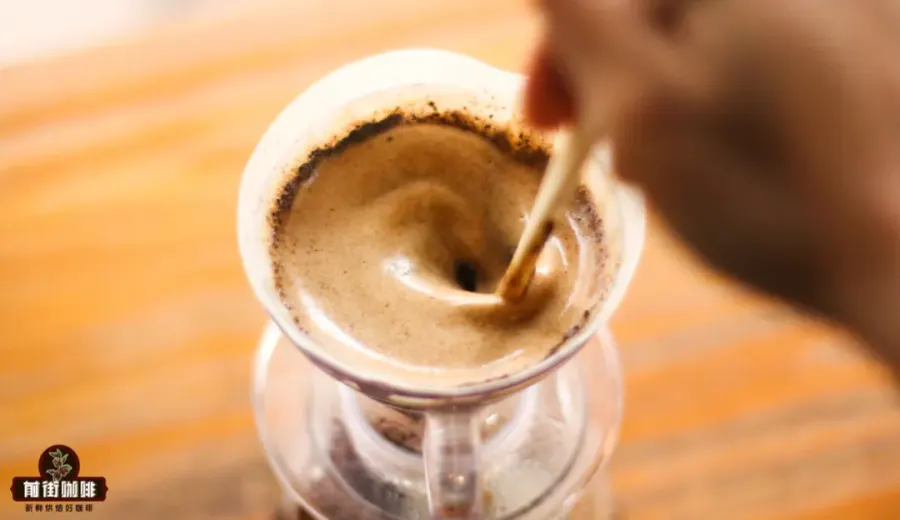
Introduction:Want to explore a richer flavor profile in iced pour-over coffee? The stirring method enhances extraction efficiency by intensifying agitation within the coffee bed, bringing out deeper fruity and sweet notes. This article delves into the differences in principles behind it, and using Kenya’s “little tomato” beans as an example, provides a step-by-step breakdown of practical techniques with a V60 filter and a 1:8 coffee-to-water ratio — including the key timing for the second stir and grind settings using a #20 sieve — helping you recreate that fresh-juice-like, full-bodied taste at home.
Have you ever wondered why some iced pour-over coffees can exhibit more vibrant acidity and intense juiciness? From the perspective of extraction science, the stirring method is one of the key factors. This technique directly agitates the coffee grounds with external tools, compared to traditional indirect stirring that relies on pouring rotation, significantly improving the release efficiency of flavor compounds. This article will use the renowned Kenya “little tomato” region beans as an example to guide you through the complete technical details of using a V60 filter with the stirring method.
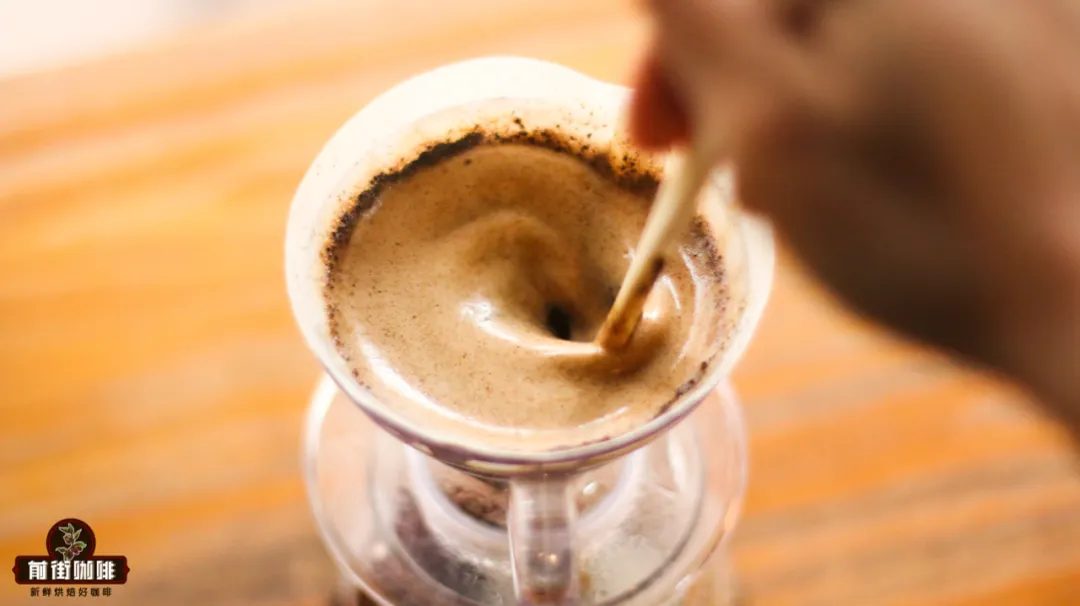
The core advantage of the stirring method lies in its "active extraction" characteristic. Conventional pour-over relies on the natural flow of water to drive the movement of the coffee bed, whereas the stirring method forcefully mixes the coffee grounds using specialized tools (such as a bamboo spatula or spiral stirring rod), allowing hot water to make more even contact with each individual coffee cell. Experimental data shows that under the same water temperature and grind size conditions, incorporating a second stirring process can increase the overall extraction rate by approximately 12%–15%, which is the main reason for the more three-dimensional flavors.

For this hands-on session, we selected a flagship Kenya “little tomato” batch from a well-known coffee brand. Its bright citrus acidity and dark plum finish are particularly well-suited for cold beverages. It's recommended to use 15 grams of coffee with 120 milliliters of cold water (a precise 1:8 ratio), with the water temperature controlled at 93°C to balance the strength of acidity and sweetness. The grind size is set to 75%–80% passing through a standard #20 sieve, equivalent to the medium-fine texture of commercial superfine sugar — this range ensures sufficient extraction surface area while avoiding excessive fine particles that may cause channeling.
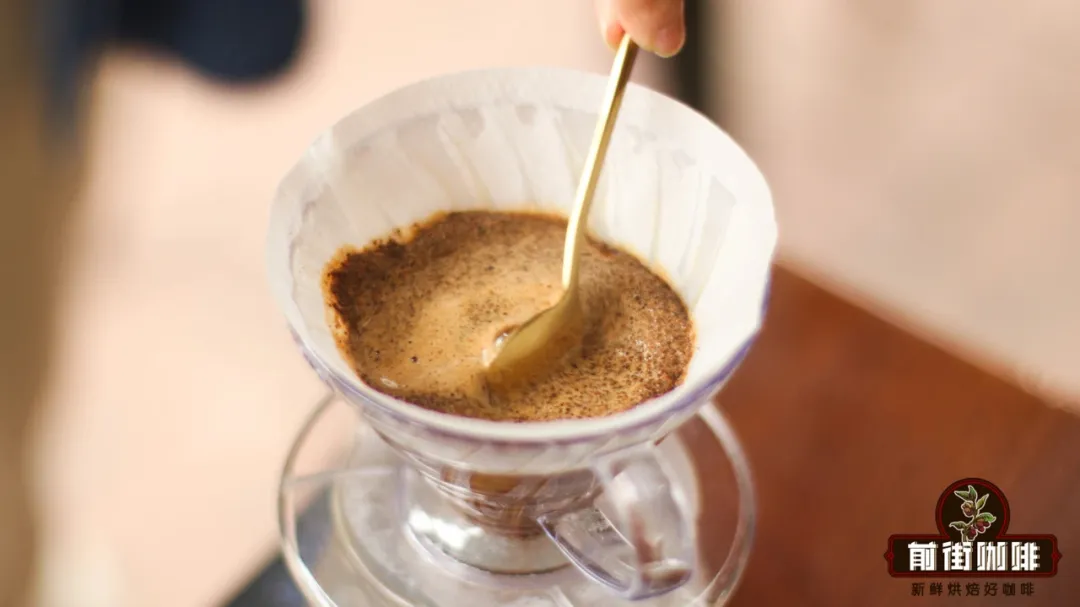
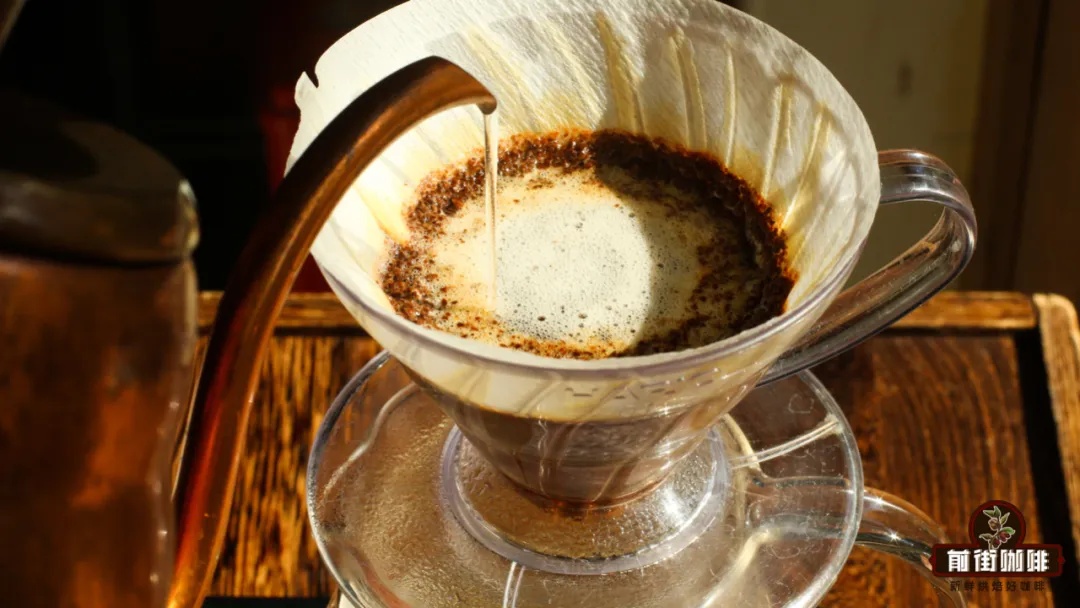
The actual operation is divided into two stages of pouring: the first stage involves pouring 45 milliliters (three times the coffee amount) to perform a 30-second bloom. Note that the pouring range should be expanded to both the center and edges of the filter, but make sure the coffee grounds are fully expanded before stirring. The first stir is suggested to follow a “の”-shaped path for about 10 rotations, keeping your fingertips parallel to the coffee bed and strictly avoiding disturbing the fine coffee particles attached to the inner wall of the filter — if these particles are drawn to the bottom, they may cause uneven filtration through the paper.
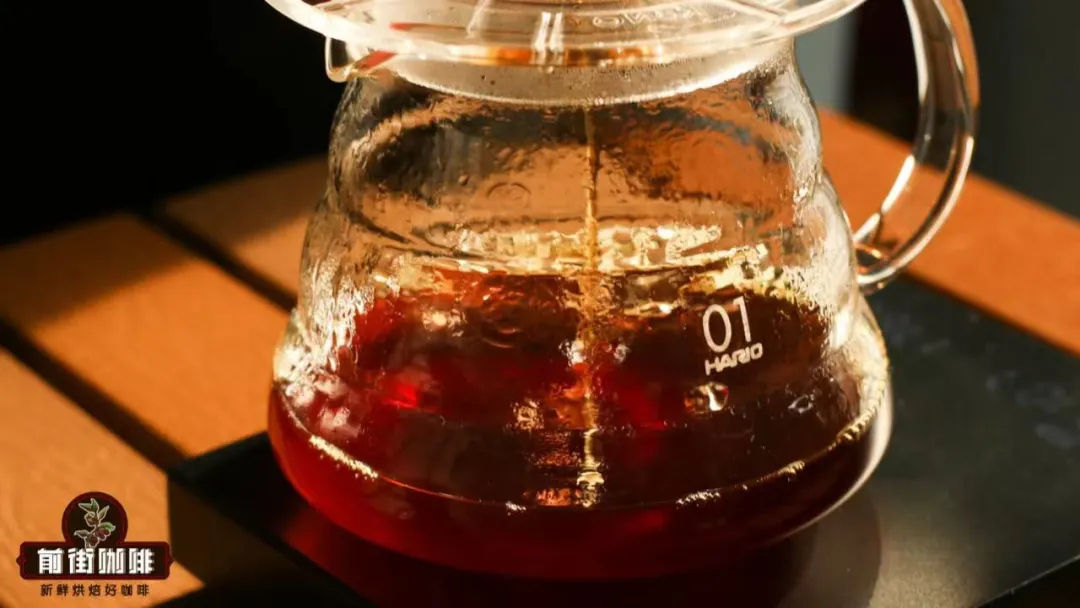
When the timer reaches 30 seconds, immediately pour the remaining 75 milliliters of water at a high flow rate (approximately 80 milliliters per second) in one go, using a spiral pouring method from the inside out. Right after completing the pour, proceed to the second stir, this time increasing the intensity to 12–15 rotations, with the aim of breaking up any settled clumps of coffee grounds. Observe the rate at which the liquid level in the filter drops — when the total dripping time is maintained between 2 minutes 10 seconds and 2 minutes 30 seconds, you’ll typically achieve the best balance.
The final cup of coffee presents an astonishingly layered profile: the initial notes shine with the crisp acidity reminiscent of fresh little tomatoes, the mid-palate unveils the rich fruitiness of blackcurrants and red wine, and the finish lingers with the mellow sweetness of caramel and brown sugar. The overall mouthfeel is like an iced berry smoothie — significantly thicker than conventional iced drip brews, yet retaining the clarity distinctive to V60.
This technique is especially suitable for handling high-acidity, low-density African coffee varieties, but it requires careful control of stirring intensity and frequency. Over-stirring may temporarily boost concentration but could also lead to over-extraction of unwanted compounds. Beginners are advised to first fix the grind at #20 and maintain a 1:8 ratio, then gradually adjust the water temperature (±1°C) and the number of rotations for the second stir, to find their own golden balance point in taste.
The above content is compiled by CoffeeHunters, a coffee news website.


