







Introduction:Do you think pour over coffee can only be made with a pour over kettle? In fact, as long as you master the correct extraction parameters, a home espresso machine can also brew flavorful drip coffee. This article will delve into the principles behind “fake pour over,” guiding you step-by-step through water temperature control, filter choice, and pulsed pouring techniques, to help you recreate the pour over experience using an espresso machine. Using Ethiopian Huila as an example, we provide practical parameter settings and operation details so you can enjoy a professional-level pour over experience at home.
Many people believe pour over coffee requires a pour over kettle and filter. But in truth, by adjusting the extraction parameters, an espresso machine can produce surprisingly good drip coffee. The key lies not in the pouring method but in precisely controlling crucial elements such as water temperature, grind size, and brewing time. Below, we’ll use a popular Ethiopian Huila as an example to walk you through how to use your existing home espresso machine to brew a coffee resembling pour over, while explaining the science behind the so-called “fake pour over.”
It may sound unbelievable, but the process is actually not complicated. With a bit of practice, you can use your coffee machine to brew coffee with pour over-like flavors—perfect for coffee lovers who enjoy trying new things.
So how do you make a coffee with your machine that resembles pour over? It’s actually similar in concept to what’s commonly referred to as “fake pour over”—by adjusting the extraction parameters, you can achieve a well-balanced, layered cup regardless of the equipment used. The key factors influencing the performance of pour over coffee are mainly water temperature, grind coarseness, brew ratio, and extraction time—not just the pouring technique. As long as these elements are properly managed, even without a traditional pour over kettle, you can still brew great coffee.
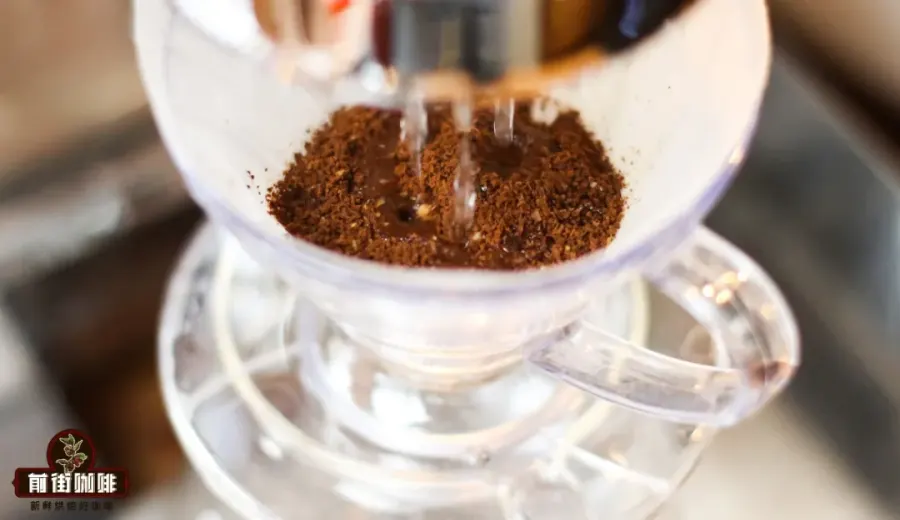
However, when using an espresso machine for pour over-style extraction, there are still several important points to keep in mind. First:Water Temperature Control. Many home espresso machines allow you to set the water temperature, but the actual output temperature often differs from what’s displayed on the panel. For example, some models set to 94°C might actually output water around 92°C. Therefore, it’s recommended that you measure the actual output temperature with a thermometer before brewing, then fine-tune the settings accordingly to avoid under-extraction due to insufficient water temperature. Image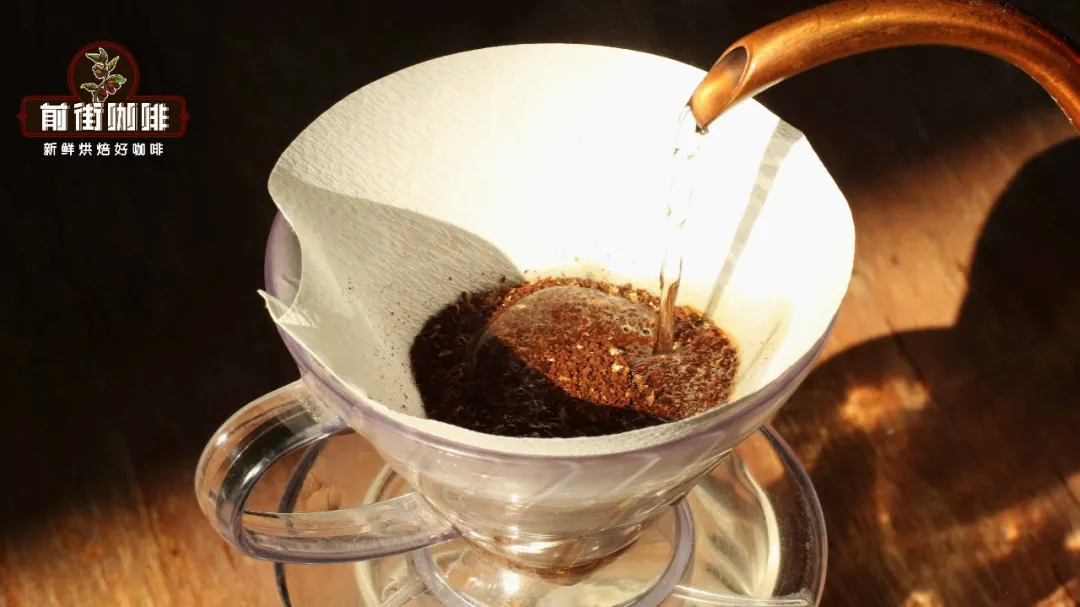 can help you understand the water output status of your coffee machine.
Next,Filter Choiceis also crucial. Since the water flow rate and coverage of an espresso machine are usually less flexible than those of a pour over kettle, it’s recommended to prioritize filters with no bypass design and slower flow rates, such as the classic V60. These types of filters reduce the interference of bypass water, improve immersion effects, and help extract coffee flavors more evenly—avoiding over-extraction or under-extraction. Image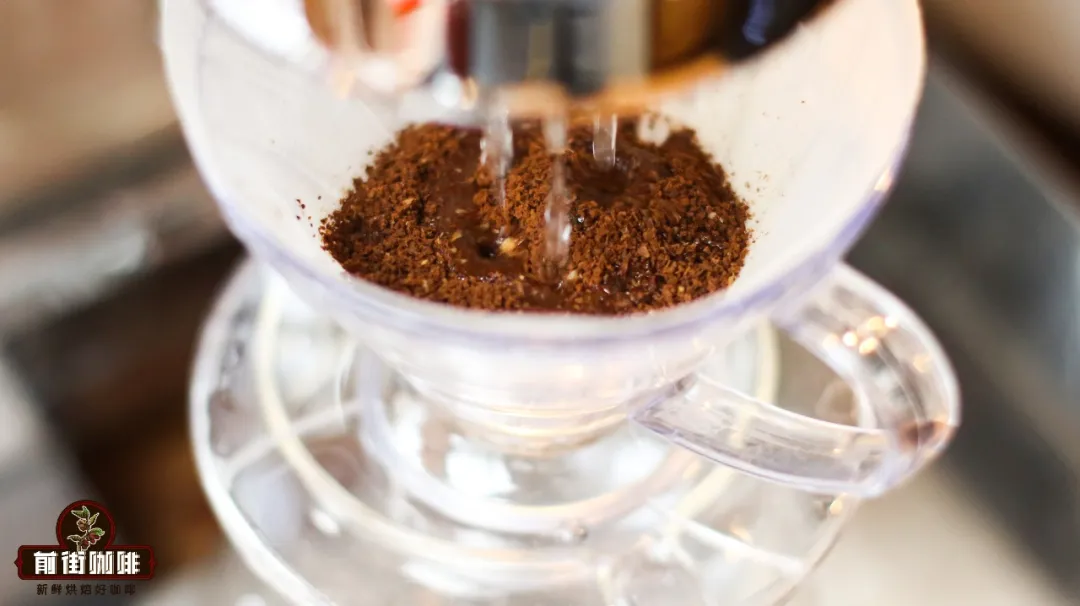 can serve as a reference for the operational setup.
Now let’s go through an actual brewing session. For this round, we’re using a medium-light roasted Ethiopian Huila. This bean is known for its floral and fruity aromas, with distinct flavor layers. To fully bring out its characteristics, we recommend using a slightly finer grind and a slightly higher water temperature. Our tested parameters are as follows: 15g of coffee, a 1:15 brew ratio, a grind size yielding about 75%–80% through a #20 sieve, espresso machine water temperature set to 95°C, using a V60 filter, and a three-stage pouring method. Apart from the water temperature, all other conditions are roughly the same as a standard pour over process. Image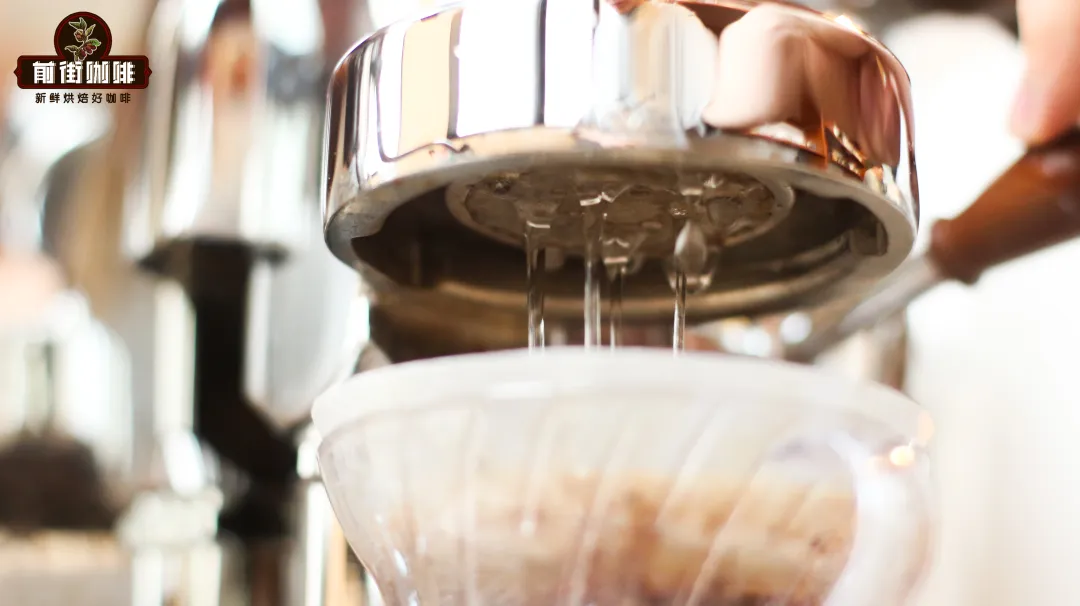 shows the parameter setup used in this session.
Before starting the main pour, it’s recommended to use a spoon to create a medium-sized dimple in the center of the coffee grounds. The depth doesn’t need to be very deep, but the diameter can be a bit larger to help hot water penetrate the coffee bed more evenly. Since the espresso machine’s pour isn’t a concentrated stream and has limited penetration and stirring effect, pre-dimpling can effectively improve the uniformity of water-ground contact. Additionally, start by pouring about twice the weight of the coffee in water for a 30-second bloom to help release CO₂ and lay a solid foundation for subsequent extraction.
After the bloom, you can begin pouring the second stage of hot water. In our test, we poured 120ml. If you’re using coffee beans with higher density or a finer grind, it’s recommended to increase the number of pours and slightly coarsen the grind to prevent the water level from rising too quickly, which could lead to excessive bypass and affect overall extraction quality. This is one reason why we recommend using a filter with no bypass. Image shows the scenario of the second pour.
Once the second pour of water gradually seeps through, proceed to pour the final 75ml of hot water. Then wait for the coffee liquid to completely drip through. The total extraction time is approximately 2 minutes and 20 seconds. The resulting coffee, although brewed with an espresso machine, performs similarly to conventional pour over in terms of flavor. Due to the reduced agitation of the coffee grounds throughout the process and a degree of immersive extraction, the mouthfeel becomes richer, with balanced and layered flavors. The bright citrus, berry, oolong tea, and delicate floral notes are clear and distinctive, with a long-lasting aftertaste that leaves a deep impression.
By following the above steps, you too can explore the fun of “fake pour over” using your existing espresso machine at home. By mastering the tricks of water temperature measurement, filter selection, grind adjustment, and pulsed pouring, you can break through equipment limitations and let each cup of coffee showcase its unique character. Why not give it a try and uncover more of coffee’s hidden potential?
The above content is compiled by CoffeeHunters, a coffee news website.


