







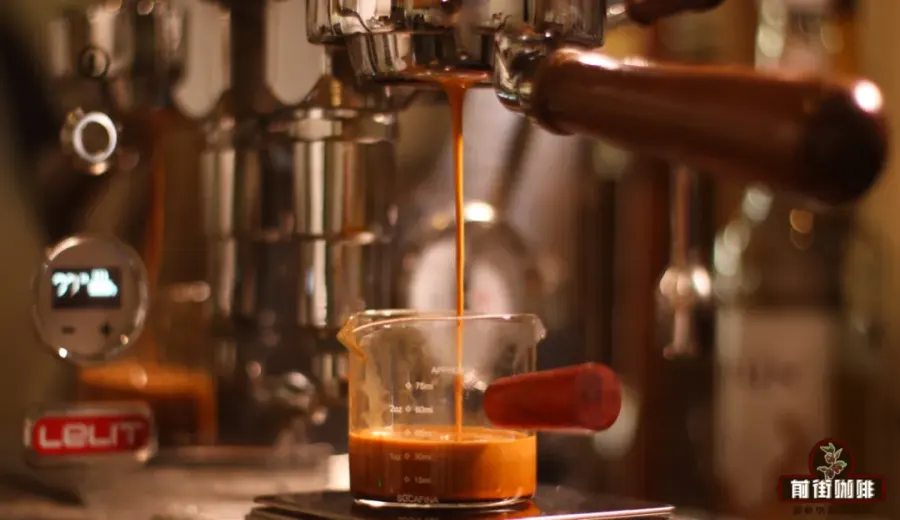
Introduction:To quickly dial in the ideal shot of espresso, mastering the "Three-Pull Dial-In Method" is key. However, beyond the basic extraction principles, there are many practical details often overlooked in actual operation—such as bean hopper capacity, channel blockages, and non-grinding adjustment methods—that can all affect the final extraction quality. This article will delve into these three practical details to help you achieve more precise and efficient espresso dial-ins. Even beginners can stabilize their output within just three pulls.
Every barista hopes to quickly adjust their espresso to the ideal state before daily service. The "Three-Pull Dial-In Method" is a practical technique based on extraction principles that can effectively shorten the adjustment time. However, theory alone isn’t enough—many practical details, if ignored, can significantly impact judgment and even lead to unnecessary bean wastage during calibration. This article will focus on three commonly overlooked key points: the effect of bean hopper capacity on grinding stability, how to identify and resolve grinding channel blockages, and how to use dose and yield adjustments flexibly when grind adjustment isn’t the first option—all to help you optimize extraction more quickly.
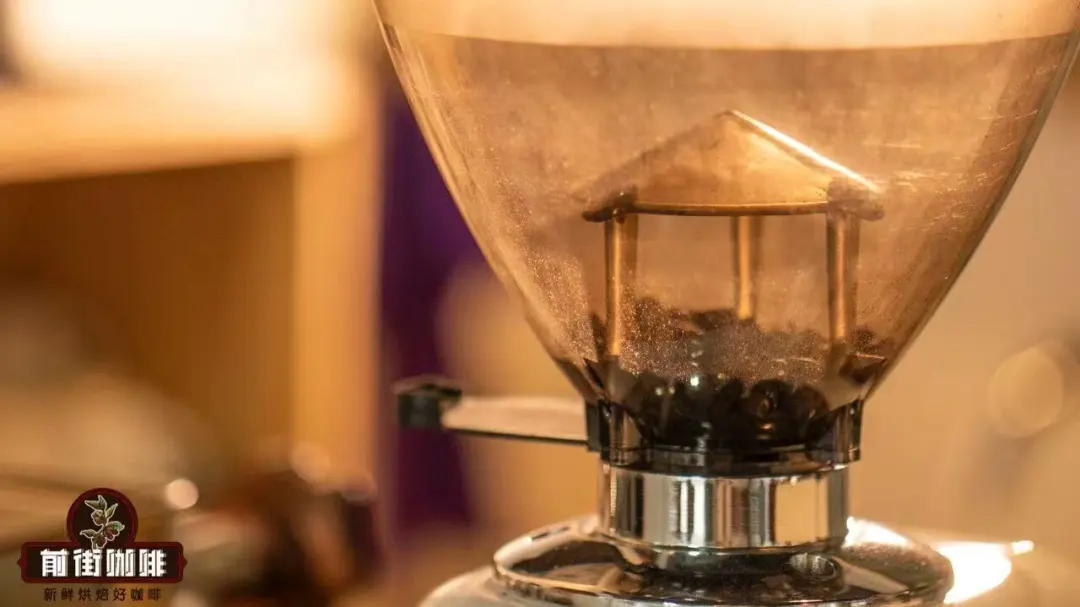
The first step in adjusting espresso is often not turning the grinder burrs, but checking the coffee bean level in the hopper. Many people habitually top up beans before starting to dial in. It’s recommended to keep the hopper at least two-thirds full, preferably more than half full. A sufficient bean supply not only ensures stable bean feeding but also improves the consistency of the grind quality.
The grinder burrs are located at the bottom of the hopper. When there’s an ample amount of beans, the beans at the bottom experience greater pressure, allowing them to enter the burr area steadily and avoiding uneven grinding caused by movement or bouncing. In contrast, when the bean level is too low, the bottom beans lack sufficient pressure, making them prone to jumping or irregular feeding during burr rotation. This leads to an imbalance in fine particle ratio, inconsistent particle sizes, and ultimately affects extraction consistency. If you don’t want to pour in a large quantity of beans at once, using a moderate weight to apply pressure can also help maintain grinding stability.

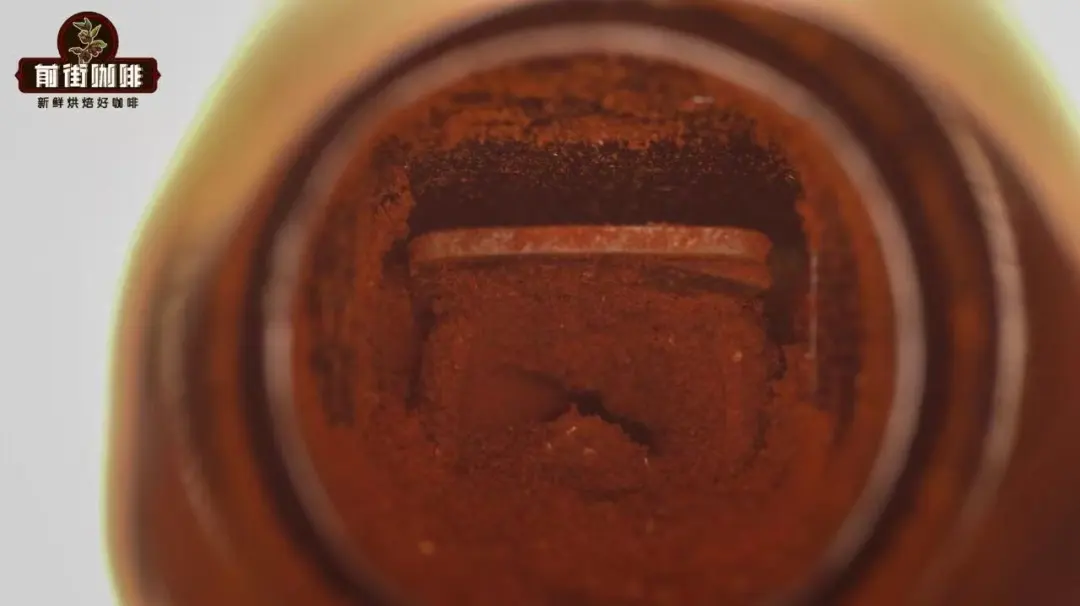
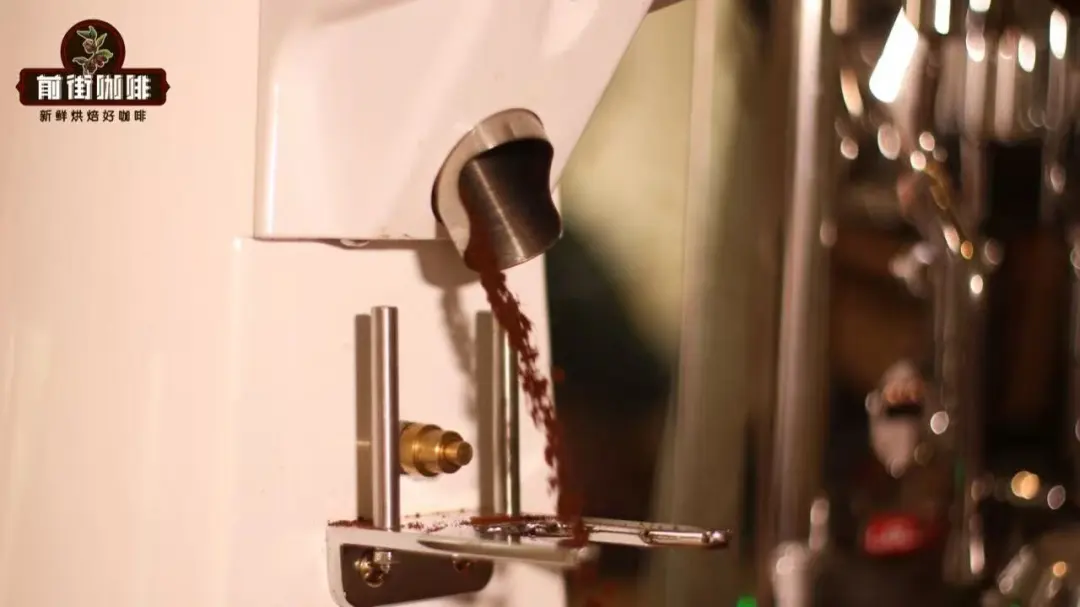
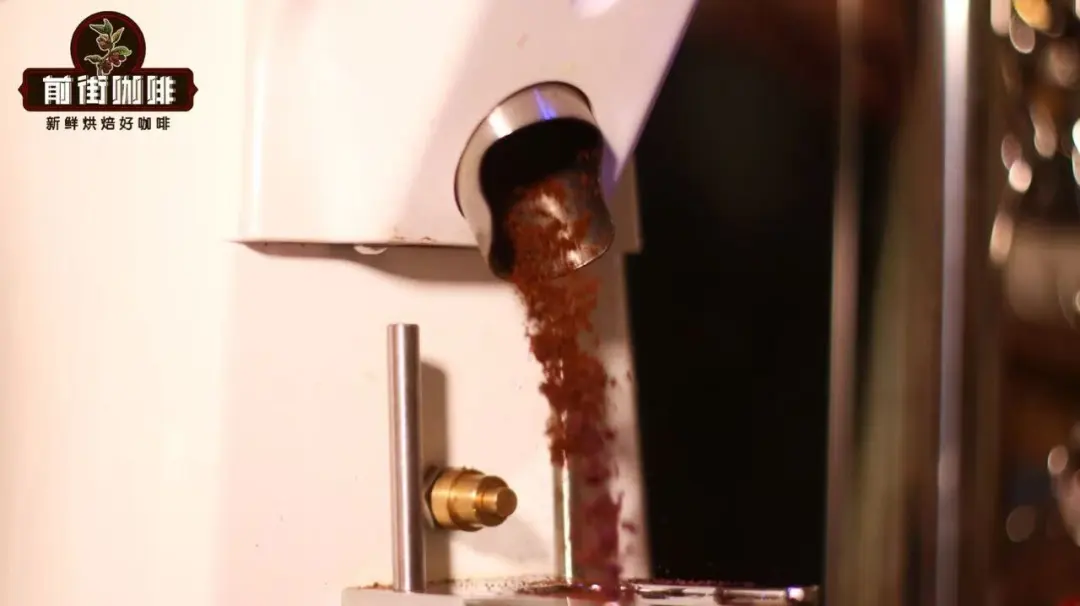
Another common yet often overlooked issue is grinding channel blockage, which is more likely to occur when working with dark roasted beans or in dry air environments. Since coffee grounds tend to build up static electricity, fine particles may stick to the burrs or the chute, not only interfering with grind size adjustments but also possibly making you think you’ve adjusted the setting when no actual change in particle output occurs.
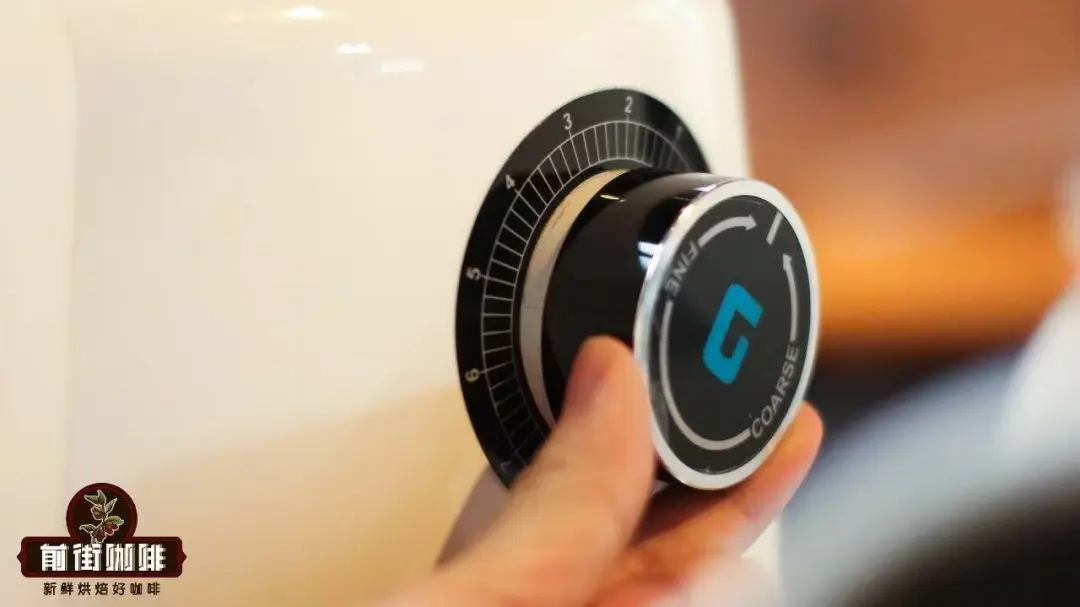
When you find that even after turning the grind adjustment, the particle fineness or flow rate doesn’t change as expected—or even flows faster or produces coarser grinds—it’s very likely due to a channel blockage. In this case, it’s advisable to pause adjustments, check and clean the burrs and chute to ensure there are no residual fine particles or statically adhered substances before making any fine-tuned adjustments to the grind setting.

In addition, when faced with either overly fast or slow extraction flow rates, many people’s first instinct is to adjust the grind size. While this is the most direct method of control, frequent grind adjustments are not only time-consuming and material-wasting, but also not always the most effective solution. If the extraction time deviates from the target by only 3–4 seconds, consider first trying to make micro-adjustments through dose or yield.
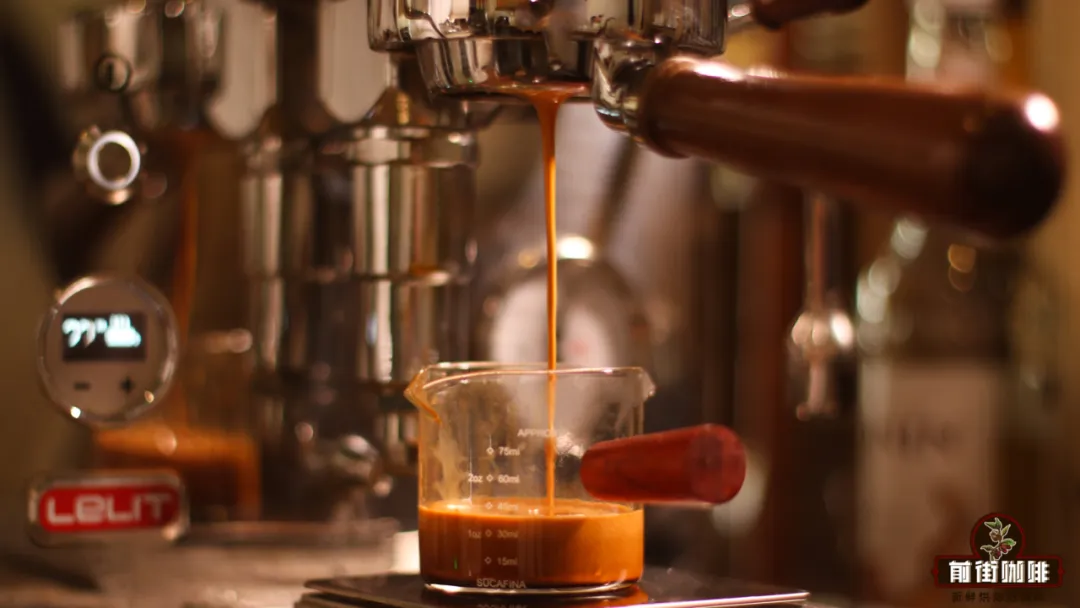
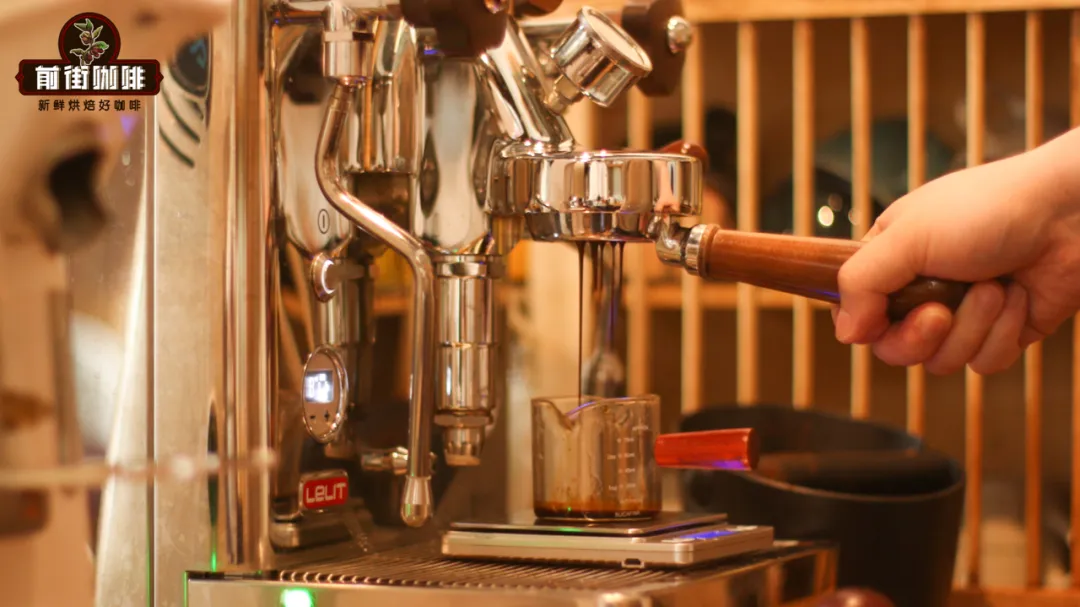
For example, if you’re using a 1:2 coffee-to-water ratio—extracting 40 ml of espresso with 20 grams of coffee—the standard time is around 30 seconds. But if the actual time comes out to 26 seconds or 34 seconds, it’s recommended to first taste the flavor of the current extraction. If the flavor is already as desired, you can actually maintain the current settings. But if you notice under-extraction or over-extraction, you can correct it by slightly adjusting the dose or the final yield.
For instance, to extend extraction time, you can increase the dose or target yield; conversely, reducing the dose will shorten the time. This approach reduces unnecessary grinder adjustments, saves beans and time, and can still effectively improve extraction results. Of course, if the deviation is too large, you’ll eventually need to return to adjusting the grind setting.
In summary, to successfully dial in the ideal espresso within three pulls, the key is not only understanding the basic logic of extraction, but also paying attention to these three practical details: maintaining sufficient bean hopper capacity for grinding stability, identifying and addressing potential static channel blockages, and flexibly using dose and yield adjustments for auxiliary fine-tuning. Mastering these techniques allows even entry-level baristas to optimize espresso extraction more efficiently and stabilize output quality.

The above content is compiled by CoffeeHunters, a coffee news website.


