







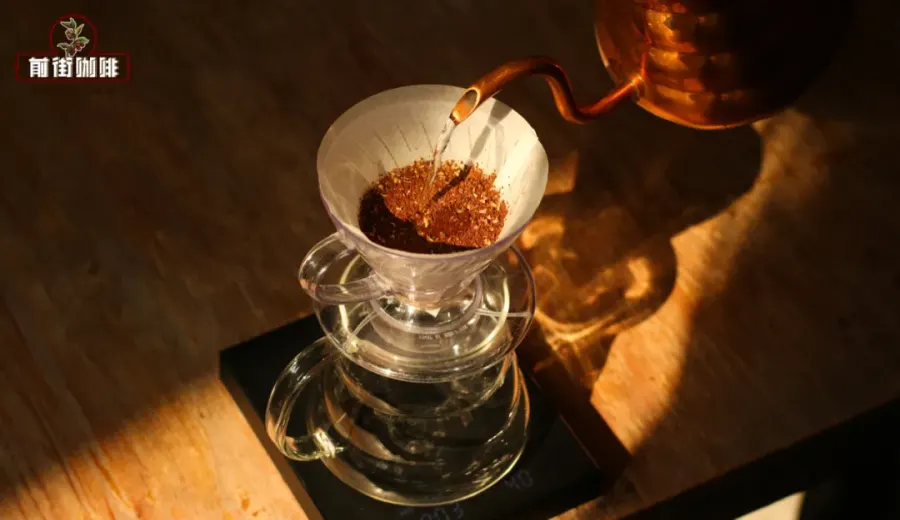
Introduction:Many beginner coffee enthusiasts often encounter issues where their pour over coffee tastes weak or thin in body, and they commonly assume that adjusting the coffee-to-water ratio is the solution. However, besides the brew ratio, extraction efficiency and bypass water also play significant roles. This article delves into the three most common reasons why pour over coffee may taste bland, using a lightly roasted Ethiopian Yirgacheffe as an example. It provides practical pouring techniques and precise parameter recommendations to help you master the art of pour over brewing and achieve a cup with distinct layers and rich flavors.
Many pour over coffee lovers often find their brewed coffee lacking in intensity and body, and their first instinct is to suspect that the coffee-to-water ratio is off. While it’s true that the brew ratio is one of the key factors affecting coffee strength, other nuanced factors such as poor extraction efficiency and excessive bypass water can also lead to weak-tasting coffee. If you only adjust the water volume without considering these variables, you’re unlikely to truly improve the overall quality of your brew.
This article will analyze how the coffee-to-water ratio, extraction efficiency, and bypass water affect coffee strength from three perspectives. With a focus on the characteristics of lightly roasted beans, we’ll provide a set of practical pour over parameters and pouring methods. Using a well-known medium-light roasted Ethiopian Yirgacheffe as an example, we’ll help you avoid brewing overly weak coffee and enhance your overall extraction quality.
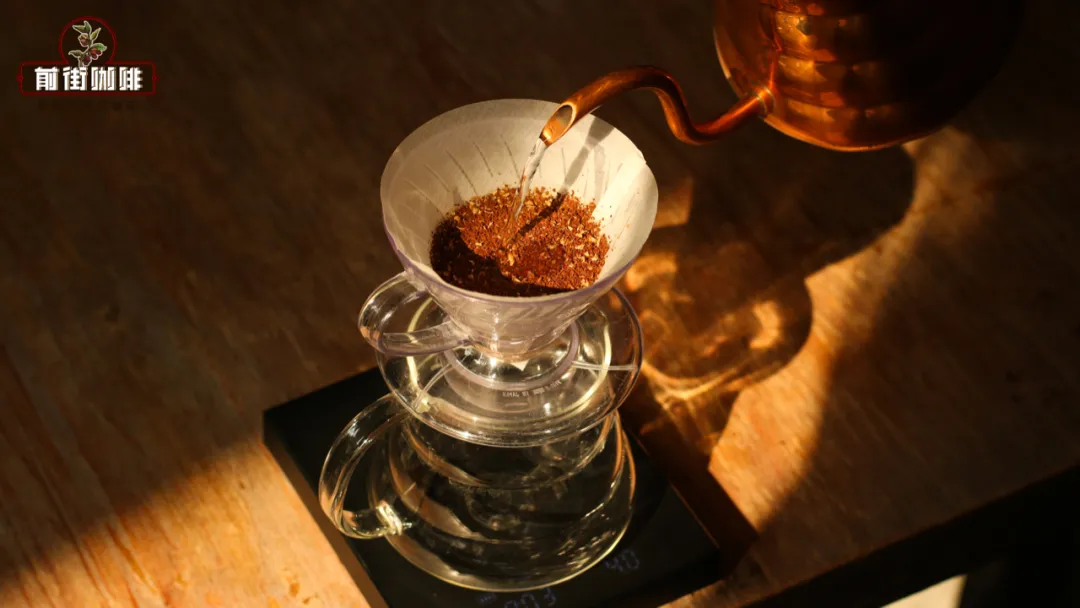
Let’s start with the coffee-to-water ratio, which is undoubtedly the most straightforward parameter affecting coffee strength. Under the same extraction efficiency, a lower brew ratio means less water is used for extraction, resulting in a higher concentration of coffee liquid and more intense flavors. Conversely, if too much water is used, even if the coffee grounds release enough flavor compounds, the resulting brew may taste diluted and weak. Therefore, adjusting the brew ratio is one of the quickest and most noticeable ways to control coffee strength.
However, it’s important to note that this method comes with a critical caveat—extraction efficiency must remain stable. If the coffee grounds themselves are not well extracted, simply reducing the water volume may not effectively enhance flavor richness. In fact, it could make under-extraction more obvious, leading to even thinner and flatter-tasting coffee that lacks complexity.

In addition to the brew ratio, extraction efficiency is another crucial factor that affects whether your coffee tastes full-bodied. Extraction efficiency refers to the proportion of flavor compounds successfully drawn out from the coffee grounds during brewing. Improper grind size, low water temperature, or too fast a pouring rate can all prevent aromatic compounds from being fully released, ultimately impacting the overall cup profile—resulting in weak flavors and imbalanced acidity and sweetness.
Therefore, if you’ve already confirmed that your brew ratio is fine but still find your coffee dull and flavorless, it’s recommended that you review your brewing process—including grind size, water temperature, and pour rate—as these factors directly influence extraction yield and coffee flavor.
There’s also another commonly overlooked factor: bypass water. Bypass water refers to the portion of water during brewing that does not pass through the coffee grounds for extraction but instead flows directly along the edges of the filter or areas not covered by coffee. This water carries no flavor compounds and dilutes the already extracted coffee liquid, further reducing overall strength.
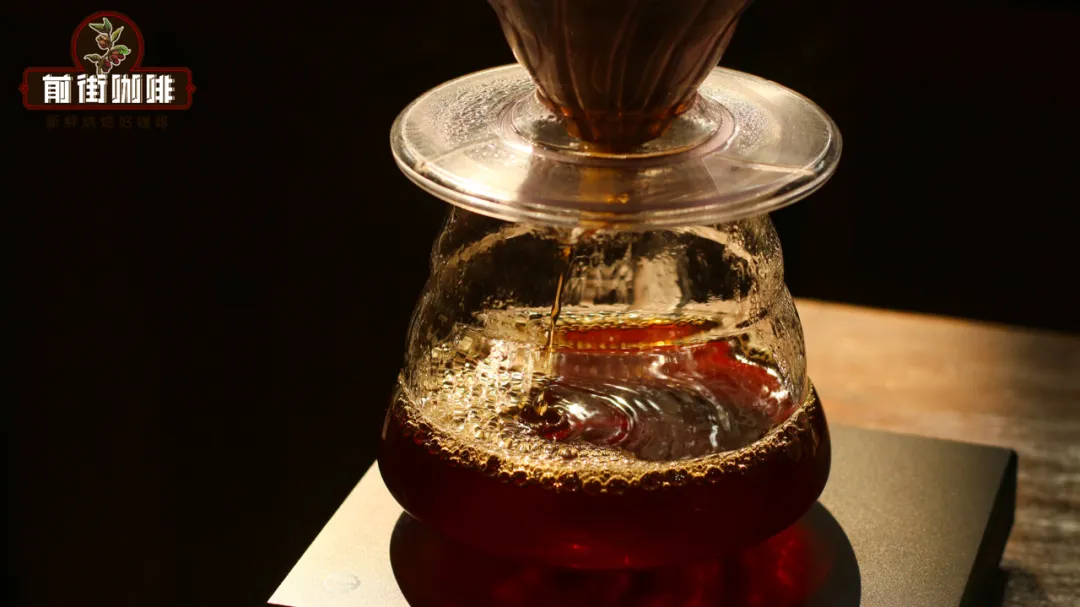
Bypass water often occurs when pouring techniques are improper. For instance, when using a V60 dripper with flow-guiding ribs, if the pouring position is too close to the edge of the dripper or the water level rises above the coffee bed, water may bypass the coffee grounds and flow directly down the sides. This significantly reduces extraction efficiency, leading to weak and thin-tasting coffee.
To avoid this issue, try to keep the pouring stream focused on the center of the coffee bed and ensure the water level doesn’t exceed the height of the coffee grounds. Additionally, using a pulse pouring or multi-pour technique can help better control water distribution and reduce the formation of bypass water.
In summary, if you want to brew a cup of pour over coffee with rich flavors and a full body, you can’t rely solely on adjusting the brew ratio—you also need to optimize extraction efficiency and control bypass water. Below, we’ll use a medium-light roasted Ethiopian Yirgacheffe called “Guodingding,” ideal for daily drinking, as an example to share practical pour over parameters and operation tips.
The coffee beans used in this guide are “Yirgacheffe Guodingding” from a well-known bean subscription service. They are medium-light roasted with prominent floral and fruity notes, making them a great everyday drinker. Based on their characteristics, the following parameters are recommended for pour over brewing: 15 grams of coffee, a 1:15 brew ratio, a grind size with 75%–80% passing through a #20 sieve (approximately similar to granulated sugar), water temperature at 92°C, using a V60 dripper, with a total brew time of around 2 to 2 minutes and 30 seconds.
Since lightly roasted beans are denser and less likely to float as the water level rises, it’s recommended to use a multi-pour method with small amounts of water each time. Avoid using too much water per pour to minimize the risk of the coffee bed becoming fully submerged, which helps reduce the occurrence of bypass water. Also, pay close attention to your pouring path—avoid letting water touch areas of the dripper not covered by coffee grounds—to ensure every drop contributes to extraction.
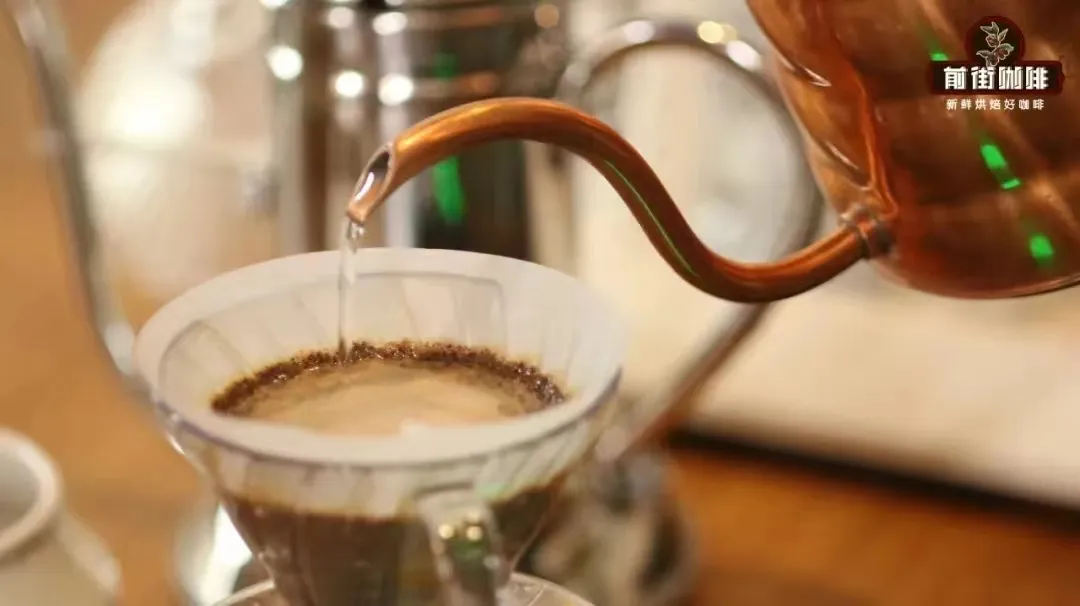
In practice, start with a bloom using roughly twice the weight of the coffee grounds (about 30 grams) for about 30 seconds to awaken the coffee’s aromas. Then, divide the remaining brew water into 3–4 pours, slowly adding it with a thin stream and spiral motion (like drawing circles). For the final 1–2 pours, switch to pouring directly in the center or with minimal circles to reduce excessive agitation and avoid over-extraction. Allow the previous pour to fully drain before starting the next one to maintain a steady extraction rhythm.
Using the method above, the Yirgacheffe Guodingding typically showcases bright white floral notes, citrus acidity, berry tones, and a soft green tea base. The overall cup offers a balanced acidity and sweetness, with a clean, smooth mouthfeel and a long, layered aftertaste—making it an exceptionally well-performing pour over coffee.
In conclusion, the reason your pour over coffee might taste weak isn’t just about the brew ratio—insufficient extraction efficiency and excess bypass water are equally important factors. By examining these three aspects and adjusting parameters and techniques according to the coffee beans’ characteristics, you can easily brew a cup that’s rich, captivating, and well-balanced in flavor.
The above content is compiled by CoffeeHunters, a coffee news website.


