







Introduction:Many coffee enthusiasts set their brewing temperature to 92°C, yet often encounter issues with under-extraction. The key lies in the fact that the water temperature can drop significantly by the time it leaves the kettle and comes into contact with the coffee grounds, due to various factors. This article delves into the reasons behind temperature loss—including kettle design, air exposure, and filter material—and offers practical strategies such as preheating equipment, adjusting pouring height, and flexibly altering water temperature to help you achieve a more stable and ideal coffee flavor extraction.
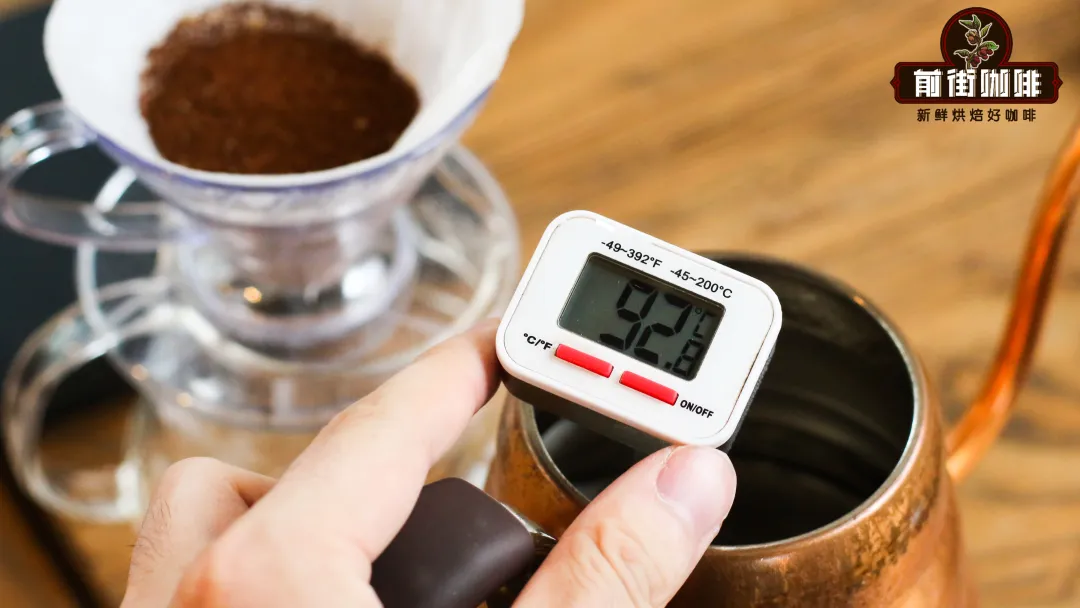
During the pour over process, many baristas and enthusiasts habitually set the water temperature to 92°C, believing it to be the ideal temperature for extracting light to medium roasted beans. However, in practice, many find that even when the same temperature is set, extraction results can vary greatly, with under-extraction occurring frequently. This is actually related to a commonly overlooked detail: the water poured from the kettle does not directly contact the coffee grounds at the set temperature.
For example, when you see a temperature-controlled kettle displaying 92°C and proceed with your pour over based on that, by the time the hot water exits the spout and travels a certain distance before reaching the coffee grounds, its actual temperature is often already below 92°C. In some cases, this temperature difference can be quite significant, thereby affecting overall extraction performance.
So why is the set temperature 92°C, but the actual temperature of the water contacting the coffee grounds is lower? The main reasons stem from the various heat losses the hot water experiences during its flow. First, after exiting the spout, the water passes through the kettle’s neck, where the material—whether metal or plastic—can absorb some of the heat. Then, as the hot water is exposed to air, especially when pouring from a height, the increased surface area in contact with air leads to rapid heat dissipation.
Additionally, if the filter you’re using is made of ceramic or another material with high specific heat capacity, and it hasn’t been properly preheated, the filter itself will also draw heat from the hot water, further lowering the temperature of the water that finally reaches the coffee grounds. The cumulative effect of these factors may result in an actual brewing temperature lower than expected, which in turn affects flavor expression.
The greater the temperature difference between the hot water and the surrounding environment, or the longer the exposure to air and the larger the contact surface area, the more severe the heat loss. While a slight drop in temperature has limited impact on extraction, when the temperature decline is too large, the overall extraction efficiency noticeably decreases. This is especially true when other variables—such as grind size or brew time—are already operating at marginal levels, easily leading to under-extraction. This can result in coffee with a thin flavor, overly prominent acidity, or lack of complexity.
Therefore, to stably extract the desired coffee flavors, in addition to precisely controlling grind size and brew time, maintaining a stable water temperature—or minimizing temperature fluctuations—is also a crucial factor that should not be overlooked.
So, what practical methods can reduce temperature loss during the pouring process? First, it is recommended that you preheat your equipment before starting the actual brew. You can pour a small amount of hot water to preheat the spout and neck of your pour over kettle. If you’re using a ceramic filter, be sure to preheat that as well. This helps narrow the temperature gap between the hot water and the equipment, reducing the chance of heat being absorbed.
In addition, the height from which you pour also directly affects the degree of heat loss. Generally speaking, the higher the pouring height, the longer the path the water takes from the spout to the coffee bed, and the greater the surface area and time of exposure to air, resulting in more heat loss. Therefore, moderately lowering the pouring height—such as keeping the spout about a fist’s distance away from the coffee bed—not only helps maintain water temperature, but also ensures the water stream has enough force to evenly penetrate the coffee layer.
Especially in lower temperature environments, such as in winter or air-conditioned rooms, heat loss occurs more rapidly. In such cases, in addition to lowering the pouring height and preheating your equipment, you may also need to slightly increase the initial set water temperature—for example, adjusting from 92°C to 93°C or even 94°C—to compensate for the overall heat loss and thus maintain stable extraction performance.
For example, a coffee brand’s commonly used “Granada Geisha” is a medium-light roasted Ethiopian natural-processed bean, often showcasing flavor notes of apricot, berries, citrus, and green tea, with balanced acidity and a clean, smooth mouthfeel. Under normal indoor conditions, the brand typically uses a brewing temperature of 92°C; but in colder environments, the temperature is raised to 93–94°C to ensure extraction efficiency remains unaffected by the ambient temperature, thus consistently presenting the inherent flavor characteristics of the bean.
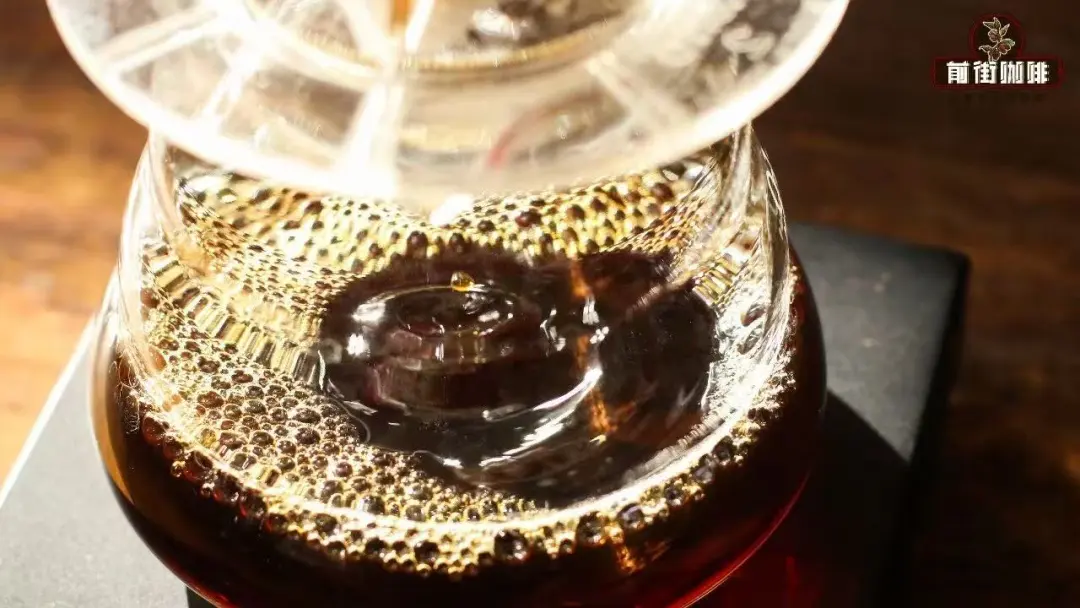
Furthermore, if you are using a pour over kettle with insulation functionality, you can also place the kettle back on its heating base after pouring to slow down the decrease in water temperature inside, further maintaining thermal stability throughout the entire brewing process.
In summary, temperature control in pour over coffee is far more complex than simply setting a single number. Every step after the water leaves the spout can influence the actual temperature that finally contacts the coffee grounds. Only by understanding these variables and employing techniques such as preheating, adjusting pouring methods, and flexibly altering water temperature can you stably extract satisfying coffee flavors across different environments.
When you find that the flavor of your brewed coffee is not as expected, it’s worth revisiting the critical parameter of water temperature—it may very well be one of the key factors influencing the overall outcome.

The above content is compiled by CoffeeHunters, a coffee news website.


