







Introduction:Have you ever wondered how the same coffee beans can produce drastically different aromas and flavors when brewed using different methods? This article uses a practical-grade blend as an example to delve into the brewing parameters, key flavor characteristics, and practical extraction tips for four major types of black coffee—espresso, Americano, pour over, and cold brew. It also provides useful brewing advice to help you choose the right brewing method based on your taste preferences and explore the diverse possibilities of the same coffee beans.
When it comes to black coffee, many people’s first thought is “no milk and no sugar,” but the allure of black coffee goes far beyond that. Even when using just water and coffee grounds, different brewing methods such as espresso, pour over, Americano, and cold brew can yield vastly different aroma profiles, flavor layers, and mouthfeel structures. This article will use a common blend as an example to give you a comprehensive understanding of the actual performance and key parameters of these four types of black coffee, along with practical advice to help you better grasp the unique characteristics and suitable beans for each brewing method.
 Black coffee is actually a broad general term, referring to beverages made solely by extracting coffee grounds with water without adding any additional flavorings. Whether it’s espresso, Americano, pour over, or cold brew, as long as it meets this basic definition, it can be categorized as black coffee. However, precisely because of the differences in brewing techniques, even with the same ingredients, the resulting flavor directions can be worlds apart. The following will use a commonly available, multi-brew-method-friendly blend as an example to detail the actual performance of these four types of black coffee.
Before we begin the comparison, let’s first introduce the benchmark beans used in this analysis—a blend composed of coffee beans from Costa Rica, Colombia, and Ethiopia. Roasted to a medium level, it retains distinct berry-like aromas, with a well-balanced acidity, sweetness, and bitterness. It performs steadily whether used for espresso, pour over, or cold brew, making it an ideal choice for beginners looking to understand the different flavors brought out by various brewing methods.
I. Espresso
Espresso is the most common form of high-concentration coffee, made by quickly extracting finely ground coffee under high temperature and pressure using a professional espresso machine. Although a single shot is only about 30 milliliters, it boasts a rich aroma and a thick body, serving as the base for many coffee drinks. For extraction, it is recommended to usea 1:2 coffee-to-water ratio, with a brewing time controlled around 30 seconds. These parameters are suitable for most blends or espresso-specific roasts, balancing stability and flavor expression.
 When using this particular blend, the resulting espresso is concentrated, with clearly perceptible notes of berries, caramel cookies, and a hint of creaminess. The mouthfeel is full-bodied, and the aftertaste has good persistence. Although the concentration is relatively high, the overall flavor is balanced, with a clear sweetness upon swallowing, making it suitable for those who prefer a bold and intense taste.
II. Americano
An Americano is essentially an espresso diluted with about four times its volume in hot water. While the concentration is lower, the originally concentrated aroma and flavors are allowed to unfold, lowering the entry barrier and making the flavor layers easier to capture. You can often detect delicate notes such as berries, grapes, caramel, and cream. This brewing method is adaptable to a wide range of beans. If you prefer bright, floral-fruity profiles, consider using a medium-roasted single-origin bean, such as one with pronounced berry or citrus notes.
III. Pour Over Coffee
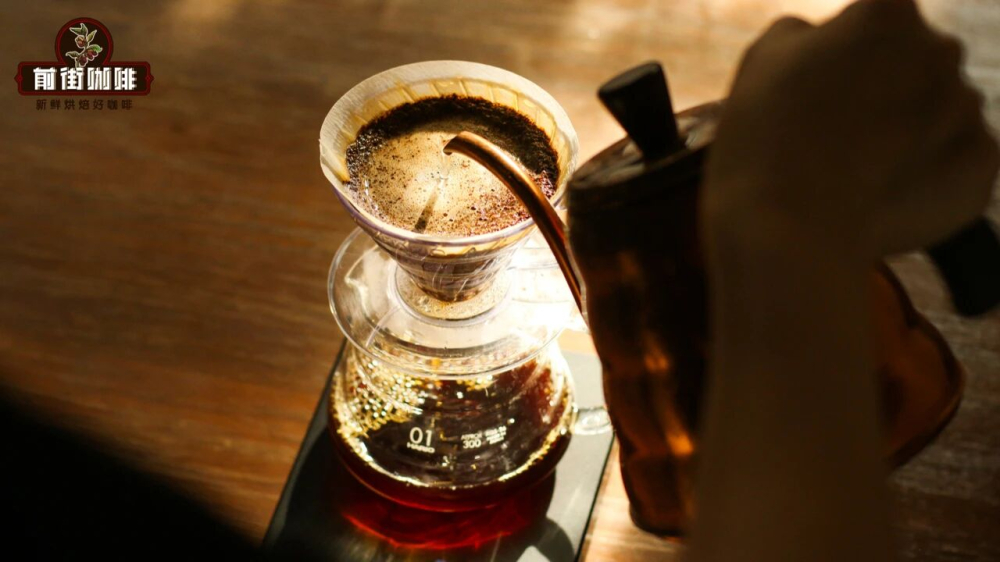
Pour over is a type of drip filtration extraction. By manually controlling water temperature, grind size, and pouring rhythm, it can bring out the rich layers and inherent flavors of the coffee. Taking this blend as an example, it is recommended to use15 grams of coffee, a 1:15 coffee-to-water ratio, water temperature of around 89°C, a grind size with a 70%–75% passing rate through a #20 sieve, and a brewing time controlled to around 2 minutes. Under these parameters, the coffee exhibits composite aromas of strawberry candy, jasmine, blueberries, caramel, and chocolate, with a light and smooth mouthfeel and a long-lasting aftertaste. It is suitable for coffee enthusiasts who enjoy exploring details and layers.
The charm of pour over lies in the use of atmospheric pressure and segmented pouring, which allows flavor compounds with varying solubilities to be released sequentially, resulting in a richer flavor spectrum and aftertaste. If you want to try beans with distinctive personalities, you might choose high-quality single-origin beans with prominent fruity or floral notes.

IV. Cold Brew Coffee
Cold brew is made by steeping coffee grounds in cold water over an extended period. Due to the low-temperature environment, the extraction efficiency is lower, so it usually requiressteeping for about 10 hours, using a 1:10 coffee-to-water ratio, and refrigerating the mixture to slowly extract the flavors. This method significantly reduces bitterness and astringency, highlighting the coffee’s sweetness and fruity acidity, making it ideal for summer consumption. It is recommended to choose medium-light roasted beans, such as blends with distinct berry, citrus, or floral notes, to better showcase a refreshing flavor profile.
The cold brew made with this particular blend demonstrates excellent sweetness and a full body, with a clear flavor profile. You can still perceive elements such as strawberries, cream, chocolate, and caramel, and the aftertaste is smooth and long-lasting. Since the cold water extraction releases fewer bitter compounds, the overall flavor is softer and sweeter, making it a perfect choice for cooling down in the summer.

In summary, the same coffee beans can exhibit completely different aromas, mouthfeels, and flavor highlights depending on the brewing method. Whether you prefer the bold richness of espresso, the refreshing balance of an Americano, the nuanced complexity of pour over, or the sweet and crisp taste of cold brew, as long as you master the key parameters and characteristics of the beans, you can discover your own optimal flavor combination.
The above content is compiled by CoffeeHunters, a coffee news website.


