







Introduction:Brazil is the world’s largest coffee-producing country, yet its highest coffee grade is NY2, with the commonly seen NY1 nowhere to be found. What’s the logic behind this? This article takes an in-depth look at Brazil’s coffee grading standards, including key indicators such as defect rate, bean size, and cupping scores. It also introduces the unique flavor characteristics of the Cerrado region and analyzes the actual performance of Brazil’s top-grade coffee, helping you better understand the selection criteria for Brazilian beans.
Among the many coffee-growing regions, Brazil’s grading system is truly unique. Generally, many regions use "1" as the highest grade, but Brazil goes against the norm by classifying its top-tier coffee as NY2, not NY1. Why is NY1 absent in Brazil? The answer is closely tied to the country’s agricultural realities.
Brazilian authorities believe that achieving the NY1 requirement of "zero defective beans in 300 grams of green beans" is virtually impossible under real production conditions. Based on the need for stable supply and feasible quality control, Brazil simply eliminated the NY1 grade and designated NY2 as the highest, making it one of the few regions where NY2 is the top grade.
So, what specific criteria does Brazil use to evaluate coffee grades? Unlike most Central and South American countries that rely on altitude-based grading, Brazil’s generally lower-altitude coffee cultivation makes it impractical to classify quality solely by elevation. Instead, Brazil evaluates coffee using four key indicators: bean size, defect rate, cupping score, and overall flavor profile.
In practice, Brazilian inspection agencies randomly sample 300 grams of green beans from a lot and determine its grade based on the number of defective beans, bean uniformity, and cupping results. This approach highlights the practical orientation of Brazil’s grading system, setting it apart from methods that classify solely by growing altitude.
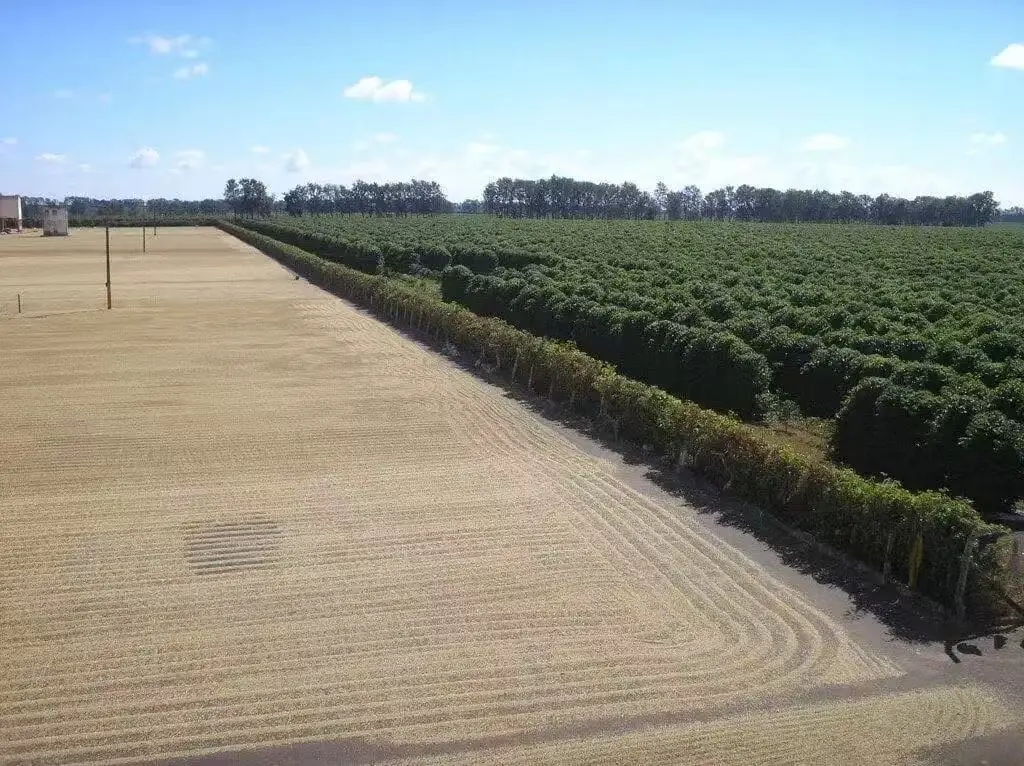
Once the grade is determined, the relevant information is clearly labeled on the export sacks, such as the common “Brazil NY.2 SC – 17/18 FC Cerrado.” This string of text actually contains a wealth of information: first, Brazil indicates the country of origin; NY.2 refers to the defect grade; SC is the abbreviation for Strictly Cerrado, meaning the beans are from the Cerrado region with a delicate and smooth taste; 17/18 indicates the bean size ranges between 17 and 18 mesh, classifying them as medium to large; FC stands for Fine Cup, signifying good cupping flavors and overall high quality.
Here, NY2 represents the defect grade. This grading system originates from the Green Coffee Association of New York in the United States, hence the prefix “NY” stands for New York. This system uses a so-called deduction method, meaning the more defective beans in a 300-gram sample, the lower the final grade; conversely, the fewer defects, the higher the grade.
As for why the highest grade only goes up to NY2, it’s because NY1 requires the sample to have absolutely zero defective beans. However, coffee is an agricultural product, and it’s nearly impossible to completely avoid defects during harvesting and processing. Achieving zero defects in 300 grams is more of an ideal scenario and is extremely rare in practice. That’s why Brazil chose not to set NY1 as a practically usable grade, instead using NY2 as the top standard to ensure the grading system is more operational and realistic.
Many consumers tend to equate grade with flavor when selecting coffee, but in reality, the coffee grades in most regions primarily classify green beans based on physical conditions, which are not absolutely correlated with the final brewed flavor. Moreover, many roasters further screen imported green beans to remove defects and ensure roasting quality, so consumers don’t need to obsess too much over grade numbers.
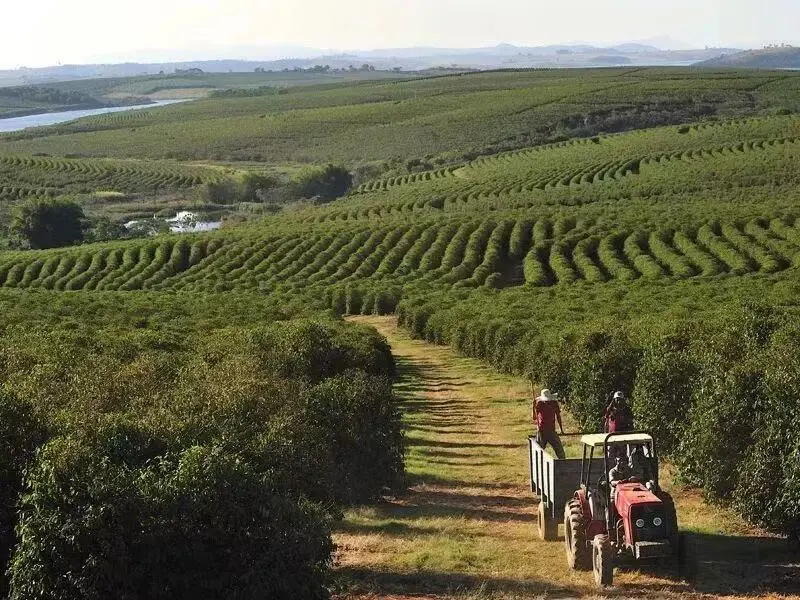
It’s worth mentioning that even among Brazil’s many regions, Cerrado stands out due to its unique geography and climate, often producing coffee with an exceptionally balanced flavor profile. Typically, Cerrado coffee has a mild mouthfeel, soft acidity, and prominent notes of nuts, caramel, and chocolate, along with a long aftertaste, making it ideal for those who prefer medium to dark roasts.
If you’d like to personally experience the charm of Brazil’s top-grade coffee, keep an eye out for products that have undergone multiple cuppings and careful roasting. Typically, such coffees, when roasted to a medium to dark level, exhibit rich aromas of hazelnut, cream, and chocolate, with a smooth texture, layered complexity, pronounced sweetness, and a long-lasting finish. They’re not only great for pour over but also showcase excellent espresso performance.
The above content is compiled by CoffeeHunters, a coffee news website.


