







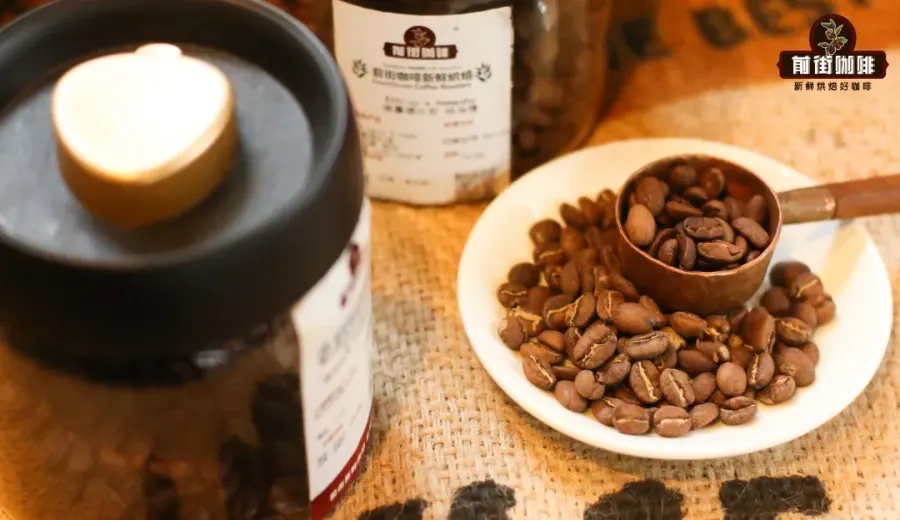
Introduction:Blending pour over coffee liquids in different proportions can create unique flavor combinations. This article details how to achieve balanced flavors by adjusting blend ratios (such as 1:1 and 1:2.5) and optimizing individual brew parameters. From the pairing logic of anaerobic and washed beans to key practical details like water temperature and grind size, it provides a repeatable methodology along with a comparative flavor analysis of two classic blending ratios.
Coffee blending isn’t limited to combining green beans or roasted beans—secondarily blending separately brewed coffee liquids is also a flexible and highly freeform approach. This method allows for individually optimizing parameters based on each bean’s characteristics, such as adjusting water temperature, grind size, or brew time, ensuring each bean performs at its best before being mixed as desired.
In practice, liquid coffee blending offers three major advantages: first, it enables precise control over the extraction performance of each bean; second, it saves coffee when testing small batches of different ratio combinations; third, if the mixed result isn’t as expected, the unblended liquids can still be consumed individually. This technique is commonly used by roasters developing recipes or competition baristas designing custom blends, and has even led to the creation of specialized dual-spout filter cones.
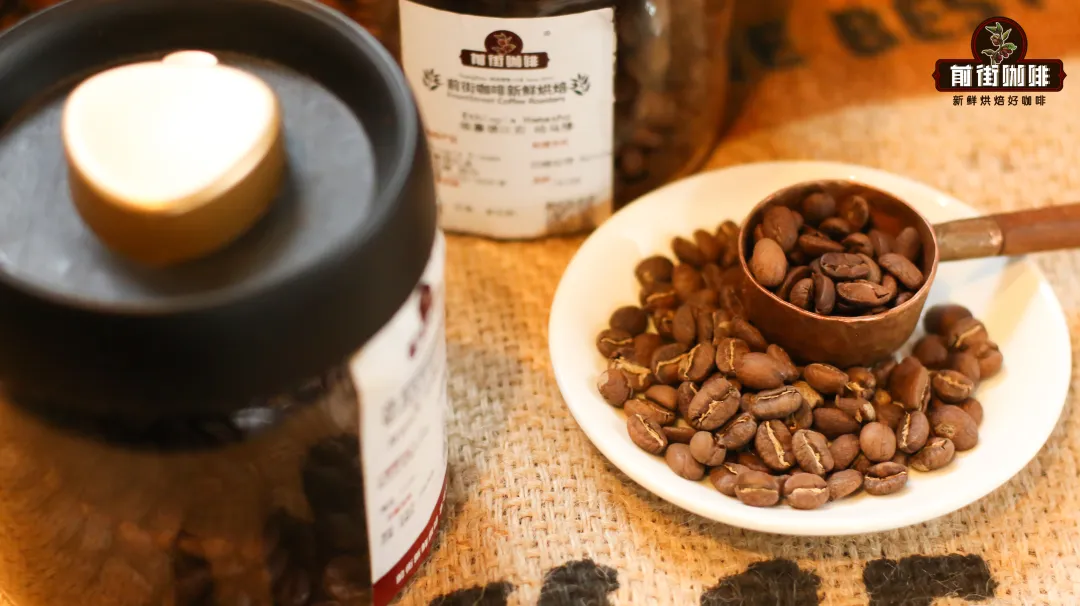
Traditionally, blending often refers to mixing green beans, but secondary blending of liquids is equally effective. Especially when dealing with fermentation-intense coffees (such as certain anaerobic-processed beans), their intense fruity notes may come with wine-like off-flavors. Pairing them with a clean, washed-base can significantly enhance overall balance. One coffee brand once used Sidamo and Guatemalan beans as examples to demonstrate how liquid blending can harmonize extreme flavors.
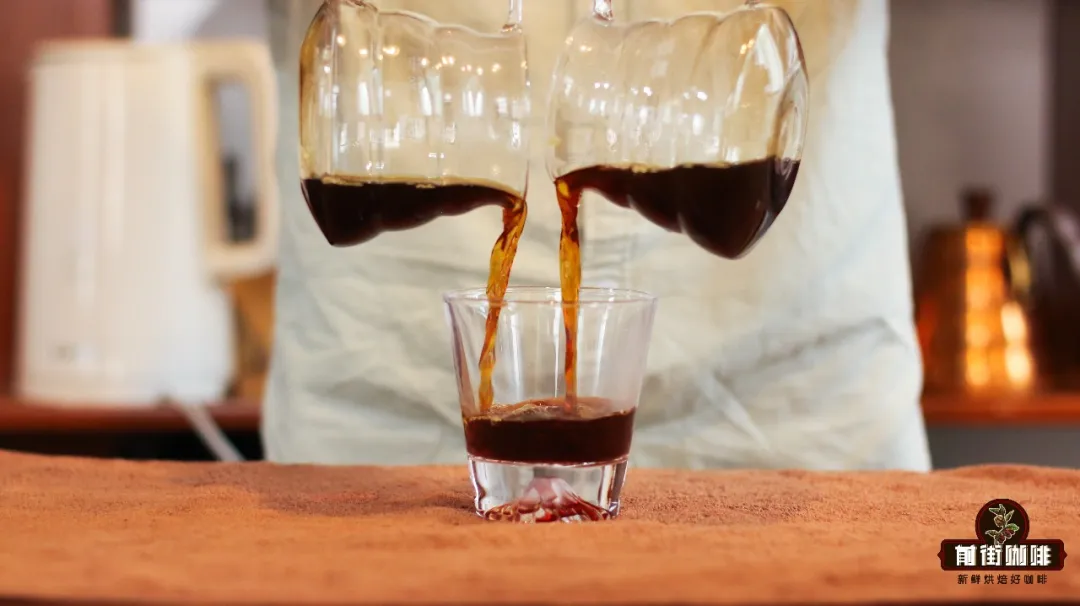
In practice, it’s recommended to use beans with similar roast levels—for instance, a medium-roast Sidamo (flavor profile featuring grape, passionfruit, apricot, and wine notes) and a Guatemalan bean (with white floral, lemon, and green tea tonalities). Both can be brewed using92°C water temperature, a 1:15 coffee-to-water ratio, and a fine sugar-like grind size with 75%-80% sieve retention through a #20 mesh filter.The brew time is around 2 minutes. If using a small-capacity V60-style filter cone, you can brew directly; for standard filter cones, pay attention to water volume control.
The blend ratio directly affects the final flavor profile:A 1:1 mix(equal parts Sidamo and Guatemalan) will amplify the sweetness of grape and apricot, layering citrus acidity and delicate floral notes;A 1:2.5 ratio(1 part Sidamo + 2.5 parts Guatemalan) effectively suppresses fermentation notes, highlighting the fresh green tea character of the Guatemalan while retaining the Sidamo’s signature passionfruit flavor. Both combinations require that the original processing methods of the beans aren’t too dissimilar, to avoid flavor disconnection.

Advanced suggestions include: ① prioritizing beans with complementary flavor dimensions (e.g., high acidity + high body); ② keeping single-test quantities to 5–10 grams to reduce waste; ③ recording each ratio and parameter change to build a personal flavor database. Common pitfalls include ignoring grind consistency or mixing coffee liquids that haven’t cooled sufficiently, leading to flavor confusion.
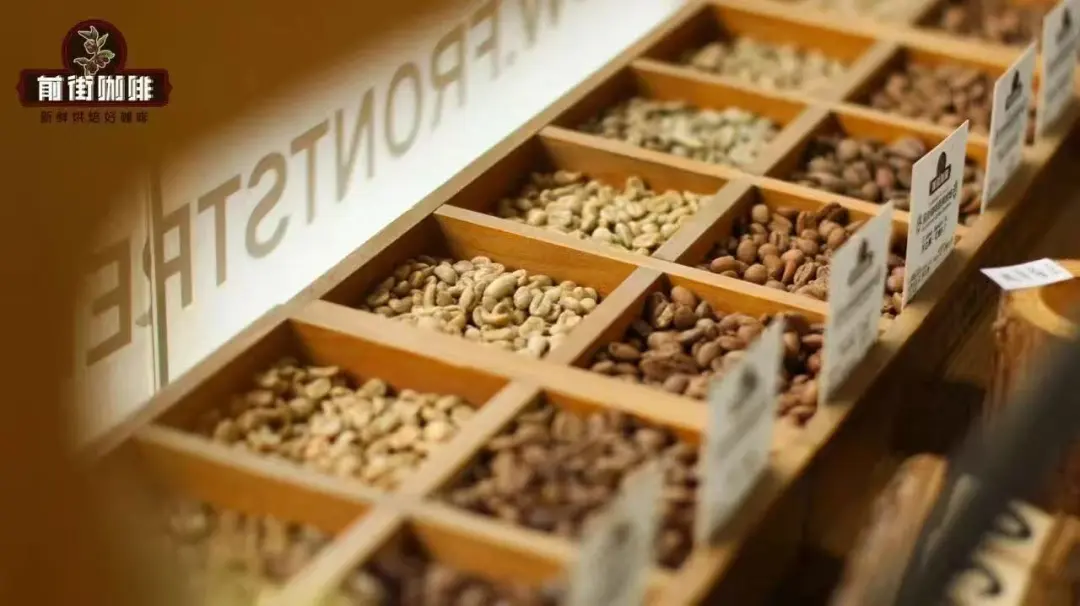
This method is not only suitable for experimental creations but can also serve as a way to adjust everyday extraction flaws. For example, adding a sweet-profile coffee liquid can balance sharp acidity, or using a washed-base can dilute overly fermented off-notes. Once the basic logic is mastered, you can further experiment by combining variable brew parameters (like altering bloom time) to unlock more possibilities.
The above content is compiled by CoffeeHunters, a coffee news website.


