







Introduction:Have you ever wondered if brewed coffee can be reused? The recently popular "second pour over" method involves pouring the first extraction back onto the coffee grounds in the filter for a second brew, which is said to enhance the coffee’s richness and sweetness. But does this method really work? And for which roast levels is it suitable? In this article, we conduct a comparative test using light, medium, and dark roasted beans, analyzing the flavor changes after re-brewing in detail—from aroma and acidity to body and aftertaste—and provide practical advice to help you decide whether it’s worth trying.
In conventional pour over brewing, we typically perform a single extraction, aiming to fully release the desirable flavor compounds from the coffee grounds during the first pour. However, the topic of “second pour over” has gained attention recently. This special technique involves pouring the already extracted coffee liquid back onto the coffee grounds in the filter for a second extraction, which is claimed to further boost the coffee’s intensity and sweetness, resulting in a fuller overall flavor.
To verify the feasibility and effectiveness of this method, we conducted a detailed comparative experiment. We selected three single-origin coffee beans with different roast levels—light, medium, and medium-dark—and performed both the first standard pour over and the second re-brew using the same method. We then compared their aroma profiles, acidity layers, body, and aftertaste differences across multiple dimensions.
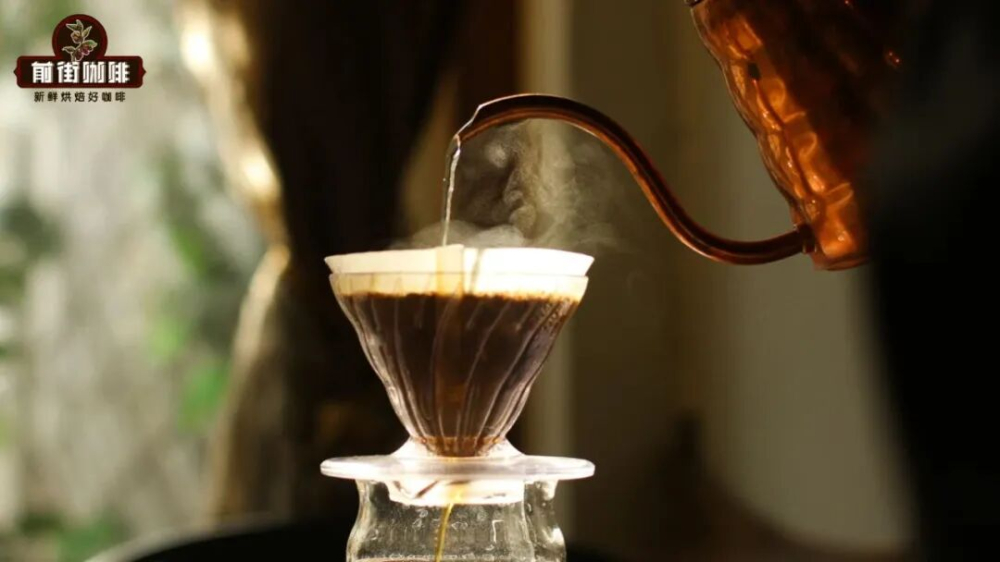
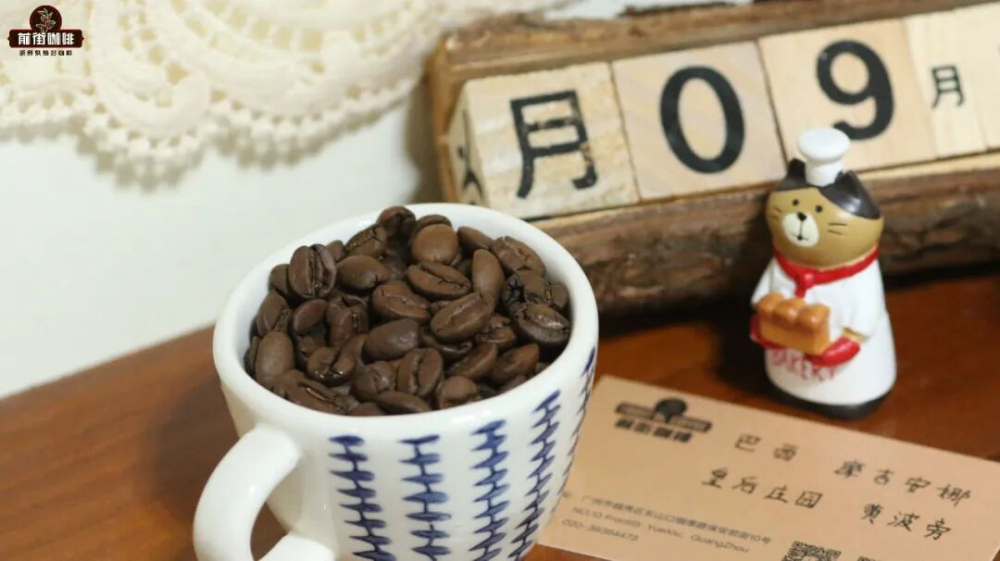
The three coffee beans used in the experiment were: a medium-dark roasted Queen’s Estate, a medium roasted 2013 Typica, and a light roasted Guodingding. These three beans each represent different roast styles, helping us observe how the impact of second re-brewing varies with roast level. To avoid over-extraction, only about half of the first extraction (approximately 90–100ml) was poured back onto the coffee grounds for the second brew, while all other parameters remained unchanged.
The basic parameters of the experiment were as follows: 15 grams of coffee grounds, a 1:15 coffee-to-water ratio, and water temperature slightly adjusted according to the bean type—88°C, 90°C, and 93°C respectively. Grind size, depending on the grinder used (such as EK43s or C40), was controlled to approximately 75–80% passing through a #20 sieve, roughly between 10 to 10.5 on the EK43s or 24 to 26 on the C40. Two types of filters were used for comparison—V60 and KONO—to observe how different filters affect the re-brewing outcome.
The pour over process followed a common three-pour method: first, 30 grams of water were poured for a 30-second bloom; then, a larger stream of 110 grams of water was added, totaling 140 grams, with attention paid to keeping the water column vertical and even, taking about 55 seconds; finally, 85 grams of water were poured in small circles, bringing the total brew water to 225 grams, with the entire dripping time controlled between 2 minutes and 2 minutes 10 seconds. These parameters were designed to ensure stable extraction and facilitate observation of changes before and after re-brewing.
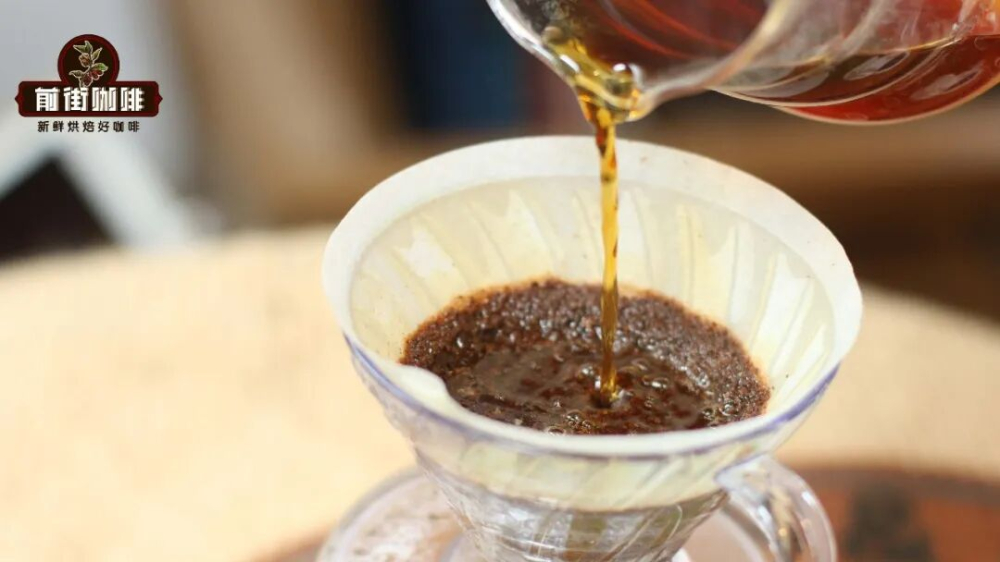
After the first extraction, the filter was placed on a clean empty cup, and about half of the brewed coffee (approximately 90–100ml) was slowly poured back onto the coffee grounds in the filter. Care was taken to control the water flow to avoid the liquid level exceeding the original height of the coffee bed, which could cause the brew to drain through the filter ribs and affect the efficiency of the re-brew. Though this step may seem simple, stable water flow and proper height control are key factors influencing the final flavor outcome.
The experimental results showed that the three beans performed differently after the second re-brew. For the medium-dark roasted Queen’s Estate, the first pour over exhibited aromas of chocolate, roasted almonds, and cream, with a rich body and slight bitterness. After re-brewing, the caramel notes became more pronounced, the body significantly fuller, but the aftertaste bitterness also lingered longer. The medium roasted 2013 Typica showcased nutty and raspberry acidity in the first brew, with an aftertaste reminiscent of black tea. After re-brewing, the acidity and nuttiness were further enhanced, with added layers of chocolate, resulting in a richer and more balanced overall flavor. As for the light roasted Guodingding, the first brew displayed bright notes of jasmine, lemon, and peach with a sweet-tart profile, and berry aromas emerged as it cooled. After re-brewing, however, the acidity increased, shifting the flavor toward dried fruits, blackberries, and nuts, with a thicker mouthfeel and some of the lighter aromas being masked.
Overall, under the condition of high-quality coffee beans and well-controlled parameters, the second pour over indeed helps enhance the overall richness and body of the coffee. Especially for certain medium to light roasted beans, it can bring out more later-stage flavor compounds such as nuts, caramel, and tea-like notes, thereby enriching the coffee’s complexity. However, for dark roasted beans, since the first extraction already releases a large amount of caramelized compounds, re-brewing can easily lead to over-extraction, resulting in undesirable flavors such as woody, smoky, and burnt bitterness, which negatively affect the overall profile.
Therefore, if you want to try the second pour over, it is recommended to start with light to medium roasted beans, such as natural-processed Huakui, Grenada Geisha, or varieties with distinct ripe fruit notes like Xi Zha or Blackberry. These beans, having undergone shorter heat exposure, have relatively mild caramelization reactions. The first extraction mostly highlights acidic and sweet molecules along with light aromas, while the re-brew can potentially bring out more body-enhancing elements such as nuts, tea-like notes, and sweetness, making the coffee’s overall profile more multidimensional.
In summary, although not a traditional technique, the second pour over can indeed offer a unique flavor experience under specific conditions. However, this method places higher demands on the state of the coffee grounds, water temperature, grind size, and pouring technique. It is advisable only for coffee enthusiasts who are already familiar with basic pour over procedures and are interested in experimentation. Adjusting parameters flexibly based on the characteristics of the beans is essential to achieving the best results.
The above content is compiled by CoffeeHunters, a coffee news website.


