







Introduction:Americano may seem simple, but the ratio of espresso to water, water temperature, and water quality can all significantly affect its flavor. This article will delve into how to adjust the golden ratio of water to espresso, provide water temperature recommendations for different scenarios, and share tips on choosing the right Italian-style blend for making black coffee—helping you brew a well-layered, flavor-clear Italian-style americano at home.
The basic makeup of an americano is simply espresso mixed with hot water. Although it may look like just adding water, water makes up the majority of the drink, so its quality, quantity, and temperature greatly influence the final coffee flavor. Many people focus on the extraction of the espresso but overlook the impact of water. In reality, mastering these details can significantly enhance the overall performance of your americano.

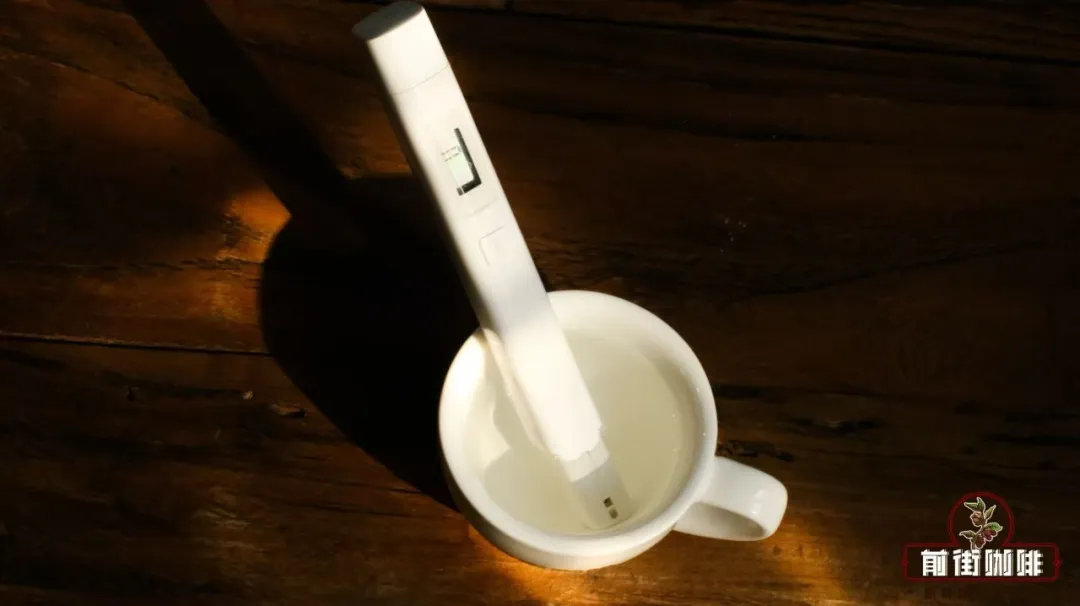
Many coffee enthusiasts may not realize that water from different sources can produce noticeably different coffee flavors. This is directly related to the types and concentrations of minerals in the water. Even though most of the water in an americano is used for dilution rather than direct extraction, water quality still greatly affects the smoothness and overall mouthfeel. Some water tastes crisp and refreshing, while others may taste hard or astringent—these differences mainly stem from variations in mineral content such as calcium, magnesium, sodium, and potassium.
Water may appear colorless and transparent, but it actually dissolves many invisible minerals. These not only affect the hardness of the water but also alter the flavor expression of the coffee. Simply put, the higher the mineral content in the water, the "harder" it is; the lower the content, the "softer." For brewing coffee, overly hard water can make the coffee taste metallic or astringent, and may even introduce bitterness, while overly soft water may result in a lack of depth and body. The ideal scenario is to choose water with moderate mineral content, which not only highlights the aroma of the coffee but also enhances its smooth mouthfeel and lingering aftertaste. For a simple start, it’s recommended to use filtered tap water or opt for bottled water with a gentle taste, avoiding water with strong chlorine odor or excessive impurities.
Next, let’s talk about the "ratio" of water to espresso, which is key to determining the strength of your americano. Generally speaking, the more water you add, the lighter the coffee will taste; the less water, the stronger. Therefore, adjusting the amount of water according to personal taste is the most practical approach. Based on practical experience, if you prefer a stronger taste, it is recommended to keep the ratio of espresso to water around 1:4. This ratio balances flavor richness and complexity, suiting the preferences of most people.
For example, when making an americano with a medium-dark roasted Italian-style blend, this ratio usually brings out distinct notes of chocolate, caramel, and nuts. Not only are the aromas concentrated, but the mouthfeel is also quite balanced. If you prefer a lighter profile, you can adjust the ratio to 1:5 or even higher, depending on your preference. The key is to experiment continuously to find the combination that best suits your palate.
If you’re making a hot americano, then water temperature is also a crucial factor that shouldn’t be overlooked. Coffee extraction and flavor release vary with temperature changes. Generally speaking, excessively high water temperatures can make bitterness and astringency more pronounced, while too low temperatures may prevent the full release of aromas, resulting in a flat-tasting coffee. For hot americanos, it’s recommended to adjust the water temperature based on when you plan to drink it.
If you want yourself or your customer to immediately experience the full range of coffee flavors, it’s recommended to keep the water temperature around 65°C. This temperature is not too hot and clearly showcases the layers of the coffee. However, if the coffee needs to sit for a while before drinking—such as for takeout or delivery—you can slightly increase the water temperature to around 75°C. This way, even if it cools down a bit, it remains at a drinkable temperature and avoids becoming too cold, which could negatively affect the flavor.

In summary, making a satisfying cup of americano is not just about mixing espresso and water. From selecting the water quality, adjusting the ratio of water to espresso, to fine-tuning the water temperature, each step plays a critical role. By mastering these basic elements and fine-tuning them according to your preferences, you can easily brew a flavor-clear, well-balanced Italian-style americano at home.
The above content is compiled by CoffeeHunters, a coffee news website.


