







Introduction:Freshly roasted coffee beans, rich in carbon dioxide, often lead to unstable pour over flavors and uneven extraction. The Japanese Hario Kono Drip Method (also known as the Drip Method) addresses this by using a segmented pouring strategy — first pre-wetting the grounds with water droplets to degas, then switching to a larger flow rate for extraction, and adjusting concentration via bypass. This method allows even freshly roasted beans to yield a consistently rich and balanced cup. This article uses PWN Golden Mandheling as an example to detail parameter settings and step-by-step procedures, helping you master this classic Japanese pour over technique.
Many pour over enthusiasts have encountered this issue: freshly roasted coffee beans, despite having high flavor potential, are prone to uneven extraction and unbalanced acidity due to excessive CO₂. To solve this problem, Japanese baristas have developed various brewing strategies suited for “fresh beans,” among which the Hario Kono Drip Method stands out as one of the classic solutions due to its stability and visually engaging process.
The core of this method lies in “staged processing” — first using fine water droplets to slowly soak the coffee grounds, allowing internal carbon dioxide to release fully and avoiding gas interference during extraction. Once the coffee bed stabilizes, a larger flow rate is used to quickly extract flavor compounds. Finally, concentration is fine-tuned through bypass (adding water to dilute), achieving a rich yet non-bitter balanced taste.
The method is named “Drip” precisely because it abandons the conventional continuous stream of water, instead delivering water in the form of “one drop at a time.” While it has a slightly higher skill threshold, it effectively narrows the flavor gap between “fresh beans” and “rested beans.” Even beans roasted within 5 days can be brewed stably to produce a coffee close to its ideal state.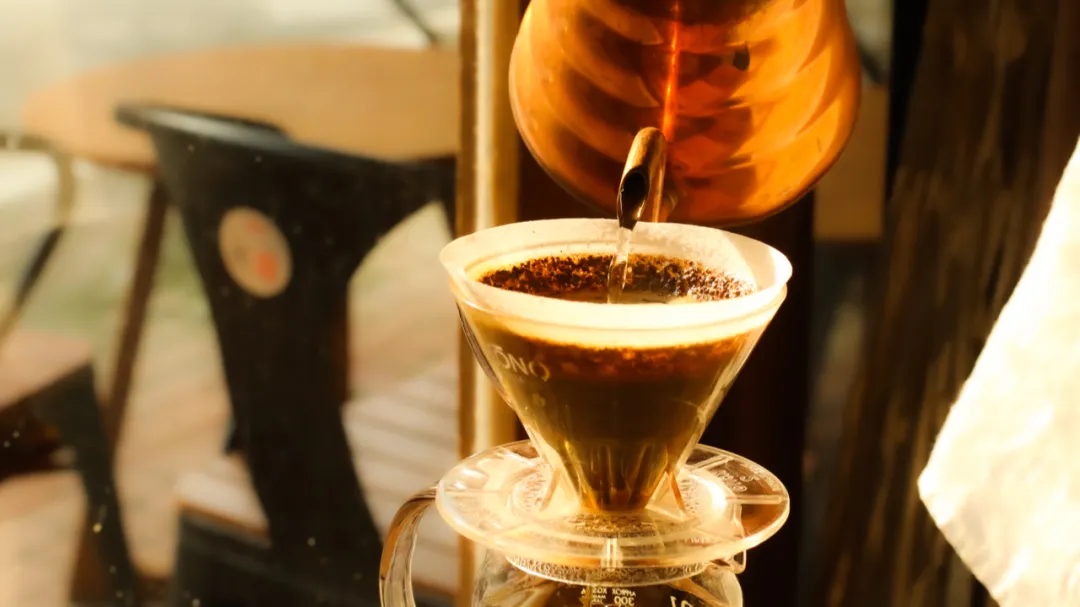
The origin of this technique can be traced back to the Japanese Kono filter brand — the Kono family, in pursuit of a “richer coffee experience,” not only designed a patented filter but also developed a complementary drip extraction method. Its design intent and operational logic are highly aligned: by controlling water volume and optimizing pouring techniques, the risk of over-extraction is reduced while enhancing the coffee’s body and layered complexity.
The Drip Method aims to achieve three main goals: first, reducing the interference of carbon dioxide on extraction; second, enhancing the coffee’s richness; and third, preventing bitterness caused by over-extraction. The specific approaches include: strictly limiting the total extraction water volume (to prevent over-extraction from the start); using water droplets instead of a continuous stream in the initial stage to allow sufficient time for the coffee grounds to degas; switching to a larger flow rate after degassing to accelerate flavor release; and finally adjusting concentration precisely through bypass to ensure balanced taste.
Parameters tested in this session: Coffee dose20g, Brew ratio1:10(total water volume 200ml), Grind size20-mesh sieve 65%~70% passing rate(approximately medium-fine grind, similar to the texture of fine sugar), Water temperature86°C, Filter usedKono(most aligned with the design philosophy of the Drip Method).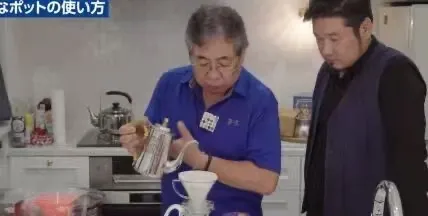
Special reminder: when using the Drip Method,do not pre-wet the filter paper— this is because dry filter paper serves as a “reference marker to determine the end of the dripping phase.” The entire extraction is divided into two stages: first, the water droplet pre-wetting (degassing) phase, followed by the large-flow main extraction phase. The endpoint of the dripping stage isn’t a fixed time or liquid weight, but rather “when the coffee grounds are fully wetted,” which can be observed by the change in color of the filter paper: dry filter paper will gradually turn yellow upon contact with coffee liquid. When the entire filter paper is uniformly tinged with yellow, it indicates that the coffee bed is sufficiently saturated, and you can then switch the pouring method.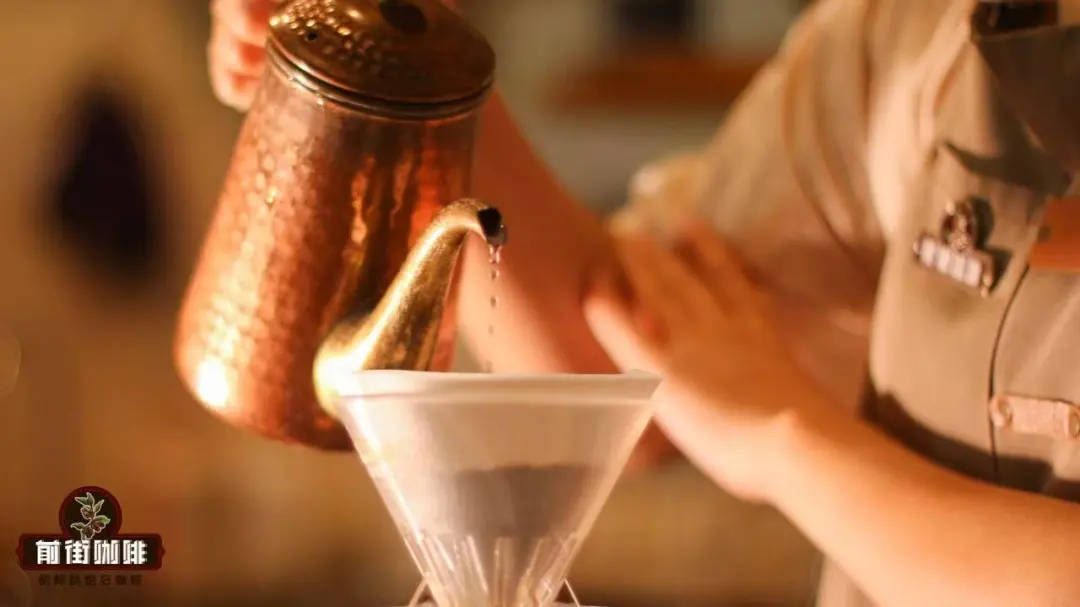
Dripping Pre-Wetting Stage: Using fine water droplets (manually controlled or with a drip tool), slowly wet the surface of the coffee grounds in a circular motion (small or fixed circle both acceptable). Go slowly, ensuring each coffee particle comes into contact with water, but don’t rush to fully saturate the entire coffee bed. As the water droplets continue to fall, carbon dioxide in the coffee grounds will gradually release, and you can observe the changes in the filter paper.
Once the filter paper is uniformly tinged with the yellow hue of the coffee liquid (this is Mr. Kono’s criterion for determining that the coffee bed is “fully saturated”), immediately switch to a larger flow rate for pouring: divide the remaining hot water into several segments and pour them evenly. Pour each segment until the water level just reaches the surface of the coffee bed (avoid overflowing), and wait for all the coffee liquid to drip through before adding the next segment. Repeat this process until the full 200ml of water has been used. This stage’s larger flow helps accelerate the release of flavor compounds, balancing the slow pace of the earlier dripping pre-wet phase.
Final Stage: After all the coffee liquid has filtered through, you can add an appropriate amount of hot water based on personal taste to adjust concentration (for example, in testing, adding80mlml of hot water made the cup smoother, though the concentration was still slightly on the high side). This bypass step allows flexible fine-tuning. Beginners are recommended to start with 50–100ml and find their own optimal balance.Actual Brewing Results: Using the above parameters, the brewed PWN Golden Mandheling had a rich and full-bodied mouthfeel with clearly distinguishable flavor layers — the aromas of chocolate, caramel, and spices (such as cinnamon and cloves) intertwined, with balanced acidity and sweetness, a strong aftertaste, and a long finish. It even had a natural sweetness even without added sugar. This proves that even freshly roasted, high-CO₂ beans, when precisely controlled through the Drip Method, can consistently deliver a high-quality cup.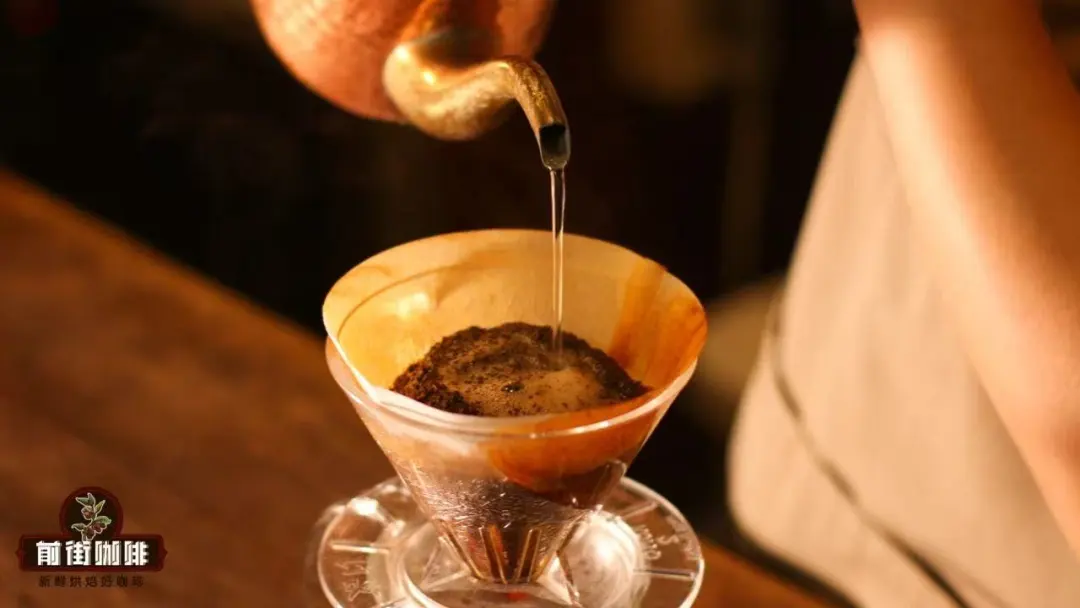
In summary, although the Hario Kono Drip Method involves slightly more steps than traditional pour over, it is extremely effective in addressing the extraction challenges of fresh coffee beans. If you’re new to pour over or often face the issue of “unstable flavors in fresh beans,” give this classic Japanese technique a try. Not only will it improve your brewing consistency, but you’ll also enjoy the unique pleasure of slow, drop-by-drop extraction.
The above content is compiled by CoffeeHunters, a coffee news website.


