







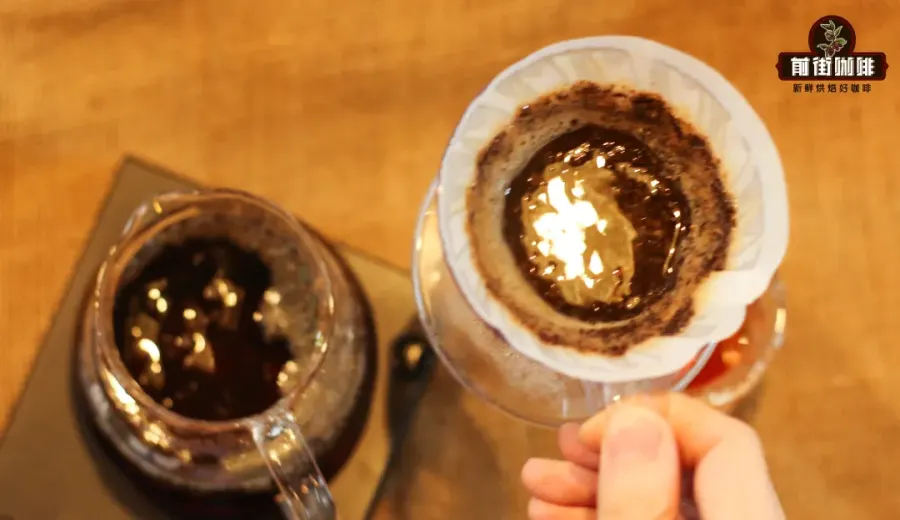
Introduction:The "double cutoff" technique in pour over coffee has garnered significant attention in recent years. Not only does it help improve flavor balance, but it also enhances sweetness. This article delves into the principles behind the double cutoff, exploring how it optimizes taste by removing specific stages of extracted liquid. It also presents a comparative experiment showing the differences in liquid weight, acidity/sweetness, and flavor complexity between conventional and double cutoff methods—helping you adjust your brewing strategy more scientifically.
In the process of making pour over coffee, cutoff usually refers to stopping the water flow during the final stage of extraction to avoid extracting excessive undesirable flavors. However, in recent years, some competition baristas have applied what is known as the "double cutoff" technique—not only cutting off at the end, but also removing the initial liquid released during the blooming phase. Practical feedback indicates that this technique helps reduce overall acidity and bitterness while enhancing sweetness, drawing attention and experimentation from many coffee enthusiasts and content creators.
So, what is double cutoff? Simply put, it involves two separate instances of liquid cutoff during the brewing of a single batch of coffee: one during the blooming phase and another during the traditional end-stage cutoff. This approach effectively avoids the earliest-released, often overly sharp acidic compounds, as well as the bitter substances prone to over-extraction in the final phase, thereby balancing the overall flavor profile.
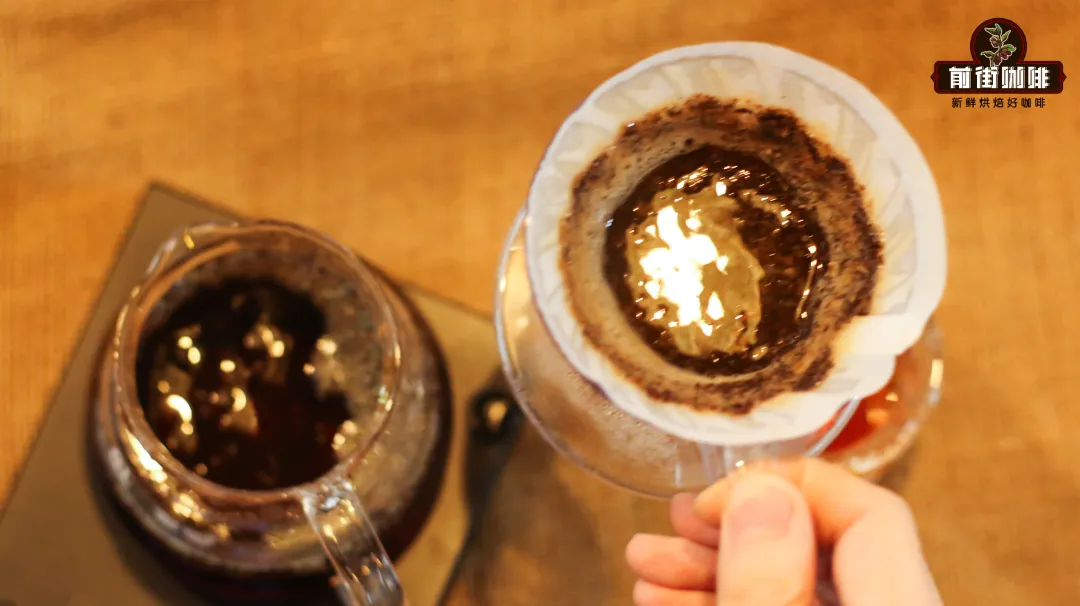
The primary goal of cutoff is to improve the drinking quality of the final coffee by removing potentially unpleasant negative flavors. Typically, we only perform cutoff at the final stage of extraction to prevent bitterness caused by over-extraction. However, during last year’s international coffee competitions, some baristas broke with convention by applying cutoff at two stages: not only removing the final extraction liquid, but also discarding the initial coffee liquid released during blooming—thus creating what is called "dual cutoff" or "double cutoff."
It is understood that this approach can noticeably suppress the coffee’s acidity and bitterness, making sweetness more prominent and the overall flavor profile clearer. Many influencers and bloggers who have tried replicating the method have confirmed that it indeed leads to positive flavor changes—especially in terms of enhanced sweetness and overall smoothness. However, whether such adjustments are truly suitable for all types of coffee beans still requires further verification.
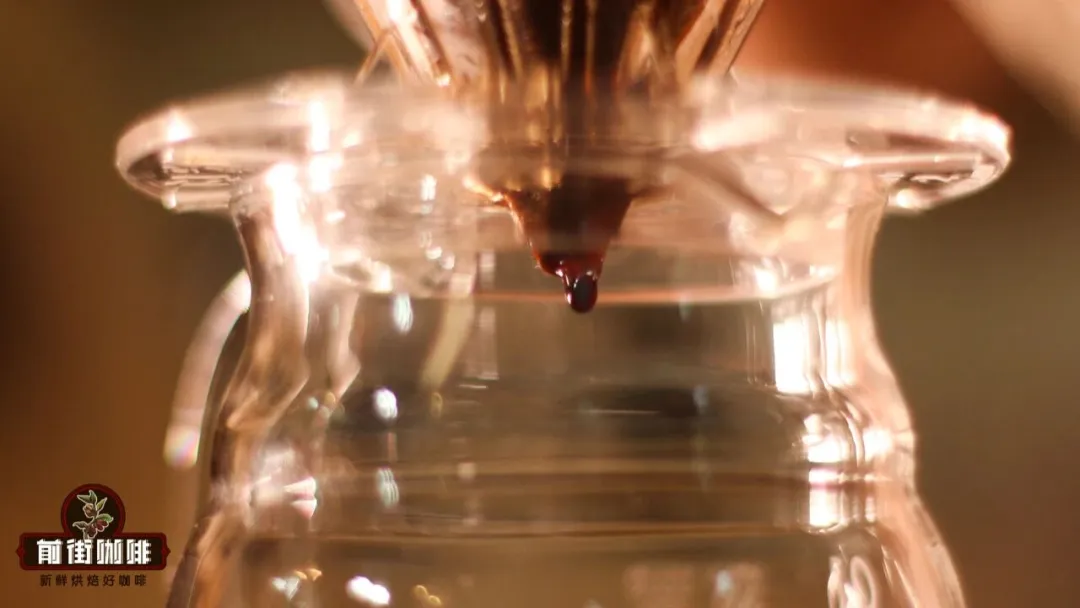
From a scientific perspective, the dissolution rate of different flavor compounds in coffee is directly related to their molecular size. Acidic compounds typically have smaller molecules and are thus quickly released in the early stages of brewing; this is followed by sweet components. Bitter compounds, due to their larger molecular size, tend to dissolve gradually in the later stages of brewing. This explains why bitterness often dominates the final extraction phase. Based on this principle, removing the first and last stages of extracted liquid should theoretically reduce acidity and bitterness, thereby highlighting sweetness.
However, whether it actually tastes better still needs to be verified through practical testing. Below, we use a representative Kenyan coffee bean as an example to compare the conventional brewing method with the double cutoff method, observing their specific differences in liquid weight, flavor, and mouthfeel.
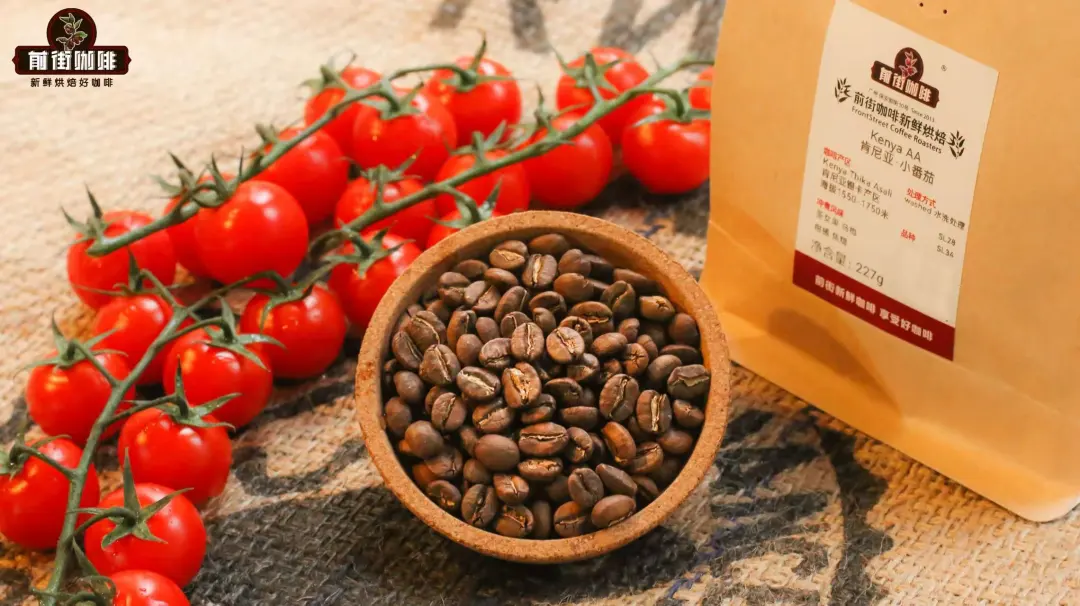
The coffee beans used in this test are a small tomato variety from Kenya, medium-light roasted, using the classic Kenyan SL28 and SL34 varieties, processed via traditional washed method. These beans are known for their bright acidity reminiscent of small tomatoes and black plums, making them ideal for observing how different brewing strategies affect acid-sweet balance.
The parameters for the conventional brew are as follows: 15 grams of coffee, a 1:15 coffee-to-water ratio, using a 20-mesh sieve with about 75%–80% filtration rate, water temperature at 92°C, brewed with a V60 filter cone using a three-pour method. The double cutoff version is slightly adjusted: same 15 grams of coffee, 1:15 ratio, but with a slightly finer grind (20-mesh sieve with about 80% filtration rate), water temperature increased to 93°C, also using a V60 and three-pour method, with the additional execution of the double cutoff procedure.

In the practical process of double cutoff, start with a 30-second bloom using twice the amount of coffee’s weight in water. After blooming, the coffee liquid dripped during this phase should be directed into a separate container and not included in the final drink. Next, pour 120 milliliters of hot water using a medium flow rate and wide circular pouring. Then switch to a smaller flow rate and narrow circular pouring to add 75 milliliters to complete the extraction. When the dripping is nearly finished, quickly remove the filter cone to stop the extraction, completing the entire brewing process.
According to test data, the final liquid weight of the conventional brew is 197 milliliters. Its flavor is full-bodied, featuring clear notes of small tomato and black plum acidity, with noticeable sweetness reminiscent of brown sugar, and an aftertaste showcasing oolong tea and black plum tones. The overall mouthfeel is rich and smooth, with a lingering finish—a well-balanced coffee.
In comparison, the version using the double cutoff technique has a final liquid weight of 176 milliliters, 21 milliliters less than the conventional version. Although the visual difference is not obvious, the experience upon tasting is significantly different. As multiple testers noted, this method indeed noticeably reduces acidity and bitterness while enhancing sweetness. The overall flavor leans sweet, with tomato and various fruit notes as the main theme, delivering a refreshing and layered drinking experience.

Overall, although the double cutoff technique simply involves removing the blooming liquid and a small amount of final-stage extracted liquid, its impact on flavor is quite significant. This method not only adjusts the balance of acidity, sweetness, and bitterness, but also helps highlight the coffee’s inherent fruity and sweet characteristics. For brewers aiming for specific flavor profiles, it is undoubtedly a technique worth exploring in depth.
If you’re curious about double cutoff, feel free to try it yourself. It’s recommended to prepare an extra container to retain the removed liquid. If you later find the adjusted coffee doesn’t suit your personal taste, you can pour those liquids back in to restore the standard brew flavor. By experimenting continuously with different pouring techniques, water temperatures, and grind sizes, you might just discover the unique flavor combination that best suits your palate.
The above content is compiled by CoffeeHunters, a coffee news website.


