







Introduction:Geisha variety coffee has garnered significant attention in recent years. From Panama’s Hacienda Esmeralda to Ethiopia’s heirloom beans, Geisha from different origins exhibit notable differences in flavor, price, and processing methods. This article selects 8 popular Geisha coffees, covering Panama, Ethiopia, Colombia, and Peru. It provides an in-depth look at their origin background, grading classifications, and unique flavor profiles, along with unified light-to-medium roast pour over recommendations to help you find your own Geisha experience.
The Geisha (Geisha) coffee variety is cultivated across multiple countries, including Panama, Ethiopia, Colombia, and Peru. Due to variations in climate, altitude, and processing methods, Geisha beans from these regions develop distinctly different flavors. Their prices range widely, from tens to hundreds of yuan, often leaving consumers wondering: which one is the classic? Which offers the best value? This article will take 8 commonly available Geisha coffees on the market as examples, analyzing their origin, farm background, grading system, and flavor characteristics in depth. It also offers consistent light-to-medium roast pour over recommendations and actual tasting insights, providing a reliable reference for both beginners and advanced enthusiasts.
Many coffee enthusiasts, when first encountering Geisha, are often confused by complex names such as “Esmeralda Red Label,” “90+ Eleta,” or “Granja La Esperanza Geisha.” In fact, these names represent different regions, farms, and grades, rather than mere varietal differences. Geisha itself is a coffee variety, originally from Ethiopia, but it gained international fame primarily due to the outstanding performance of Panama’s Hacienda Esmeralda in global competitions. As a result, many people associate Geisha with Panama’s high-altitude flavors and bright fruity acidity. However, Geisha from other regions also possesses unique charm and is often more affordable, making it well worth exploring.
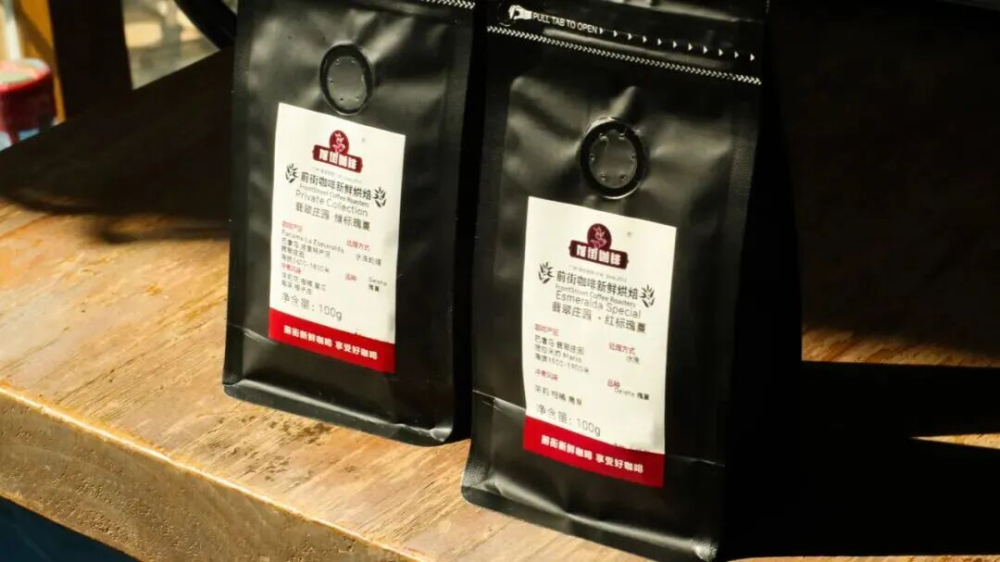
Currently, the most common Geisha coffees on the market can be broadly divided into several categories: Panamanian Geisha, Ethiopian heirloom Geisha, and niche Geisha from Central and South America such as Colombia and Peru. Among them, Panama’s Boquete region, home to renowned farms like Hacienda Esmeralda, is considered the representative area for high-quality Geisha. The Red and Green Label Geisha from Hacienda Esmeralda are classic choices for many coffee aficionados. Additionally, 90+ Eleta and other typical Boquete Geishas showcase the diversity brought about by different processing methods in this region.
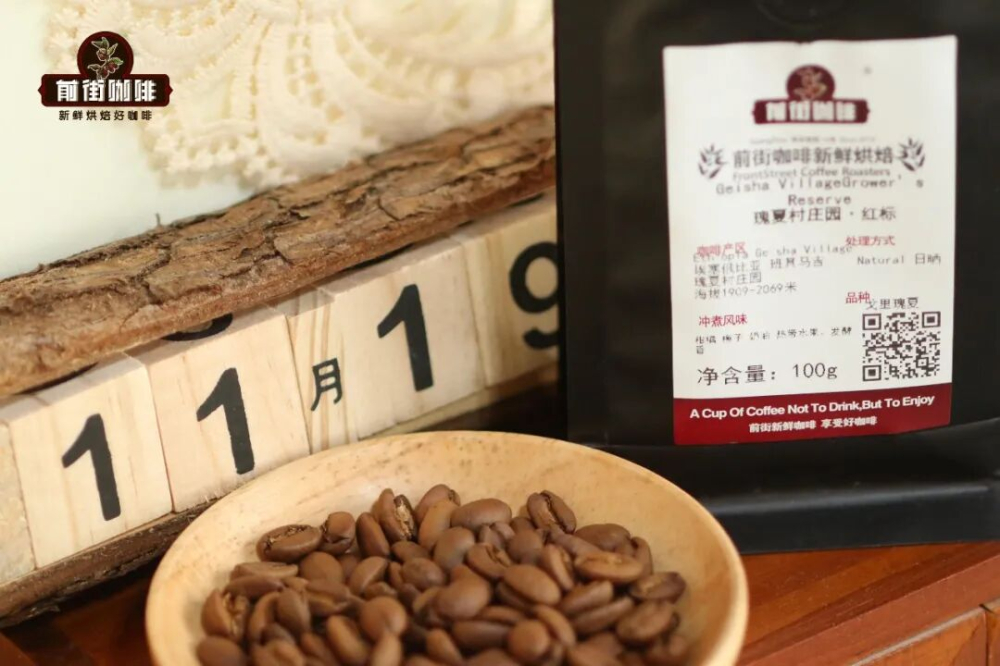
Turning to Ethiopia, regarded as the birthplace of the Geisha variety, Geisha from local villages such as Gesha Village and Granja La Esperanza exhibits unique fruit and floral notes. Though the beans may appear slightly smaller and rounder in shape compared to those from Panama, they offer distinctive aromas. Due to less commercial hype, Ethiopian Geisha often comes at a more accessible price point. Its acidity is bright, layered with a tea-like quality intertwined with fruity notes, making it ideal for those who prefer a clean and refreshing cup.
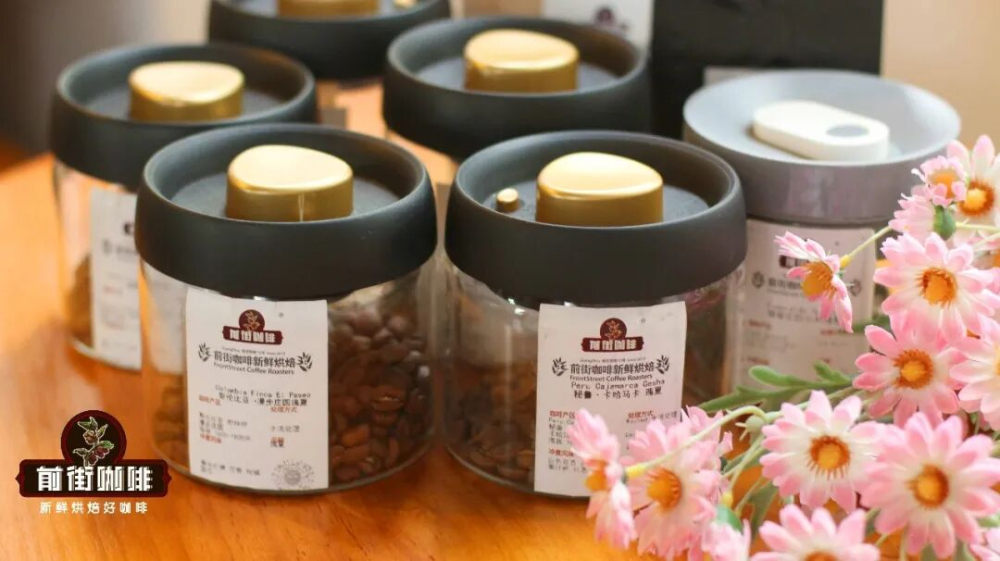
As for Geisha from Colombia and Peru, these are typically produced in small batches by local independent farms, with processing methods and flavor profiles closely reflecting their terroir. The Geisha from Colombia’s Camino Verde farm stands out with its light floral notes and honey-like sweetness, featuring almost no bitterness and a long-lasting finish. Peruvian Geisha, on the other hand, often showcases rich caramel and prune-like acidity, with higher body, catering to coffee lovers who enjoy a fuller cup.
The 8 Geisha coffees introduced here are all lightly to medium roasted, with their main flavor profiles centered around floral notes, fruity acidity, and citrus tones. To fairly present the characteristics of each bean, we recommend using consistent brewing parameters: 15 grams of coffee, a 1:15 coffee-to-water ratio, water temperature controlled at 91–92°C, grind size suggested at EK43s-10 or C40-24 (approximately 80% extraction through a #20 sieve), using a V60 filter. The brewing method follows a three-pour technique: the first pour is 30 grams for a 30-second bloom; the second pour uses a “spiral” motion to add 95 grams of water, reaching approximately 125 grams total by around 55 seconds; when the water level drops to one-third of the coffee bed, the final 100 grams are poured, bringing the total brew weight to about 225 grams, completing the brew in roughly 1 minute and 35 seconds. The total dripping time should be kept between 1 minute and 50 seconds to 2 minutes and 10 seconds.
In terms of actual tasting, the flavor differences among these Geishas are distinct. The Red Label from Ethiopia’s Gesha Village and Granja La Esperanza Geisha feature bright acidity with a tea-like quality; the former highlights berry and plum fermentation aromas, while the latter presents a harmonious blend of yellow peach, guava, and black tea. The Red and Green Label Geisha from Panama’s Hacienda Esmeralda showcase the classic bergamot acidity, jasmine floral notes, and peach sweetness, complemented by a noticeable caramel finish—often seen as the “authentic Geisha taste” by many. 90+ Eleta, due to its heavy fermentation process, delivers intense flavors of spices, longan, and chocolate, offering a uniquely bold profile. Boquete Geisha is known for its refreshing citrus and clear floral notes, with relatively more accessible pricing. The Geisha from Colombia’s Camino Verde farm features floral and perfumed lemon notes, with a sweet honey-like mouthfeel; Peruvian Geisha, on the other hand, has a more robust acidity, prominent caramel tones, and a fuller body.
In summary, if you want to experience classic Geisha flavors at a reasonable price, start with Panamanian Boquete Geisha—it delivers clear Geisha characteristics without requiring a high budget. If you’ve already tried various Panamanian options, you can further explore Geisha from Ethiopia or Central and South America. For those who prefer bright, sweet, and tangy profiles, Granja La Esperanza Geisha is a great choice; if you lean toward rich caramel flavors, consider selections from Peru’s Cajamarca region. Whether you’re a pour over beginner or an advanced brewer, these 8 Geisha coffees offer a diverse range of flavor experiences to help you find your perfect match.
The above content is compiled by CoffeeHunters, a coffee news website.


