







Category: Coffee Knowledge
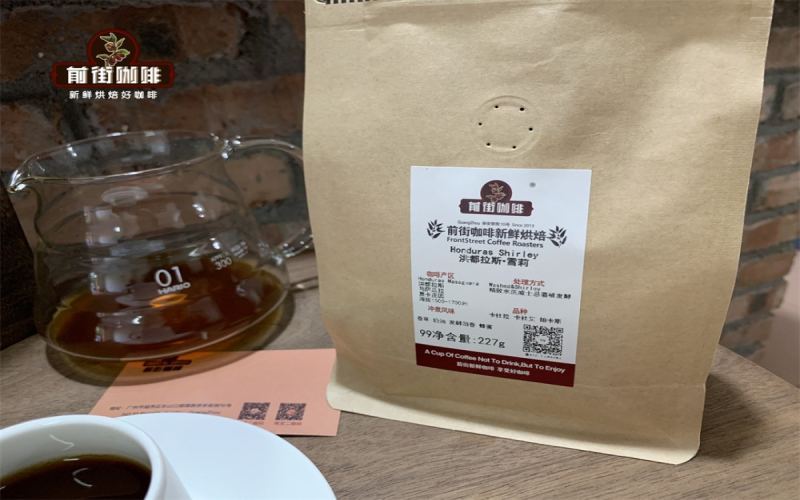
In-depth Guide to Honduras' Six Major Coffee Regions: Pour Over Parameters and Fruit-Wine Aroma Analysis of Catuai
Delve into Honduras, the largest coffee-producing country in Central America. From the terrain and climate of its six distinctive regions to the unique flavor profile of the Catuai variety, this article provides a detailed analysis of how washed and wine barrel fermentation processing methods influence the cup. It also offers professional-grade pour over parameters and practical brewing tips to help you extract the citrus fruitiness and rich wine-like notes of Honduran coffee. A must-read guide for coffee enthusiasts seeking both regional knowledge and extraction techniques. [more…]
A Comprehensive Guide to Honduran Coffee Regions: Flavors and Brewing Tips for Washed Caturra and Sweet Orange Estate
Honduras was once often seen as synonymous with 'mid-grade blends,' but since the launch of the COE competition in 2004, its high-quality potential has gradually emerged. This article delves into the country’s six major producing regions and emerging micro-regions, with a special focus on the Sweet Orange Estate in the La Paz Marcala region, as well as the widely acclaimed Washed Caturra beans. We’ll provide an in-depth look at the origin background, flavor profiles, roasting recommendations, and practical pour over and SOE brewing parameters to help you fully master Honduran coffee. [more…]
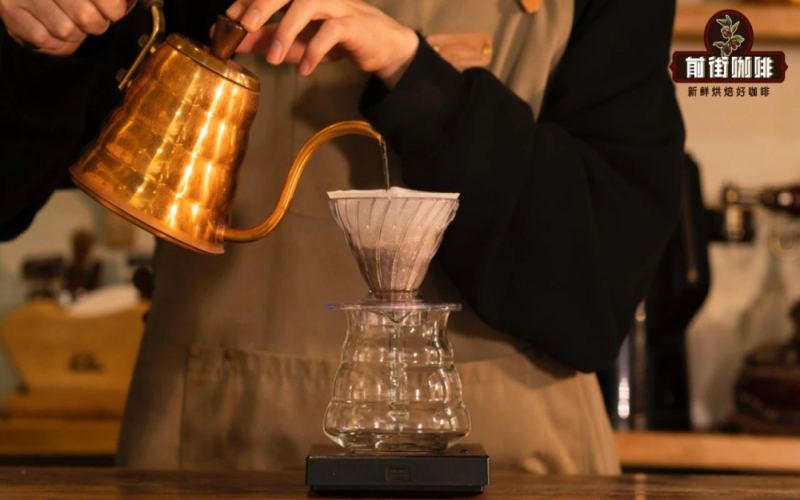
Complete 3-Step Pour Over Coffee Tutorial: A Full Guide to Blooming, Main Extraction, and Adjustment Techniques
Even when using the same coffee beans and basic parameters, it's still hard to recreate that great café-quality taste? The key lies in mastering the operational details of each stage in the pour over process. This article divides the pour over extraction into three main stages—blooming, main extraction, and adjustment—and provides a detailed analysis of the purpose, coffee-to-water ratio, and practical techniques for each stage. It will help you understand how to control extraction, avoid over-extraction or under-extraction, and further improve the quality and flavor of your home-brewed pour over coffee. [more…]
SOE Coffee Analysis: High-Priced Single-Origin Espresso vs Blends — Which Should You Choose?
What is SOE commonly seen on specialty coffee shop menus? Why is it more expensive than regular blends? This article dives deep into the definition of Single Origin Espresso, its extraction challenges and flavor characteristics, and compares them with the stability and cost-effectiveness of blends — helping you understand whether paying extra for SOE is worth it. Practical extraction parameters and recommended ratios are also provided. [more…]
Guide to Cold Drip and Pour Over Brewing of Panama Elida Geisha: Sun-Dried Processing, BOP Champion Flavors, and Brewing Techniques
The sun-dried Geisha from Panama’s Elida Estate has consistently topped the Best of Panama (BOP) competition for years, renowned for its intense blackberry aroma and silky, creamy finish. This article delves into this legendary estate located in the high-altitude region of the Barú Volcano National Park, exploring its unique microclimate and meticulous processing methods. We also provide recommended parameters for both pour over and cold drip brewing to help you easily recreate its championship-level flavors of jackfruit, lychee, and honey sweetness. [more…]

Panama Elida Geisha & Typica Complete Guide: Natural Processing, Cold Brew Pour Over Parameters & Flavor Analysis
An in-depth exploration of two star coffees from Panama's Elida Estate — the anaerobically fermented natural Geisha and the natural Typica. This guide covers everything from the terroir, varietal characteristics, processing techniques, to roasting recommendations and home brewing methods, providing a comprehensive analysis of their flavor profiles and brewing essentials. It also includes practical cold brew preparation steps so you can easily enjoy a layered, fruity Geisha iced coffee at home. [more…]

Complete Guide to Pour Over & Cold Brew of Emerald Red Label Geisha: Extraction Parameters & Flavor Analysis
The Emerald Estate Red Label Geisha is the top-tier offering in the Geisha series, renowned for its delicate floral notes and complex fruit profiles. This article delves into how to precisely extract the unique flavors of this high-altitude sun-dried Geisha through both pour over and cold brew methods. From scientifically set parameters such as water temperature, grind size, and coffee-to-water ratio, to the three-step pour over process and cold brew timing control, it will guide you to master professional-level extraction techniques to reveal the layers and aromas of Geisha. [more…]
Panama Green Label Geisha Pour Over Guide: Temperature, Brew Ratio & Three-Stage Extraction Techniques
Want to brew a cup of Panama Green Label Geisha at home that bursts with bright acidity and citrus aromas? This high-altitude washed coffee from Finca La Esmeralda is renowned for its notes of lemon, berries, and Tieguanyin tea. This guide details the origin background, processing characteristics, and offers practical pour over parameters—including ideal water temperature, brew ratio, and a step-by-step three-stage pouring method—to help you precisely control extraction and highlight the Geisha’s captivatingly fresh layers. [more…]
Costa Rica Mirasù Geisha Strawberry Molasses Processed Beans – Pour Over Guide & Flavor Profile
An in-depth look at the “Strawberry Syrup” Geisha blend from Mirasù Estate in Costa Rica’s Tarrazú region. Explore the terroir of the growing area, the processing method, and the unique honey process technique that gives this coffee its pronounced floral-fruity aroma and rich sweetness. The guide also offers professional pour over brewing advice, including brew ratio, water temperature, grind size, and pouring techniques, helping you achieve a bright acidity and honey-like sweetness at home. [more…]
Costa Rica Mirasù Gesha Blend Pour Over Tutorial | 93°C High Sweetness Extraction Parameters & Berry Flavor Analysis
This Gesha blend from Mirasù Estate in the highlands of Tarrazú, Costa Rica, highlights a pronounced strawberry sugar sweetness through honey processing. With a mix of 50% Gesha and local varieties, it delivers a unique layered profile. This article delves into the terroir of the growing region and the origin of the beans, while providing professionally tuned pour over parameters: 93°C water temperature, V60 filter, and precise coffee-to-water ratio. Step-by-step guidance—from blooming to three-stage pouring—helps coffee enthusiasts easily extract bright floral-fruity aromas and a rich sweetness. [more…]
Is iced americano black coffee? A comprehensive look at its flavor profile and health benefits
Iced americano is a daily pick-me-up choice for many, but do you know what type of coffee it falls under? This article delves into the unique flavor characteristics of iced americano, compares the differences between iced and hot americanos, and explores the potential digestive and metabolic benefits of black coffee. It also shares brewing suggestions for professionally roasted blends to help you better understand the charm and practical knowledge of this classic beverage. [more…]
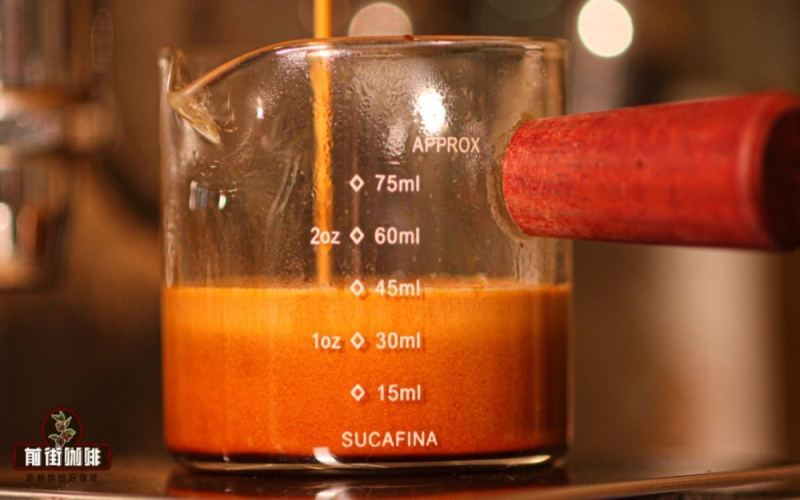
How is espresso crema formed? A complete breakdown of roast level, bean variety, and freshness
That mesmerizing golden layer on top of an espresso shot—is it a specialty of dark roasts only, or can Arabica beans achieve it too? In fact, the richness of crema hinges on four key factors: the amount of carbon dioxide released, roast degree, bean variety genetics, and freshness. This article will delve into how these elements influence crema formation and explain why the common belief that “freshly roasted = best crema” is actually a misconception. We’ll also share blending ratios and practical tips to help you pursue the ideal crema more scientifically. [more…]
Latte Coffee Bean Buying Guide: How Medium-Dark Roasts Enhance Milk Coffee Flavor & Practical Recommendations
Want to brew a smooth and captivating latte at home? Choosing the right espresso beans is crucial. Beyond the basic flavor profile of the beans, it’s equally important to consider how well they pair with milk. This article delves into how different roast levels impact the taste of a latte, explains why medium-dark roasts are favored, and analyzes how freshness affects overall performance. It also highlights three popular commercial espresso blends on the market, covering a variety of roast styles, to help readers find the ideal latte beans that suit their personal taste preferences. [more…]
How to Brew Kenyan AA Coffee? A Complete Guide from the Region to K72 Processing and Pour Over Settings
Kenyan AA coffee is renowned for its bright acidity and rich berry flavors, making it a dream bean for many coffee enthusiasts. This article delves into its history—from its introduction during the British colonial period, the cultivation of the SL28 and SL34 varieties by the Scott Labs, to the evolution of the auction system and the terroir differences across the six major growing regions—and focuses on the unique K72 washed processing method and practical V60 pour over parameters to help you fully understand every step of this classic coffee, from cultivation to extraction. [more…]
How to Choose Between Light, Medium, and Dark Roast Coffee Beans? From Flavor Differences to Practical Buying Tips for Medium Roast Beans
The same coffee beans can present completely different flavor profiles in terms of acidity-sweetness balance, aroma complexity, and mouthfeel—just by varying the roast level. This article delves into the characteristic differences among light, medium, and dark roasts, helping readers understand how beans perform at each stage, and offering specific selection directions and practical advice for choosing medium roast beans, especially tailored to those who prefer fruity notes, sweetness, or balanced flavors. [more…]
Espresso Beginner's Guide: 5 Ways to Enjoy & Tips for Choosing Home Blends
Espresso is renowned for its intense and rich flavor, and many beginners are often surprised by its strong taste upon their first try. This guide delves into the etymology and technical evolution of Espresso, taking you from classic ways of drinking it to tips on selecting home blends, so you can understand how to appreciate this uniquely bold coffee. We also recommend four espresso bean blends perfect for home use, covering different flavor profiles to help you find your ideal coffee experience. [more…]
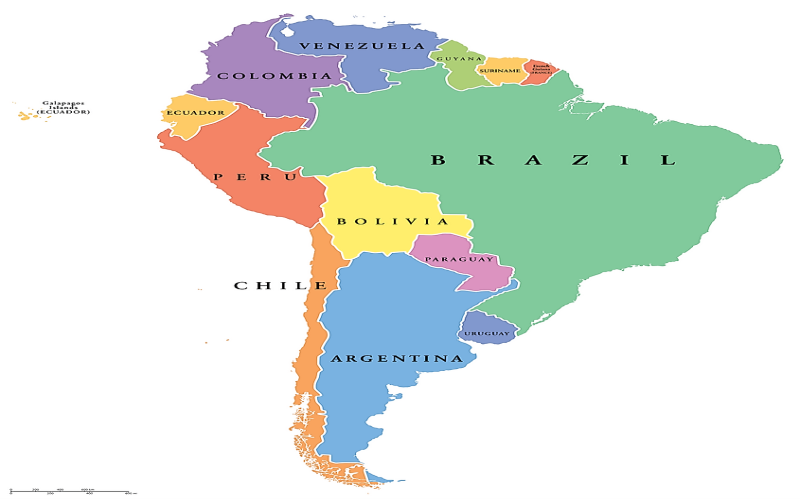
Bolivia Valleji Estate Java Pour Over Guide | Cocoa Sun-Dried Flavor & Roasting Parameters
Explore the Java coffee beans from Bolivia’s Valleji Estate, grown at an altitude of 1600 meters in La Paz. This rare variety is processed using a cocoa sun-dried method, blending layers of grape, nut, and honey flavors. This guide delves into its regional background, varietal evolution, unique drying techniques, and provides professional roasting profiles and V60 pour over parameters to help you fully experience the complex flavor profile of this niche specialty bean. [more…]
In-depth Analysis of Colombia's Six Major Coffee Regions: Volcanic Soil-Grown Pour Over Flavors and Harvest Guide
Delve into Colombia’s six most representative specialty coffee regions, from Santander to Nariño, exploring their unique geographical conditions, cultivation altitudes, processing techniques, and how microclimates influence flavor. This guide not only introduces the sensory characteristics of each region’s coffee but also covers key harvest seasons, variety choices, and differences in processing methods, along with practical pour over recommendations and reference parameters to help you fully grasp the essence of Colombian coffee. [more…]

Analysis of the Truth Behind Luckin Coffee Franchising: How to Identify Counterfeit Stores and Fake Agents
Recently, online rumors about Luckin Coffee opening up franchising opportunities have attracted the attention of many entrepreneurs and consumers, but the official company has explicitly denied them. This article provides an in-depth analysis of the key points in Luckin’s official statement, clarifies the rumors around franchising and agents, and reviews the history of the merger with the Xiaoluzhi Tea brand. It also helps you understand common tactics used by counterfeit stores, so you can distinguish between real and fake and avoid falling victim to franchising scams. [more…]
Why is Panamanian Geisha coffee so expensive? A comprehensive analysis from its Ethiopian origins to auction champion status
With its distinctive floral aroma, bright acidity, and honey-like sweetness, Geisha coffee has risen to become one of the top varieties in the specialty coffee world. However, its high price often deters coffee enthusiasts. This article starts with the Ethiopian origins of Geisha, explores how it transformed from an obscure variety in Panama to a star at auctions, and delves into its flavor characteristics and the reasons behind its pricing. It also provides practical washed Geisha pour over parameters to help readers find the best entry point. [more…]