







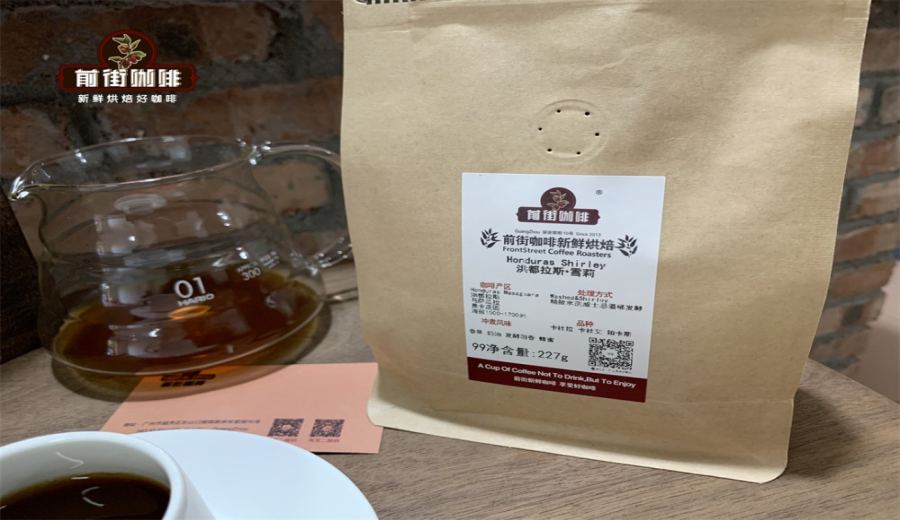
Introduction:Delve deep into Honduras, the largest coffee-producing country in Central America. From the diverse terrains and climates of its six distinctive growing regions to the unique flavor profile of the Catuai variety, this article explains how washed and whiskey barrel fermentation processing methods influence flavor. It also provides expert-level pour over parameters and practical techniques to help you extract the citrus fruitiness and rich wine-like notes of Honduran coffee. This is a must-read guide for coffee enthusiasts seeking both regional knowledge and brewing insights.
Honduras, a country located in the northern part of Central America, boasts not only magnificent mountainous landscapes but also stands as one of the world’s significant coffee producers. The majority of the territory consists of plateaus and mountains with significant elevation variations, coupled with an interplay of tropical and subtropical climates, creating diverse microclimates ideal for coffee cultivation. Though Honduran coffee did not receive much attention in the early days, it has gradually captured the world’s interest thanks to the rise of whiskey barrel fermentation—especially the whiskey and brandy-scented Sherry and Li Xiang Lan coffees.
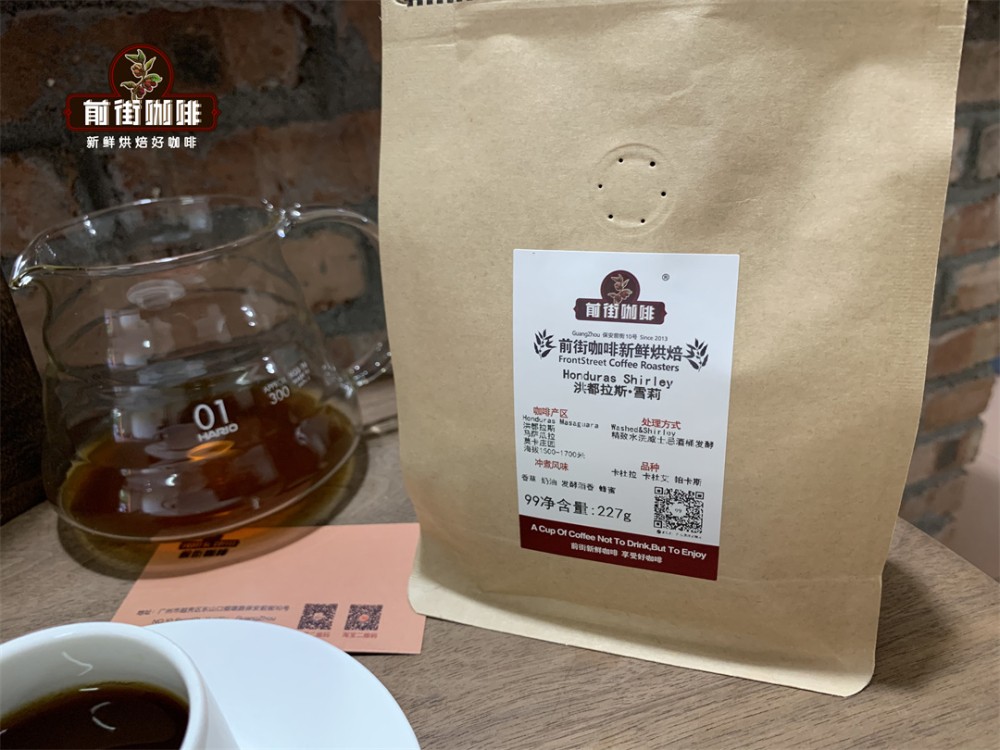
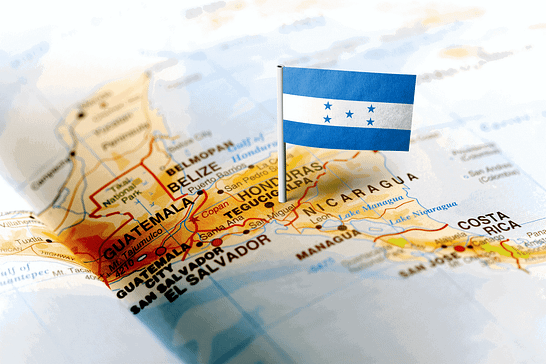
Honduras' coffee-growing regions can be divided into six areas, each producing beans with distinct flavors due to their unique geographical conditions. The Copán region lies in the west, bordering Guatemala, at altitudes between 1,000 and 1,500 meters. With large day-night temperature differences, the coffee here often exhibits intense acidity and complex layers. Montecillos, with even higher elevations (1,200–1,600 meters) and pronounced diurnal shifts, allows coffee cherries to ripen slowly, resulting in bright citrus and peach-like fruitiness, smooth mouthfeel, and prominent sweetness.
The Agalta region, situated in the southeast, features a tropical climate and altitudes ranging from 1,100 to 1,400 meters. Coffees from here often have sweet tropical fruit notes with soft caramel undertones. Opalaca, adjacent to Copán and at similar altitudes, grows not only Catuai but also traditional varieties like Bourbon and Typica. Its coffees offer layered flavors, refined acidity, and well-balanced aftertaste. Comayagua, located in the central part, was once the top-producing region nationally, yielding coffee with distinct citrus acidity and creamy smoothness. Meanwhile, El Paraíso in the south, bordering Nicaragua, is Honduras’ largest and most historically rich coffee region. With a warm climate (16–22.5°C) and moderate altitude (1,000–1,400 meters), it is an ideal area for coffee farming.
When it comes to renowned estates in Honduras, Finca Mocha certainly holds a distinguished place. Located in the Jesús de Otoro Valley of Masaguara, surrounded by hills and ridges with elevations ranging from 853 to over 1,500 meters, it is the origin of some highly acclaimed Sherry and Li Xiang Lan coffees. The valley terrain and high-altitude environment provide ideal growing conditions, making these two coffees famous for their unique wine aromas and fruity notes.
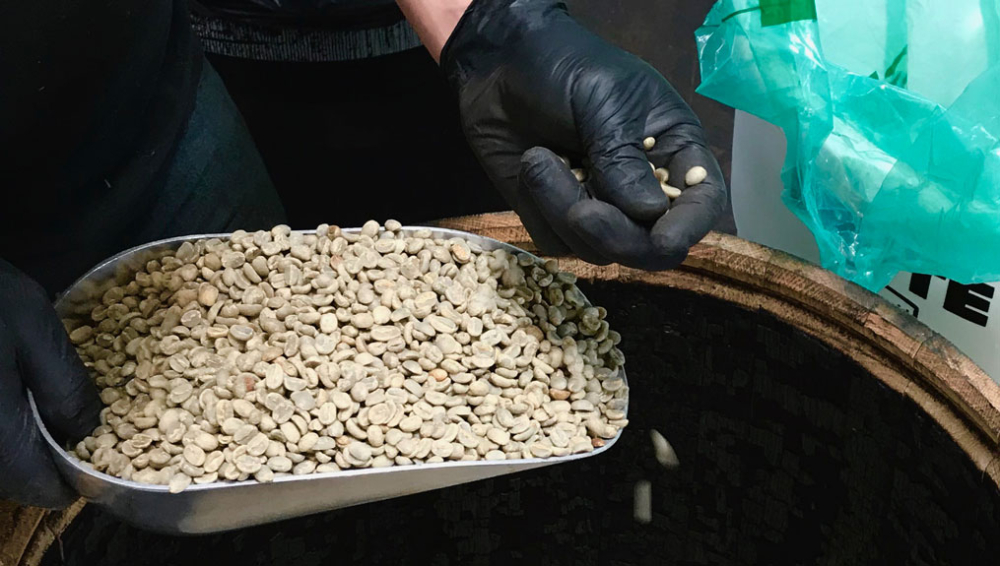
Honduran coffee beans are known for being large in size, uniformly sized, and having a bright luster. To facilitate manual picking, coffee trees are usually pruned to a height of no more than 150 cm to avoid the difficulty of harvesting overly tall trees. Notably, because coffee cherries do not ripen at the same time, picking must be done by hand, one cherry at a time. It often takes several weeks to complete the harvest of a single branch, ensuring the high quality of the beans.
In terms of varieties, Honduras mainly grows Arabica coffee, with the dominant ones being Bourbon, Caturra, Catuai, Typica, and Pacas.Caturrais a natural mutation of Bourbon, originating in Brazil. It is a shorter plant suitable for high-density planting and was introduced to Honduras from Guatemala in the 1940s.Catuaiwas developed by the Brazilian Agricultural Research Corporation, with New World and Caturra as its parent varieties. It shares a similarly short stature but is more susceptible to pests.Pacasis another mutation of Bourbon, originating in El Salvador. It was introduced to Honduras by the Honduran Coffee Institute in 1974. Known for high yield and excellent cup quality, Pacas is slightly taller than Caturra yet more productive.
The method of coffee processing has a crucial impact on flavor. Early Honduran coffee mostly used washed processing, which involves removing floaters, pulp, and mucilage before drying to preserve clean acidity. Recently, the spotlight has been on whiskey barrel fermentation, where washed coffee beans are placed in whiskey or brandy barrels and fermented at low temperatures (15–20°C) for 30–40 days, imparting wine-like aromas and sweetness. Some Sherry coffee uses whiskey barrels, delivering vanilla, cream, and berry flavors; Li Xiang Lan coffee is fermented in brandy barrels, showcasing honey and lychee sweetness.
If you want to brew Honduran coffee at home using pour over, here are professional-grade reference parameters:Use a V60 dripper, with a coffee-to-water ratio of 1:15, grind size around coarse sugar (80% through a Chinese 20-mesh sieve), and water temperature controlled at 91°C. Begin with a 30-second bloom using 30 grams of water to release CO₂, then pour in a slow stream up to 125 grams, followed by pouring until 225 grams and stopping. Total brew time is about 2 minutes. This approach fully extracts the coffee’s fruit and wine notes, offering balanced flavor with clear layers.
Regarding flavor, Sherry coffee offers aromas of whiskey and berries upon entry, with a maple syrup-like sweet aftertaste; Li Xiang Lan presents a rich cream and honey texture, with the lychee aroma becoming more pronounced as the coffee cools. Remember, the optimal tasting window for coffee beans is 5 days to a week post-roast, with a resting period of around 4–7 days. If purchasing coffee powder, it is recommended to brew immediately to enjoy peak flavor, as ground coffee oxidizes quickly and loses its aroma. For the full regional experience, whole bean grinding and brewing just before drinking remains the best choice.
The above content is compiled by CoffeeHunters, a coffee news website.


