







Introduction:This Geisha blend from Mirasu Estate in the highlands of Tarrazú, Costa Rica, highlights a pronounced strawberry candy sweetness through honey processing. Combining 50% Geisha with local varieties, it delivers a unique flavor profile. This article delves into the terroir of the growing region, the origin of the varieties, and provides a professionally tuned pour-over recipe — 93°C water temperature, V60 dripper, and precise coffee-to-water ratio — with a step-by-step guide from bloom to three-pour infusion to help coffee lovers easily extract its bright floral-fruity notes and rich sweetness.
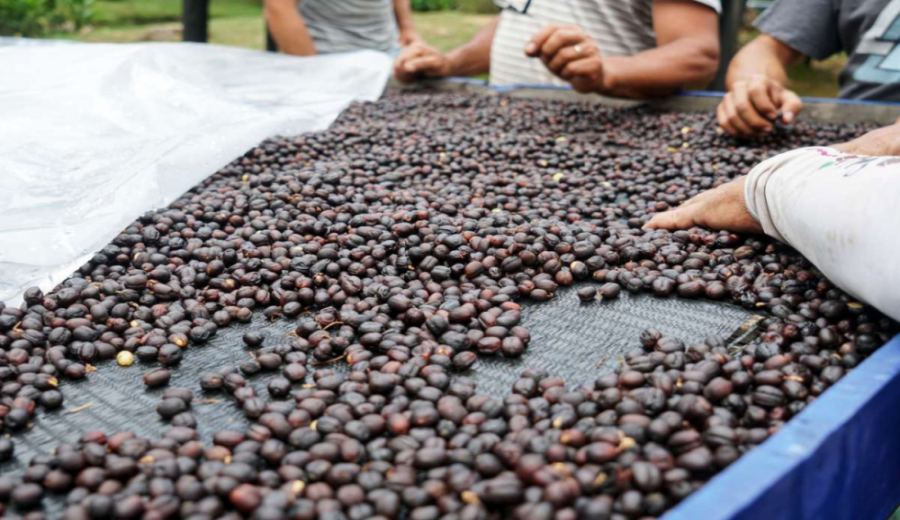
Costa Rica is globally renowned for its refined honey processing technique. The beans, processed with the parchment on, undergo special fermentation to achieve a golden hue, not only preserving abundant sweetness but also imparting a rich mouthfeel. Among these, the Strictly Hard Bean (SHB) from the Tarrazú region, grown at elevations exceeding 1,700 meters, stands out as a leader in the specialty coffee world. Focusing on the berry-toned blend launched by Mirasu Estate, this article takes you through the microclimate of the region, processing methods, and professional pour-over parameters to help you grasp the charm of this uniquely flavored coffee.
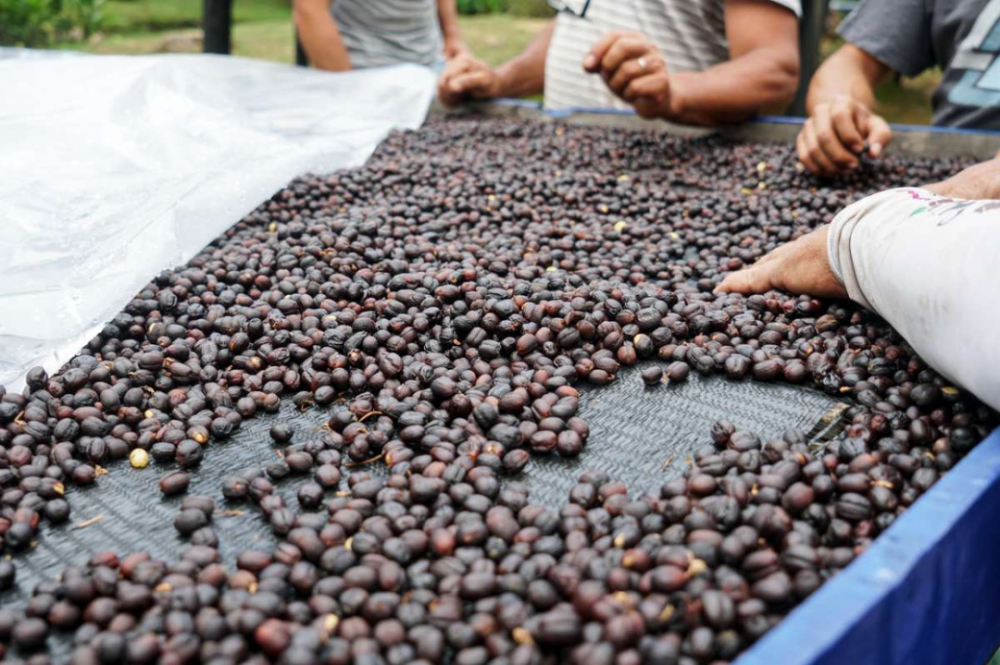
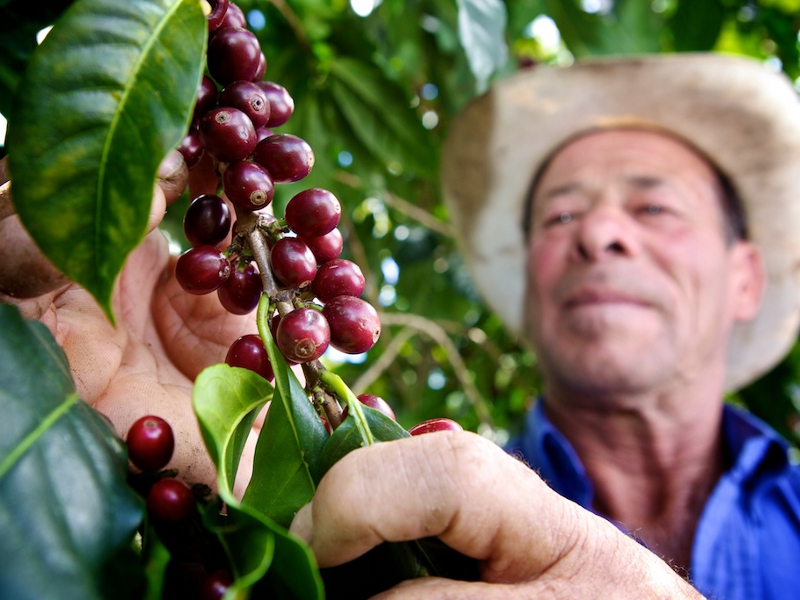
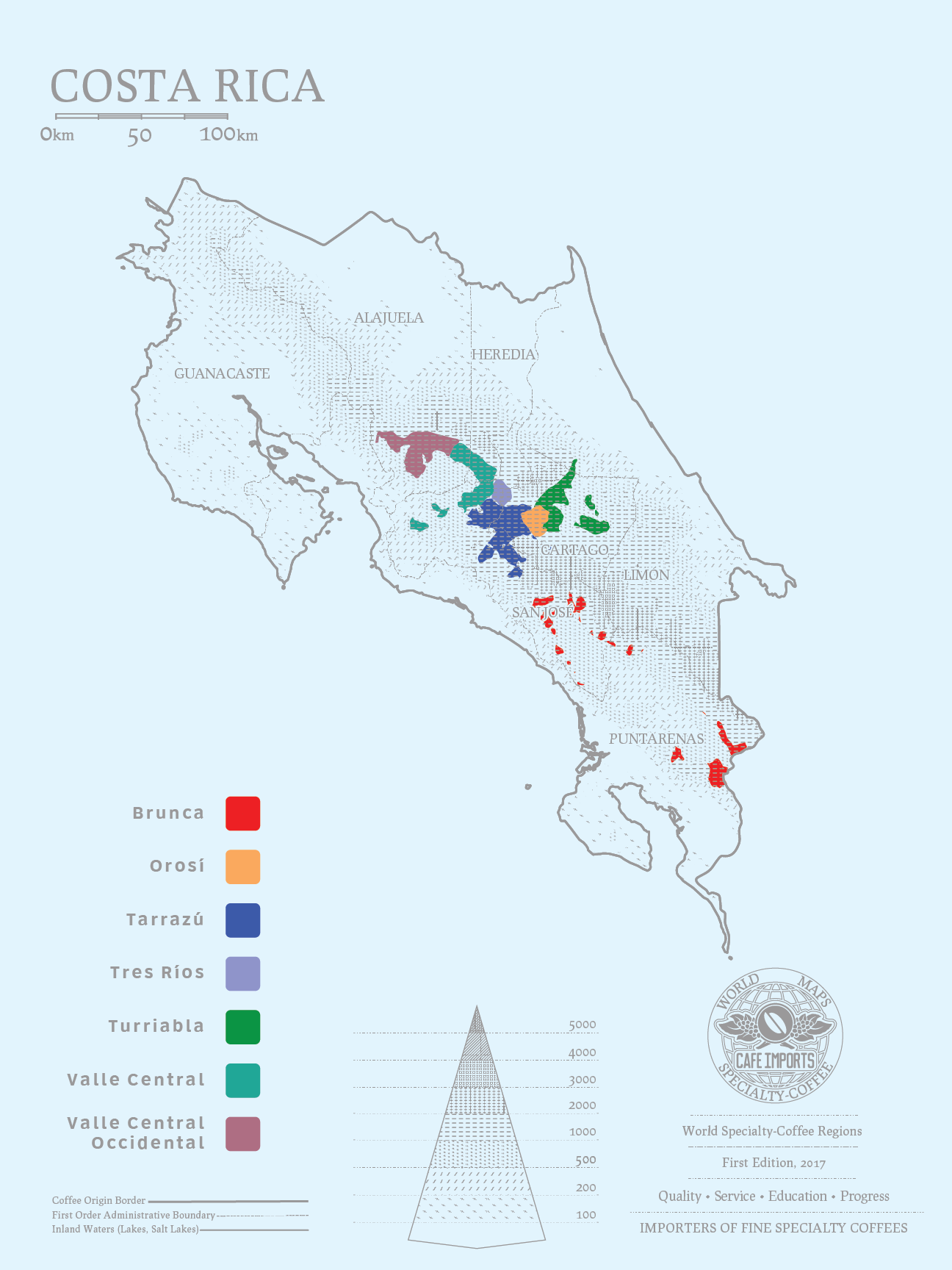
The seven major coffee-growing regions in Costa Rica each have their own distinctive characteristics — from the honey-chocolate notes of the Central Valley in the central region to the slow-ripened, rich fruitiness of the Western Valley. All benefit from a mild climate with average temperatures between 17–28°C and abundant rainfall of 2,000–3,000 mm. Especially in volcanic soil areas above 800 meters in elevation, which account for over 80% of the country’s coffee cultivation area, they provide an ideal environment for premium varieties such as Geisha.
It’s worth noting that Costa Rica is one of the few countries in the world with legislation ensuring the purity of Arabica. Since 1989, the planting of low-altitude varieties such as Robusta has been completely banned, and strict regulations are in place to ensure coffee quality. This commitment to quality has enabled the country’s coffee to consistently maintain a high standard of evaluation in the international market.
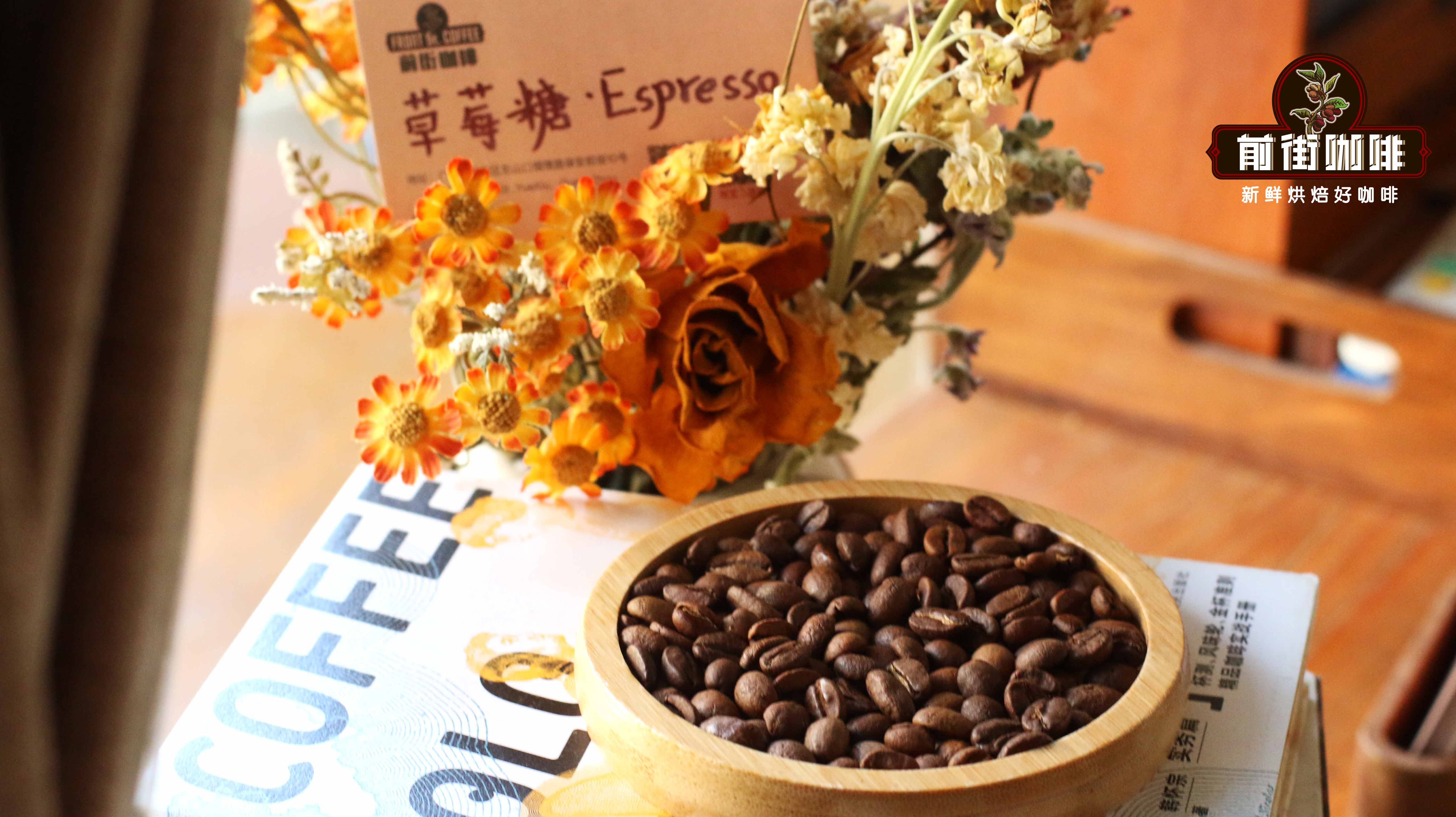
Focusing on Mirasu Estate in the Tarrazú region, the estate owner, Esteban Sanches, previously studied post-harvest coffee techniques at the well-known Hacienda La Mocha before establishing his own brand, named Mirazu, which means “overlooking Tarrazú.” The strawberry candy blend he introduced combines 50% auction-grade Geisha with locally adapted varieties such as ET47, SL28, and Maico. Through honey processing, it enhances the sweet foundation and creates a balanced floral-fruit flavor profile.
Although the Geisha content in this blend does not make up the entirety, due to the variety’s unique genetic traits of jasmine and lemongrass notes, it releases distinct berry and honey undertones under medium-light roasting. Compared to the tea-like expression of pure Geisha, the mixed-variety strategy results in a smoother overall mouthfeel, making it suitable for pour-over enthusiasts who prefer a sweeter flavor profile.
For this high-sweetness blend, professional baristas recommend using a high water temperature of 93°C with a Hario V60 dripper to accelerate the release of aromatic compounds while maintaining a balance between acidity and sweetness. The grind size is set to 80% passing through a Chinese standard No. 20 sieve (approximately the granularity of fine sugar), and the coffee-to-water ratio is strictly controlled at 1:15 to ensure sufficient extraction without over-extraction.
During actual operation, the first pour involves adding 30 grams of hot water for a 30-second bloom to activate the coffee grounds; then continue with a slow circular pour to reach 125 grams for the first stage, followed by a pause. After the flow stabilizes, the third pour adds 90 grams to reach a total of 225 grams. The entire process takes about 2 minutes. Be sure to maintain a consistent pouring height to avoid disturbing the coffee bed and affecting the flow rate.
Common pitfalls to note: excessively high water temperature (above 95°C) can turn berry flavors into burnt bitterness, while too coarse a grind may weaken the syrupy sweetness characteristic of honey processing. Beginners are advised to use a pour-over scale to monitor water volume and record actual extraction times to fine-tune parameters.
The above content is compiled by CoffeeHunters, a coffee news website.


