







Category: Coffee Knowledge
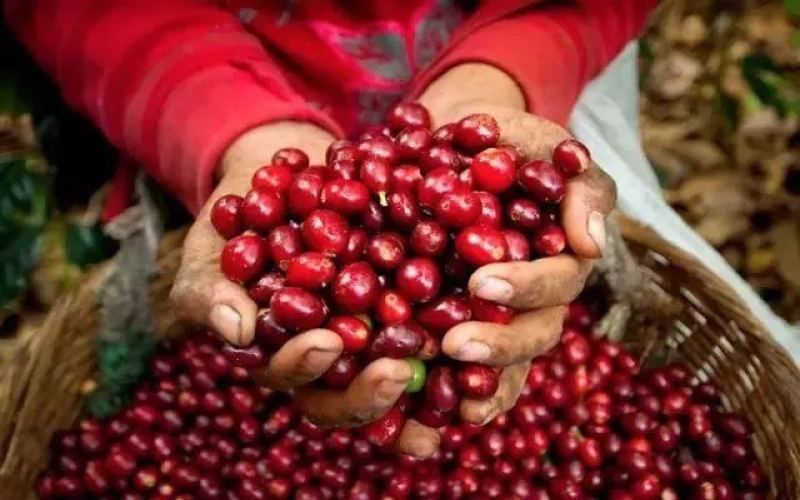
Panama Geisha Pour Over Guide | Drip Bag Brewing Techniques and Flavor Analysis
Dive deep into the origins, variety characteristics, and growing conditions of Panama Geisha coffee, and learn how to extract its captivating floral notes, fruity acidity, and tea-like aftertaste using both a three-stage pour over and drip bag methods. This guide provides complete parameter settings, practical steps, and precautions—whether at home or in the office, you can easily enjoy a high-quality cup of black Geisha coffee. [more…]
Ethiopia GuLaN Geisha Natural Sun-Dried Pour Over Brewing Guide: Parameter Settings & Flavor Extraction
Want to fully showcase at home the layered berry and tropical fruit flavors of the sun-dried natural Geisha coffee from Ethiopia’s GuLaN Estate? This guide dives deep into the pour over brewing techniques for this medium-light roasted bean — covering grind size, coffee-to-water ratio, water temperature, and brewing details — to help you master the key parameters and consistently extract its captivating strawberry jam, apricot, and brown sugar finish. Even beginners can get the hang of it with ease. [more…]
Front Street Coffee's Guide to Pour Over Brewing with Ethiopian Native Geisha: A Complete Tutorial from Flavor Profile to Optimal Extraction Parameters
This pour over brewing guide takes an in-depth look at the naturally processed Ethiopian Geisha beans from Granja Estate in the Guji region. We explore everything from the terroir and processing method to the intricate flavor profile, helping you understand the unique charm of these beans. We also provide practical pour over brewing recommendations, including grind size, coffee-to-water ratio, water temperature, and dose settings, to help you easily extract layered notes of berries, tropical fruits, and a honeyed finish. [more…]
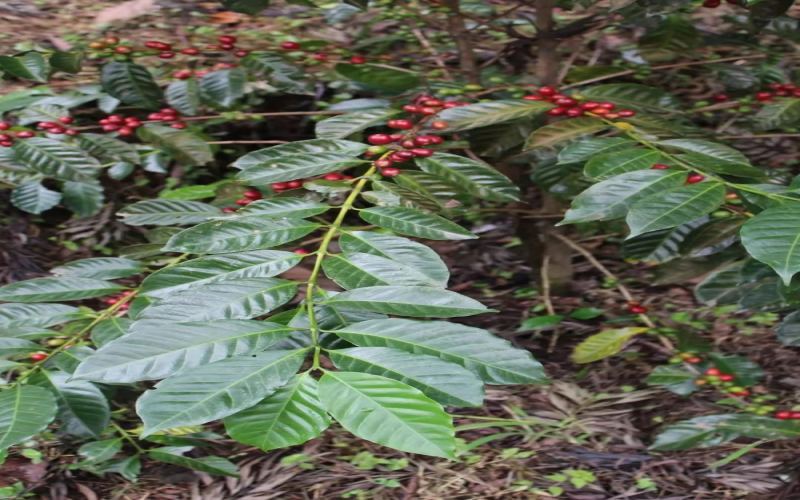
Panama vs. Ethiopia Gesha Village: A Complete Guide to Varietal Origins, Flavor Profiles, and Pour Over Recommendations
Geisha coffee was first discovered in 1931 in the Gesha forest of Ethiopia. After traveling through various regions, it eventually shone brightly in Panama. However, despite sharing the same name, Geisha from Panama and that from Ethiopia’s Gesha Village exhibit stark differences in flavor, growing environment, and brewing techniques. This article will delve into the varietal background, regional characteristics, flavor profiles, and pour over recommendations for Geisha from both regions, helping you better appreciate the unique charm of this renowned coffee from these two prestigious origins. [more…]
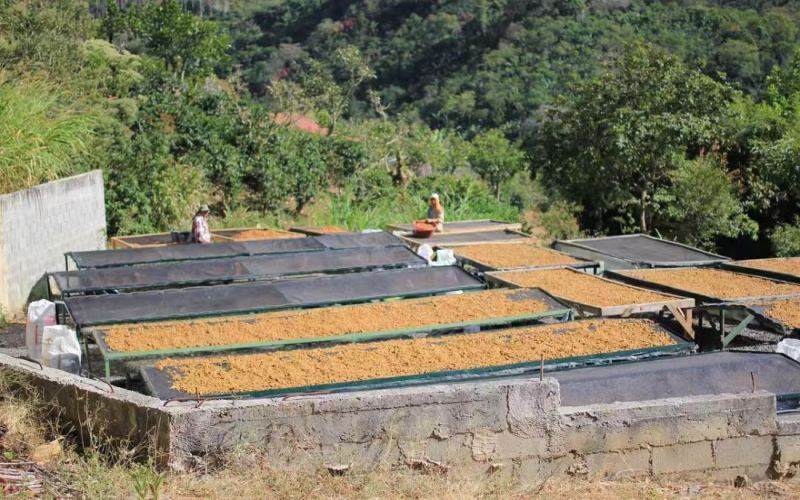
Flavor Comparison and Pour Over Recommendations for Two Classic Processing Methods from Costa Rica’s Tarrazú Region
Renowned for its high altitudes and volcanic soils, Costa Rica’s Tarrazú region produces numerous specialty coffees with distinctive flavors. This article provides an in-depth analysis of two classic beans: the Red Honey processed Catuaí from Finca Tobosi and the Washed Catuaí from Finca Canet. From regional environment and processing techniques, to roast profiles, cupping notes, and pour over parameters, we explore how different processing methods influence a coffee’s sweetness, acidity, and body—along with practical extraction tips to help you better appreciate the diversity of Tarrazú coffees. [more…]

The Complete Guide to Jamaican Blue Mountain Coffee: From Planting to Brewing | CIB Certification | Three Major Growing Regions | How to Identify Authenticity | Pour Over Parameters
Jamaican Blue Mountain coffee is hailed as one of the world’s finest coffees, yet the market is flooded with products claiming to be “Blue Mountain,” making it hard to distinguish the real from the fake. What makes Blue Mountain coffee so unique? How does the CIB (Jamaica Coffee Industry Board) ensure its quality? This article will delve into the history, geographical conditions, washed processing methods, the three legally defined growing regions, grading system, coffee variety characteristics, tips for identifying authenticity, as well as practical pour over recommendations and roasting essentials — helping you gain an in-depth understanding. [more…]
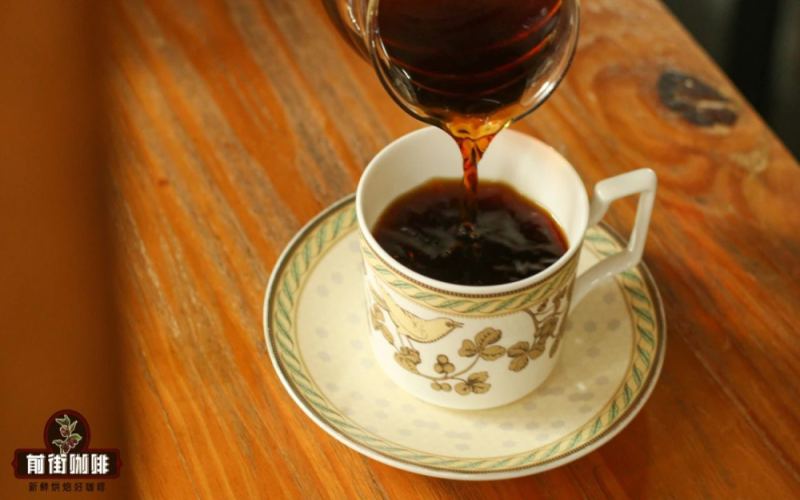
Jamaica Blue Mountain Pour Over Guide: Secrets to Non-Acidic Flavor from Stoneham Estate & 88°C Brewing Method
Jamaica Blue Mountain coffee is renowned for its delicate balance, but many pour over enthusiasts often find their home-brewed versions too acidic or lacking in flavor. This article delves into the background of Stoneham Estate—one of the four major Blue Mountain estates—and helps you understand the origins of its unique flavor profile. It also offers professional-grade pour over advice, including filter dripper selection, water temperature control, and three-stage pouring techniques, teaching you how to brew a rich, non-acidic classic Blue Mountain cup. [more…]
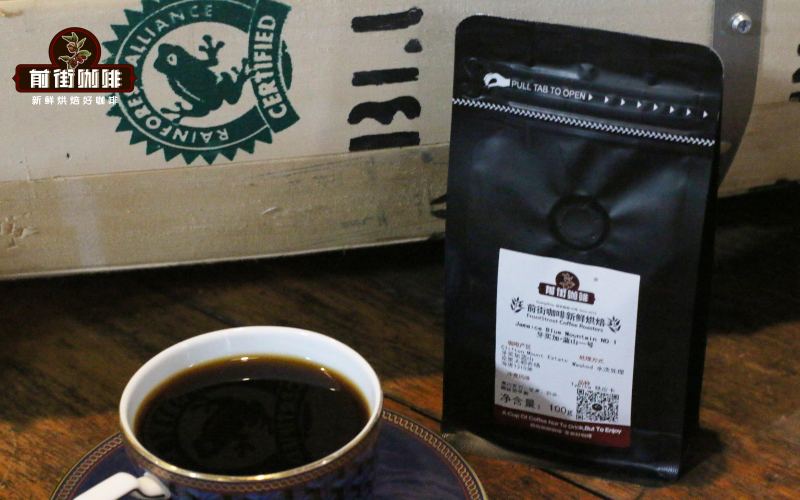
Jamaica Blue Mountain Pour Over Tutorial: Brewing Parameters and Flavor Profile of Clifton Estate Blue Mountain No. 1
Renowned worldwide for its delicate smoothness and gentle acidity, Jamaica Blue Mountain coffee sees the Clifton Estate as one of its most iconic producing regions. This article delves into the division of the Blue Mountain coffee region, the cultivation and processing methods of the Clifton Estate, the official CIB certification standards, and shares practical tips for brewing Blue Mountain No. 1 via pour over — including filter choice, water temperature control, grind size recommendations, and a three-stage pouring method — to help you brew professional-grade, low-acid and rich Blue Mountain flavor at home. [more…]
Jamaica Blue Mountain No.1 Certification Guide | Pour Over Parameters & Flavor Profile, From Region to Brewing in One Go
Jamaica Blue Mountain coffee is world-renowned for its rarity and elegant flavor profile, and among them, the Jamaica Blue Mountain No.1 certified by the Jamaica Coffee Industry Board (CIB) stands as the pinnacle of the specialty coffee market. This article delves into the official certification standards of Blue Mountain No.1, the grading differences compared to High Mountain and regular Jamaican coffee, introduces the backgrounds of major producers, and provides practical extraction parameters for pour over and other brewing methods. Paired with detailed flavor descriptions, it helps you fully understand this legendary coffee. [more…]
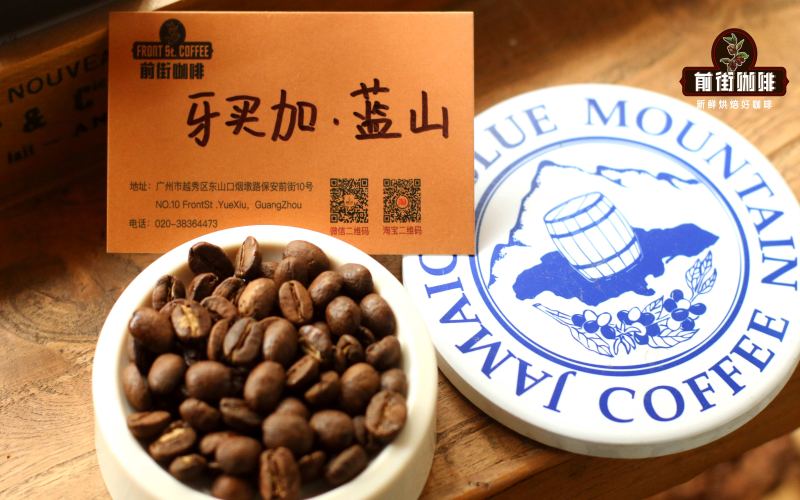
Jamaica Blue Mountain Coffee: Identification & Pour Over Guide – From Certificates to Three-Pour Technique
The market is flooded with coffee products labeled “Blue Mountain,” but authentic beans from Jamaica’s Blue Mountain range are few and far between. This guide will teach you how to distinguish genuine Jamaica Blue Mountain coffee through three key aspects: certification documents, raw bean appearance, and flavor characteristics. Additionally, we provide a set of pour over parameters and a three-pour technique tailored for medium-dark roasted Blue Mountain beans, covering filter choice, grind size, water temperature control, and coffee-to-water ratio — helping you easily extract a brew that balances rich body, caramel sweetness, and [more…]
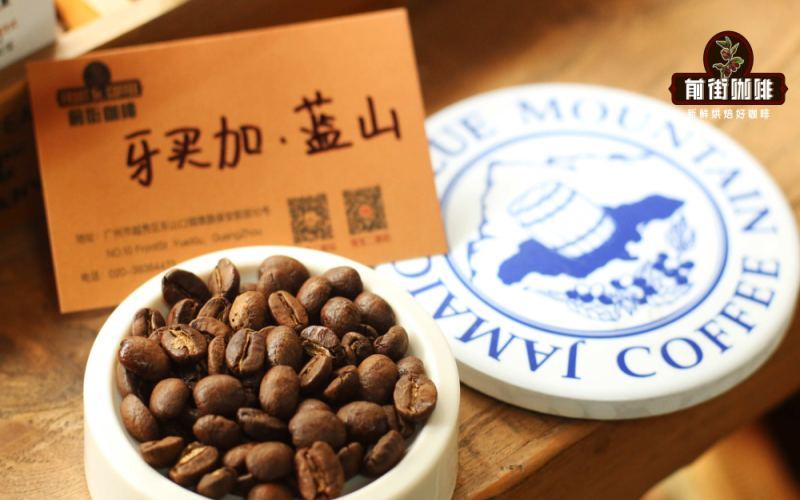
Jamaica Blue Mountain Coffee Pour Over Guide: A Complete Breakdown from Grinding to Flavor
Jamaica Blue Mountain coffee is hailed as the pinnacle benchmark in the coffee world, renowned for its rich, balanced, and layered flavors. However, only the correct brewing method can unlock its true potential. This article will delve into the characteristics of Blue Mountain No. 1, including the advantages of washed processing, grind size settings during pour over, optimal water temperature, filter choice, coffee-to-water ratio, and pulse pouring techniques—to help you master the essentials of brewing this rare coffee and enjoy a cup of Jamaica Blue Mountain pour over with deep flavor and lasting aroma. [more…]
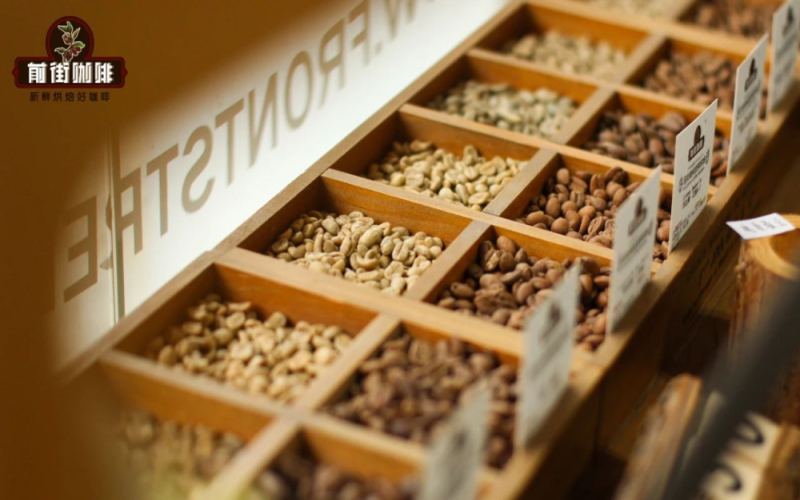
Complete Guide to Coffee Bean Varieties: Flavor Analysis of Arabica, Robusta, and Rare Mutations
Delve into the main varieties and mutations of coffee beans, from the classic Arabica and Robusta to Jamaican Blue Mountain, Hawaiian Kona, as well as specialty coffee types such as Bourbon, SL28, and Geisha. Understand their origins, flavor characteristics, recommended brewing methods, and selection tips to help you find the coffee beans that best suit your taste. [more…]

The Ultimate Guide to Ethiopian Gesha Village Coffee Beans: How to Choose Between Red and Gold Labels? Varieties and Processing Methods Explained
Although the fame of Gesha (Geisha) coffee originated in Panama, its original variety actually comes from Ethiopia. As the most representative Gesha-producing region in Ethiopia, Gesha Village boasts a unique geographical environment and varietal resources. This article will delve into the Red and Gold label grades of Gesha Village, introduce the three major varieties — Gesha 1931, Gori Gesha, and Illubabor — as well as its grading system and distinctive flavor profiles, helping coffee enthusiasts gain a comprehensive understanding of Gesha Village beans and master [more…]
Unveiling the Planting and Processing of Geisha at Elida Estate in Panama | Flavor Analysis of High-Altitude Pour Over Coffee Beans
Elida Estate in Panama is renowned for its exceptional geographical environment and rigorous planting and post-harvest processing techniques, making it one of the top regions that specialty coffee enthusiasts shouldn’t miss. This article will delve into the microclimate, altitude conditions, coffee variety characteristics, strict harvesting standards, as well as the unique green bean processing and aging methods of the estate. It will also analyze the origins of its captivating berry, umami, and complex fruity flavors, while providing practical siphon and pour over recommendation parameters to help you fully [more…]
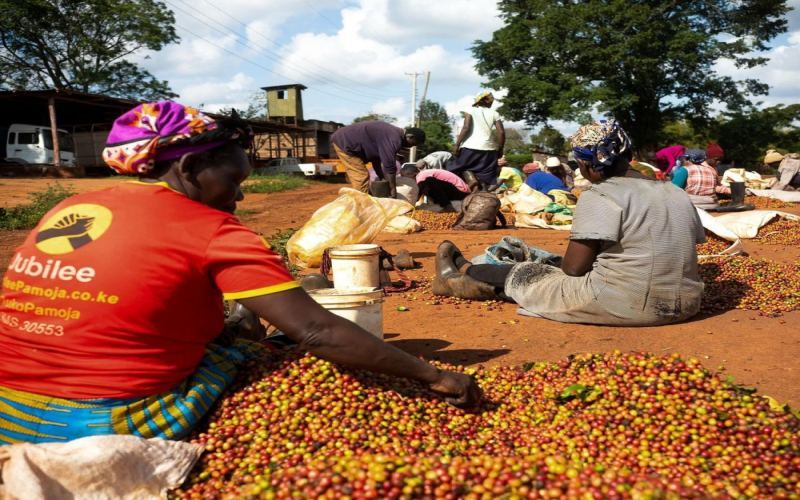
In-depth Analysis of Kenya’s Three Classic Coffee Beans: Pour Over Parameters and Flavor Differences – A Complete Guide
Want to explore the diverse flavors of Kenyan coffee? This article provides a detailed breakdown of three representative Kenyan coffee beans from Karogoto, Athi River, and Hania. It compares their growing regions, altitude, coffee variety characteristics, processing methods, and roasting profiles one by one. It also offers unified and practical pour over extraction recommendations to help you find your ideal Kenyan specialty coffee experience based on personal taste preferences. [more…]
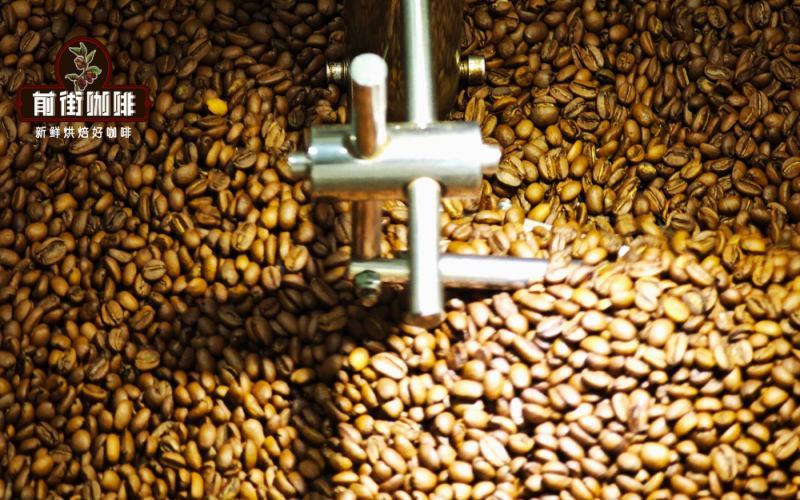
Yirgacheffe Worka Red Cherry Roasting Practical Guide: Japanese Slow Roast vs Nordic Fast Roast Flavor Analysis
This article takes Yirgacheffe Worka Red Cherry as an example to deeply compare the practical techniques of the two major roasting schools: Japanese slow roast and Nordic fast roast. From the processing background of the green beans, roast curve settings, differences in roasted bean appearance, to cupping flavor performance, it provides a detailed analysis of the key differences between the two methods in terms of air damper and heat adjustment, temperature rise rhythm, and the proportion of development time. It also offers practical references to help coffee enthusiasts understand how different roasting styles influence the final flavor. [more…]
Japanese Slow Roast vs Nordic Fast Roast: A Complete Analysis of Flavor Differences in Yirgacheffe Red Cherry
Do you want to understand how Japanese slow roast and Nordic fast roast influence the flavor of the same Yirgacheffe Red Cherry coffee beans? This article provides an in-depth analysis of the differences between the two roasting methods by comparing actual roasting curves, focusing on key parameters such as charge temperature, heat control, and development phase. From the appearance of roasted beans, ground coffee color, to cupping performance, we’ll guide you through how different roasting philosophies shape the aroma, acidity-sweetness balance, and flavor layers of coffee. Whether you’re a roasting enthusiast or a pour over lover, you’ll gain valuable insights. [more…]
A Comprehensive Guide to Jamaican Blue Mountain Coffee: Grades, Authenticity, and Pour Over Recommendations
As one of the world’s top-tier coffees, Jamaican Blue Mountain has long been renowned for its high price and rarity—qualities that have also led to a market flooded with counterfeits and misconceptions. This article delves into the official grading system of Blue Mountain coffee, analyzing the differences between NO.1, NO.2, NO.3, and PB. It also clarifies the geographic and quality distinctions among Blue Mountain, High Mountain, and regular Jamaican coffee. Furthermore, it details the traditional green bean processing procedures, explains the significance of the Rainforest Alliance Frog Seal certification, and provides expert pour over parameters along with authentic flavor descriptions. [more…]
Yunnan Catimor vs. Typica Pour Over Comparison: From Variety, Roasting to Optimal Extraction Parameters
As an important origin of specialty coffee in China, Yunnan’s Catimor and Typica varieties each offer unique characteristics in pour over brewing. This article delves into the flavor differences between the two by examining regional terroir, variety background, processing methods, roasting profiles, and multiple pour over experiments. It also provides practical brewing suggestions and parameter adjustment tips to help coffee enthusiasts more accurately appreciate the potential and distinctiveness of Yunnan coffee. [more…]

Low-Acid Black Coffee Recommendation: Flavor Profile & Brewing Guide for Brazil Yellow Bourbon & Dark Cocoa Blend
Looking for a non-acidic black coffee? This article dives deep into the Brazil Yellow Bourbon & Dark Cocoa blend — two medium-dark roasted beans. We explore everything from bean variety traits, growing altitude, processing methods, to roast levels, to show you how they deliver low acidity with rich notes of nutty creaminess and chocolate. Whether using a moka pot, espresso machine, or pour over, you can easily extract a balanced flavor. Perfect for coffee beginners and everyday drinkers. [more…]