







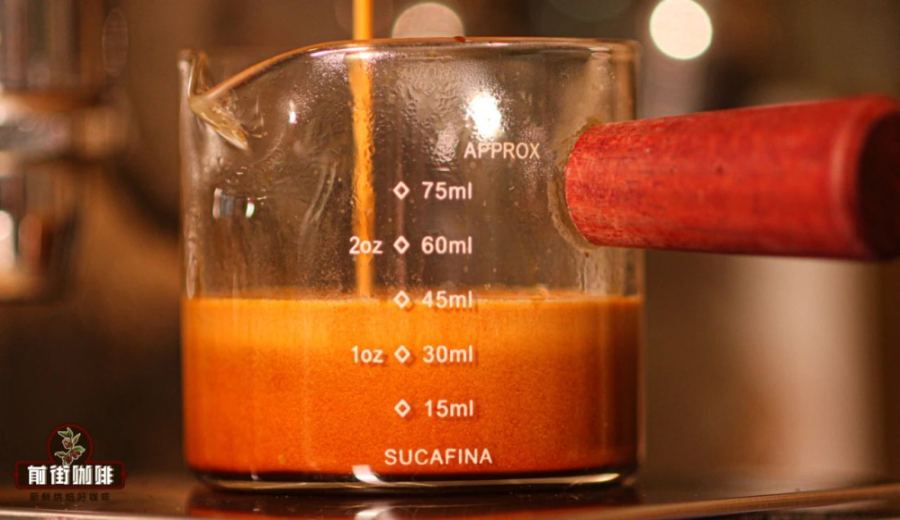
Introduction:Is that mesmerizing golden crema on top of espresso the exclusive skill of dark roasts, or can Arabica beans also achieve it? In fact, the richness of crema hinges on four key factors: the amount of carbon dioxide released, the degree of roast, the genetic traits of the bean variety, and freshness. This article will delve into how these elements influence crema formation, explain why “freshly roasted = best crema” is a common misconception, and share blending ratios and practical advice to help you pursue ideal crema and flavor balance more scientifically.
The delicate, golden, and velvety layer of crema on the surface of espresso always leaves a strong first impression. Many coffee enthusiasts often use the thickness of crema as a benchmark when selecting espresso blends. However, the amount of crema is not exclusive to dark roasts, nor is it entirely determined by the bean variety. This article will break down the core elements affecting crema richness from four key aspects—carbon dioxide content, roast level, bean characteristics, and freshness—and clarify some common myths, such as why freshly roasted beans don’t necessarily yield the best extraction results. It will also share practical experiences in blending and roasting management to give you a more comprehensive understanding of the relationship between crema and overall flavor.
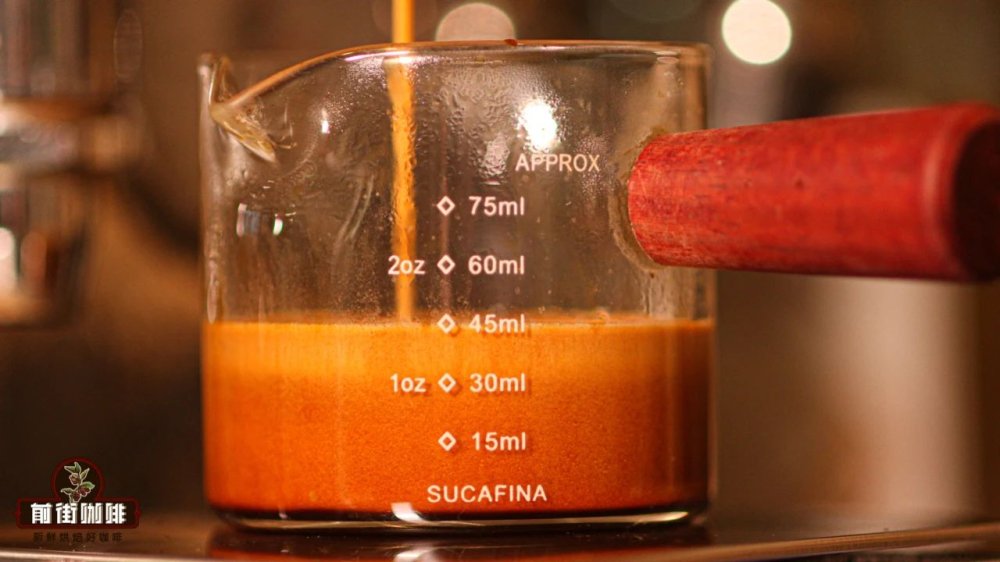
The performance of crema is most directly influenced by the amount of residual carbon dioxide in the coffee beans. When coffee beans accumulate sufficient gases during roasting, these gases, under appropriate extraction pressure and temperature conditions, push the oils out to form the stunning crema on the surface of espresso. Therefore, the thickness of crema is actually a tangible representation of carbon dioxide release, rather than the sole indicator of flavor quality. As long as you use coffee beans containing enough carbon dioxide, you can usually extract a relatively rich layer of crema.
And this carbon dioxide content is first and foremost significantly affected by the roast level.The darker the roast, the more the beans expand, and the more carbon dioxide they can retain internally.. Observing the blooming stage of pour over coffee reveals that dark roast beans often expand more dramatically, with significantly larger blooms than light roast beans. Additionally, as roasting time extends and temperatures rise, the oils released from the bean surface gradually increase, resulting in a more stable and enduring crema structure during extraction, making the espresso crema appear thicker and more layered.
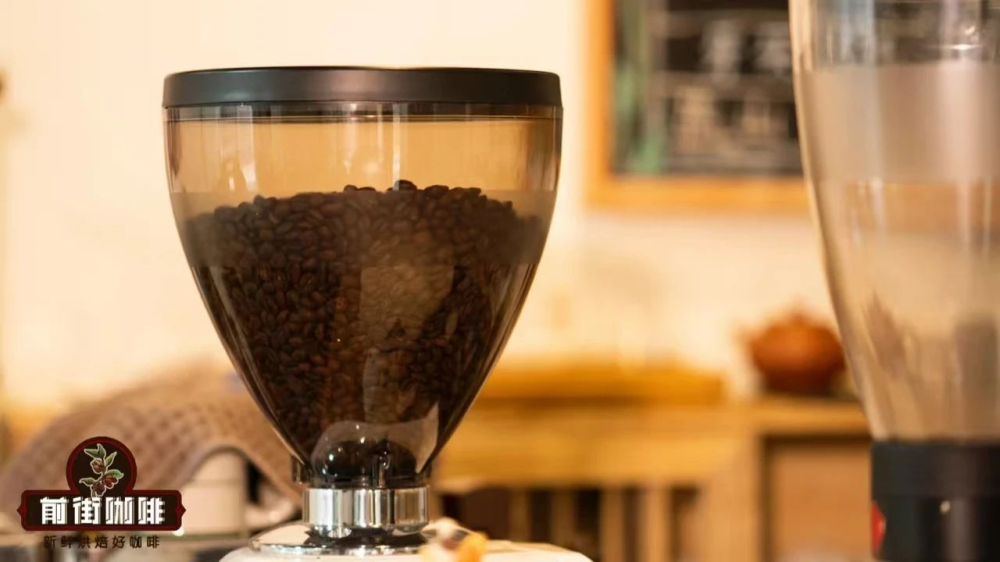
If you want to further enhance crema performance, you might consider including a certain proportion of Robusta beans in your blend.Under the same roasting conditions, Robusta beans naturally have a higher oil content than Arabica beans, which is closely related to their genetic makeup. Although Robusta flavors are typically bolder, with a heavier body and intense mouthfeel, when used in moderation, a small amount of Robusta can significantly improve crema texture and overall body. For example, some classic Italian blends combine Indonesian Mandheling, Brazilian beans, and a small amount of Robusta, not only delivering rich aromas but also effectively enhancing crema richness and stability—perfect for home espresso machines, commercial use, or latte art practice.
If you prefer a more balanced taste and cost-effective option, many baristas recommend blends based on Central and South American beans and Yunnan small-bean varieties. These beans typically feature aroma profiles of toasted bread, nuts, and caramel, while subtle fruit acidity adjusts the overall flavor, making the espresso smooth yet layered—suitable for daily drinking and meeting the needs of stable extraction.
Besides the above factors,the freshness of coffee beans also has a crucial impact on crema performance. From the moment of roasting completion, the carbon dioxide and volatile aromatic compounds inside the beans gradually dissipate. Therefore, coffee beans closer to their roast date usually retain more carbon dioxide, leading to a richer crema layer during extraction. However, this does not mean “the fresher, the better.” In the first few days after roasting, the large amount of carbon dioxide in the beans dissolves into the oils, forming crema that may look thick but is actually coarse and unstable. Such crema not only tends to collapse quickly but may also mask the true flavor of the coffee.
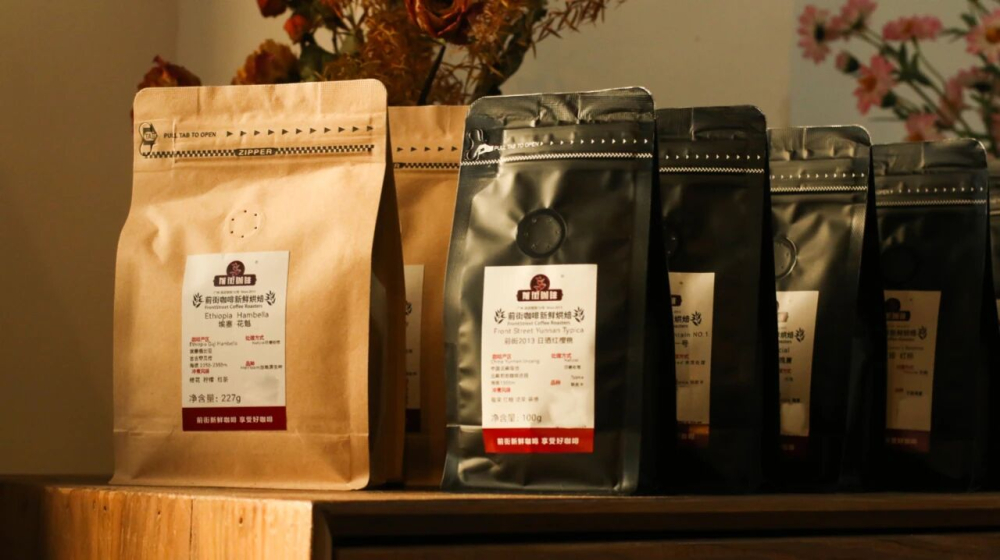
Therefore, many professional coffee shops recommend that newly roasted beans undergo an appropriate “resting period,” allowing the internal gases to gradually stabilize—typically waiting around 5 days. This not only results in more stable crema performance but also brings clearer and rounder overall coffee flavors. If you’ve just purchased a batch of freshly roasted espresso beans, try letting them rest for a few days before extraction—you’ll often notice a significant difference in flavor compared to when first opened, signaling that the beans have entered their optimal drinking window.
The above content is compiled by CoffeeHunters, a coffee news website.


