








Introduction:Delve into two flagship coffees from Panama’s Elida Estate—anaerobically fermented natural Geisha and natural Typica. This comprehensive guide explores everything from the growing region, variety characteristics, processing methods, to roasting recommendations and home brewing techniques, fully analyzing their flavor profiles and brewing essentials. It also includes practical steps for making cold brew, allowing you to easily enjoy a layered, fruity Geisha iced coffee at home.
Nestled in Panama’s renowned specialty coffee region—Boquete, the Elida Estate has long been a top contender in international coffee competitions, thanks to its exceptional altitude and microclimate. Established in 1918, this estate boasts spectacular volcanic landscapes and fertile soils. Through years of meticulous cultivation, it has developed a range of notable coffee varieties, among which Geisha and Typica are the most representative.
This article will focus on two highly representative coffees from Elida Estate—the anaerobically fermented, low-temperature slow natural Geisha, and the traditional natural Typica. We’ll discuss everything from the regional background, variety origins, and processing techniques, to roast profiles, cupping flavors, and home brewing suggestions. We’ll also share a practical method for making iced Geisha, giving you a full understanding of the secrets behind these two high-altitude coffees.
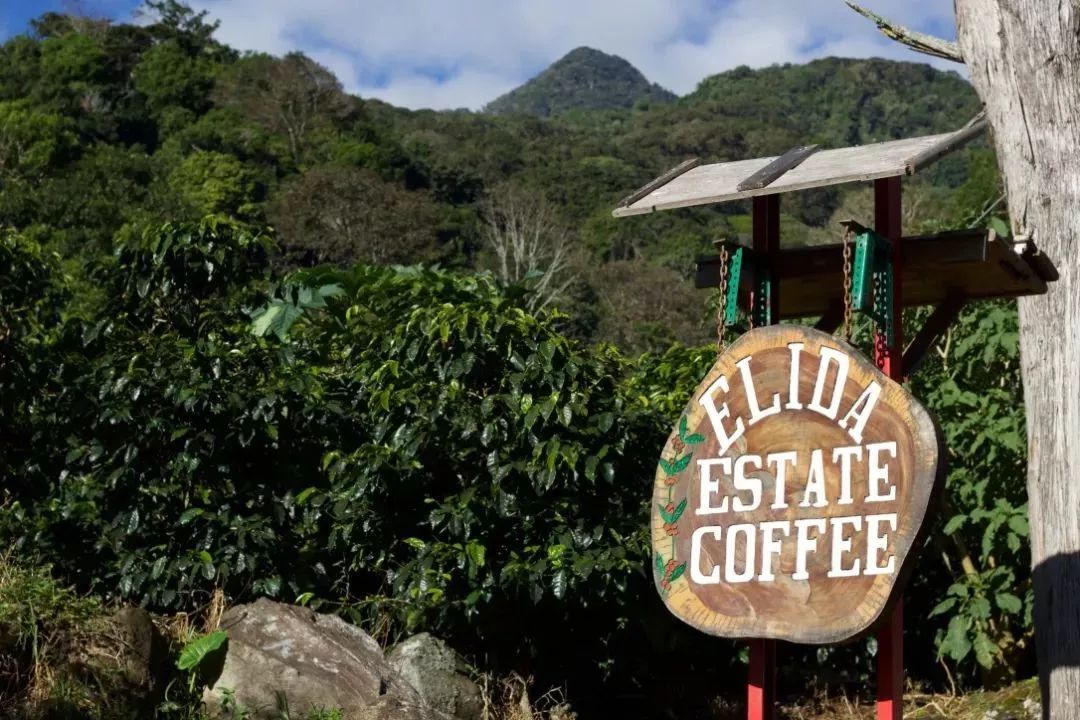
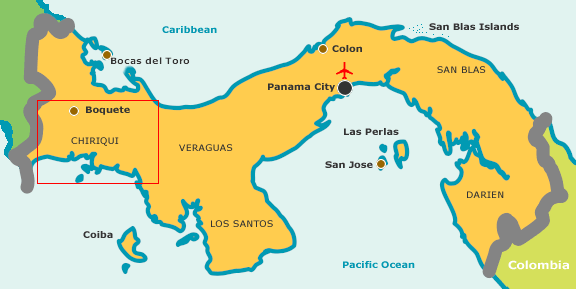
The Elida Estate is located in Boquete, in the Chiriquí Province of western Panama, bordering Costa Rica and adjacent to the 3,475-meter-high Barú Volcano. Its unique geographical location brings diverse microclimates. The high altitude and cool climate extend the ripening period of coffee cherries, while the fertile volcanic soil contributes to the bright acidity and complex aroma layers of the coffee—making it one of Panama’s important specialty coffee regions.
Covering an area of 65 hectares, over half of the Elida Estate lies within the boundaries of the Barú Volcano National Park, with approximately 30 hectares dedicated to coffee cultivation. The coffee is grown at altitudes ranging from 1,670 to 1,850 meters, making it one of the highest-altitude coffee-growing areas in Panama. The region’s unique microclimate, high elevation, and carefully selected varieties have earned the Elida Estate numerous accolades in international evaluations and the Best of Panama (BOP) competition.

The Elida Estate primarily grows three varieties: Geisha, Typica, and Catuai. Among them, Geisha is highly sought after by coffee enthusiasts worldwide for its distinctive citrus, floral, and tropical fruit notes. This anaerobically fermented, low-temperature slow natural Geisha uses ripe coffee cherries that undergo sealed fermentation for 4–5 days, followed by slow drying at low temperatures. The fermentation process, driven by microbial activity, produces rich fruity and sweet flavors, which are further enhanced by over five months of low-temperature resting (Resting), resulting in a more rounded and balanced cup.
In contrast, the natural Typica showcases another classic profile. As one of the oldest Arabica varieties, Typica features slender beans and an elegant acidity. Although it has lower yields and weaker disease resistance, its fresh citrus and green tea base, paired with the caramel, roasted almond, and fermented wine notes brought out by the natural process, achieve an excellent balance between sweetness and complexity.
Regarding processing methods, in addition to traditional natural processing, Elida Estate has recently won the BOP Geisha Processing Category Championship with its anaerobically fermented, low-temperature slow natural technique. This method involves sealing freshly harvested coffee cherries in airtight containers for 4–5 days of anaerobic fermentation, followed by slow drying on raised beds. By strictly controlling the drying rate and environmental conditions, it produces more intense and layered fruity and sweet flavors. This technique is not only time-consuming but also demands high standards in climate and management, resulting in limited production—but often superior flavor performance.
For roasting recommendations, Elida Geisha, with its slender bean shape and medium density, is suited for light roasting. It’s advised to open the air vent when the beans turn yellow to promote the release of fermentation aromas, and continue development for about 1 minute and 45 seconds after first crack, with a drop temperature of around 194.5°C to preserve its bright acidity and floral-fruity character. As for Typica, a light-to-medium roast is recommended. A slightly lower charge temperature helps highlight its smooth and mellow qualities, and careful control of heat after first crack is advised to avoid excessive development that could lead to astringency. A drop temperature of around 190°C is ideal.

In cupping, the Elida anaerobically fermented Geisha exhibits pronounced floral and berry aromas. On the palate, flavors of grapefruit, guava, pomelo, and other fruits intermingle, accompanied by a honey-like and creamy mouthfeel, with a clean finish and a hint of black tea aroma. The natural Typica, on the other hand, offers caramel and roasted almond dry fragrance, with brewed notes of peach, raisin, and melon, alongside a refreshing green tea and cane sugar finish. Overall, it presents a clean and well-layered profile.
For brewing parameters, it’s recommended to use a V60 dripper, with water at around 90°C, a coffee-to-water ratio of 1:15, and a grind size of 80% passing through a #20 sieve. Employ a three-pour method: start with 30 grams of water for a 30-second bloom, then add 95 grams, wait for the water level to drop, and pour up to 225 grams before finishing extraction. Total brew time is about 2 minutes. These parameters fully highlight the aroma and flavor layers of both Geisha and Typica.
Additionally, with summer arriving, many coffee lovers prefer to enjoy high-altitude Geisha through cold brew for a juice-like, refreshing iced coffee. Take the Elida natural Geisha as an example: use 50 grams of coffee grounds with 600 milliliters of room-temperature water, at a 1:12 coffee-to-water ratio. Combine the grounds and water in a sealed bottle, shake well, then refrigerate for 8 to 12 hours before filtering. This method evenly extracts the coffee’s sweetness and fruity notes, and the natural presence of fine particles and oils gives the drink a richer mouthfeel and fuller flavor.
In summary, Elida Estate’s Geisha and Typica not only showcase the extraordinary potential of Panama’s high-altitude coffee, but also highlight the unique personalities of different processing methods and varieties. Whether you prefer the fruit-forward Geisha or the delicate and balanced Typica, mastering the right roasting, grinding, and brewing techniques will allow you to recreate a professional-grade coffee experience at home.
The above content is compiled by CoffeeHunters, a coffee news website.


