







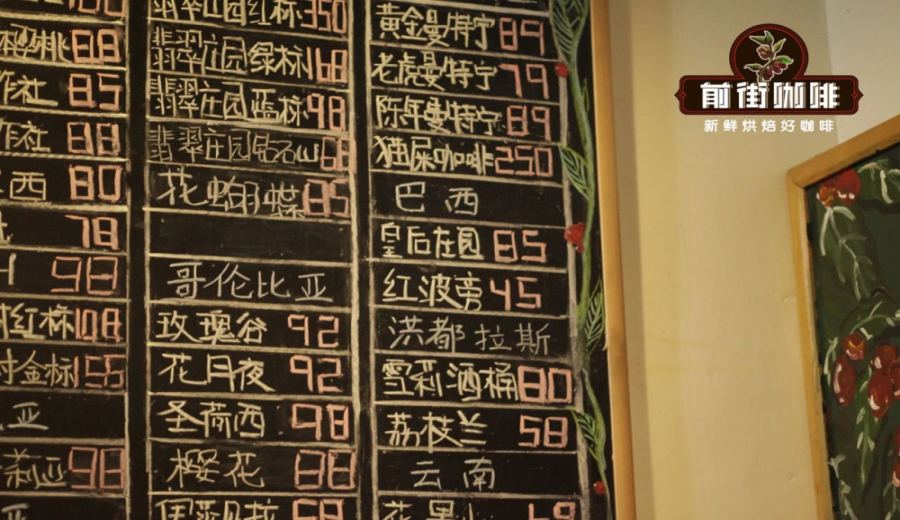
Introduction:Want to brew a Panama Green Label Geisha at home with bright fruity acidity and citrus aromas? This high-altitude washed coffee from La Esmeralda Estate is renowned for its lemon, berry, and Tieguanyin tea notes. This article details its regional background, processing characteristics, and offers practical pour over parameters, including optimal water temperature, brew ratio, and a three-step pouring technique to help you master extraction essentials and recreate the Geisha’s captivatingly fresh layers.
Panama La Esmeralda’s Green Label Geisha is a classic representation of the refreshing flavor profile many coffee enthusiasts love. These coffee beans mainly come from the Jaramillo and Cañas Verdes plots, grown at altitudes between 1600 and 1800 meters. Thanks to the washed process, they exhibit bright lemon, berry, and pomelo aromas, along with a unique hint of Tieguanyin tea. Ideal for those who enjoy crisp fruit acidity and delicate mouthfeel.
Region and grading systemare the first steps to understanding Green Label Geisha. Since winning the Best of Panama competition in 2004, La Esmeralda Estate has become a key promoter of the Geisha variety and was the first to establish a rigorous grading system. The estate’s Geisha growing areas are mainly divided into three blocks: Cañas Verdes, Jaramillo, and El Velo (Veil), each further subdivided into smaller sections to ensure traceability. Among them, Jaramillo, with its high altitude and unique microclimate, is regarded as the birthplace and cultivation sanctuary of Geisha and the origin of most top-tier Geisha beans.
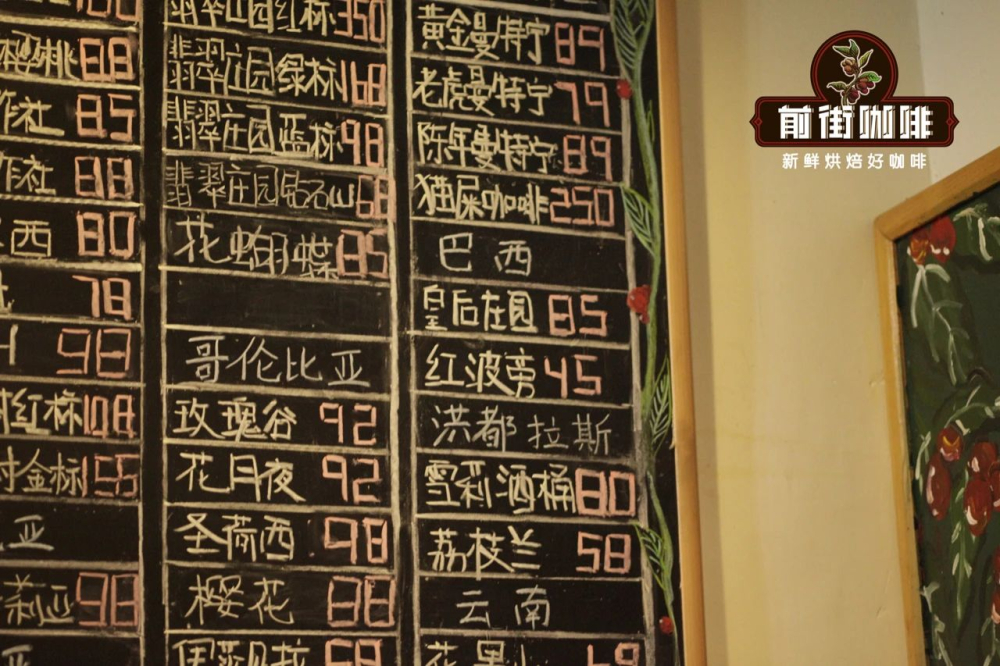
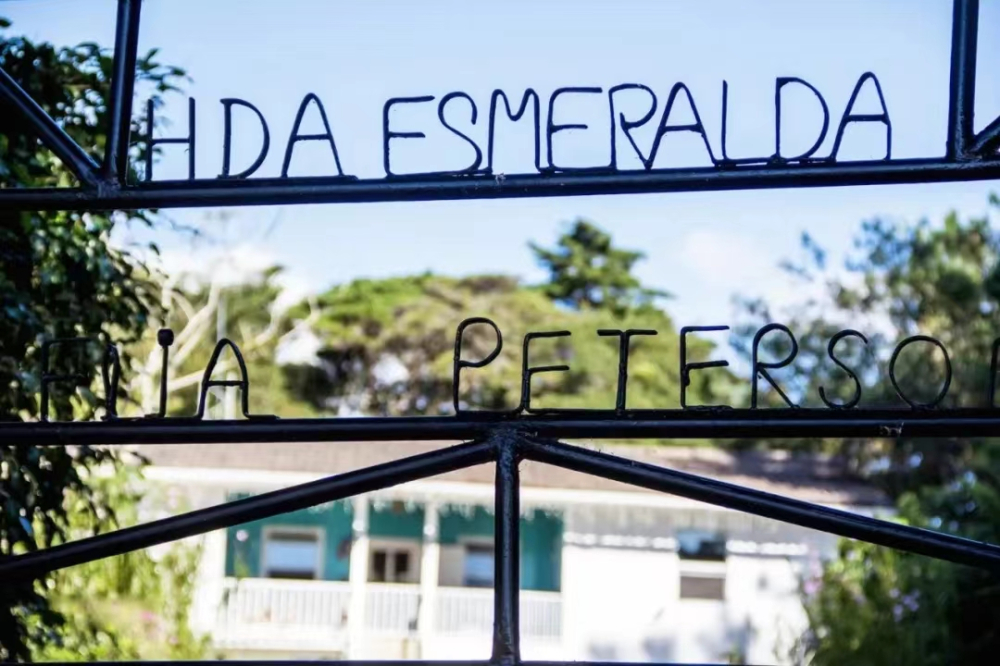
Based on cupping results and regional characteristics, La Esmeralda classifies its Geisha into three series: Red Label, Green Label, and Blue Label. The Red Label is auction-grade, sourced from single estates and offering the most complex flavors;the Green Label belongs to the PRIVATE COLLECTIONtier. Although not publicly auctioned, it retains the classic characteristics of high-altitude Geisha. The Green Label beans mainly come from Jaramillo and Cañas Verdes. Though specific subplots are not indicated, cuppings often reveal clear lemon, berry, and subtle tea notes, making it highly suitable for pour over brewing.
In terms of processing, the Green Label Geisha uses the washed method, which effectively enhances the clarity of acidity and the purity of aroma. After harvesting, the coffee cherries undergo floatation to remove unripe or overripe fruits, keeping only those with the best density. The pulp is then removed manually, followed by fermentation to eliminate mucilage, and finally the beans are dried to about 11% moisture content. This process results in a coffee liquid that showcases brighter, more layered fruity and citrus tones.

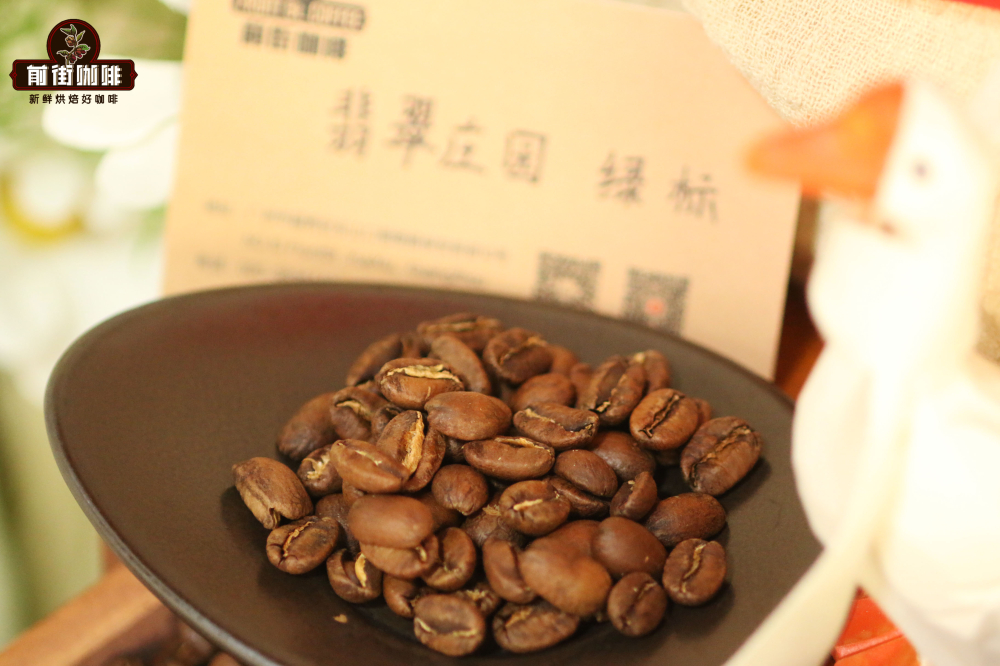
To fully highlight the floral notes and high-altitude characteristics of the Green Label Geisha,the industry adopts a light roastto preserve more of the original flavors. While light roasting maintains the bean’s firm texture and vibrant acidity, it also places higher demands on brewing techniques. To improve extraction efficiency while avoiding over-extraction, it is recommended to use a V60 filter with precise brew ratio and water temperature control for the best balance.
Below are thebattle-testedGreen Label Geisha pour over recommendations:91-92°CUsing a V60 filter, set the water temperature between15 gramsof coffee, with a brew ratio of1:16(i.e., total brew water of 240 grams), and a grind size suggested asfine sugar-like (about 80% through a #20 sieve). This grind size ensures moderate flow rate and full flavor release.
During actual brewing, it is recommended to usea three-step pouring methodto stabilize the extraction rhythm and enhance flavor layering. First, place 15 grams of coffee grounds in the filter, gently shake to level, then pour30 grams of hot water for bloomingfor about 30 seconds. It is advised to use a small stream and circle slowly from the center outward to ensure all grounds are evenly saturated. Blooming helps eliminate off-flavors and aids subsequent flavor expression.
Next comesthe second pour, where slightly more water is poured at a slightly larger flow rate—120 grams, aiming for a cumulative total of 150 grams by around 55 seconds into the brew. Keep the water column vertical and flow consistent to allow even penetration through the coffee bed, enhancing overall extraction efficiency.
Finally, forthe third pour, when the liquid level drops to about half the height of the coffee bed, begin pouring the final90 grams, bringing the total to 240 grams. For this stage, use an even smaller stream and control the circle’s range to avoid excessive agitation, which could lead to uneven extraction. The total brew time is recommended to be around2 minutes and 10 seconds. After dripping is complete, gently swirl the coffee in the server before enjoying this cup full of citrus, berry, and delicate tea notes of the Green Label Geisha.
The above content is compiled by CoffeeHunters, a coffee news website.


