







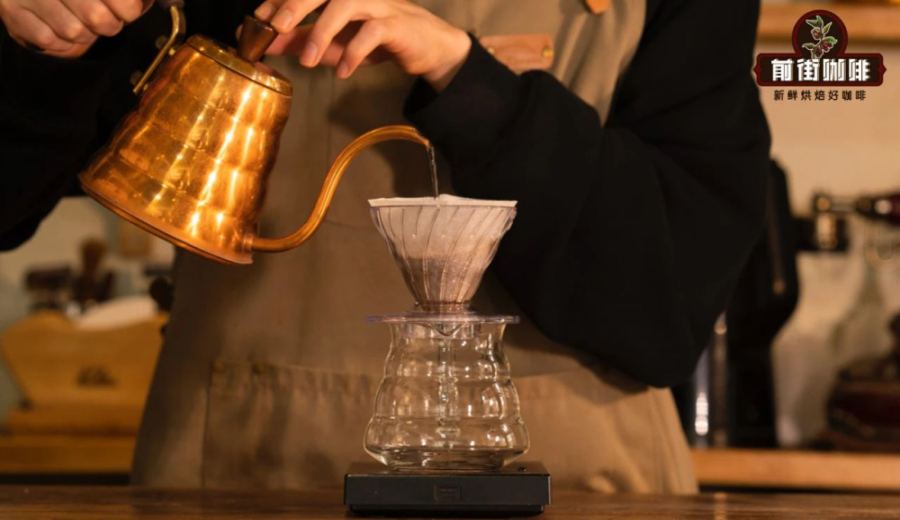
Introduction:Even when using the same coffee beans and basic parameters, it’s still hard to replicate the great taste of coffee shop brews? The key lies in mastering the operational details at each stage of the pour over process. This article divides the pour over extraction into three main stages: blooming, main extraction, and adjustment. It provides a detailed analysis of the purpose, coffee-to-water ratio, and practical techniques for each stage, helping you understand how to control extraction, avoid over-extraction or under-extraction, and further enhance the quality and flavor of your home-brewed pour over coffee.
Many coffee enthusiasts purchase the same beans used by coffee shops and strictly follow the recommended coffee-to-water ratio, grind size, and water temperature for pour over brewing, yet they often feel the taste is just slightly off. The parameters are the same, so why the difference? In reality, pour over coffee isn’t just about applying a numerical recipe—it’s a combination of a series of delicate operations, especially when it comes to controlling the flow of water in contact with the coffee grounds and managing timing, which are the most critical aspects.
Only by understanding the significance of each step in the overall extraction process can you make flexible adjustments to suit different coffee beans and filter cone characteristics, thereby consistently brewing coffee with your desired flavors. This article divides the pour over process into three main stages based on the purpose of water contact with the coffee grounds: blooming, main extraction, and adjustment, helping you improve your pour over skills comprehensively from beginner to advanced level.
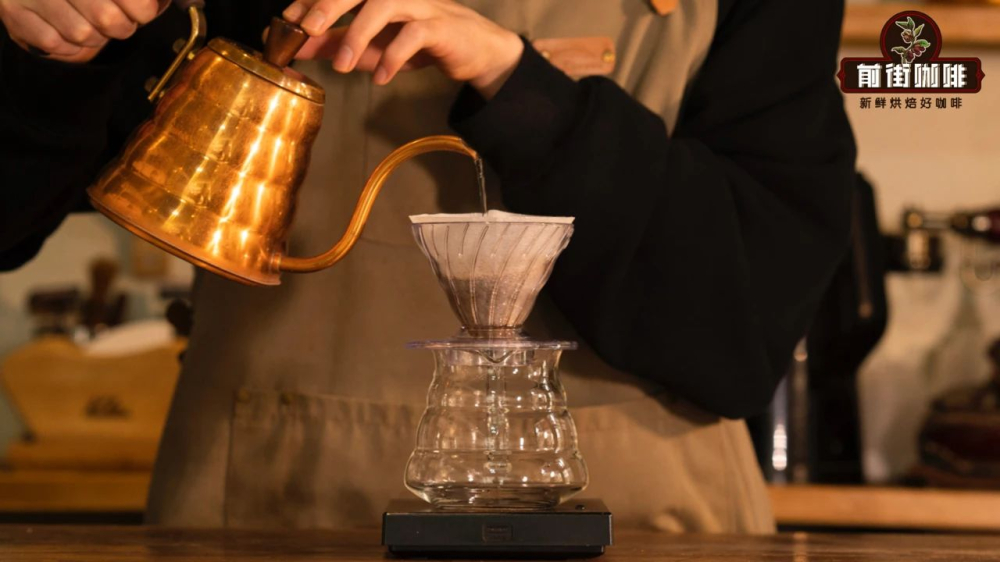
Stage One: Blooming —— The First Step to Unlocking Flavor
Blooming is an extremely important yet often overlooked step in the pour over process. After roasting, coffee beans accumulate a large amount of carbon dioxide inside, which can hinder the contact between hot water and the coffee grounds, thereby affecting the release of aroma and flavor compounds. The purpose of blooming is to use a small amount of hot water to “drive out” this carbon dioxide, preparing the grounds for the subsequent main extraction.
It is generally recommended to use twice the weight of the coffee dose in water for blooming, letting it sit for about 30 seconds. For example, if you’re using 15 grams of coffee, pour 30 milliliters of hot water, allowing the coffee grounds to fully absorb water and release gases. This amount of water roughly equals the absorption capacity of dry coffee grounds, and the 30-second wait allows sufficient time for the gases to escape.
For more advanced users, you can also adjust the blooming time flexibly by observing the expansion of the coffee bed and the gas release, ensuring optimal pre-wetting and setting the stage for effective extraction.
Stage Two: Main Extraction —— The Core Stage for Extracting Over 90% of Coffee’s Flavors
After blooming, you enter the most crucial extraction stage of the pour over process — the main extraction. Up to 90% of a coffee’s flavor compounds, including acidity, sweetness, and some body, are released during this stage. Therefore, this step typically uses about 60% of the total water volume, making it the part where the most water is added.
Due to the large volume of water poured, to avoid the water passing through the coffee bed too quickly and forming what is known as “bypass water” (water that does not fully interact with the coffee grounds), it is recommended to either pour all the water at once or in multiple pours, depending on your control over the pour. For beginners, it’s advisable to divide the main extraction water into two pours—for instance, pouring 60% of the main extraction water first, waiting briefly, then adding the remaining 40%. This helps the hot water evenly penetrate the entire coffee bed, improving extraction consistency.
Additionally, when pouring, it’s recommended to pour slowly in a spiral motion from the center outward, maintaining a steady water flow and avoiding directly hitting the bottom of the filter paper, which could cause channeling and affect the overall balance of extraction.

Stage Three: Adjustment —— The Key to Fine-Tuning Concentration and Flavor Balance
After blooming and main extraction, most of the soluble flavors have already been released. This third stage is mainly about diluting concentration and fine-tuning flavors. The goal is to make the coffee taste smoother and more rounded, while avoiding excessive intensity or unwanted bitter or off flavors.
It’s important to note that although the release of flavor compounds is greatly reduced at this stage, it is also the time when bitter compounds are more likely to dissolve. While bitterness contributes to balancing acidity and adding body to some extent, too much can mask other delicate flavors and make the coffee taste dry or harsh. Therefore, extraction during this stage should be carried out cautiously, with the principle of “supplementing” rather than “enhancing.”
In practice, it’s recommended to adjust the pouring method for the final stage flexibly based on the extraction speed and filter flow performance in the previous two stages. If you find that the flow was slow in the earlier stages, indicating a potential risk of over-extraction, you can increase the water flow strength or reduce stirring to decrease contact time; conversely, if the early stages ended too quickly, you can extend the time slightly or moderately increase the water flow to ensure adequate extraction.
By observing extraction time, water flow speed, and changes in the coffee bed, you can make real-time adjustments to avoid common extraction mistakes and brew a cup of coffee that is balanced in acidity and sweetness, has clear layers, and a smooth mouthfeel.
In summary, the charm of pour over coffee lies in the process control that seems simple but is actually full of nuances. As long as you master the core techniques of the three stages—blooming, main extraction, and adjustment—both beginners and advanced brewers can gradually improve their pour over quality and get closer to their ideal coffee flavor.
The above content is compiled by CoffeeHunters, a coffee news website.


