







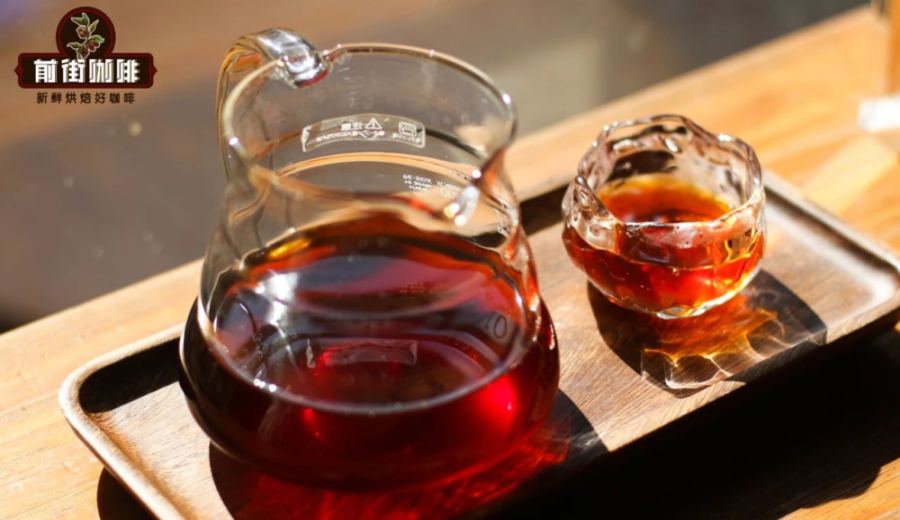
Introduction:Honduras was once often seen as synonymous with "medium-quality blends," but since the launch of the COE (Cup of Excellence) competition in 2004, its high-quality potential has gradually emerged. This article takes an in-depth look at the country’s six major producing regions and emerging micro-regions, with a special focus on the Sweet Orange Estate in Marcala, La Paz, and the highly acclaimed washed Caturra beans. We will detail the origin background, flavor profiles, roasting recommendations, and provide practical pour over and SOE brewing parameters to help you fully appreciate the unique charm of Honduran coffee.
As a key coffee-producing country in Central America, Honduran coffee has long been categorized as "medium-quality blends." It wasn’t until the first COE (Cup of Excellence) competition in 2004 that it began to gain international attention. This global specialty coffee competition allowed buyers around the world to witness the true potential of Honduran coffee—especially in the 2021 COE, where a Geisha variety from Finca Santa Lucia in the Comayagua region scored an impressive 90.67 points and won the championship.
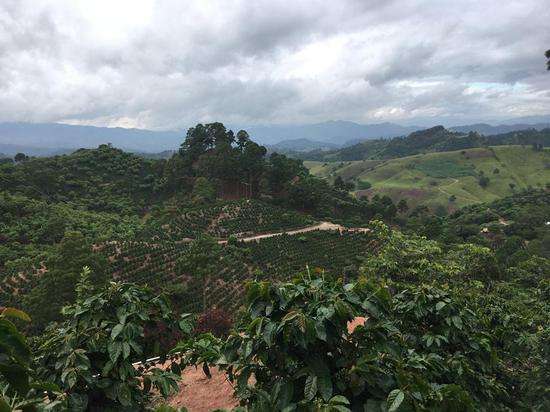
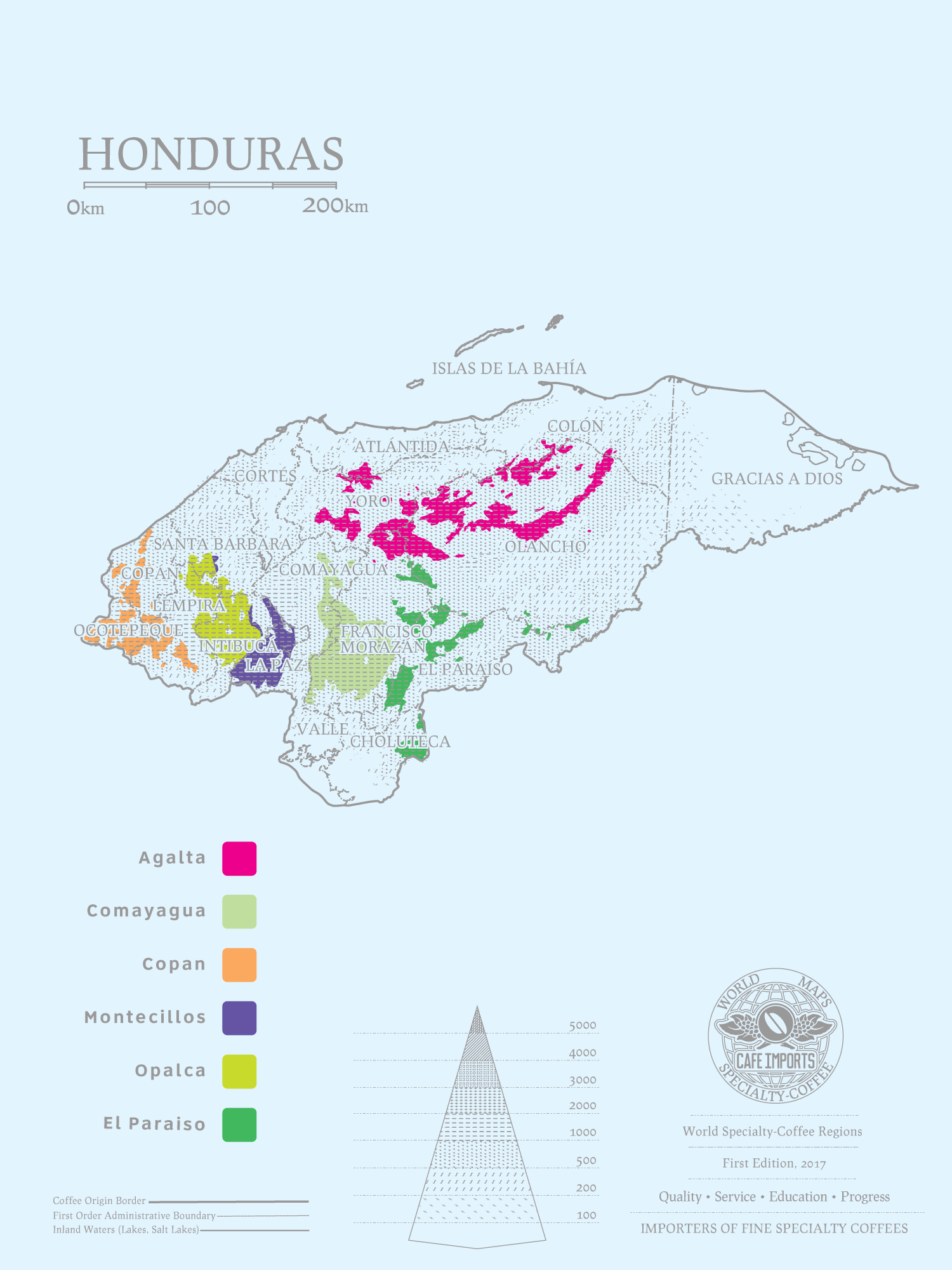
Honduras’ six main producing regions include: Copán, El Paraíso, Comayagua, Opalaca, Montecillos, and Agalta. Each region, due to differences in altitude, microclimate, and soil, produces coffee with distinct flavor profiles. In addition to these six main regions, there are also some smaller regions with great potential, such as La Paz and Masaguara in the southwest. Among them, some producers have carefully selected beans from the Sweet Orange Estate in Marcala, La Paz, and the Mocha Estate in the Masaguara region, showcasing the country’s diverse flavor expressions.
The Sweet Orange Estate (El Naranjo) is located in Marcala, which is not only an important coffee-growing area in the La Paz region but has also been officially certified as a “Coffee Conservation Origin.” The area has an average annual temperature of about 27°C, humid air, and an altitude between 1,200 to 1,600 meters, combined with mineral-rich, fertile soil, making it highly suitable for cultivating high-quality coffee. The Sweet Orange Estate gets its name from the dense surrounding wild orange trees that provide shade. These orange trees not only offer excellent shading but also impart a unique citrus aroma to the coffee beans.
The Sweet Orange Estate mainly grows the Catuai variety and employs the washed processing method, precisely controlling fermentation and washing processes to preserve the region’s original flavors. Some cuppers found that this bean exhibits soft floral aromas and nutty dry scents, while the cup reveals clear orange peel notes, sugarcane sweetness, nuttiness, and a subtle tea-like finish. The overall flavor profile is well-layered, with a clean and slightly sweet aftertaste.
In addition to the Sweet Orange Estate, another washed Caturra variety is also recommended. This bean, medium-roasted, offers intense caramelized aromas and is suitable for both pour over and single-origin espresso (SOE) brewing. Sourced from Honduras’ central high-altitude regions, with elevations between 1,500 to 1,700 meters, the washed process gives it a clean and bright acidity while retaining a full body and rich sweetness.
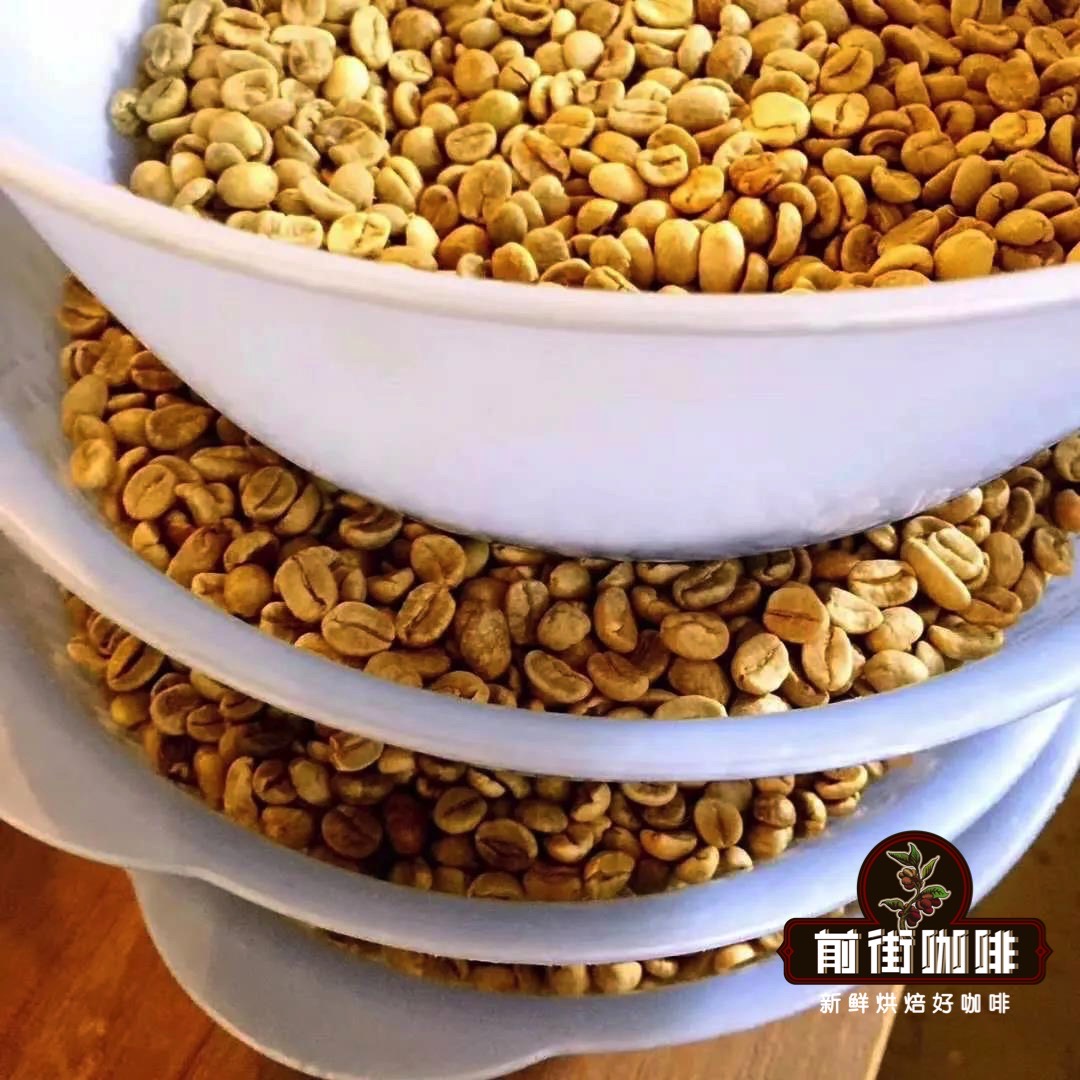
Regarding roasting recommendations, this review uses a Taiwanese-made Yangjia Feima 800N roaster, with a charge weight of 300 grams. Some producers opt for a light-to-medium roast approach, aiming to preserve fruity acidity while enhancing chocolate and nutty tones. The specific roasting curve is as follows: the charge temperature is set at 200°C, reaching the yellowing point at 5 minutes and 15 seconds with a temperature of 154°C; the first crack begins at 9 minutes and 11 seconds at 186.5°C; it continues to develop for 2 minutes after first crack, and the final roast is dropped at 192.4°C, resulting in a balanced and expressive roast profile.
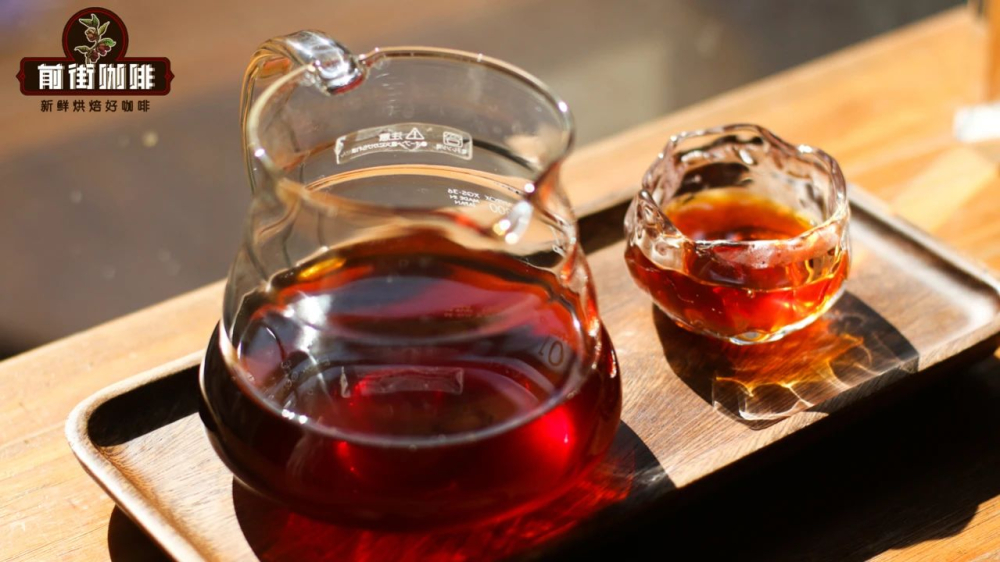
For pour over enthusiasts, some recommend using the Hario V60 dripper, with water temperature controlled at 90°C, a coffee dose of 15 grams, and a brew ratio of 1:15. The grind size is suggested to be around 80% through a standard #20 sieve, or a medium-fine grind. The brewing steps follow the classic pulse pouring method: begin with a 30-second bloom using 30 grams of water to activate the coffee grounds; then pour in a small circular motion up to 125 grams for the first pour, waiting for the water level to drop slightly before continuing to 225 grams total; when the water level drops again and is about to expose the coffee bed, remove the dripper to end extraction. The total brew time is kept around 2 minutes, fully highlighting the delicate flavors of the Sweet Orange Estate and washed Caturra.
The above content is compiled by CoffeeHunters, a coffee news website.


