







Introduction:Geisha coffee has risen to become one of the top varieties in the specialty coffee world, thanks to its distinctive floral aroma, bright acidity, and honey-like sweetness. However, its high price often deters coffee enthusiasts. This article starts with the Ethiopian origins of Geisha, explores how it transformed from a marginal variety into a star at auctions in Panama, and delves into its flavor characteristics and the reasons behind its pricing. It also provides practical pour over parameters for washed Geisha to help readers find the best entry point.
In the world of specialty coffee, Geisha is undoubtedly the brightest star in recent years. With its vivid floral notes, complex fruity acidity, and silky sweetness, it has successfully surpassed traditional varieties like Blue Mountain and Kona to become the dream coffee for enthusiasts. Yet, its price—often reaching several thousand yuan per pound—leaves many wondering: why is Geisha so expensive? The answer lies in an incredible journey from Africa to Central and South America.
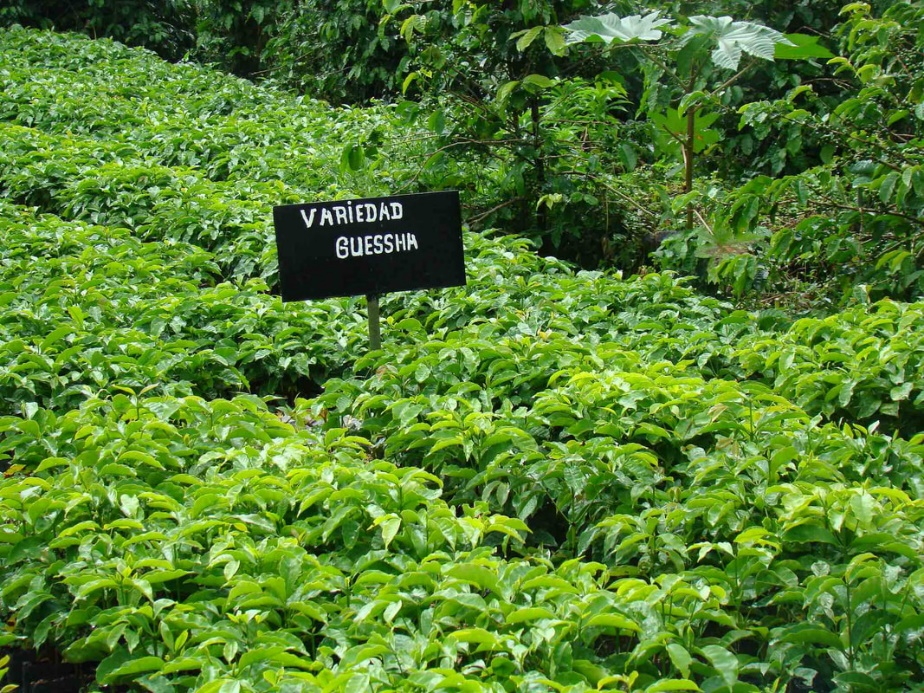
Tracing back to the 1930s, the Geisha variety was first discovered in the Gesha forest of Ethiopia. At the time, it didn’t attract much attention and was simply sent to a coffee research institution in Kenya as a common coffee tree species. Subsequently, in 1936, it was introduced to Uganda and Tanzania, and by the 1950s, it made its way to Costa Rica’s CATIE research institute, where it was cataloged as T2722. It wasn’t until the 1960s that these seeds were distributed to Panama by CATIE, marking the beginning of its cultivation history in the country.
However, upon its initial arrival in Panama, Geisha was not highly valued. Due to its low yield, it was mostly planted haphazardly around farms, serving merely as windbreaks. It wasn’t until the late 1990s that Hacienda La Esmeralda in the Boquete region accidentally discovered a batch of coffee with extraordinary floral aromas, citrus acidity, and honey-like sweetness. After tracing its origins, they realized it was none other than the original Geisha variety from Ethiopia’s forests.
In 2003, Hacienda La Esmeralda first entered its Geisha coffee beans into the Best of Panama (BOP) competition and achieved commendable results. The following year, it won the championship outright, stunning the global coffee market with a record-breaking auction price. Since then, Geisha has gained immense fame. Each year, the Geisha category in the BOP competition not only attracts global buyers but also repeatedly sets new records for the highest prices of green coffee beans.
Due to Geisha’s unique flavor profile, many coffee-growing regions have attempted to cultivate this variety, including Costa Rica, Colombia, and even Ethiopia itself. However, the industry generally agrees that the most representative Geisha still comes from Panama, particularly those grown in the high-altitude regions of Boquete, where the flavor expression is the purest and most refined.
To ensure fairer competition, the BOP later clearly divided entries into “Geisha” and “non-Geisha” categories, preventing other varieties from being overshadowed by Geisha’s overwhelming performance. Meanwhile, the Red Label, Green Label, and Blue Label Geisha from Hacienda La Esmeralda have become classic entry-level choices for many newcomers to coffee.
Still, many consumers have questions: if Geisha’s production doesn’t seem particularly rare, why is it still so expensive? The key lies in the fact that the Geisha that enters the BOP competition and wins awards often comes from extremely small planting areas, with inherently limited yields. Coupled with the globally increasing demand for top-tier Geisha, the supply-demand imbalance naturally drives up prices. Additionally, high-quality Geisha requires meticulous cultivation management and refined post-harvest processing, all of which increase production costs and are reflected in the final retail price.
For those who wish to experience the charm of Geisha at a more affordable price, washed Geisha from Panama’s Boquete region is an excellent choice. Located in the Chiriquí Volcanic Belt, this area boasts fertile volcanic soil, stable rainfall, and ideal altitude, along with a misty microclimate that produces coffee beans with rich flavor layers. The washed processing method further highlights Geisha’s cleanliness and bright acidity, making it an ideal option for beginners.
This washed Geisha from Boquete, Panama, is processed using the traditional washed method: first, defective beans are removed, then the coffee cherries are depulped and fermented in water tanks for about 24 hours. Next, the mucilage is washed off with clean water, and finally, the parchment-covered green beans are evenly dried or machine-dried to a moisture content of around 12%. This process not only enhances flavor purity but also preserves Geisha’s delicate fruity acidity and floral characteristics.
In terms of roasting, to highlight Geisha’s elegant acidity and fruity-floral notes, roasters typically opt for a medium-light roast. This roast level retains the solid body of high-altitude beans but also places higher demands on extraction. It is recommended to use a higher brewing temperature and slightly finer grind size, paired with a 1:16 coffee-to-water ratio, to fully unlock its flavor potential.

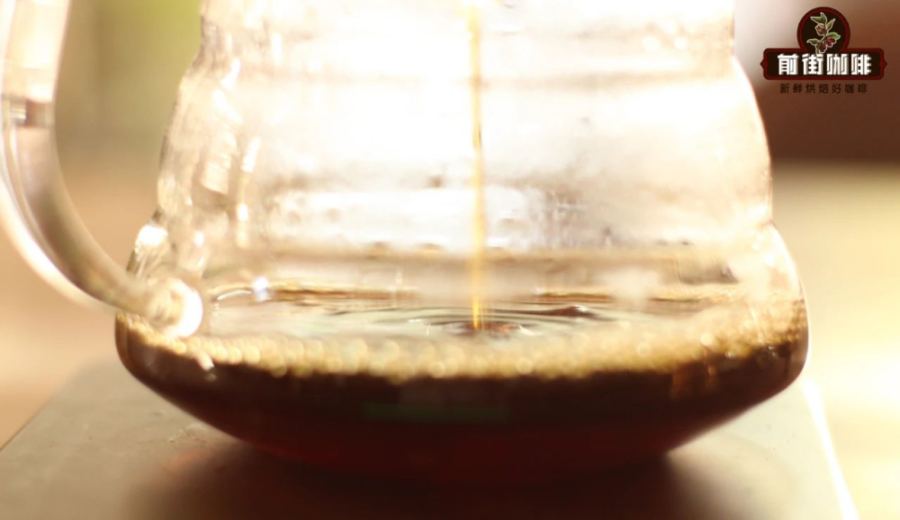
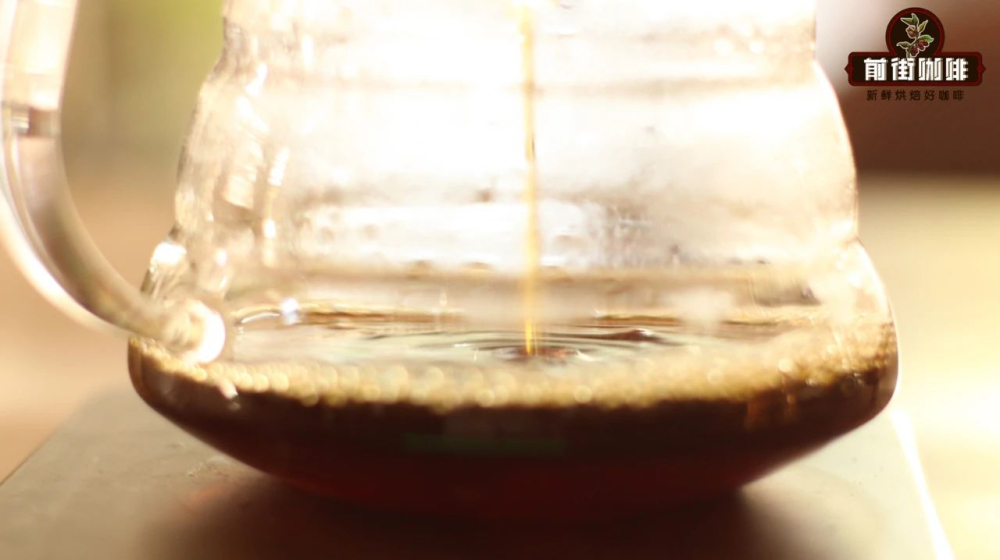
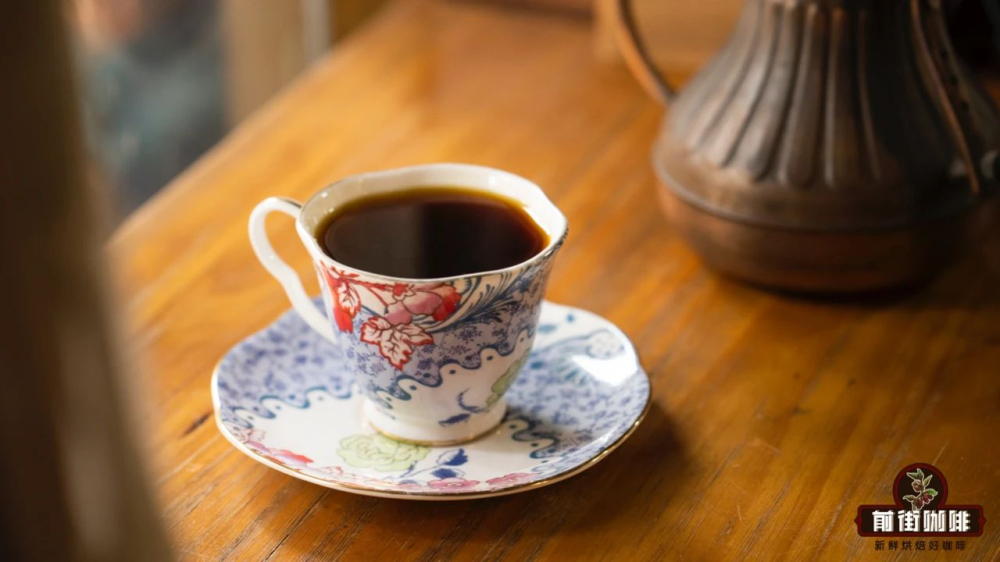
Practical pour over recommendations are as follows: Use a V60 filter, control the water temperature at 91-92°C, use 15 grams of coffee, maintain a 1:16 coffee-to-water ratio, and grind to a fineness where approximately 80% of the grounds pass through a #20 sieve (similar in size to fine sugar crystals). Use a three-stage extraction: start with a 30-second bloom using 30 grams of water, then pour up to 125 grams, wait for the water level to drop, and then continue pouring up to 225 grams. The total extraction time is about 2 minutes. This method fully showcases Geisha’s citrus and lemon acidity, with a mid-palate featuring bergamot and green tea freshness, and a lingering aftertaste of honey and smooth milkiness.
It’s important to note that the freshness of the coffee beans greatly impacts flavor. It’s recommended to choose beans roasted within 5 days for the optimal tasting experience. Proper storage, avoiding light, moisture, and oxygen, will help prolong the beans’ peak flavor period. With the correct brewing method and fresh beans, even coffee beginners can enjoy the unique charm of this top-tier Geisha variety.
The above content is compiled by CoffeeHunters, a coffee news website.


