







Category: Coffee Knowledge
A Complete Guide to Kenya K72 Washed Processing: From Region to Flavor
Kenya coffee is renowned for its bright and layered fruit flavors, and the key lies in its unique K72 refined washed processing method. This article will take you deep into the geographical characteristics of Kenya's Kirinyaga region, the operation models of its major processing factories, as well as the origins of the classic SL-28 and SL-34 varieties. At the same time, we’ll break down the 72-hour fermentation cycle step by step, giving you a comprehensive understanding of the essence of this classic East African coffee — from origin to cup. [more…]
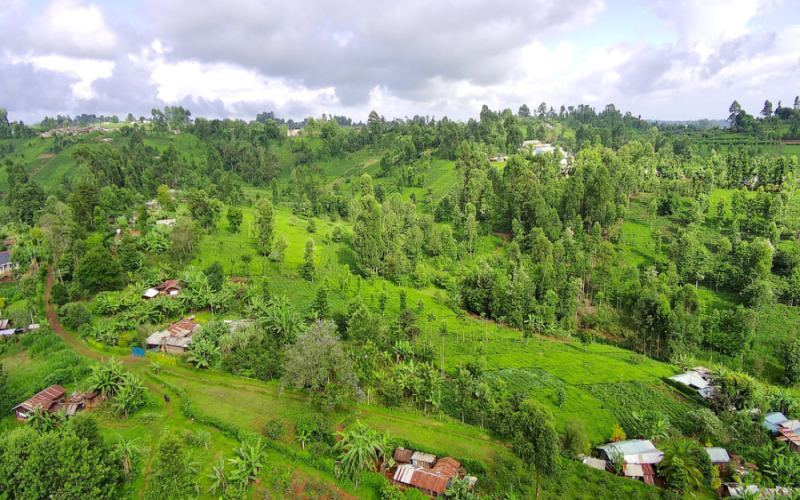
Kenya AA Tomato-like Flavor Pour Over Settings: Extraction Techniques and Parameters for K72 Washed Beans
Kenya AA coffee is renowned for its vibrant tomato-like notes and lively acidity, making it a classic entry point for many pour over enthusiasts. This article delves into the bean’s growing region, varietal background, and the unique K72 washed processing method, helping you understand the origins of its distinctive flavors. It also provides practical recommendations on grind size, water temperature, brew ratio, and pulse pouring techniques—tailored to the beans’ dense, hard profile—to help you consistently extract a clean, bright, and layered cup. [more…]

A Complete Guide to Jamaican Blue Mountain Coffee: Region, Grade, Flavor, and Authenticity Identification
Jamaican Blue Mountain coffee has long been hailed as the king of the coffee world, yet few truly understand it. This article provides an in-depth exploration of the coffee’s cultivation history, core growing regions, official grading system, and washed processing methods, taking you on a tour of its most representative estates. It also offers detailed descriptions of its flavor profile, professional-level brewing recommendations, and practical tips for identifying authenticity—from appearance and grind to aroma and taste. This is an essential guide for both beginners and enthusiasts looking to deeply understand this legendary coffee. [more…]
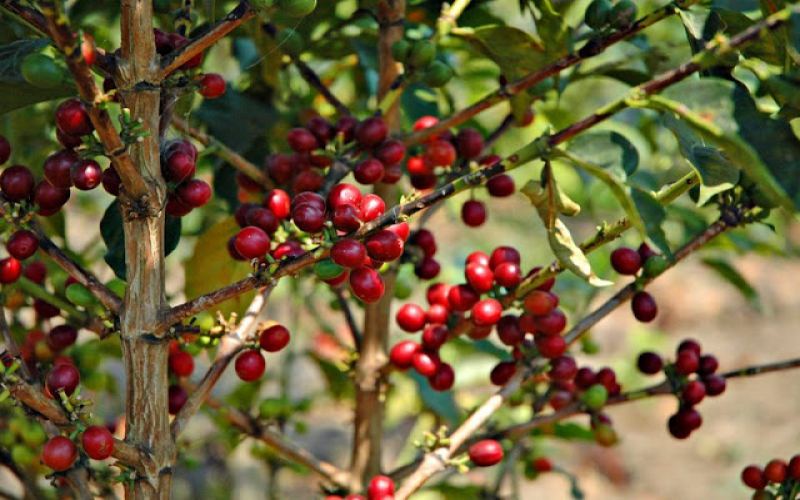
Pour Over Coffee Bean Buying Guide: Flavor Analysis of Three Major Origins and Beginner Recommendations
Choosing the right coffee beans for pour over is key to understanding the unique flavor characteristics of the three major origins. This article provides an in-depth analysis of the flavor differences among the three major coffee-producing regions—Africa, the Americas, and Asia—from bright fruity acidity to rich nutty profiles. It helps you grasp the characteristics of bean varieties from different origins and offers practical purchasing advice to help you find your ideal pour over coffee experience. [more…]
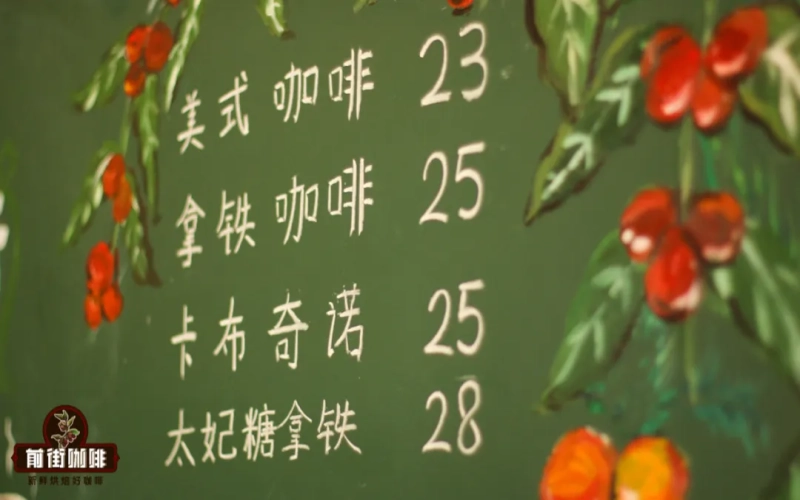
Is flat white suitable as an iced drink? Analyzing foam thickness and cup volume differences compared to latte and cappuccino
Many coffee enthusiasts wonder why specialty coffee shops usually don’t offer iced flat whites. In fact, this is closely related to the inherent characteristics of the flat white. This article delves into the core differences between flat white and latte, cappuccino from aspects such as cup volume, foam thickness, and taste structure, explaining why the iced version struggles to deliver the delicate flavors that a flat white should have, and clarifying why it is often misunderstood as a “small iced latte.” [more…]
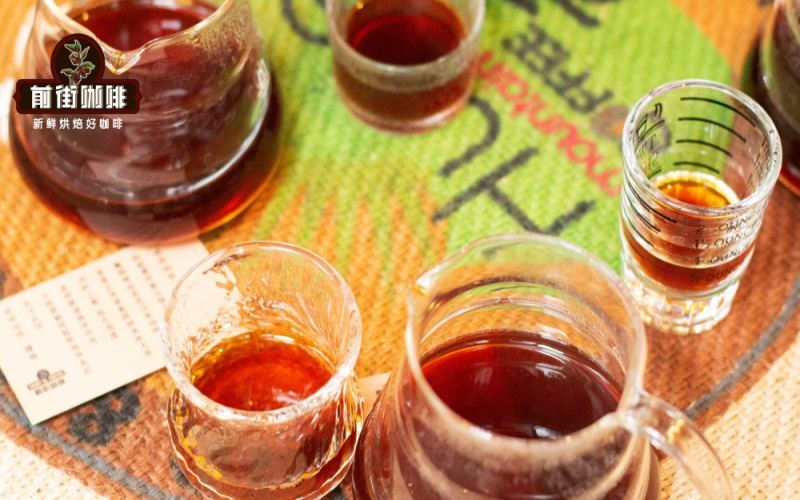
How to brew Yirgacheffe Garse Geishi Red Honey? Extraction parameters and flavor profile analysis for pour over and cold drip
The Yirgacheffe Garse Geishi Red Honey beans, processed with whole red fruit fermentation and shaded slow-drying techniques, deliver a complex profile of jasmine, elderflower, and ripe fruits. This article delves into the details of its processing and the origins of its flavors, while providing two practical brewing methods—pour over and Japanese-style iced pour over. From grind size and water temperature to pouring techniques, it helps you precisely master this high-sweetness, clean, and bright specialty coffee bean. [more…]
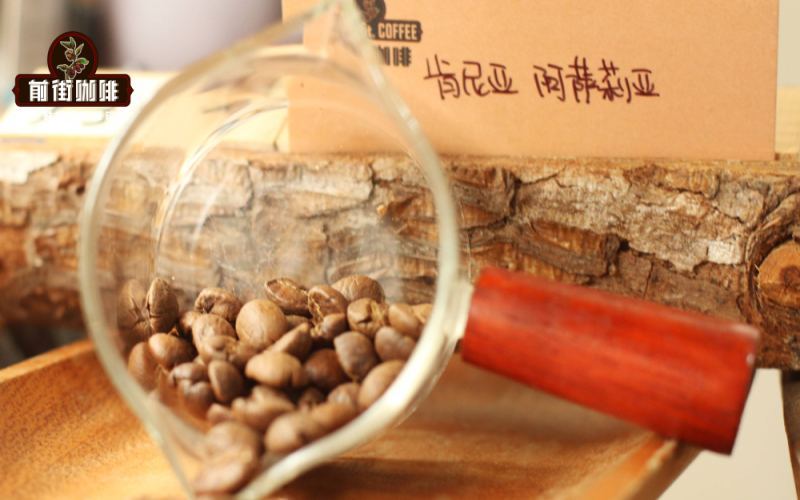
How to Brew Kenyan AB Grade Coffee Beans? A Complete Guide to K72 Washed Processing and SL Variety Flavors
Kenyan coffee is renowned for its bright acidity and clean flavor profile, and the AB grade is an especially high-value specialty choice. This article delves into the regional background of the Kenyan AB Komatiña Cranberry, the characteristics of the SL28 and SL34 varieties, the key steps of the K72 washed processing method, and provides practical roasting and pour over parameters to help you master the sweet-and-sour balance of this coffee. [more…]
Ethiopia Guji Koricha Summer Natural G1: The Flavor Story Behind the Red Cherry Project
Delve into the summer natural G1 coffee from Koricha village in Ethiopia’s Guji region. Explore everything from altitude and variety to processing methods, and uncover the complex aromas of blueberry, grape, and orange. This article also introduces you to how the Dutch Red Cherry Project enhances the coffee quality of local smallholder cooperatives through technical support and contract purchasing — an essential guide to understanding native African coffee varieties. [more…]
Ethiopian Gedeo Zone Kochere Woreda Guddina Cooperative Coffee Beans: Yirgacheffe Flavor Profile and Pour Over Brewing Guide
The Guddina Cooperative is a highly regarded smallholder coffee organization in Ethiopia’s Yirgacheffe region, renowned for producing specialty coffee beans with distinct flavors and rich complexity. This article delves into the cooperative’s geographical location, processing method characteristics, and varietal background, while analyzing the cupping flavor profiles of its washed and natural processed beans. It also provides professional roasting curves and pour over brewing parameters to help you fully experience the classic charm of Yirgacheffe. [more…]
Ethiopia Yirgacheffe Wodowa Beans: How Fair Trade Helps Farmers Improve Flavor and Livelihood
These sun-dried Yirgacheffe Wodowa beans from the Oromia Coffee Farmers Cooperative Union in Ethiopia not only boast captivating floral and citrus notes but also carry the true story of how smallholder farmers have turned their fate around through fair trade. This article delves into how the cooperative has achieved steady growth amid persistently low coffee prices, and invites you to explore the unique flavor profile of these G2-grade beans along with pour over brewing recommendations. [more…]
Reunion Island Pointed Bourbon Coffee Beans: The Low-Caffeine Legend, Flavor Profile & V60 Brewing Recommendations
Pointed Bourbon (Bourbon Pointu), also known as Laurina or Slim Bourbon, is a rare coffee variety originating from Réunion Island, renowned for its extremely low caffeine content and delicate fruity flavors. This article will delve into its historical origins, unique flavor characteristics, caffeine ratio, and practical pour-over brewing parameters to give you a comprehensive understanding of this once nearly extinct precious coffee. [more…]
Ethiopia Guji Natural Sidamo Mormora Farm: Flavor Profile & Roasting Recommendations
An in-depth look at the natural-process Sidamo coffee beans from the Mormora Farm in Shakiso, Guji region, Ethiopia, grown at an altitude of 1850–2000 meters with heirloom varieties. Known for its delicate fruit notes and spicy finish, this article explores the regional background, processing method, and variety characteristics, helping you understand how this Grade 1 coffee bean can express diverse flavors under light, medium, and dark roasting profiles, along with practical brewing and tasting references. [more…]
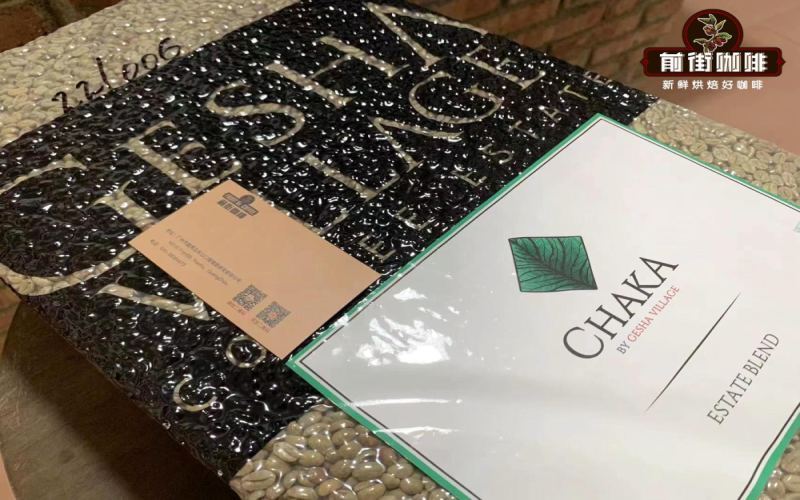
Ethiopian CHAKA Chaka Geisha Sun-Dried Beans: A Complete Guide to Flavor Profile & Pour Over Parameters
Dive into the CHAKA Chaka Geisha sun-dried beans from Banko Mugji, Ethiopia. From its heirloom origin, estate history, to its unique processing method and flavor profile, this article takes you step-by-step through the analysis of this distinctive coffee bean. Not only does it provide professional cupping observations, but also shares practical pour over recommendations and parameter settings to help you fully experience its berry aroma and creamy texture. [more…]
Ethiopia Gesha Village Chaka Limited Edition: A Comprehensive Analysis of Washed vs. Natural Profiles & Pour Over Brewing
Delve into the Chaka limited edition from Gesha Village in Ethiopia’s Bench Maji region, analyzing the flavor profiles of its washed and natural processing methods, along with recommended roast levels and pour over brewing tips. Whether you're new to Gesha flavors or aiming to refine your pour over skills, this article offers practical insights. [more…]
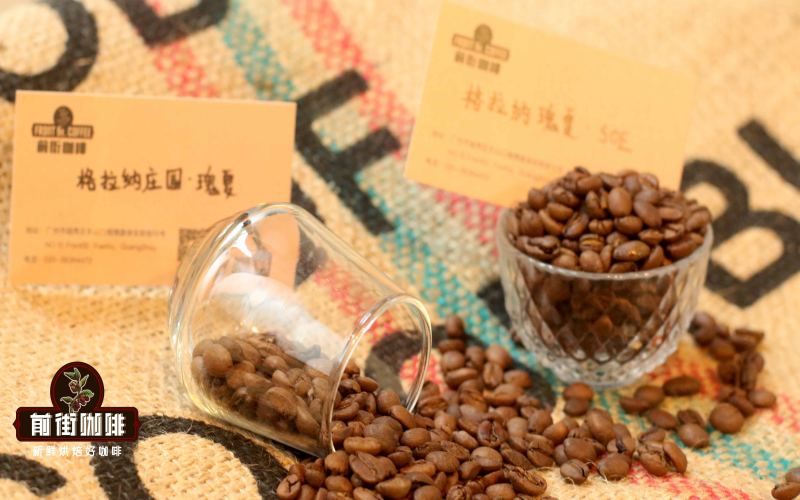
Is Ethiopian Native Geisha Suitable for SOE? A Complete Guide to Natural Processing and Brewing Methods
Ethiopian Native Geisha differs greatly in flavor from the more common Panamanian Geisha, yet both offer exceptional drinking value. A coffee brand’s Granja Estate Natural Geisha SOE has gained popularity for its high cost-performance ratio and rich fruit notes. This article delves into the origin background, processing methods, and roasting characteristics of this coffee, and provides practical pour over and milk coffee brewing references to help you fully explore its layered flavors of yellow flowers, bergamot, and strawberries. [more…]

Why is an iced-to-order Americano not cold? Analyzing the logic behind temperature settings for iced drinks in coffee shops
Ordering an iced-to-order Americano only to receive a warm or room-temperature coffee is a common confusion among customers. Why is it that an iced latte remains cold, while an iced Americano does not? This article delves into the actual operational logic of how coffee shops prepare iced coffee drinks, explores why iced Americanos often end up at room temperature, uncovers the differences in why iced lattes stay cold, and offers tips for achieving your ideal coffee temperature at home. It also includes an introduction to classic espresso blends for coffee enthusiasts to reference. [more…]
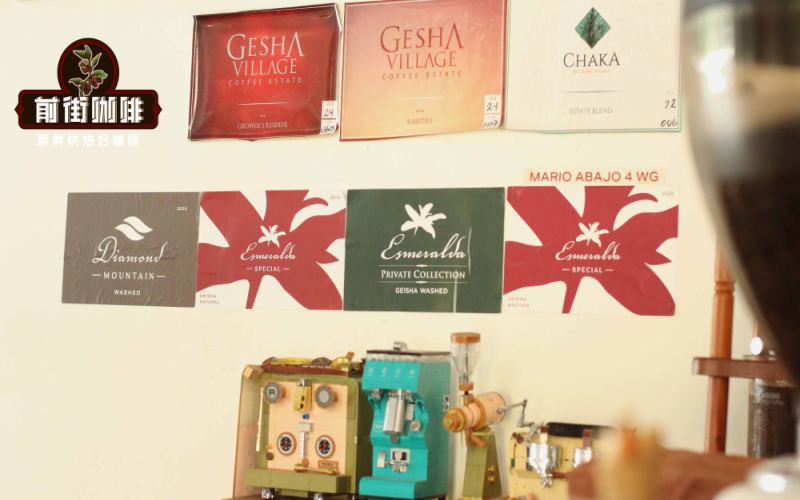
Panamanian Geisha Coffee Grading Guide: Differences and Flavor Profiles of Emerald Estate's Red, Green, and Blue Labels
Want to dive deep into the top-tier variety of specialty coffee—Geisha? This article provides a detailed breakdown of the grading logic, regional background, and flavor characteristics of the three Geisha tiers from Panama’s Emerald Estate: Red Label, Green Label, and Blue Label. It also covers practical differences between washed and natural processing methods, as well as key roasting considerations. Additionally, it introduces representative farms and popular coffee lots from the two major regions of Boquete and Volcán, helping you understand the full picture of Geisha—from cultivation and processing to brewing. It’s a practical reference guide valuable for both beginners and advanced coffee enthusiasts. [more…]
How to Make a Gesha Single-Origin Espresso? A Complete Guide to Roast Level Selection and Extraction Parameters
As a top-tier variety in the specialty coffee world, Gesha is often seen in pour over brewing, but it is actually also highly suitable for espresso preparation. This article delves into the feasibility of using Gesha as a single-origin espresso (SOE), explores how different roast levels affect flavor, and uses actual products as examples to detail extraction parameters, ratio combinations, and brewing steps. It will help you master the brewing essentials of Gesha SOE, allowing you to perfectly showcase its unique flavors—from iced Americano to hot latte. [more…]

Ice Americano Brewing Techniques and Flavor Secrets: A Complete Guide from Bean Selection to Extraction Parameters
The Ice Americano is one of the most popular coffee choices in summer, but its taste depends not only on the espresso itself but also closely relates to the brewing method, ice-to-water ratio, and the flavor profile of the coffee beans. This article delves into how different Italian-style blends affect the taste of an Ice Americano, introduces concentration variation techniques such as extra ice and water reduction, and provides practical parameters for grind size and coffee-to-water ratio—so you can brew your ideal cup whether at home or in a café. [more…]

Panama Finca Esmeralda Diamond Mountain Catuai Coffee: A High-Value Choice for Medium-Light Roast Pour Over Beans
While the renowned Panama Finca Esmeralda is famous for its Geisha, its 'Diamond Mountain' series is also worth attention. This article takes an in-depth look at a sun-dried processed Diamond Mountain Catuai bean introduced by a certain coffee shop. From the farm environment of the producing region, variety characteristics, processing details, to the medium-light roast profile and V60 three-stage pour over parameters, it guides you to experience Esmeralda-level flavors at a more affordable price. [more…]