







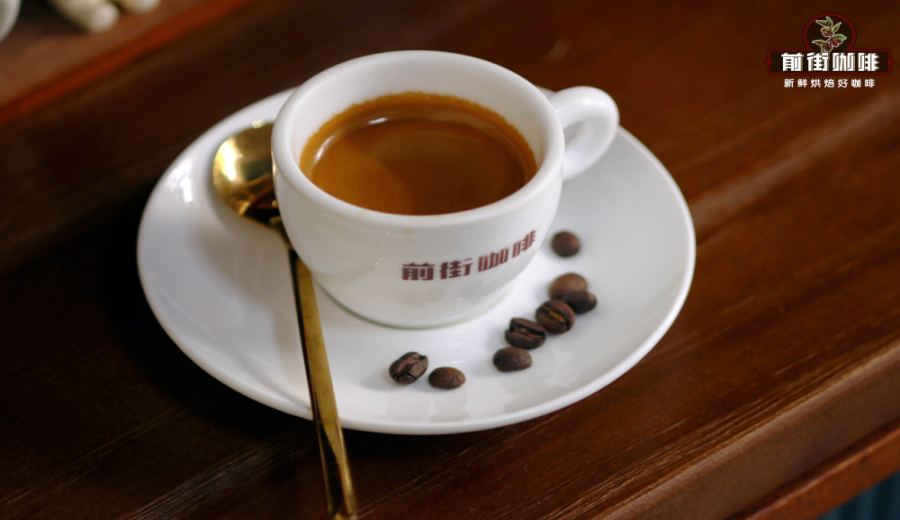
Introduction:What is SOE, commonly seen on specialty coffee shop menus? Why is it more expensive than regular blends? This article delves into the definition of Single Origin Espresso, its extraction challenges and flavor characteristics, and compares them with the stability and cost-effectiveness of blends. It helps you understand whether paying extra for SOE is worth it, while also providing practical extraction parameters and recommended ratios.
In specialty cafés, the term SOE is appearing more and more frequently, often accompanied by a higher price tag compared to regular espresso. SOE stands for Single Origin Espresso, or "single-origin espresso," which refers to an espresso beverage made from coffee beans sourced from the same region, extracted using an espresso machine under high pressure. Unlike common blends, SOE does not aim for a balanced composite flavor but instead highlights the unique characteristics of that particular origin—such as bright acidity, distinctive fruit notes, or unique fermentation profiles.
However, not all single-origin coffee beans are suitable for use as SOE. The high pressure and temperature of espresso machines can significantly amplify the inherent traits of the beans, and if the wrong beans are chosen, issues such as excessive acidity, bitterness, or uneven extraction can easily occur. For example, Ethiopian Yirgacheffe, known for its bright citrus notes, may become overly sharp when used directly for espresso; whereas Indonesian Mandheling, which naturally has earthy and herbal undertones, can easily turn into an intense, burnt-bitter profile when extracted via espresso. Therefore, crafting a high-quality SOE depends not only on the bean variety but also crucially on roast level, grind size, and precise control of extraction parameters.
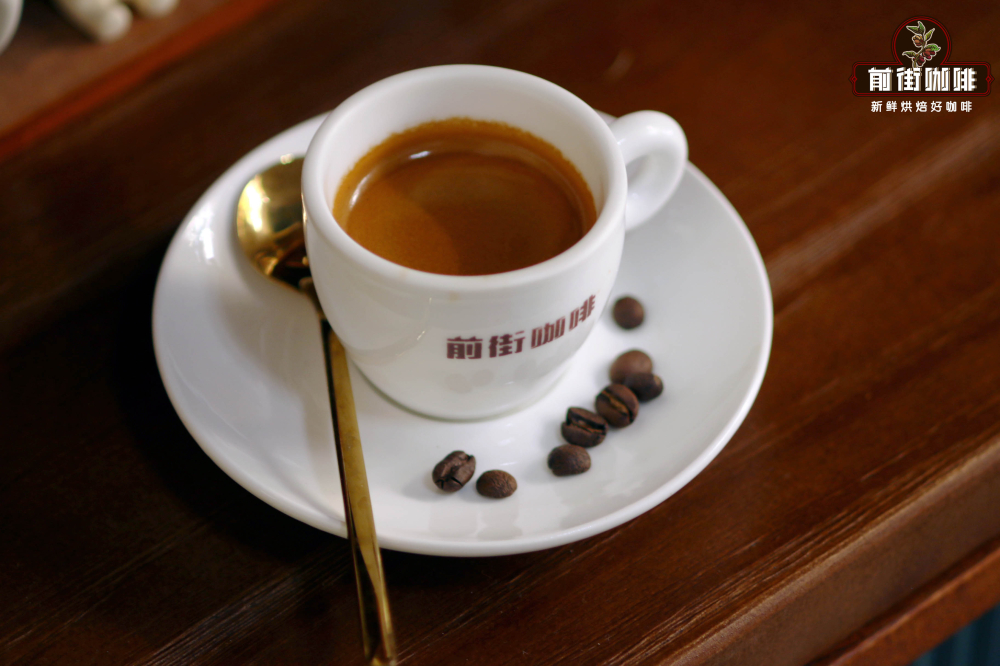
Many people, after being introduced to espresso, start wondering if they can choose their own beans—for instance, requesting SOE to make a latte or americano. In reality, SOE and regular single-origin beans sold in the market differ significantly in roasting strategy. Take beans with pronounced acidity, for example: for pour over, a light roast is often used to preserve vibrancy, but for espresso machines, a medium to dark roast is needed to balance the flavor expression under high-pressure extraction. Conversely, SOE beans specifically designed for espresso are usually not ideal for pour over brewing, as their roast profile is optimized for high-pressure environments. Light-roasted beans may suffer from channeling due to insufficient water absorption, negatively affecting overall extraction quality.
One of the hallmarks of SOE is its more concentrated and distinctive flavor expression. However, precisely because it uses beans from a single origin, achieving "consistency" in flavor becomes a major challenge. Variations in weather, harvest batches, and slight adjustments in roasting can all cause the same SOE to perform slightly differently at different times—this is also one reason why its pricing is generally higher than that of regular blend espresso. In contrast, blends combine beans from different regions to achieve a balanced flavor and are easier to maintain consistent taste, making them often a more cost-effective choice for consumers seeking consistency.
So, what are the advantages and disadvantages of SOE? Let’s start with the advantages: the greatest appeal of SOE is its ability to faithfully present the unique character of a single origin, with clear layering. For coffee enthusiasts who love exploring terroir, it serves as a window into the flavors of the origin. However, extracting a satisfying SOE is not easy—the roaster must balance the origin's characteristics with the demands of the espresso machine, finding the optimal roast depth. Roasting too dark may mask the inherent regional traits, while roasting too light can lead to unbalanced acidity and poor mouthfeel. Additionally, extraction parameters such as grind size, pressure, water temperature, and time need to be finely tuned to fully realize its potential.
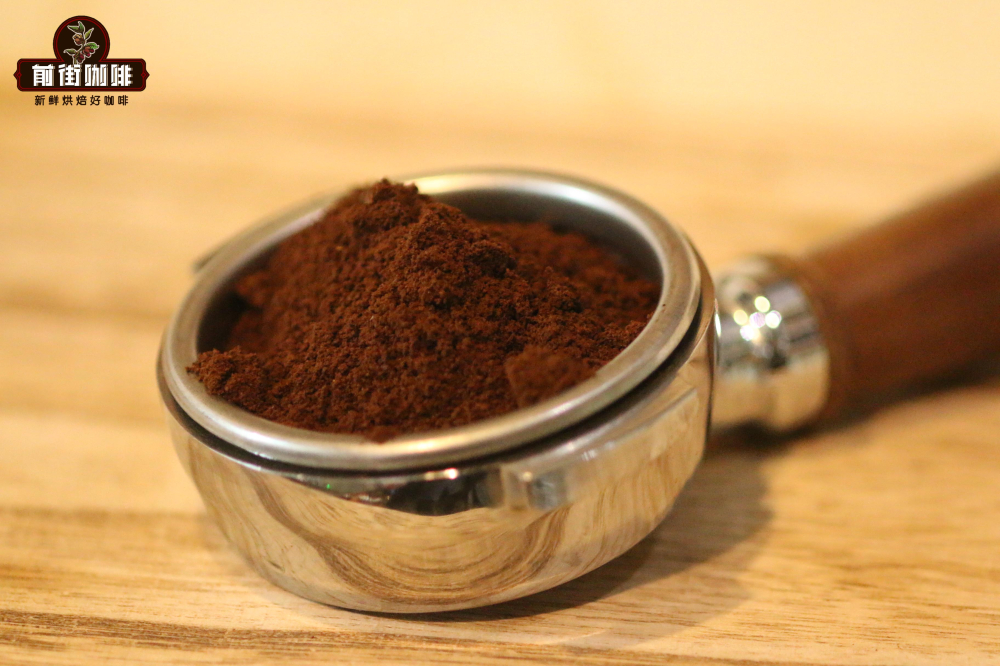
When using SOE as a base for lattes or americanos, special attention should also be paid to the ratio of milk or water. Because its flavors are more pronounced, it’s advisable to reduce the proportion of additives to let the coffee’s own characteristics shine, avoiding a flat-tasting drink. For example, if you want to try making SOE espresso at home, you can use the following parameters: about 20 grams of coffee grounds, extraction time controlled at 27 seconds, target yield of 35 grams, and a grind setting recommended at Galileo 1.9. This way, you’ll be able to extract an SOE espresso with citrus, berry, and fermented aromas, featuring bright acidity and a velvety mouthfeel.
As for blends, they represent another common option. Blended beans are typically made by combining beans from two or more origins, aiming to complement each other’s traits to create a balanced and stable espresso base, suitable for popular espresso drinks like lattes and cappuccinos. For instance, some blends combine bright, sweet-and-acidic beans with mellow, low-acid beans to harmonize fruity notes with a chocolatey finish. For users who prioritize consistent taste every time, blends are often a more practical and cost-effective choice.
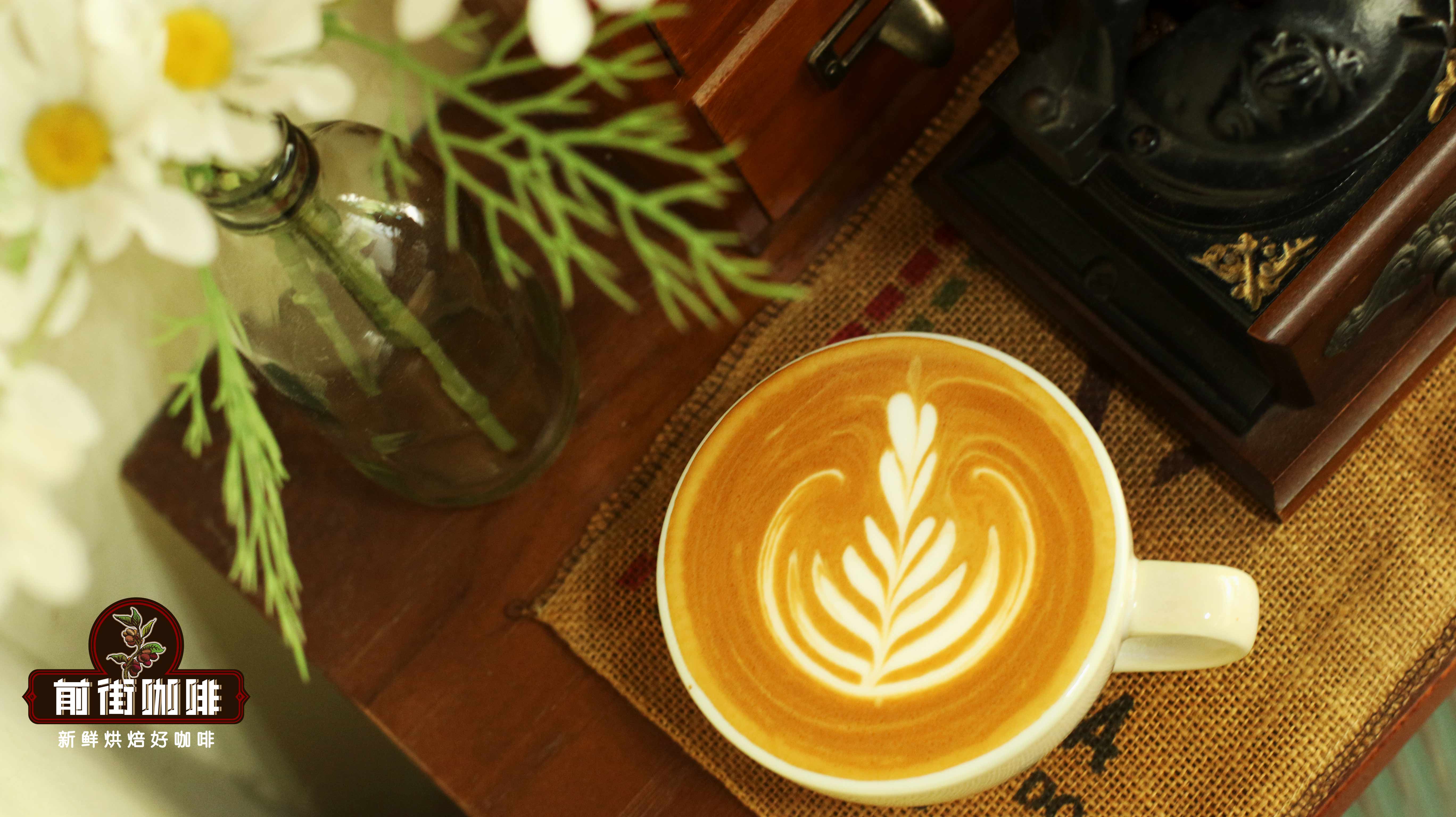
If you prefer to recreate café-quality SOE flavors at home, it’s recommended to choose beans roasted specifically for espresso and fine-tune parameters based on actual extraction results. For latte lovers, you can follow a 1:5 ratio—adding 35 grams of SOE espresso to 200 milliliters of fresh milk—to craft a smooth and layered SOE latte. If you opt to make an americano, it’s suggested to use a 1:4 ratio with about 160 milliliters of hot or cold water to enjoy a refreshing yet flavorful black coffee experience.
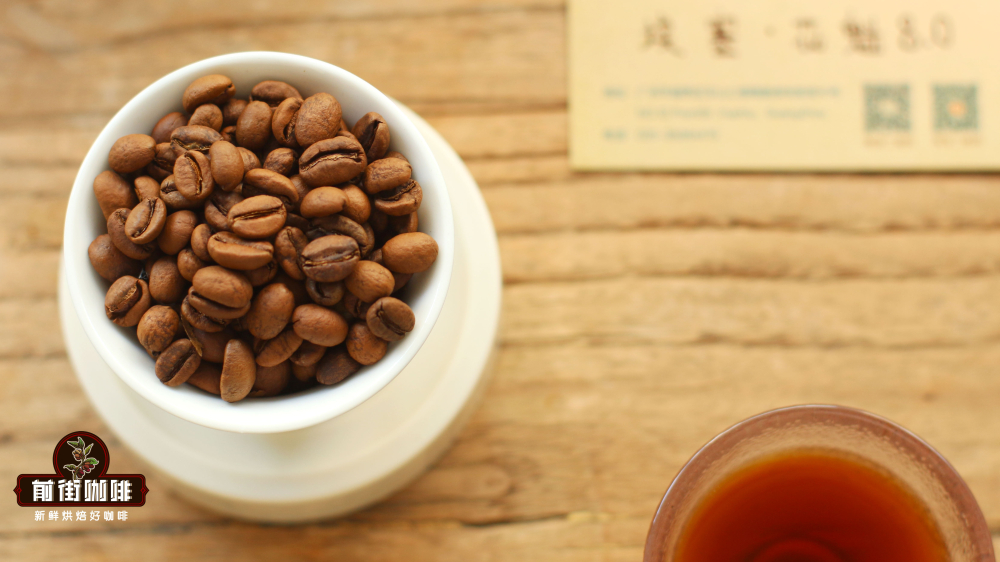
In summary, SOE coffee, with its single-origin flavor expression and unique extraction challenges, has become an indispensable part of the specialty coffee world. Although it is pricier and relatively less stable in flavor, for coffee enthusiasts who seek terroir character and individuality, SOE offers an opportunity to deeply explore the personality of an origin. Before choosing to pay extra for SOE, consider your tolerance for flavor variability and willingness to invest more time understanding extraction details, so you can truly appreciate its unique qualities.
The above content is compiled by CoffeeHunters, a coffee news website.


