







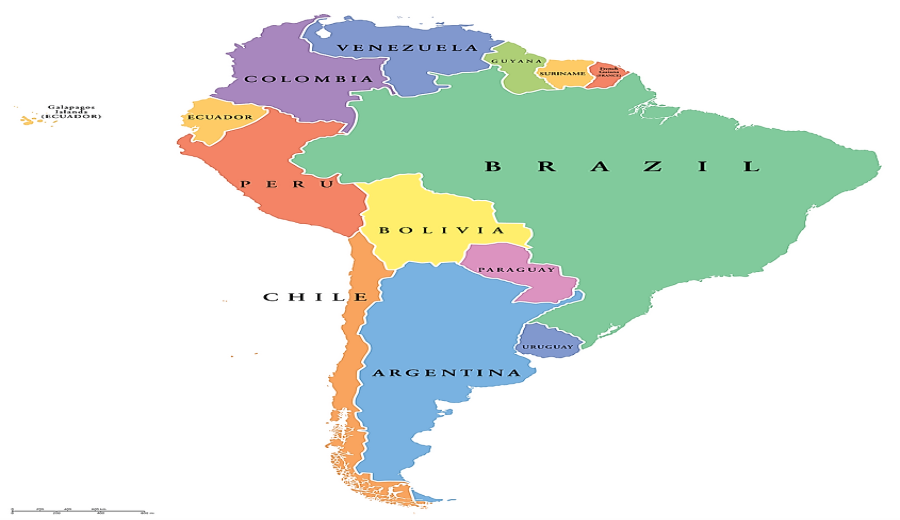
Introduction:Explore the Java variety coffee beans from Valleji Estate, situated at an altitude of 1,600 meters in La Paz, Bolivia. Processed with a rare cocoa natural method, these beans showcase layered flavors of grapes, nuts, and honey. This article dives into the origin background, varietal evolution, unique drying techniques, and offers professional roast curves and V60 pour-over parameters to guide you through the full depth of this niche specialty bean.
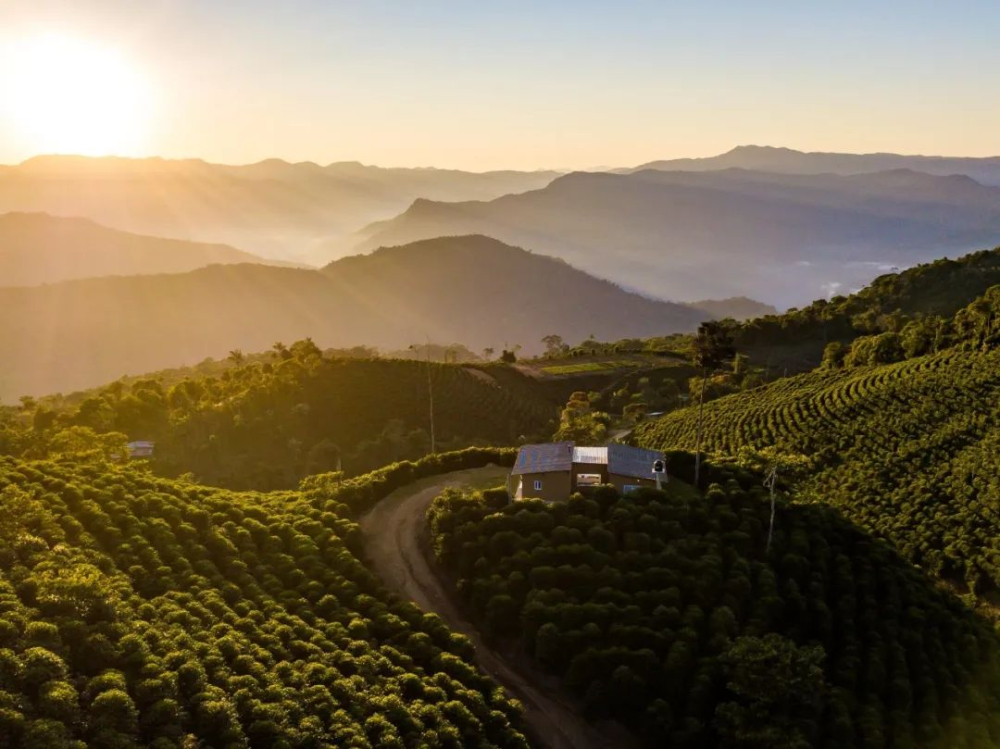
In the landscape of South American specialty coffee, though Bolivia is not a mainstream producing country, its high-altitude environment nurtures promising coffee genetics. Valleji Estate in the La Paz region combines the Java variety with a unique cocoa natural processing technique, delivering a coffee experience that features grape fermentation notes and honey-like sweetness. Sourced from Yungas Province at an elevation of 1,600 meters, this bean reveals the distinctive charm of a rare variety through low-temperature slow roasting and meticulous processing.
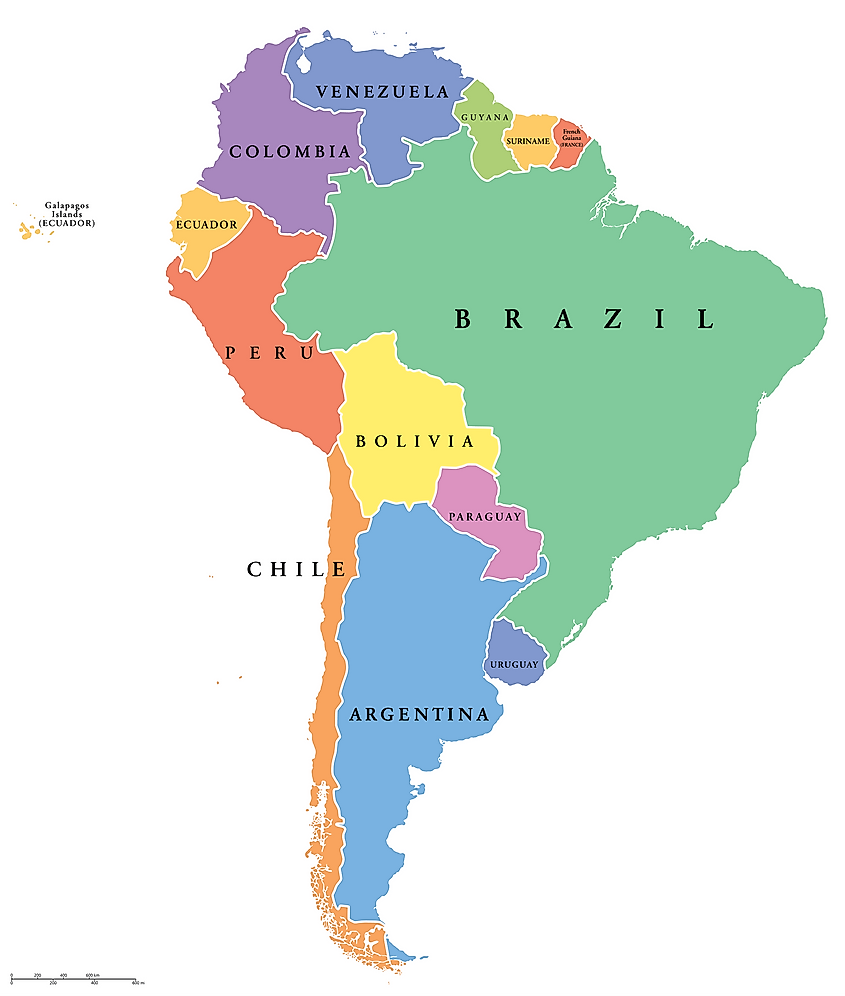
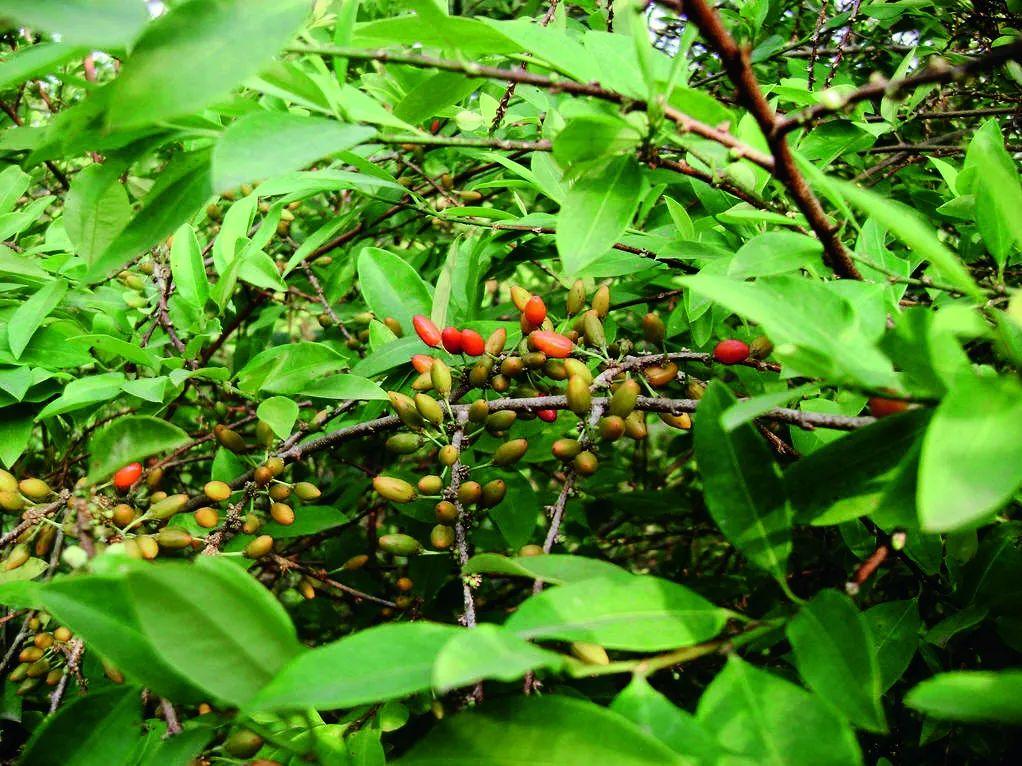
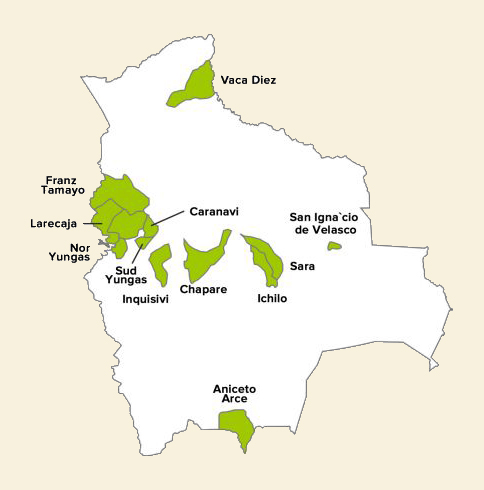
The Bolivian coffee industry has faced multiple challenges—from large-scale cultivation in the late 19th century to a decline in quality in the early 2000s due to the economic impact of coca leaf farming. The 2013 leaf rust epidemic further reduced production by 70%, until recent years when the specialty coffee movement prompted some estates to revive high-altitude cultivation. Yungas Province, which produces 95% of the country’s coffee, offers ideal growing conditions with elevations between 800–1,800 meters and a humid climate on the eastern slopes of the Andes.
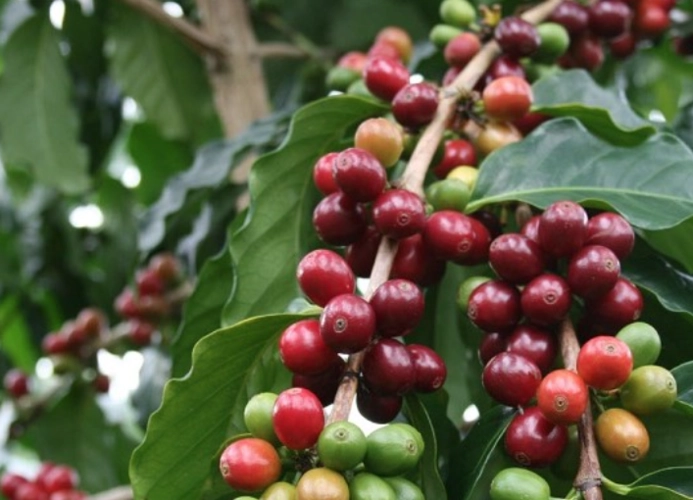
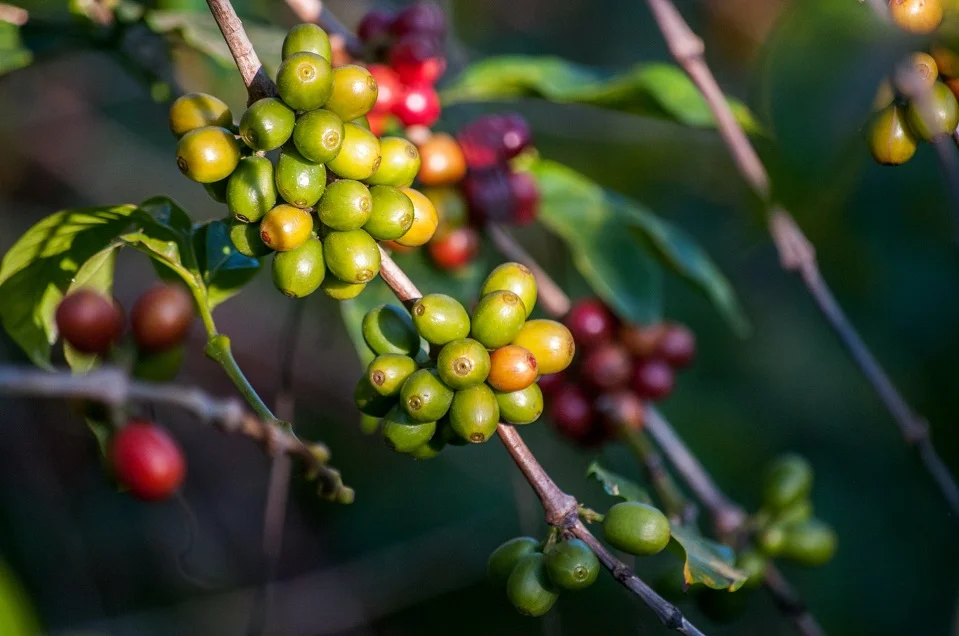
The history of the Java variety dates back to the Ethiopian landrace, which was introduced to Indonesia via Yemen and was thus named; its genetic lineage traces back to the Abysinia family. In 1991, it entered Costa Rica through a CIRAD breeding program and was eventually certified as a variety in Panama. This variety is characterized by its long oval-shaped fruit and brass-colored young leaves, offering strong disease resistance and stable yield—particularly suited for smallholder precision farming. In cupping, it often displays clear layers reminiscent of Geisha, but with a more pronounced nutty tone.
Valleji Estate’s processing method blends tradition with innovation, starting with initial drying on African beds before transferring to a cocoa dryer forlow-temperature slow roasting below 40°C. This modified sun-drying technique precisely controls moisture content fluctuations, with stirring every 30 minutes to ensure even heat exposure, ultimately yielding a unique chocolate and honey finish. The estate, part of the Agricafe group, ensures each batch is rigorously selected through its own farms and smallholder network.
Professional roasters recommend usingan extended development phasestrategy. When using a Yangjia 800N roaster for 500g of green beans: start at a drum temperature of 170°C, reach 111°C after 1’36” of warm-up then adjust the air damper to 4; when the bean surface shows unsightly wrinkles (around 7’56”), increase airflow to 5, and maintain until one minute after first crack at 10’18”; finally drop the beans at 190°C. This parameter enhances cocoa aroma while preserving bright acidity.
For V60 pour-over, it is recommended to use a1:15 coffee-to-water ratiowith a fine sugar grind size, and water temperature controlled at 90°C. The step-by-step extraction process: first pour 30g for a 30-second bloom, then gently circle with a small stream until reaching 125g; once the water level drops to the bed, continue pouring to 225g. Total extraction time is about 2 minutes, effectively balancing citrus acidity and nutty sweetness. Upon cooling, note the transformation into maple-like sweetness and jasmine tea undertones.
The above content is compiled by CoffeeHunters, a coffee news website.


