







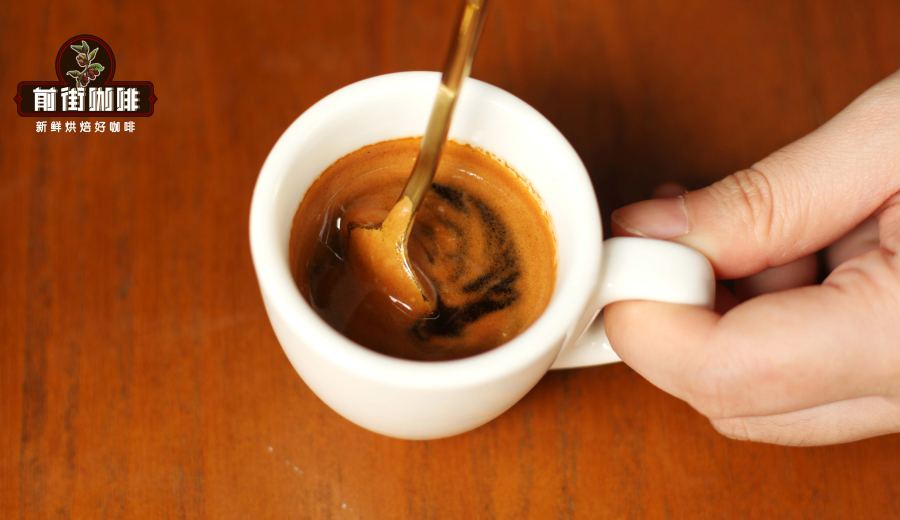
Introduction:Espresso is renowned for its intense and rich flavor, often overwhelming beginners with its bold taste upon first try. This article delves into the etymology and technical evolution of Espresso, guiding you from classic ways of drinking it to selecting home blend beans, helping you understand how to appreciate this uniquely bold brew. We also recommend four blends perfect for home use, covering different flavor profiles to help you find your ideal coffee experience.
How should Espresso be drunk? For those new to coffee, the first taste is often shocking due to its high concentration and strong bitterness. However, as your palate adapts, you’ll start to appreciate the rich texture and complex aromas that no other coffee drink can replicate. This article not only explores the etymology and historical development of Espresso but also traces its evolution from early steam-powered machines to modern high-pressure extraction techniques, while clarifying common doubts such as whether “making it into an Americano is better.” Additionally, tailored for home brewing needs, we recommend four practical espresso blends, including classic Mamba-style, nutty tones, floral-fruity flavors, and cost-effective commercial options, helping you discover your preferred coffee flavor.
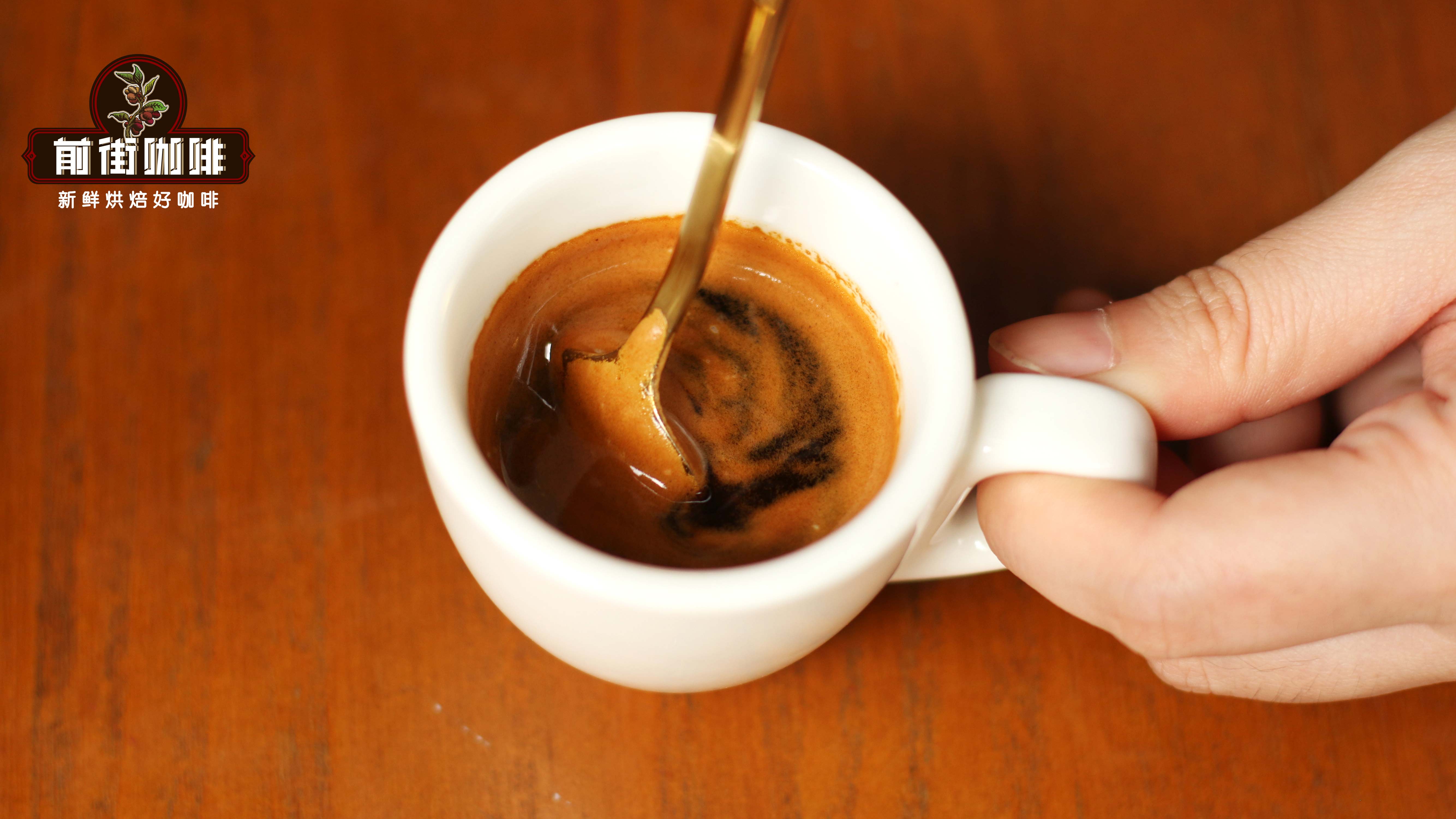
"How should Espresso be drunk?"
Actually, the most traditional way is—drink it in one shot ! Don’t think it’s a joke; for Espresso, this method is not only common but also allows you to fully experience its unique intensity and layered profile. Many first-timers find its taste extremely bitter, even hard to swallow, but with a bit of time for your taste buds to adjust, you’ll gradually appreciate the full-bodied richness and aromatic complexity that other coffees rarely offer.
Many coffee enthusiasts even say Espresso is addictive ! Especially when feeling low, a cup of highly concentrated and intensely flavored Espresso can quickly lift your spirits, and for the next half hour, even drinking water might make you crave another cup—this experience is truly captivating.
So, what is Espresso?
The word Espresso originates from Italian, being the past participle of the verb esprimere, which can be further traced back to the Latin exprimō, meaning "to press out." However, some linguists believe its meaning aligns more closely with the English word express, implying both "quick" and "exclusive." Though these interpretations differ, they aptly reflect Espresso's two core traits: high-pressure extraction and immediate consumption.
Espresso production relies on a high-pressure coffee machine—what we commonly call an espresso machine. The earliest espresso machines emerged in 1884 during the height of the Industrial Revolution. To improve coffee-making efficiency and allow busy workers to quickly get an energizing drink to continue working, someone in Italy applied for a patent for a steam-powered coffee extraction method, significantly speeding up the process.
Early machines used steam-generated pressure to rapidly push hot water through a bed of coffee grounds, extracting a concentrated coffee liquid. However, at the time, flavor was not a high priority, coffee bean quality was limited, and each serving was usually just a few dozen milliliters, resulting in an overall taste that was often bitter and intense, though highly stimulating.
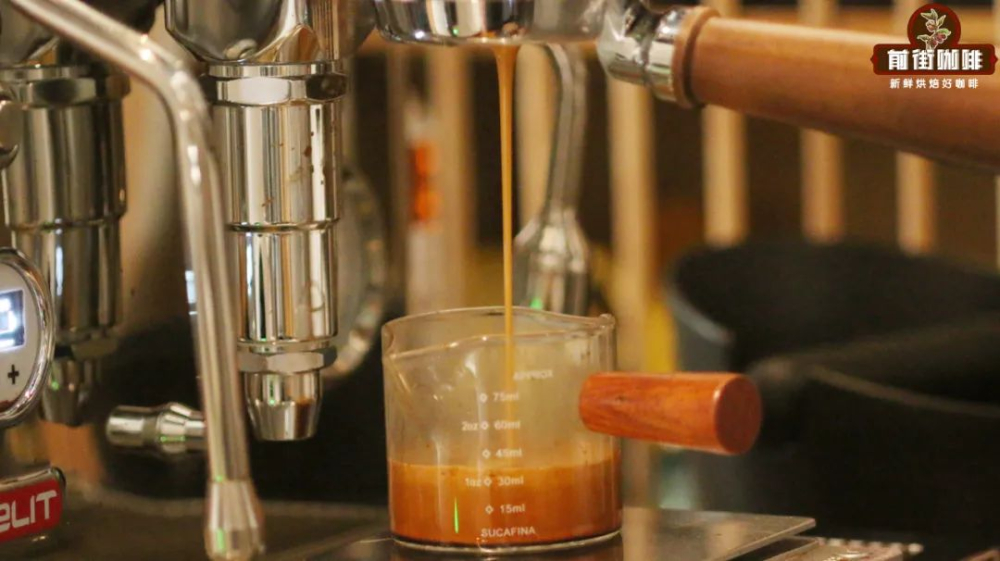
Despite this, Espresso’s quick preparation and unique taste quickly won over Italians and became a powerful symbol of local food culture. Later, as people demanded better coffee flavor, in 1901, an Italian designer acquired the original steam coffee machine patent and improved it: adding a handle and portafilter to the existing boiler structure, adjusting the grind size of the beans, and compressing the coffee grounds tightly into a compact puck to withstand the high-pressure water flow. This allowed the water to evenly penetrate the entire coffee bed, ultimately extracting a more balanced and smoother coffee liquid.
Still, Espresso remains quite concentrated, so the habits of “drinking it standing” and “taking it in one shot” persist—drink up and leave without lingering in the café.
Rather than drinking it straight, Espresso is more often used as a base to create various coffee drinks such as Americanos, lattes, and cappuccinos. Therefore, if you plan to use an espresso machine at home, when selecting a blend, it’s best to prioritize ones compatible with multiple brewing styles, ensuring good flavor whether drunk straight or with milk.
Home Espresso Bean Recommendation ①: Classic Mamba-style Blend
This blend primarily uses Indonesian Mandheling and Brazilian beans, whose flavors complement each other excellently—a classic combination once very popular in Taiwan cafés, truly a classic among classics. Some versions also include a small amount of Robusta to enhance crema and body, making it not only suitable for home brewing but also providing an excellent latte art base for milk-based coffees.
Home Espresso Bean Recommendation ②: Nutty Balanced Blend
Combining beans from Brazil and Colombia, the former brings a full-bodied nutty aroma and balanced taste, while the latter adds chocolatey notes, complementing each other to achieve a “1+1>2” effect. The brew delivers flavors like buttery cookies, cocoa, and roasted nuts, making it ideal for those who dislike acidity and suitable for both Americanos and lattes.
Home Espresso Bean Recommendation ③: Floral-Fruity Blend
Want to experience Espresso with floral and fruity notes? Go for a medium-roasted blend. Such blends often feature honey-processed beans, such as those from Costa Rica’s Tarrazú and Ethiopia—the birthplace of coffee—along with Colombian beans for balance. Not only are the flavors mild and non-irritating, but they also produce good crema and a smooth texture under espresso extraction, with sweet-and-sour layers reminiscent of strawberry taffy, perfect for Americanos or lattes.
Home Espresso Bean Recommendation ④: Commercial-Grade Everyday Blend
If you want to recreate the common Americano and latte flavors found in cafés at home, choose a commercial-grade blend made with Brazilian, Colombian, and Vietnamese beans. After medium-dark roasting, the beans have rich coffee oils and roasted aromas. The brewed Americano tastes mellow with deep notes of dark cocoa and toasted bread, very smooth; made into a latte, it has a silky texture and long aftertaste. Affordable and perfect as everyday home coffee beans.
The above content is compiled by CoffeeHunters, a coffee news website.


