








Introduction:Kenya AA coffee is renowned for its vibrant acidity and rich berry flavors, making it a dream bean for many coffee enthusiasts. This article delves into its journey from being introduced during the British colonial period, through the cultivation of the SL28 and SL34 varieties at the Scott Laboratories, to the evolution of the auction system and the terroir differences across the six major growing regions. It also highlights the unique K72 washed processing method and practical V60 pour over parameters to help you fully understand every stage of this classic coffee—from cultivation to extraction.
What makes Kenyan coffee most memorable is its crystal-clear acidity paired with a full-bodied, layered berry and fruit character. Once tasted, its distinct profile often leaves a lasting impression. Especially those Kenya AA or AB grade beans from high-altitude regions not only offer bright acidity but also a sweet aftertaste reminiscent of black plums, cherry tomatoes, and brown sugar—delivering an intense, juice-like mouthfeel upon sipping.

This unique drinking experience allows Kenyan coffee to stand out even among other high-acidity coffees, thanks to its flavor profile that is “acidic yet full-bodied, and full-bodied without astringency.” If you’re curious about the difference between Kenya AA and AB, or want to recreate a Kenyan pour over at home with black plum, cherry tomato, and brown sugar notes, this article will take you from the origins of cultivation all the way to practical brewing settings, offering a comprehensive reference.
Although Kenya’s coffee-growing history isn’t as long as that of neighboring Ethiopia, its precise varietal selection and rigorous grading system have secured it a place in the global specialty coffee market. In the early 20th century, as a British colony, the government actively promoted coffee cultivation to increase revenue and exported the harvest to London for trade. The establishment of the Scott Agricultural Laboratories in 1922 marked a turning point for Kenya’s coffee industry.
After years of selection from over 40 varieties, the laboratory eventually developed the SL28 and SL34, which are well-suited to Kenya’s high altitudes and volcanic soils. To this day, these two varieties remain the mainstays of Kenyan coffee cultivation, accounting for approximately 90% of the nation’s planted area. These varieties not only thrive at high altitudes but also impart intense acidity and complex fruity notes to the beans.
The Kenyan government has also been actively involved in every aspect of the coffee supply chain. As early as 1931, local grower cooperatives and the National Coffee Board were established, followed by the launch of the Nairobi Coffee Exchange auction system in 1937 and the creation of a detailed coffee bean grading system in 1938—allowing producers and buyers to trade and evaluate based on clear standards.
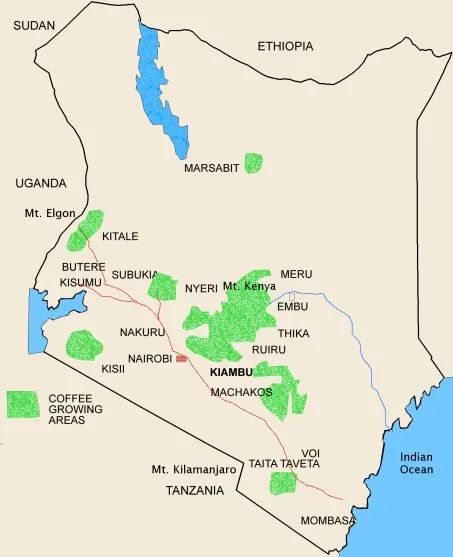
Kenyan coffee is primarily grown in the highland areas north and east of Nairobi. These regions mostly feature acidic volcanic red soils with loose, fertile, and well-drained characteristics, at elevations generally ranging between 1400 and 2000 meters. In such high-altitude environments, the significant diurnal temperature variation slows the ripening process of coffee cherries, resulting in denser beans and more concentrated, vivid flavors.
Generally, the flowering period for Kenyan coffee occurs from March to April each year, with fruits ripening successively between May and July. Some areas even see a second harvest from September to October, allowing for two annual yields. This growth rhythm also enables Kenyan coffee to accumulate a richer array of flavor compounds.
Kenya’s coffee-growing regions can be mainly divided into six blocks: Thika, Kirinyaga, Mt. Kenya West, Nyeri, Kiambu, and Muranga. These regions mostly conduct harvests during the main production season from October to December and the secondary season from June to August.
Among them, Thika, despite being near the capital, boasts over a century of coffee-growing history. Over 90% of its plantings consist of SL34 and SL28, with flavors characterized by bright acidity, rich berry juiciness, and honey-like sweetness.Altitude: approximately 1550~1750 metersIt is a great entry point for experiencing Kenyan flavor profiles.
Kirinyaga stands alongside Nyeri as one of the representative regions for high-quality Kenyan coffee. The area is largely composed of smallholder farmers organized into cooperatives, using unified professional washing stations. Its flavor profile features bright acidity, delicate sweetness, and good body.Altitude range: 1300~1900 metersBeans from here generally exhibit exceptional clarity and layering.
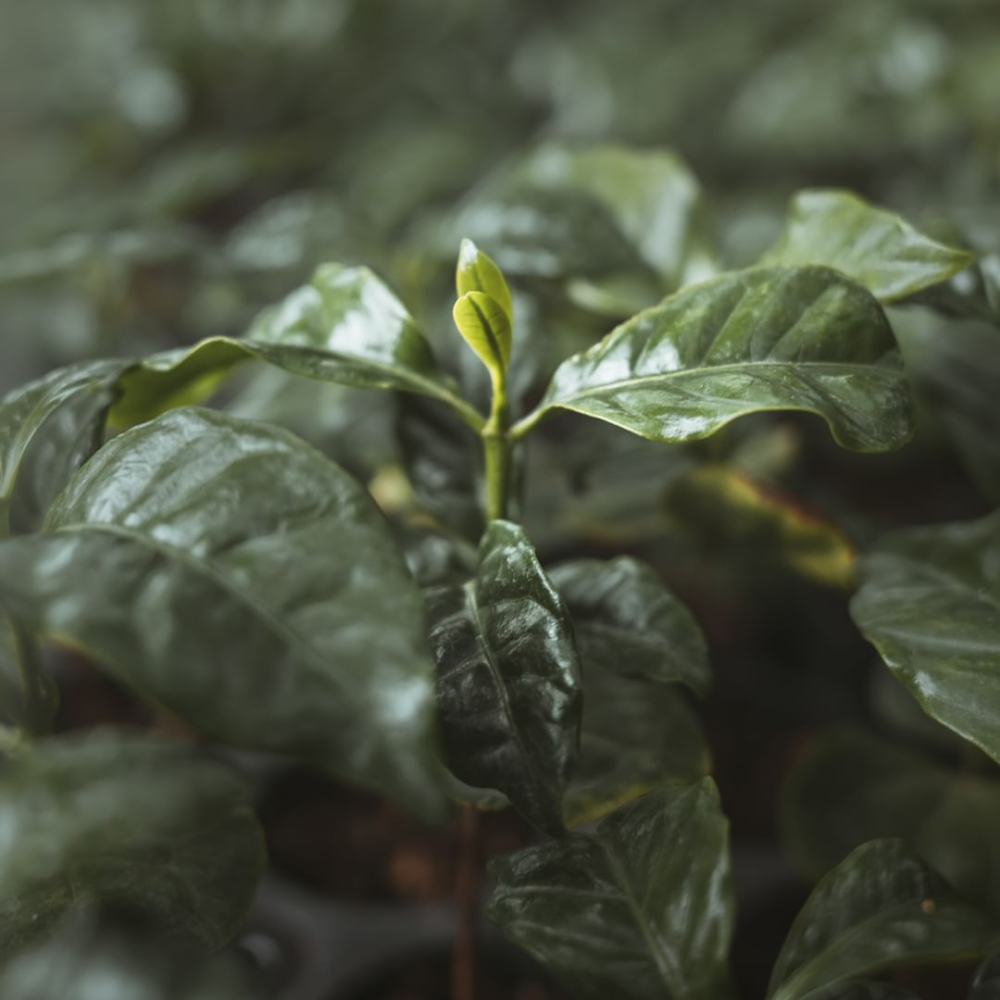
The Mt. Kenya West region, encompassing the areas of Kisi and the Aberdare Mountains, is smaller in scale but contrasts with the central regions in flavor, leaning toward softer acidity and roasted nut notes. It suits consumers who prefer lower acidity profiles.Altitude: 1450~1800 metersThe main varieties here also include SL28 and SL34.
Nyeri, located at the foot of Mount Kenya, is home to numerous renowned coffees grown in its red soils. Dominated by small cooperatives, the coffee produced here often carries intense berry juiciness along with citrus and floral notes, making it one of the key regions that put Kenyan coffee on the world map.Altitude: 1200~2300 metersIt is a quintessential high-quality producing region.
Kiambu and Muranga, on the other hand, are known for their high-altitude challenges and inland volcanic soils, respectively. Some parts of Kiambu suffer from coffee berry disease due to excessively high altitudes, while Muranga hosts numerous smallholder coffee farmers whose beans also showcase Kenya’s typical bright acidity and juicy character.Altitudes: 1850~2200 meters and 1350~1950 metersVarieties are diverse but predominantly from the SL series.
Kenyan coffee trading is primarily conducted through the Nairobi Coffee Exchange in the capital, with regular auctions held every Tuesday. Buyers can obtain samples for cupping in advance and then bid during the auction. This system is considered transparent and efficient, effectively improving coffee quality and reflecting market value. However, the auction system also has limitations—such as profits often going to intermediaries and limited traceability—so the Kenyan government has gradually relaxed direct trade restrictions in recent years, enabling farmers and roasters to trade directly, thereby increasing returns and enhancing traceability.
Kenya’s coffee bean grading system has traditionally been based primarily on bean size rather than flavor profile. Grade AA consists of beans sized 17 to 18, while Grade AB is 15 to 16—these are the two most common grades. Although Grade AA is generally regarded as superior, cupping results show that AB grade beans from different regions can also deliver outstanding flavor, with planting environment and processing methods being the key factors.
In addition to the traditional grades, Kenya also uses E (Elephant Bean), TT, C, T, PB (Peaberry), and UG grades. Among them, PB accounts for only about 10% of production but is favored in the market for its round shape and intense flavor. Furthermore, Kenya’s coffee research institutions have recently introduced a comprehensive grading system that evaluates green bean appearance, roasted bean condition, and cup quality, rating beans from 1 to 10—with 1 being the best.
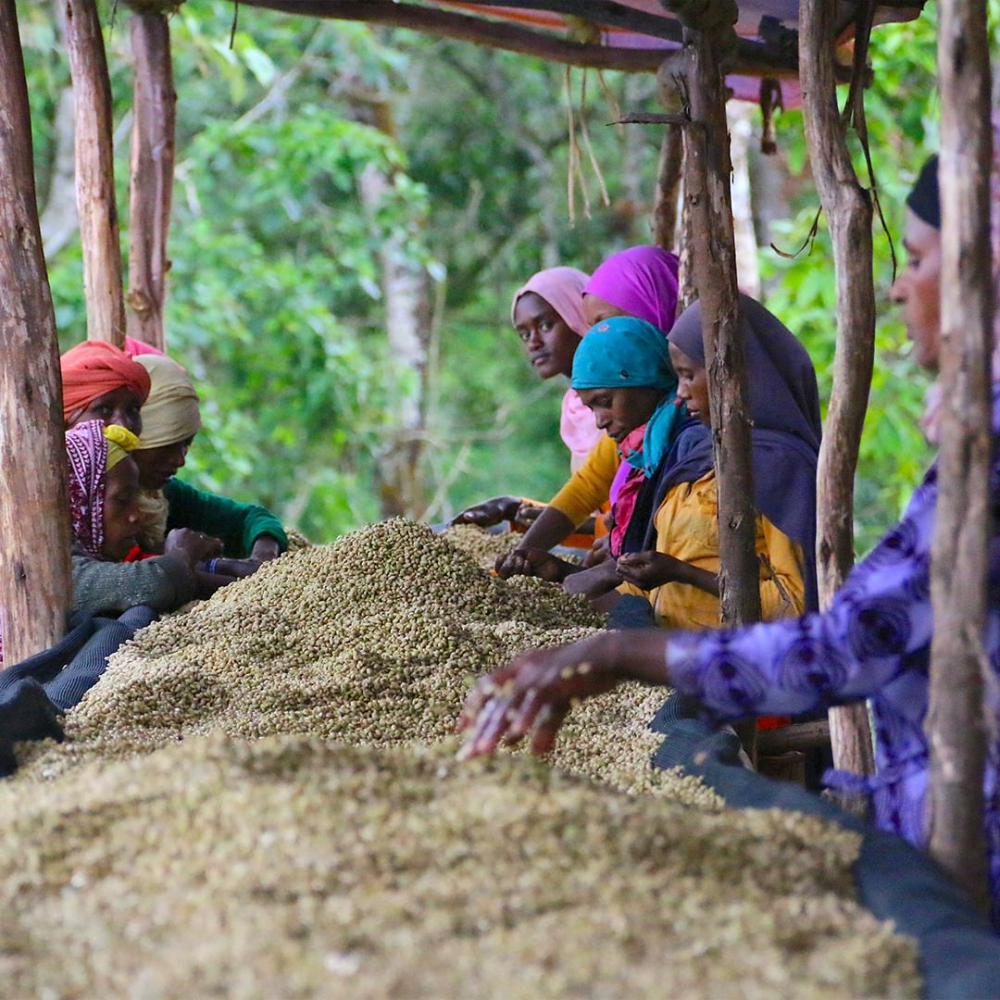
When talking about Kenyan coffee, one cannot overlook its most iconic K72 washed processing method. This approach involves three cycles of 24-hour fermentation and washing, totaling 72 hours, which effectively highlights the beans’ sweetness and acidity, and shapes the clean yet intense flavor profile unique to Kenyan coffee.
The process begins with water-based density sorting to select dense, ripe cherries. The pulp is then removed, and the mucilage undergoes its first 24-hour fermentation before being washed to remove most of it. A second 24-hour fermentation follows to further refine flavors and completely eliminate residual mucilage. Finally, the beans are sun-dried on raised beds for approximately 5 to 10 days, depending on weather conditions.
This long-duration, low-temperature fermentation method not only preserves the clarity of the acidity but also enriches the sweetness and fruity character, creating the captivating layers and aftertaste that define Kenyan coffee.
If you’d like to brew Kenya AA or AB grade coffee at home, we recommend using a V60 filter cone with medium-light roasted beans. Here are some practical parameters to try: a coffee-to-water ratio of 1:15, 15 grams of coffee, a total water volume of 225 milliliters, and water temperature controlled at91℃grind size: fine sugar consistency (approximately 80% passing through a #20 sieve, EK43s setting 10).
Here’s the step-by-step process: start with a 30-gram bloom for 30 seconds, then pour 95 grams of water (total around 125 grams), followed by the remaining 100 grams of water (total around 225 grams) at about 1 minute, finishing pouring at approximately 1 minute and 40 seconds. The total brew time should be around 2 minutes. These parameters will fully highlight the black plum, cherry tomato, brown sugar, and berry aromas of Kenyan coffee—offering bright acidity, a full body, and an aftertaste with hints of green tea and sweetness.
The above content is compiled by CoffeeHunters, a coffee news website.


