







Category: Coffee Knowledge
Complete Guide to Pour Over Brewing with Brazilian Natural Chocolata: Techniques from Hot Brew to Cold Drip to Unleash Its Flavors
Want to learn how to extract the rich dark chocolate and nutty flavors of Brazilian Natural Chocolata using the correct brewing method? This Grade NO.2 coffee bean from Minas Gerais is a top choice for many pour over enthusiasts. This article will detail every step—from basic parameters to hot pour over techniques, and even Japanese-style iced pour over procedures—covering grind size, water temperature, coffee-to-water ratio, and pouring rhythm, so you can easily brew a balanced and layered cup of coffee at home. [more…]

Guide to Iced Pour Over with Brazilian Queen Estate Natural Beans: Parameters, Flavors & Extraction Techniques
Want to explore how Brazilian coffee performs in an iced pour over? This article takes the Queen Estate Natural coffee as an example, diving deep into its regional characteristics, processing methods, and roasting profile, while also detailing the ideal grind size, water temperature, filter choice, and coffee-to-water ratio. From practical steps to flavor profiles, it guides you step-by-step to brew a clean and refreshing iced Brazilian coffee at home. [more…]
Analysis of Specialty Coffee Beans from the Five Major Central American Regions: Flavor, Varieties, and Brewing Recommendations
Central America is one of the world’s premier regions for specialty coffee. Its volcanic terrain and high-altitude environment nurture uniquely flavored Arabica beans. This article delves into the geographical conditions, coffee varieties, typical flavor profiles, and recommended brewing methods of five major regions—El Salvador, Nicaragua, Honduras, Guatemala, and Panama—to help you choose the right beans more precisely and master practical V60 pour-over techniques. [more…]
A Comprehensive Guide to Yirgacheffe Aresha Natural Beans: Flavor Profile and Brewing Parameters
The natural-process Yirgacheffe Aresha beans from a well-known coffee brand are among the representatives of Ethiopia’s Grade 1 specialty coffee, renowned for their intense tropical fruit character. This article will take you on an in-depth exploration—from the origin background and processing details, to dry and wet aromas and flavor profiles—to uncover the unique charm of this “fruit bomb.” Practical pour over recommendations and brewing parameters are also provided, offering inspiration for both beginners and advanced enthusiasts. [more…]
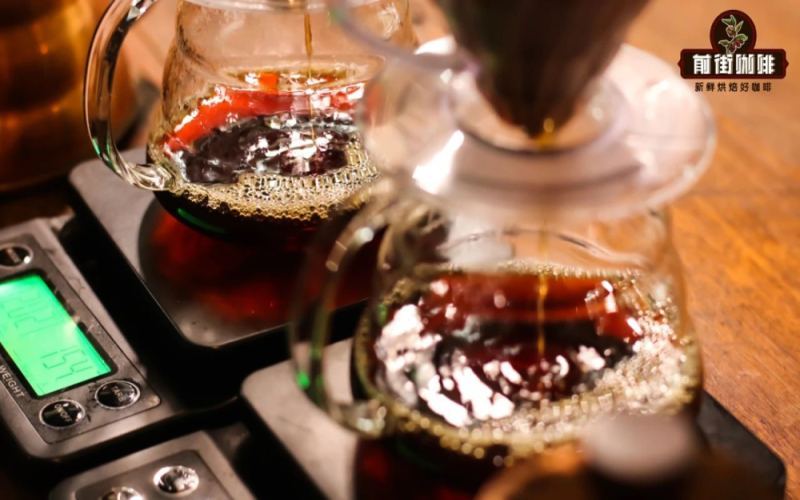
How to Choose Between Washed and Natural Yirgacheffe? A Complete Guide to Flavor Differences and Pour Over Parameters
Ethiopian Yirgacheffe is a holy grail for specialty coffee enthusiasts worldwide. Its washed and natural processing methods create distinctly different flavor profiles. This article delves into the processing techniques, grading standards, taste characteristics of both, and offers practical pour over recommendations to help you find the most suitable Yirgacheffe coffee beans based on your flavor preferences. [more…]
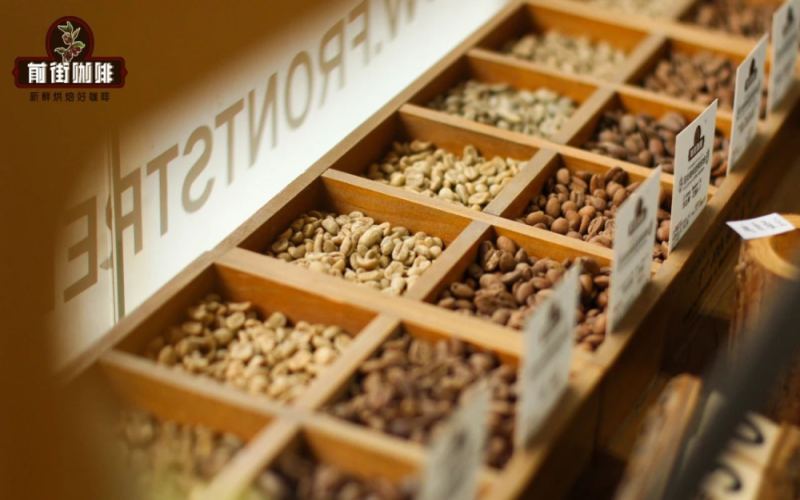
Introduction to Ethiopian Yirgacheffe Konga Natural Beans and Pour Over Brewing Recommendations
Want to explore flavor possibilities of Yirgacheffe beyond washed processing? This article takes you to the Konga Cooperative in Ethiopia, introducing its uniquely favorable growing environment, red soil characteristics, and native variety features. It also analyzes how the meticulous natural processing method influences the coffee's flavor profile. Additionally, practical pour over parameters are provided, including V60 filter settings, water temperature, brew ratio, and step brewing techniques, helping you fully master the brewing essentials and flavor profile of this natural Yirgacheffe. [more…]
Boquete Casa Ruiz, Panama: The Flavor Code and Buying Guide for Century-Old Cooperative Geisha Beans
Take an in-depth look at the Casa Ruiz Cooperative in Panama’s Boquete region. Founded in 1979 and now in its third generation of management, its member farms have achieved remarkable success in the Best of Panama auctions through eco-friendly shaded cultivation and meticulous post-harvest processing. This article explores its historical background, award-winning records, and the unique flavors of varieties such as Geisha, while also providing practical pour over brewing references to help you grasp the essence of this high-altitude specialty coffee. [more…]
Colombia Secret Garden Pour Over Guide: Extraction Parameters, Cold Drip Steps & Flavor Profile
This Secret Garden coffee from Colombia’s Antioquia region is made from Typica and Caturra varieties and features a delicate and balanced flavor profile thanks to its washed processing method. This article details its origin background, processing characteristics, and aroma profile, and provides practical pour over and Japanese-style iced pour over brewing methods, including grind size, water temperature, coffee-to-water ratio, pouring technique, and time control, helping you brew high-quality coffee with vanilla and floral notes and well-balanced acidity and sweetness at home. [more…]

Recommended Low-Acid Coffee Beans | Rich Flavor of Golden Mandheling & Pour Over Brewing Parameters Guide
Do you often drink coffee but fear acidic or astringent tastes? In fact, choosing the right bean variety and roast level allows you to enjoy a rich and smooth coffee experience. This article takes Sumatra’s Golden Mandheling as an example, deeply analyzing the low-acid characteristics and bold flavor profile of dark-roasted coffee, while also sharing practical brewing tips for pour over and other methods to help you find a rich, everyday drinking bean. [more…]
How to Brew Colombian Bi-Colored Bourbon Natural Beans? A Complete Guide to Cold Brew and Pour Over Concentration & Parameters
These bi-colored Bourbon natural beans from Colombia’s Hope Estate are renowned for their intense wine-like aroma and tropical fruit notes. This article delves into the origin background, processing characteristics, and full flavor profile of this coffee, and provides practical brewing guides for both pour over and Japanese-style iced pour over. From grind size and water temperature to pouring techniques, it details reference data and key tips to help you precisely control extraction balance, bringing out layered fruitiness and a rich mouthfeel. [more…]
Complete Guide to Pour Over & Cold Drip Parameters for Colombian Pink Bourbon | Temperature Control, Grind Size, Flavor Analysis
Pink Bourbon is an extremely rare coffee variety, descended from both Red Bourbon and Yellow Bourbon, yet genetically predisposed to produce berries of an uncommon pink hue. This coffee from Colombia's Huila region, roasted lightly to highlight bright notes of berry, green grape, and floral tones, is a highly sought-after bean among pour-over enthusiasts. This article provides a detailed breakdown of the optimal home pour-over and Japanese-style cold drip parameters—including water temperature, grind size, coffee-to-water ratio, and pouring rhythm—to help you accurately recreate [more…]
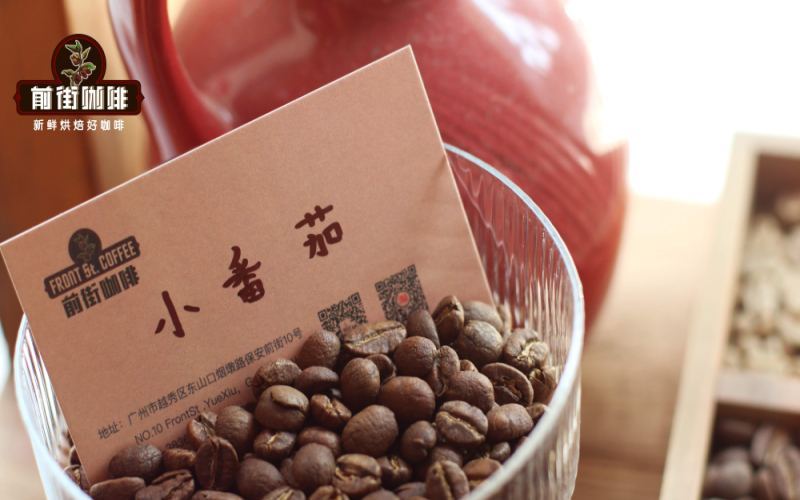
How to Brew Kenyan Coffee? A Complete Guide to Parameters from K72 Washed to 'Little Tomato' Pour Over Beans
Kenyan coffee is renowned for its bright acidity and layered fruity aromas, especially the interplay of blackberry and grapefruit flavors, making it highly favored by pour over enthusiasts. This article delves into the key processing method behind it—the K72 double washed process taking 72 hours—as well as the flavor profile of the popular 'Little Tomato' coffee beans from the Asali factory in the Thika region. It also provides pour over recommendations for lightly roasted Kenyan beans, including filter choice, water temperature control, grind size, and three-stage pouring techniques to help you fully unlock their potential. [more…]
How to Brew Kenyan Coffee? A Complete Guide from K72 Washed Process to Tomato-like Flavors and Pour Over Parameters
Kenyan coffee is renowned for its bright acidity and complex fruit flavors, particularly noted for its washed processing method and unique smallholder cooperative model. This article delves into Kenya’s coffee grading system and the distinctive features of its processing methods, focusing on the “Little Tomato” beans from the Asali Factory in the Thika region. You’ll learn about its variety characteristics and captivating flavor profile. We also provide pour over brewing tips for lightly roasted Kenyan beans, including filter dripper selection, water temperature recommendations, grind size judgment, and a three-stage pouring process — helping you easily extract the best flavors. [more…]
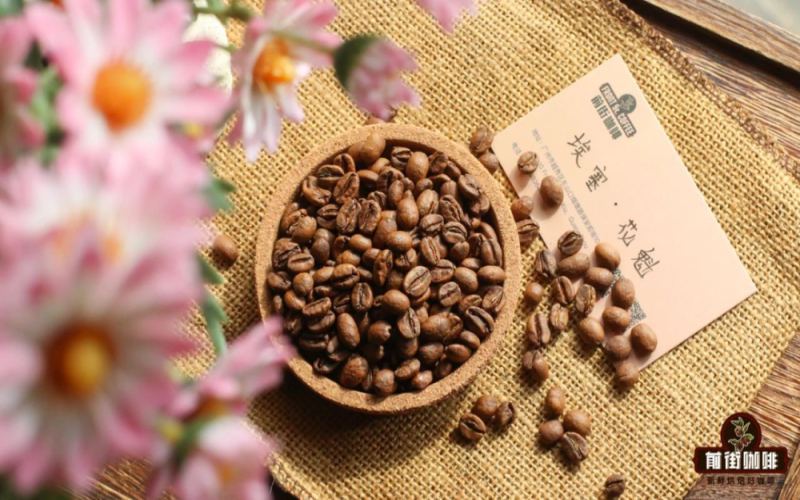
Ethiopia Guji Hambella Huacai Coffee: A Comprehensive Guide to Sun-Dried Processing, Light Roast Performance & Flavor Profile
This article provides an in-depth exploration of the renowned sun-dried Ethiopian coffee “Huacai” from the Guji-Hambella region. We cover everything from its background as a TOH Cupping Championship winner, to the unique floral and fruity aromas nurtured by its high-altitude microclimate, to the sweet and rich flavor profile brought out by sun-dried processing. We also detail two roast profiles: a medium-light roast ideal for pour over and cold brew, and a medium roast suited for espresso and moka pot brewing. Practical buying and brewing tips are included to help you find the flavor that best suits your palate. [more…]
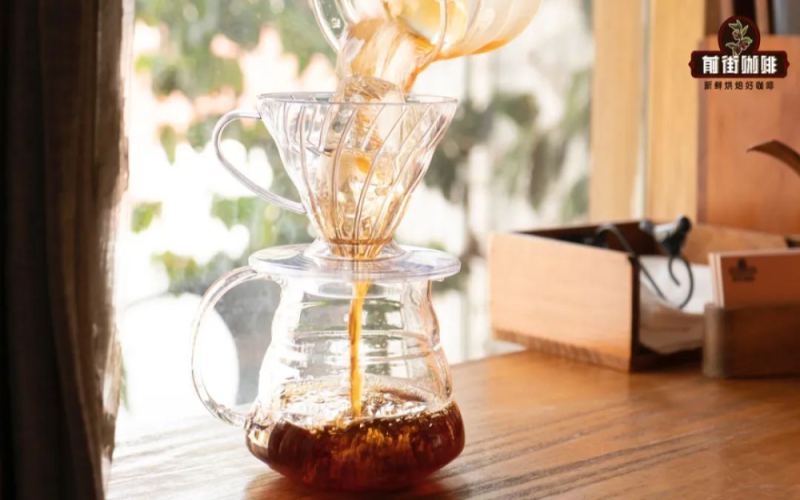
Beginner's Guide to Iced Pour Over Coffee: Full Tips on Coffee-to-Water Ratio and Ice Cube Pairing
Iced pour over coffee is an essential refreshing choice in summer, but do you know how to adjust the coffee-to-water ratio and the amount of ice cubes to balance flavor and strength? This article provides a detailed analysis of key factors affecting taste, from bean selection and the role of ice cubes, to coffee-to-water ratios and brewing timing. It also offers practical advice and parameters to help you easily brew a well-layered, non-cloying iced pour over. [more…]

Single-Origin Coffee Beginner's Guide: Regional Flavor Profiles & the Differences Between Washed and Natural Processing Methods
Explore the unique flavor characteristics of the world’s major coffee-producing regions—from the floral and fruity notes of Africa to the chocolatey tones of the Americas—and gain an in-depth understanding of how washed and natural processing methods shape a coffee’s personality. This article provides a systematic analysis of classic flavor profiles from eight major regions including Ethiopia, Brazil, and Indonesia, along with practical brewing parameters and bean variety recommendations for pour-over coffee, helping coffee enthusiasts discover their preferred flavor profiles. [more…]
Complete Guide to Pour Over & Cold Drip Brewing of Colombian Cauca Tapasco Estate Coffee | Flavor Profile & Optimal Extraction Parameters
This micro-lot coffee from Tapasco Estate in Cauca, Colombia, processed using the washed method, showcases distinctive citrus acidity and a creamy, rich mouthfeel. This article delves into the regional characteristics, processing method, and Colombia’s coffee grading system for this particular bean, and provides detailed pour over and cold brew parameters—including grind size, water temperature, coffee-to-water ratio, and pulse pouring techniques—to help coffee enthusiasts consistently extract its smooth, sweet, and layered flavors at home. [more…]
How to Choose Yirgacheffe Coffee Beans? Flavor Analysis + Pour Over Bean Recommendations & Beginner’s Guide
As a classic producing region in Ethiopia, Yirgacheffe is renowned for its unique floral aroma and citrus acidity, making it the starting point for many coffee beginners exploring specialty coffee. But with so many products on the market, how do you choose high-value beans that also meet your flavor expectations? This article provides an in-depth analysis of the typical flavor characteristics of Yirgacheffe and uses actual pour over beans as examples to offer selection advice for different budgets and brewing needs, helping you find the right choice from beginner to advanced levels. [more…]
How to Brew Colombian Tolima Wushwush Natural Beans? Pour Over & Cold Drip Parameters + Flavor Analysis
Sourced from Monteverde Estate in Colombia’s Tolima region, the Wushwush variety natural-processed beans are known for their complex fruitiness and refreshing finish. This article provides an in-depth look at the growing background and processing details of this batch, along with expert-level pour over and cold drip parameters—from grind size and water temperature to pouring techniques—to help you fully master the extraction keys of this high-altitude coffee and reproduce its tea-like softness with rich layered flavors. [more…]

Colombia San Jose Estate Rum Barrel Fermented Beans: A Comprehensive Guide to Pour Over & Cold Drip Flavors and Parameters
This article provides an in-depth exploration of the rum barrel fermented coffee beans launched by Colombia’s San Jose Estate. From the regional background, processing method to variety characteristics, it offers a comprehensive introduction to this specialty coffee that boasts flavors of wine, nuts, and tropical fruits. It also includes practical pour over and cold drip parameters, along with step-by-step extraction techniques, helping you easily brew a richly layered and multidimensional coffee experience. [more…]