








Introduction:To brew a smooth and enchanting latte at home, selecting the right espresso beans is crucial. Beyond the basic flavor profile of the beans, it's essential to consider how well they pair with milk. This article delves into how different roast levels affect the taste of a latte, explains why medium-dark roasts are favored, and analyzes how freshness influences overall performance. It also highlights three popular espresso blends on the market, covering a range of roast styles, to help readers find the ideal latte beans for their personal taste.
Brewing a satisfying latte at home starts with choosing the right espresso beans. When selecting beans, it’s important not only to focus on the aroma, body, and acid-bitter balance of the coffee itself, but also to consider its overall performance when combined with milk. The reason milk coffee is so widely loved lies in its approachable flavor, but to truly make an unforgettable latte, you have to start with the roasting characteristics of the coffee beans.
First, let’s look at how roast level practically affects the taste of a latte. The ideal latte many people pursue is a perfect balance between the aroma of the coffee and the sweetness of the milk—complementing each other without overshadowing. To achieve this kind of taste, using an appropriate amount of milk not only softens the intense flavors of the espresso but also enhances the coffee’s layered complexity. However, all of this depends on the espresso itself having enough richness and body to support the pairing with milk.
In practice, an espresso machine, through high temperature, extremely fine grinding, and high pressure extraction, amplifies the original characteristics of the coffee beans. If you use light roast beans, they often bring out pronounced acidity, which may not harmonize well with milk. On the other hand, overly dark roasts can deliver a rich taste, but if not managed properly, they can easily produce burnt or bitter notes. Therefore,medium-dark roastsof espresso beans become the top choice for most latte lovers. Common flavor profiles of these beans include chocolate, toasted bread, nuts, caramel, butter, and spices—traits that pair well with milk, enhancing the overall flavor complexity.
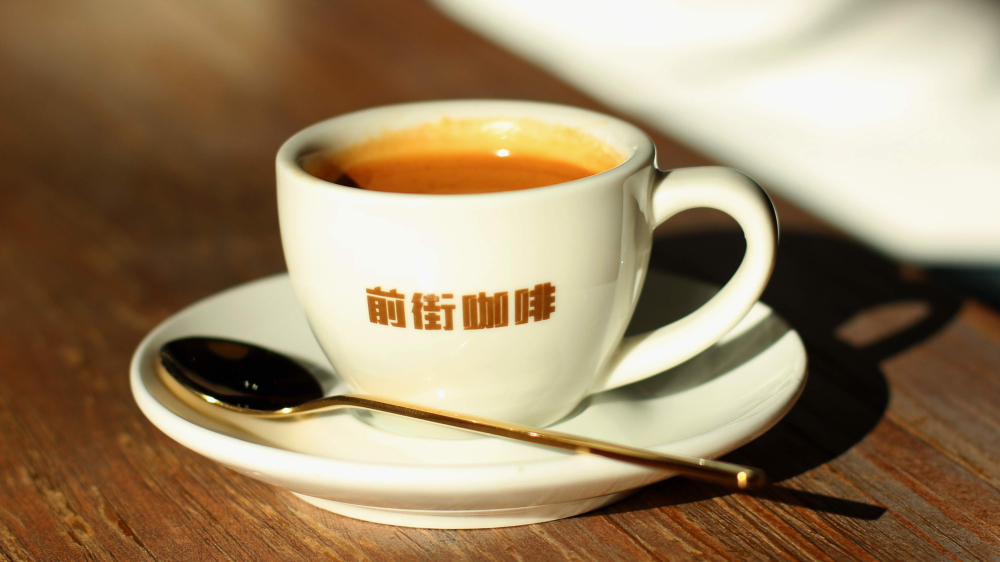
Besides roast level, freshness is also a key factor influencing the flavor of a latte. Generally speaking, the 45-day period after roasting is when the coffee beans are at their optimal flavor peak. But to ensure the flavors fully develop, it’s recommended to choosebeans roasted within 10 days to enjoy a more complete flavor experience. Especially for coffee enthusiasts focused on milk-based coffee, fresh beans provide richer aroma and texture support, making the latte taste more layered.
For espresso blends intended for lattes, there are many reputable and high-quality options on the market. Below are three popular espresso blends that represent different roast styles, for readers to choose from based on their personal preferences.
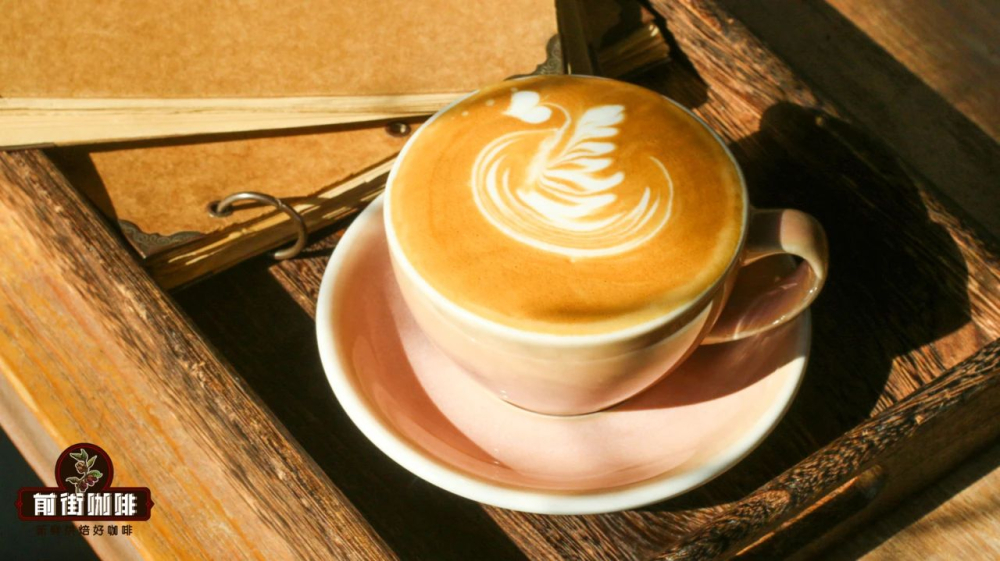
The first is a classic dark roast blend, typically featuring flavors such as caramel, butter, dark chocolate, and hazelnut cookies. This blend is usually made from beans sourced from regions like Brazil, Indonesia, and Vietnam. Through dark roasting, it fully showcases the coffee’s richness and bold character, and it’s easy to extract a rich and delicate crema. Whether used for Americano or paired with milk in a latte, it delivers a stable and layered taste experience.
The second is a medium roast strawberry candy-flavored blend, which is quite different from traditional dark roast styles. This blend combines coffee beans from Costa Rica, Ethiopia, and Colombia, with flavors leaning toward soft berries, grapes, rose floral notes, and almond aromas. The overall mouthfeel is as smooth as cream, making it suitable for those who prefer a sweet and tangy, refreshing taste and dislike overly strong bitterness. Whether used as an Americano or in a light milk coffee, it shows great approachability.
The third is a black cocoa blend highly recommended by many baristas. This is an espresso bean that emphasizes balance. Blended with Yunnan small-bean variety and Brazilian Red Bourbon, it offers gentle fruit acidity, caramel sweetness, as well as delicate nutty and dark chocolate flavors. When used to make a latte, this bean presents a silky and viscous mouthfeel, along with aromatic and sweet notes, making it a great home option for those seeking value and consistent flavor.
Finally, here are three practical tips for selecting the right espresso beans:
(1) Prioritize large-scale roasting factories. These producers usually have stable green bean sources and mature roasting techniques, ensuring more reliable product quality. Generally, these brands frequently appear at major coffee expos and are recognized as dependable sources in the market.
(2) Alternatively, you can opt for roasters or workshops with good industry reputations, but be sure to choose those with recognized reputations and proven track records, rather than those relying solely on self-promotion.
(3) If you already have a certain level of coffee tasting ability, you can also make selections based on your own judgment—choosing specific roasting companies or favorite roasters’ works—but only if you have accumulated sufficient experience and tasting background to make accurate assessments.
The above content is compiled by CoffeeHunters, a coffee news website.


