








Introduction:Although Papua New Guinea’s coffee production is limited, its unique island environment and distinctive Typica variety produce a delicate flavor profile reminiscent of Jamaica Blue Mountain, earning it the nickname “Little Blue Mountain.” This article takes an in-depth look at the Typica beans from Heaven Bird Estate, covering the growing region’s geography, the origin of the variety, the washed processing method, medium-to-dark roast recommendations, and practical Kono filter pour over parameters to help you more accurately extract this coffee’s nutty sweetness and gentle fruit acidity.
In recent years, Papua New Guinea’s coffee has gradually emerged in the international specialty market. Its unique island-style growing conditions, along with the introduction of the Typica variety from Jamaica Blue Mountain, have led enthusiasts to affectionately call it “Little Blue Mountain.” Among them, the Typica batches from Heaven Bird Estate in the Waghi Valley showcase a washed process combined with triple fermentation, bringing out pronounced toasted bread sweetness and nutty tones, complemented by subtle acidity to create a richly layered flavor profile.
The unique flavors of this coffee are inseparable from the geographical conditions of the growing region. Papua New Guinea lies between the equator and 10 degrees south latitude, featuring a typical tropical island climate. The entire territory is mountainous, with volcanic and highland terrains reaching elevations up to 2,500 meters—ideal for coffee cultivation. The region boasts diverse ecosystems, including approximately 6,500 native plant species and 380 bird species. The central mountains and eastern and western highlands are particularly key areas for specialty coffee production.
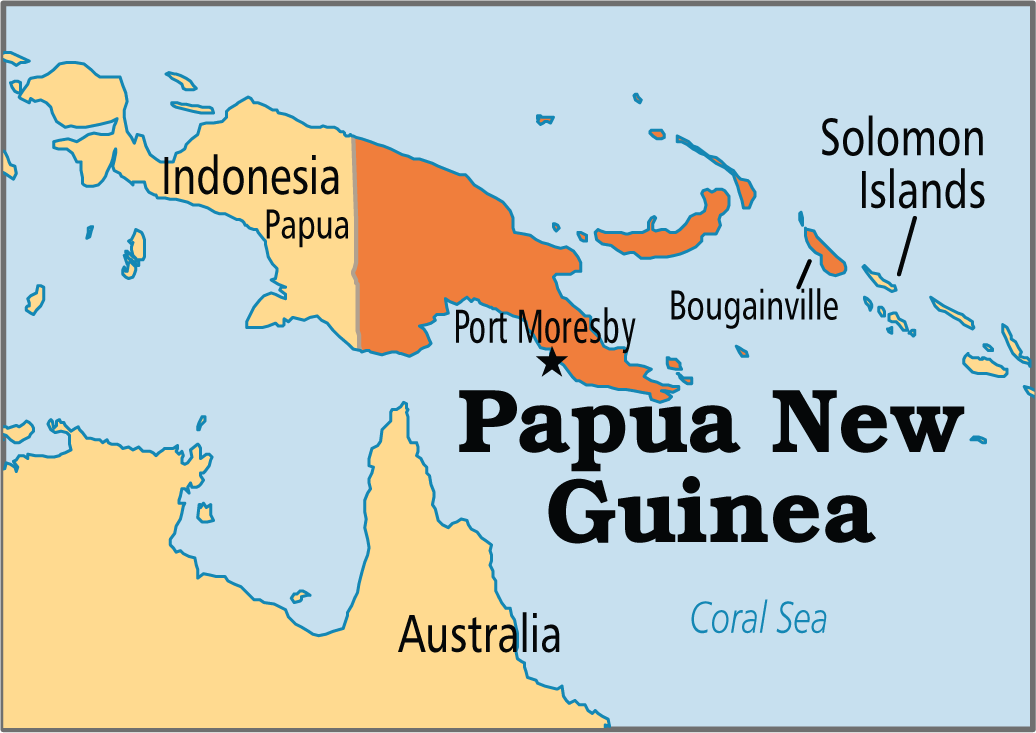
Coffee cultivation in Papua New Guinea is mainly concentrated in the eastern regions of Goroka and Kainantu, as well as around Mount Hagen in the west. Among these, the Gimli Estate in the northern part of Mount Hagen and the Waghi Valley are both renowned for their high-quality beans. Heaven Bird Estate is located in the Waghi Valley, which offers exceptionally favorable terroir. Around 85% of the coffee here is produced by smallholders using traditional washed methods, resulting in bright acidity and clear floral and fruity notes—greatly contrasting with the heavy, earthy profiles often found in Indonesian coffees.
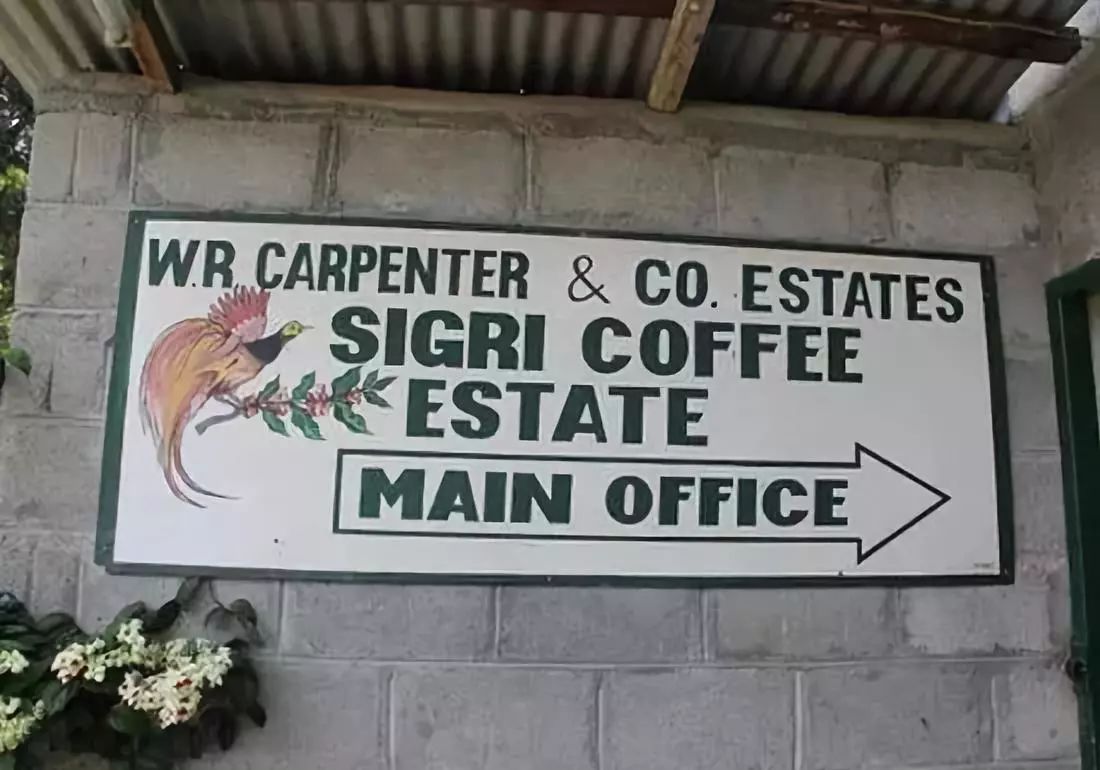
Established in the 1950s, Heaven Bird Estate is a key driver of the local coffee industry. Situated in the Waghi Valley of Western Highlands Province, the estate features mineral-rich volcanic soils and has long adhered to pesticide-free, chemical-free, friendly farming practices. These not only help maintain biodiversity but also lay a stable foundation for the coffee’s flavor. The Typica variety planted here originally comes from introductions from Jamaica Blue Mountain, thus inheriting that variety’s characteristic refinement and balance.
In terms of processing, Heaven Bird Estate employs the traditional washed method with an added triple fermentation step. Each fermentation lasts about 24 hours, during which the water is changed to effectively control the fermentation process, thereby refining a clearer and more balanced flavor profile. After fermentation, the coffee beans are depulped and the mucilage and outer skin are removed, followed by meticulous grading based on bean size and defect rate. Notably, the local grading system places a strong emphasis on bean uniformity and defect control—this is a key reason for the stability of its export quality.
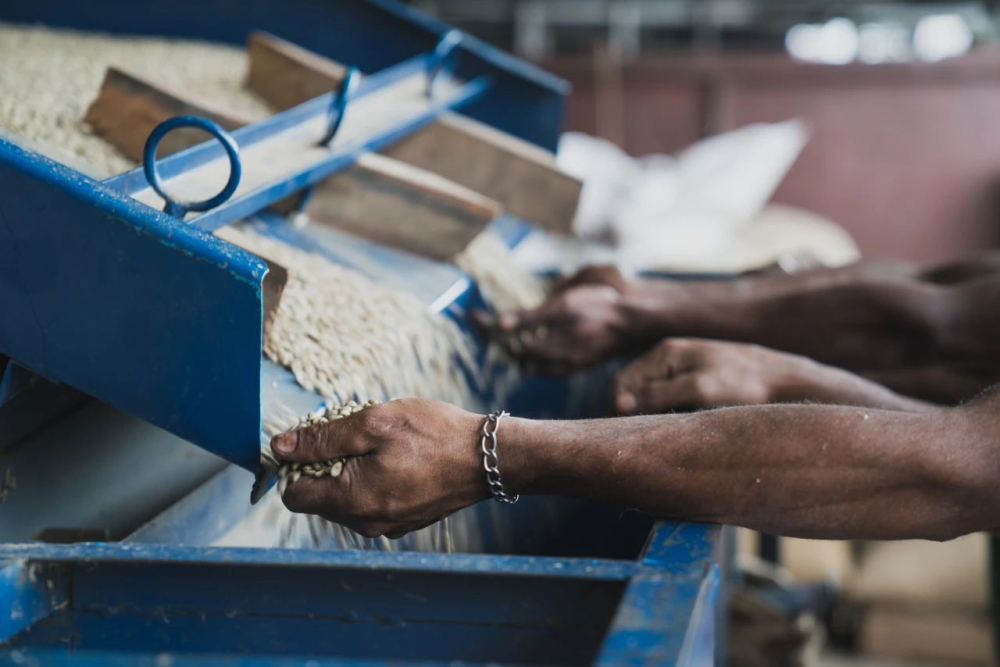
This Heaven Bird Estate Typica coffee bean is graded AA, grown at altitudes between 1,600 and 1,800 meters, making it one of the indicators of a high-altitude premium-growing region.Its flavor profile is grounded in a toasted bread-like sweetness, blended with the richness of nuts and subtle highlights of fruit acidity. The aftertaste carries a faint hint of spice, offering an overall rich yet balanced taste. It suits coffee lovers who appreciate distinct layers without sacrificing a smooth, mellow texture.
For roasting recommendations, a medium-to-dark roast can fully highlight the coffee’s nutty character and sweetness while preserving moderate fruit acidity—making it an ideal choice to showcase the bean’s personality. If you prefer a pour over experience, it is recommended to use a Kono filter. This filter’s design features a smooth upper section that helps the paper adhere closely to the walls. Combined with an immersion-focused extraction method, it helps enhance overall body and richness—especially suitable for medium-to-dark roasted beans.
Practical pour over parameters are as follows: the water temperature is recommended to be set at88℃, the coffee dosage is about15 grams, the coffee-to-water ratio is controlled at1:15, and the grind size should be such that the20-mesh standard sieve passes 70–75%of the grounds—slightly coarser than typical medium-roast beans to avoid over-extraction and bitterness. During brewing, a three-stage pouring method is recommended: the first stage involves pouring30 grams of water for a 30-second bloom; the second stage continues pouring until the total reachesapproximately 125 grams, maintaining a steady flow; once the water level drops by half, pour the final stage until the total reaches225 grams. The total brew time is about2 minutes, yielding a pour over coffee with balanced flavor and clear layers.
Whether you’re trying Papua New Guinean coffee for the first time or looking to expand your experience with high-altitude Typica varieties, this bean from Heaven Bird Estate is a choice worth exploring in depth. Mastering the right roasting and brewing essentials will fully unlock its unique tropical terroir and refined craftsmanship charm.
The above content is compiled by CoffeeHunters, a coffee news website.


