







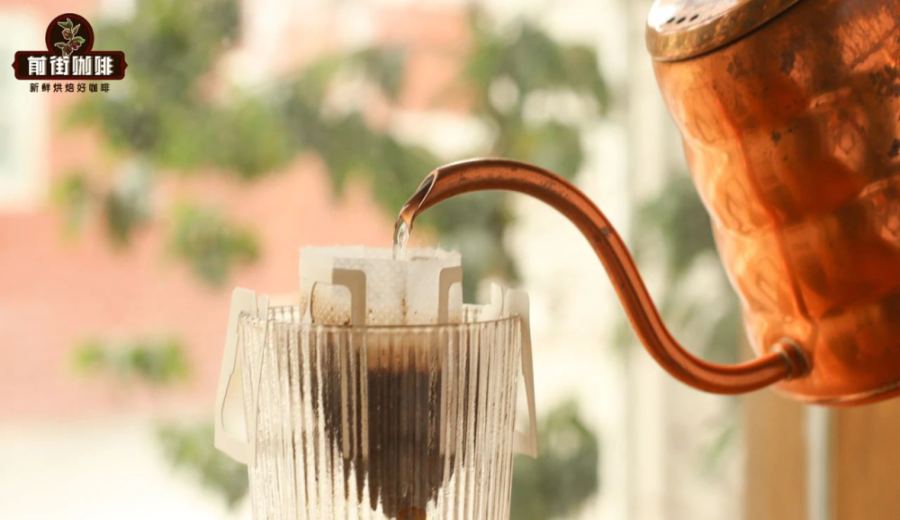
Introduction:Drip bags have become the go-to choice for many people’s daily coffee enjoyment due to their convenience and pour over-like flavor. But do you know about their invention journey? From a single-ear patent in 1990 to today’s double-ear design, how did drip bags evolve and secure their place in the market? This article delves into their history, differences from pour over, and categorizes them by actual flavor profiles, offering detailed brewing suggestions for both hot and iced methods to help you easily and consistently brew delicious drip coffee.
Drip bags combine convenience with extraction quality close to that of pour over, making them an ideal choice for many busy individuals or those new to coffee. With just a drip bag, filter cup, and hot water, you can enjoy high-quality coffee similar to pour over at home, in the office, or on the go—without the need for complicated equipment. However, this seemingly simple form of coffee has a development history that spans from patent research to market maturity.
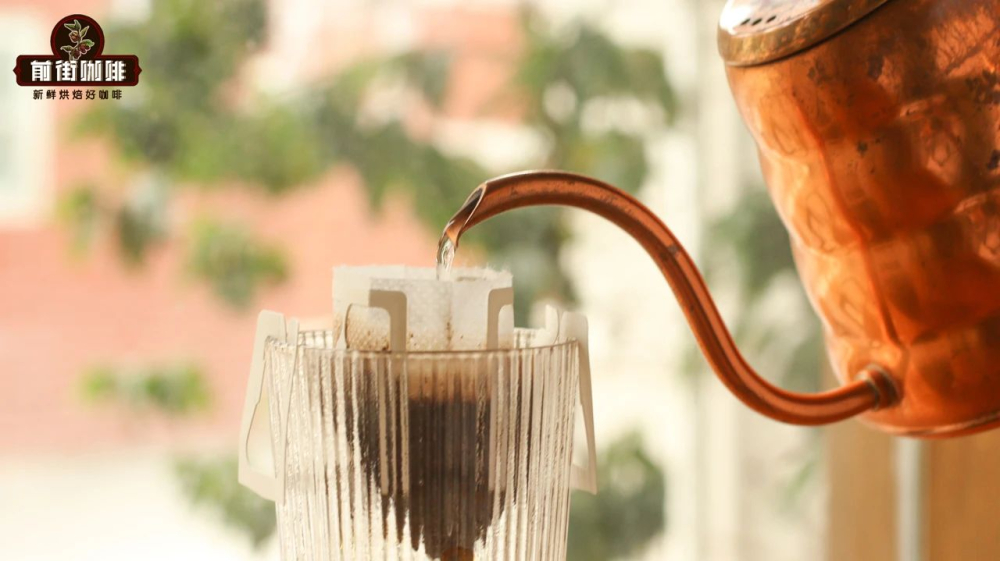
The core of a drip bag lies in its filter pouch with “ears.” These so-called “ears” are actually two small extended cardboard flaps designed to securely hold the filter bag on the rim of a cup, allowing hot water to evenly pass through the coffee grounds and extract flavors. This design originated in Japan, initially aiming to offer a richer alternative to instant coffee while being more convenient than pour over.
Going back to 1990, Japan’s Yamakan Industry Co., Ltd. was the first to propose the concept of drip coffee and applied for a patent. Notably, the design at the time featured only a single ear, with limited stability and extraction performance. By 1996, Daiki Shoji Co., Ltd. introduced an improved version that moved the ear structure down to the lower edge of the filter bag, but it still maintained a single-ear design. It wasn’t until 1999 that Daiki Shoji made another breakthrough by applying for a double-ear patent with the European Patent Office. This innovation allowed the filter bag to open more stably on the cup rim, effectively improving extraction efficiency and convenience, and eventually became the mainstream market design.
In 2001, this repeatedly improved drip coffee was officially launched and quickly gained popularity for its simplicity, portability, and pour over-level flavor. To this day, in Japan, drip coffee accounts for approximately 15% of the general coffee consumption market, demonstrating its popularity and practical value.
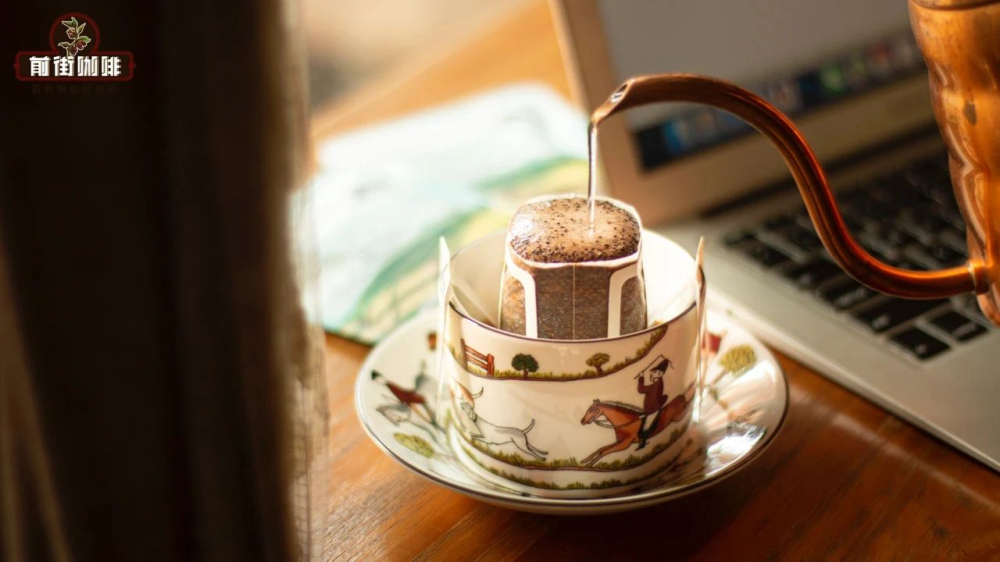
For consumers, drip bags are not only convenient but also offer the opportunity to explore a variety of flavors. Depending on factors such as origin, variety, and processing method, the flavor profiles of drip bags can be quite diverse. Based on popular preferences, they can generally be divided into three categories: bright fruity and acidic, rich nutty, and bold wine-like.
Readers who enjoy fresh fruity acidity and floral notes can look for products with white floral, lemon, or citrus characteristics. For example, certain washed beans often exhibit bright acidity and tropical fruit aromas, with descriptors like rose, lemon, and cherry tomato commonly representing this flavor type. Additionally, if you like dried fruit or berry flavors, you might choose drip bags described with terms like tropical fruit, rose, or dried fruit.
If you prefer a richer taste with low acidity and a full body, medium to dark roasted drip bags are recommended. These products often showcase aromas of nuts, chocolate, caramel, and even cream, with lower acidity but rich layers and a full mouthfeel. Common roast flavor descriptions include nuts, cocoa, cream, and caramel—perfect for those who enjoy a more grounded flavor profile.
For users seeking more complex flavor layers, wine-like or intensely fruity drip bags are a great option. These coffees often carry fermentation aromas reminiscent of wine or berry liqueurs, or even sweeter fruit layers. Descriptions that mention wine, berries, strawberries, or peaches usually represent this flavor direction.
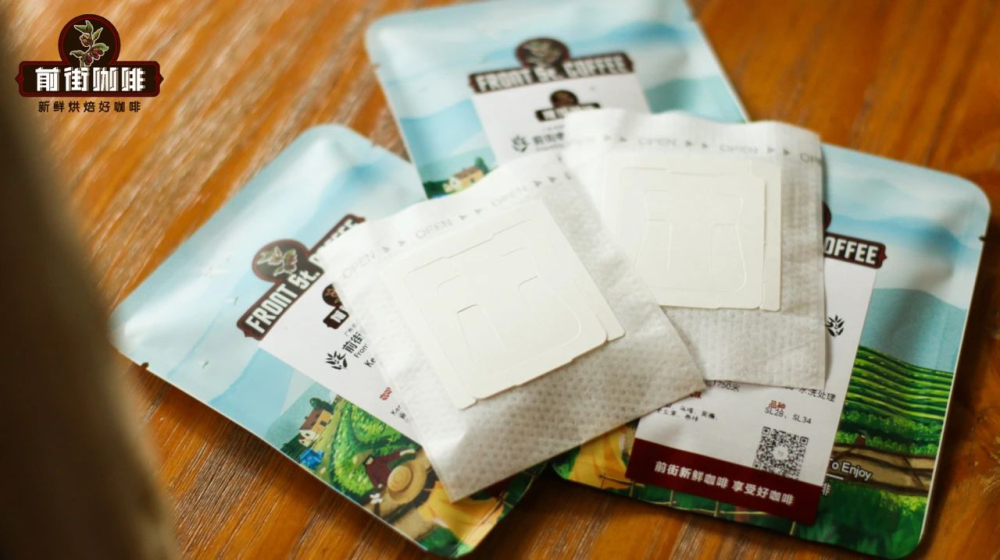
When it comes to brewing, one of the advantages of drip bags is that they don’t require elaborate equipment—just hot water, the filter bag, and a cup are enough to complete the extraction. But if you want to consistently brew great-tasting coffee, there are still some parameters and techniques worth paying attention to. A pour over-style coffee-to-water ratio is generally recommended, around 1:15 to 1:18. For a 10g coffee pack, a total water volume of 150–180ml is ideal.
During brewing, it’s suggested to first pour a small amount of hot water to bloom the coffee grounds for about 10 seconds. This helps release CO₂ and activate the flavors. Then, you can proceed with a three-stage pour: the first pour to about half the height of the filter bag, the second and third pours continuing until it reaches about eight-tenths full. Allow the drips to finish between each pour to effectively avoid channeling and maintain a stable extraction rate. The total brew time is about one and a half minutes. If you prefer a lighter taste, you can add an additional pour to reach a total water volume of 180ml.
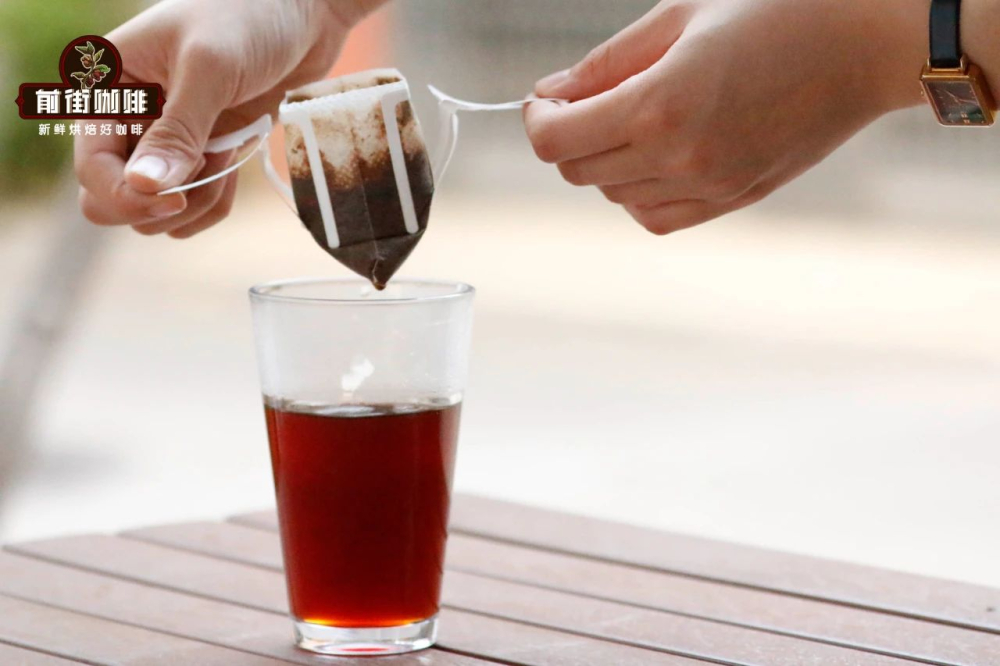
As for iced drip or chilled-flavor drip bags, it’s recommended to adjust the coffee-to-water ratio to 1:10, reducing the total water volume to about 90–105ml. Similarly, begin with a bloom, then proceed with a three-stage pour, but keep each stage’s water level around half the height of the filter bag. This extends the extraction time and pairs well with subsequent ice addition for cooling, helping concentrate flavors without dilution. Using a narrow-spout kettle allows for more precise control of water flow, preventing the filter bag from filling too quickly and affecting overall extraction quality.
In summary, drip coffee is a coffee solution that balances convenience and flavor. Whether you’re after bright fruity acidity, a rich mouthfeel, or complex wine-like notes, you can enjoy a high-quality coffee experience through proper selection and precise brewing.
The above content is compiled by CoffeeHunters, a coffee news website.


