








Introduction:Café Bombón is a regional specialty coffee originating from Valencia, Spain, made simply with espresso and sweetened condensed milk. It features distinct layers and a sweet yet not cloying taste. This article delves into the origins of this sweet espresso beverage, compares it with Spanish latte, and provides a recipe with easy-to-follow proportions, brewing parameters, and steps that you can easily recreate at home—allowing you to experience the perfect harmony between rich milk aroma and coffee crema.
The unique bitterness of espresso deters many people, which is why it’s often balanced with milk, sugar, or sweetened condensed milk. Among these, Vietnam’s ca phe sua da uses a generous amount of condensed milk to neutralize the sharp bitterness of coffee, becoming a classic representative in Southeast Asia. Today, we’re introducing a regional specialty from Valencia, Spain—Café Bombón. This coffee also uses condensed milk as its sweetening medium, but its composition is extremely simple, consisting of just two ingredients: espresso and condensed milk. Yet, it delivers a visually layered presentation and a smooth, rich taste.

Café Bombón is highly popular locally, not only because it’s easy to make, but also because it showcases the excellent fusion of espresso and sweet ingredients. Compared to the so-called “Spanish latte” that has gained traction in recent years, although the name sounds regionally authentic, the “Spanish latte” is not actually a native Spanish drink—in fact, it’s rarely found on the menus of local cafés. In contrast, Café Bombón is the true Spanish condensed milk coffee, believed to be the inspiration for many sweet-style Spanish coffees, including some versions of Spanish latte launched by chain brands.
“Bombón” in Spanish means “candy” or “chocolate dessert.” Although Café Bombón itself contains no chocolate, its sweet and rich flavor often leads to its figurative translation as “candy coffee.” The reason this coffee hasn’t become widespread across Spain is that it is a regional specialty of Valencia. Outside this city, it’s almost impossible to find on menus elsewhere. However, with the right recipe and brewing technique, you can easily recreate this fragrant, Spanish-style sweet coffee at home.
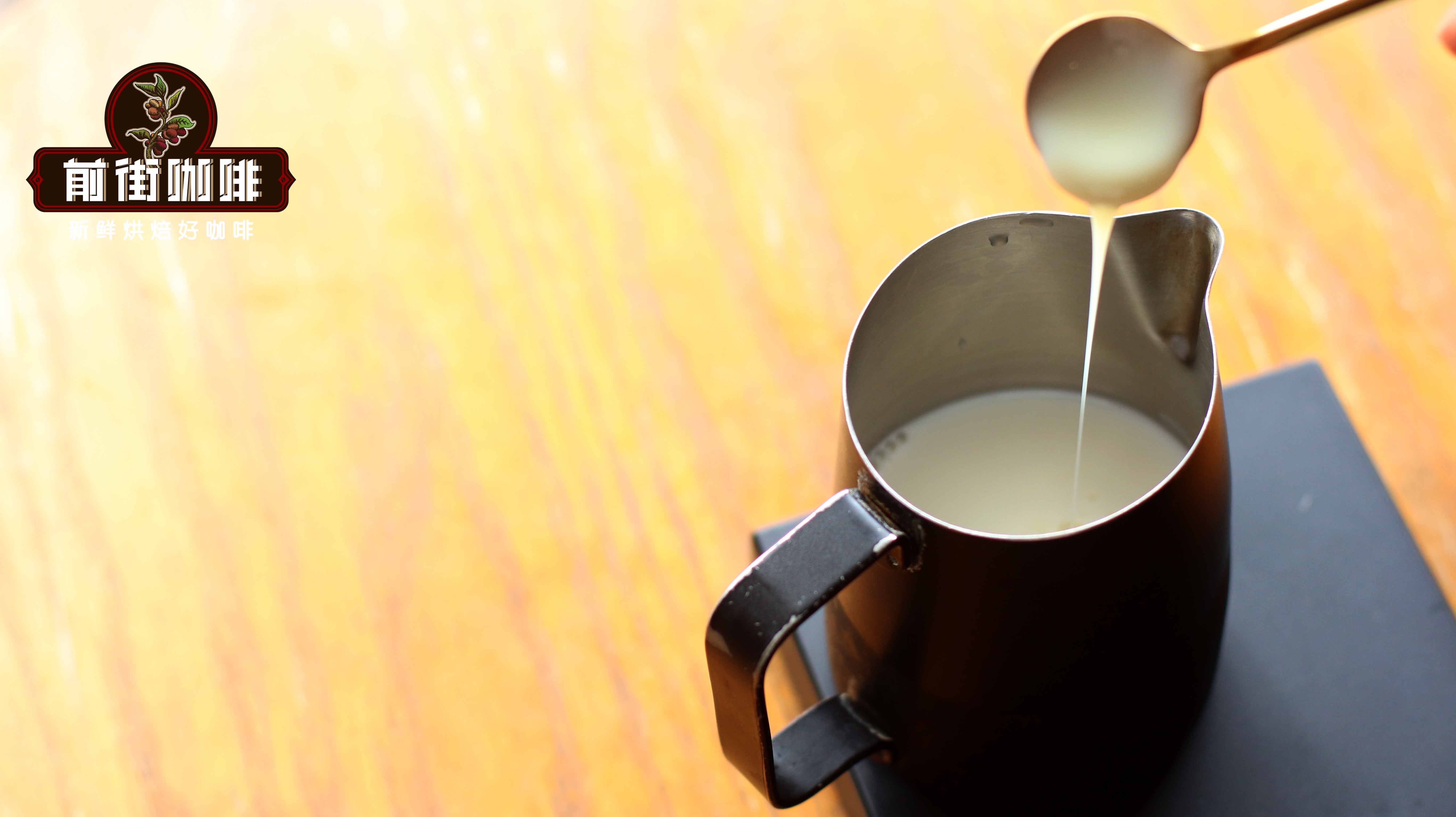
The ingredients for making Café Bombón are minimal—you only need espresso and condensed milk. For the espresso, it’s recommended to use a blend with prominent flavor notes and rich crema, such as a nutty specialty blend, or a commercial or classic blend with notable crema performance. If you prefer an economical yet well-balanced option, you might also consider a dark cocoa-based blend. Such beans are commonly found on the recommendation lists of professional cafés and are suitable for daily brewing and home use.
As for the condensed milk, it’s recommended to choose a regular brand that can be stored at room temperature or refrigerated—there’s no need for specially formulated or low-sugar versions, in order to maintain the original sweetness and thick consistency. In terms of proportion, the most classic Café Bombón uses a 1:1 ratio of espresso to condensed milk. That is, if you extract 40 ml of espresso, you add 40 ml of condensed milk accordingly. However, since condensed milk already contains high sugar content, a direct 1:1 mix may turn out overly sweet and cloying. Therefore, it’s suggested to fine-tune the ratio to 1:0.8 or 1:0.7, adjusting the sweetness according to personal taste.
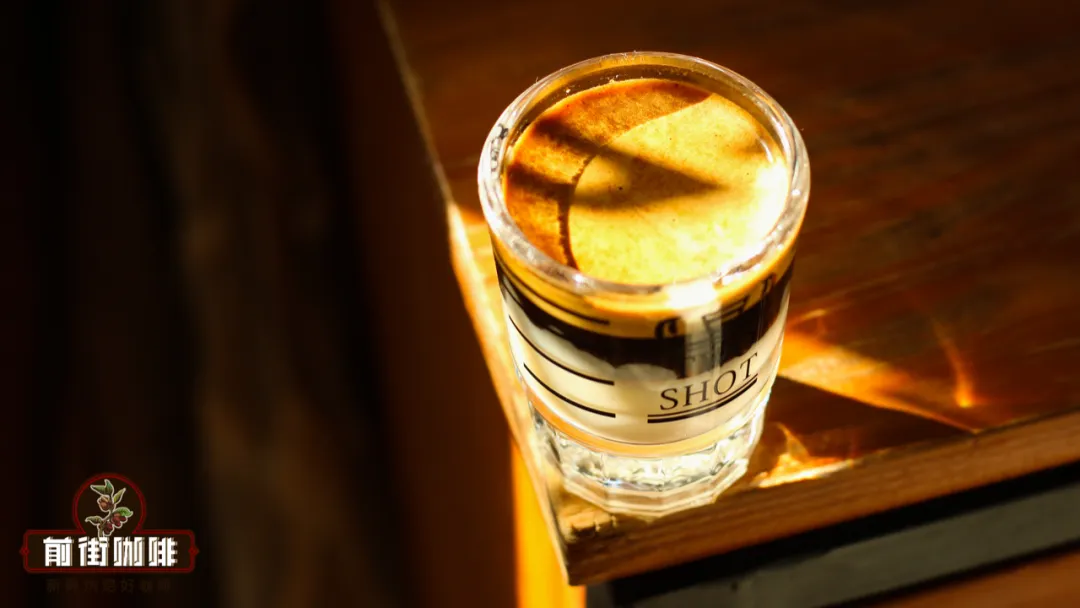
Another small tip is to choose a clear glass cup as the vessel, with a capacity of about 100 ml—preferably slightly larger than the total liquid volume to allow space for the crema. This way, you can clearly appreciate the beautiful natural layering that forms between the espresso and condensed milk, and also avoid issues with uneven mixing caused by the floating crema layer. It’s advisable to use a cup with a capacity of at least 120 ml to prevent spillage or affect the visual appeal.

During actual preparation, start by pouring about 30 ml of condensed milk into the bottom of the transparent cup and let it settle to form an even surface. Then proceed with the espresso extraction, using about 19 to 20 grams of coffee grounds, and control the extraction time between 25 to 32 seconds, aiming for a liquid yield of 36 to 40 ml. Place the cup containing the condensed milk under the espresso machine, ensuring that the espresso is slowly poured into the cup without actively stirring, in order to maintain the clear layered visual effect.
After the espresso has finished extracting and has rested for a few seconds, you can gently stir from the bottom up with a small spoon to mix the condensed milk and espresso evenly. Skipping this step may result in the two components remaining unmixed for a long time due to density differences, affecting the final flavor release. After a light stir, the first sip will often bring out the intense aroma of the condensed milk, followed by the richness and fine crema of the coffee. Some blends may also reveal flavor layers of caramel, toffee, or nuts, delivering a rounded taste with a long aftertaste.
If you’re not used to overly sweet drinks, it’s recommended to adjust the condensed milk ratio to 1:0.5—that is, 40 ml of coffee to 20 ml of condensed milk. This way, you can enjoy the harmony between coffee and condensed milk without it being too sweet. No matter how you adjust the ratio, the gradient aesthetics in the transparent cup and the fusion of aromas are the most captivating aspects of this Spanish specialty coffee.
In summary, Café Bombón is an ideal entry choice for coffee beginners and those who love sweet flavors. Not only is it easy to make, but it also doesn’t require specialized equipment. By mastering the right proportions and extraction time, you can enjoy this classic sweet espresso originating from Valencia, Spain, in the comfort of your home. By carefully adjusting the ratio of condensed milk to coffee, you can also find your own perfect cup of “Spanish-style candy coffee.”
The above content is compiled by CoffeeHunters, a coffee news website.


