







Introduction:This article delves deep into the two main varieties under the renowned Diamond Mountain series of Finca El Paraíso—Caturra and Catuai—providing a comprehensive analysis of the differences between washed and natural processed beans through aspects such as origin environment, varietal characteristics, processing methods, and flavor profiles. Readers will learn how to bring out this coffee’s citrus acidity, nutty tones, and chocolatey foundation through roast levels and brewing techniques, along with practical brewing parameters and varietal selection recommendations.
The Diamond Mountain (Diamond Mountain) series from Finca El Paraíso is one of the estate's most iconic specialty coffee brands, with its green beans primarily sourced from two high-altitude independent farms: Jaramillo and Canas Verdes. These growing areas boast fertile volcanic soils, along with natural shading provided by surrounding virgin forests, creating ideal conditions for coffee trees. As a result, these green beans exhibit intense fruity aromas and pronounced sweetness. Among many specialty coffees, Diamond Mountain stands out with its unique flavor profile, making it another popular choice after the Geisha variety.
This coffee is mainly planted with two varieties: Caturra and Catuai. Among them, Caturra is a natural mutation of the Bourbon variety, first discovered in Brazil in 1937. It is characterized by relatively short plant stature, which facilitates harvesting, and a broad altitude adaptability—generally between 700 to 1700 meters. Generally, the higher the altitude, the richer the flavor, though yield tends to decrease. Although Caturra has slightly better disease resistance and productivity than traditional Bourbon, it retains the latter’s distinctive traits of notable sweetness and soft acidity.
Catuai, on the other hand, was hybridized in 1949 from the Yellow Caturra and the New World variety, originally designated as H-2077. Interestingly, “Catuai” means “very good” in Guaraní. One of its parent varieties, New World, is a natural cross between Bourbon and Typica. Catuai combines the strengths of both parents—not only offering high yield and strong disease resistance, but also exhibiting clean and bright flavor notes, with clear acidity and a full-bodied mouthfeel. Due to its shorter plant height, planting density can be nearly double that of Bourbon, making it highly favored by both commercial and specialty coffee farms.
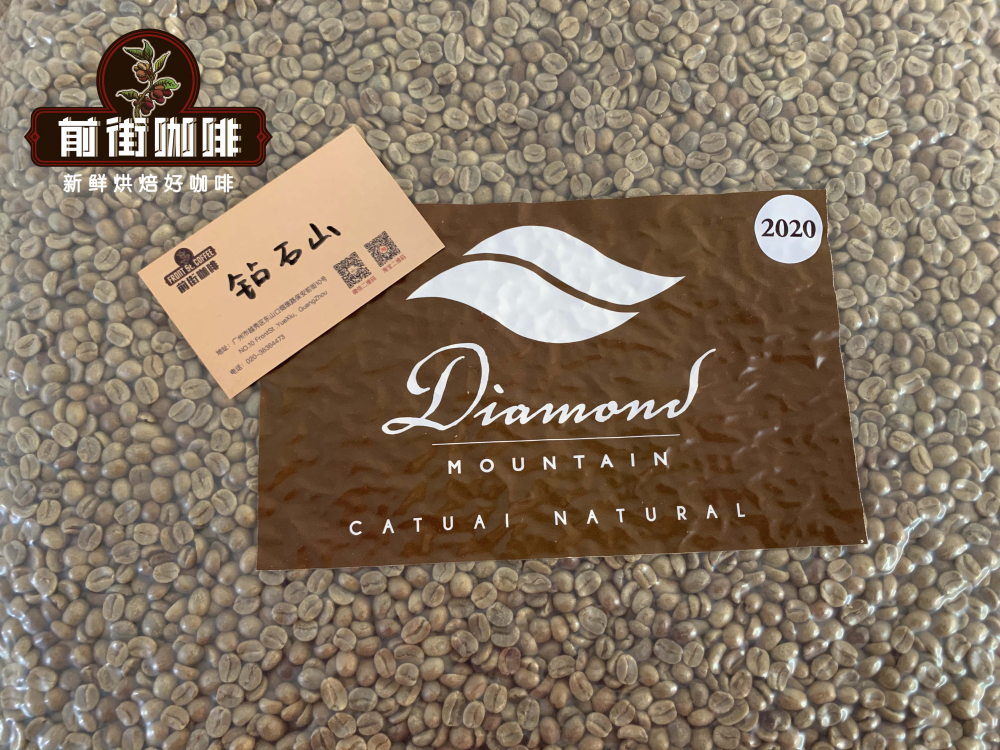
The washed version of the Finca El Paraíso Diamond Mountain coffee introduced by the farm often presents bright flavors of grape, orange, and cream candy. It is suitable for medium-light roasts, with balanced acidity and sweetness, featuring soft sweetness and delicate fruitiness. In contrast, the natural processed batches emphasize a base of nuts and chocolate, resulting in a richer and fuller flavor profile. A medium roast can fully showcase its mellow characteristics. These flavor expressions are derived not only from the varieties themselves but are also closely related to the farm’s mature post-harvest processing techniques.
Finca El Paraíso’s natural processing method is one of its highlights. After harvest, the coffee cherries are immediately taken to the patio for natural drying. During this process, the pulp and seeds are exposed to the sun together, allowing the coffee beans to gradually absorb the natural sugars from the pulp, thereby developing richer fermented aromas and fruity notes. Depending on daily weather conditions and the drying area, the coffee is typically sun-dried on flat concrete platforms for 3 to 5 days, with about 8 hours of even exposure each day. Once the moisture content reaches a certain standard, the beans are transferred to a Guardiola hot-air dryer for low-temperature rotary drying over 72 hours. This step effectively stabilizes the moisture content and prevents over-fermentation or mold.

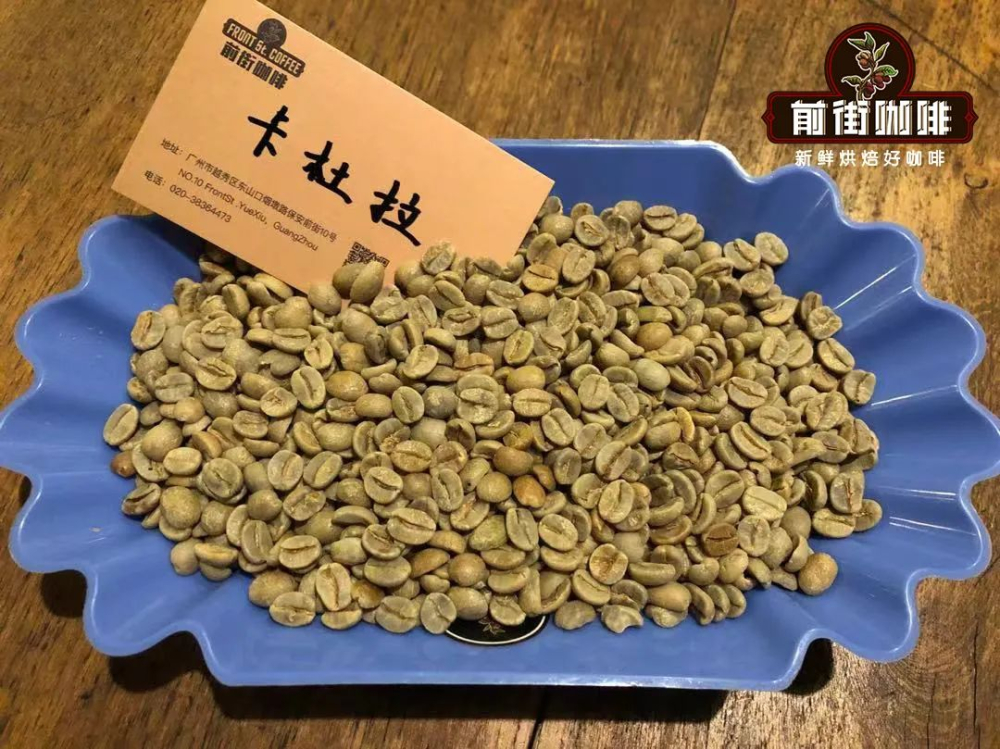
After the drying process is complete, the green beans are temporarily stored in nylon bags and undergo a 30 to 45-day maturation period (reposo) in a controlled constant temperature and humidity storage environment. This stage is also known as the “resting period,” which helps further integrate the internal flavor compounds of the beans, thereby enhancing extraction performance. It is worth noting that natural processed green beans usually appear light yellow in color with more silver skin residue. Caturra beans tend to be more slender with slightly curved ends, while Catuai beans are flatter in shape with longer, narrower tails—these physical traits help with sorting and roasting identification.
To fully highlight the red berry notes and bright acidity of Diamond Mountain coffee, roasters often opt for a medium-light roast to preserve its vibrant citrus notes and floral-fruity aromas. For brewing, a medium-fine grind (similar to fine sugar granules) is recommended, using the pour over method with water temperature controlled between 90 to 93°C. The suggested powder-to-water ratio is set at 1:15 to 1:16. The initial blooming phase can be slightly extended to help bring out the fruity acidity, while the middle to later stages should maintain a stable flow rate and extraction rhythm to balance sweetness and body.
Overall, Finca El Paraíso’s Diamond Mountain coffee, with its uniquely advantageous growing environment, the complementary traits of its two main varieties, and its rigorous post-processing procedures, satisfies the taste preferences of different coffee enthusiasts whether through the bright fruitiness of the washed version or the rich chocolate and nutty base of the natural batches. For those wishing to explore the flavor profiles of Central and South American specialty beans, or seeking a coffee with balanced acidity and sweetness suitable for everyday drinking, this coffee is a highly worthwhile choice.
The above content is compiled by CoffeeHunters, a coffee news website.


