







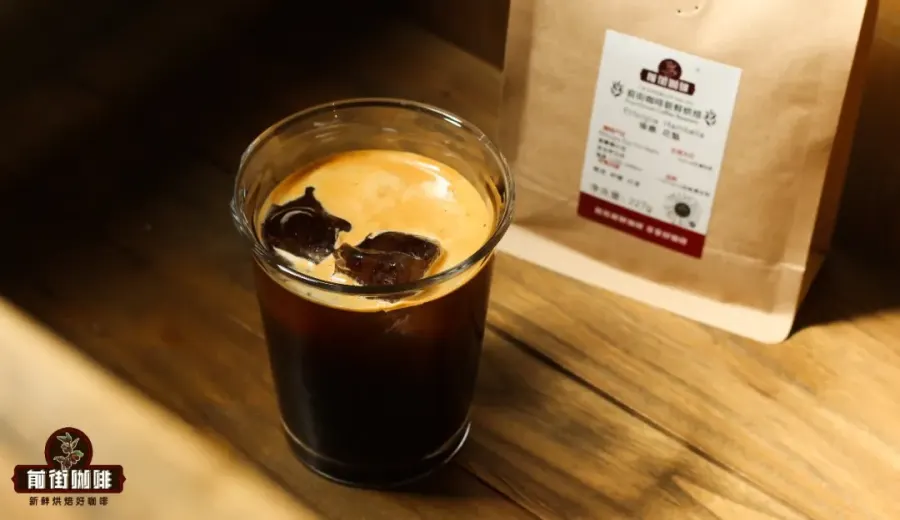
Introduction:SOE (Single Origin Espresso) has become a focal point for many coffee enthusiasts in recent years, but what exactly is the difference between it and traditional blends? Which one is more suitable for your daily consumption or café use? This article delves into the differences between single-origin and blended beans, covering roasting flavors, extraction performance, and practical application scenarios. It helps you understand the characteristics and limitations of SOE, while also providing practical bean selection advice and the flavor profiles of classic blends—so you can find the coffee flavor that suits you best.
In today’s espresso scene, SOE (Single Origin Espresso) has gradually become a hot topic. As the name suggests, SOE refers to espresso made using coffee beans from a single origin. However, this doesn’t necessarily mean it is more delicious or suitable for all situations than blends. This article will start with basic definitions, explore the essential differences between single-origin and blended beans, and analyze how while SOE can highlight unique flavors, it may also amplify the beans’ inherent flaws. At the same time, through practical observation, we’ll examine how light-roasted beans may lead to excessive acidity and thin body during espresso extraction, and provide selection advice for café owners and home users.
Many factors influence the flavor of a cup of coffee, including roast level, grind size, water quality, and extraction parameters. SOE only means that the espresso is made from beans of a single origin, but these beans are not necessarily superior in quality compared to blended beans. So-called single-origin beans usually come from the same region or even the same processing facility—for example, a whole batch sourced from a specific micro-region in Yirgacheffe, Ethiopia. If a bag contains beans from different regions or processed by different methods, it is considered a blend.
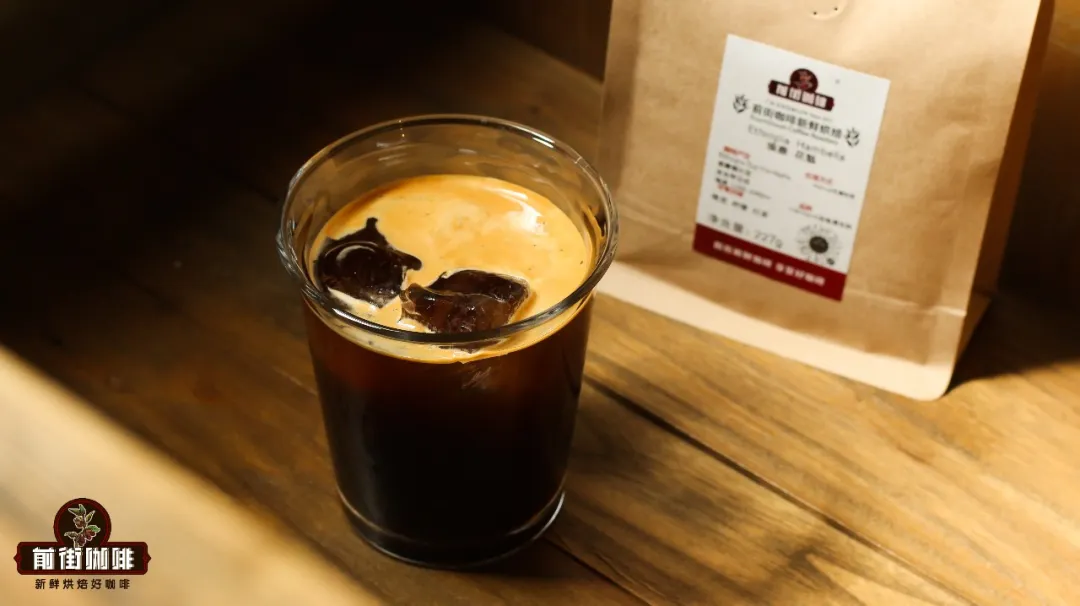
However, not all single-origin beans are suitable for making espresso. The reason espresso is so widely loved is its ability to extract a rich and stable coffee liquid under high pressure and temperature, offering a full body and balanced flavor. But precisely because of this highly concentrated extraction method, even minor flaws in the beans—or if the roast fails to fully develop their potential—can magnify undesirable tastes in the espresso, leading to an unbalanced overall flavor.
Although SOE is often thought to showcase more distinctive flavors, this doesn’t make it synonymous with specialty coffee. When using single-origin beans with bold personalities to make SOE, it is indeed possible to produce uniquely styled espresso. For instance, beans from certain origins may exhibit pronounced citrus, berry, spice, or herbal notes when brewed as SOE—flavors that might be more subtle in pour-over but become more prominent in espresso. However, acidity may also be amplified, affecting overall balance.
Practical observations have shown that using lightly roasted beans for espresso often results in excessively sharp acidity. If not properly balanced, this acidity can make the drink taste thin and watery—lacking the desired richness and roundness—whether milk is added for a latte or water for an Americano. Therefore, roast level and bean variety should be chosen based on the final method of consumption.
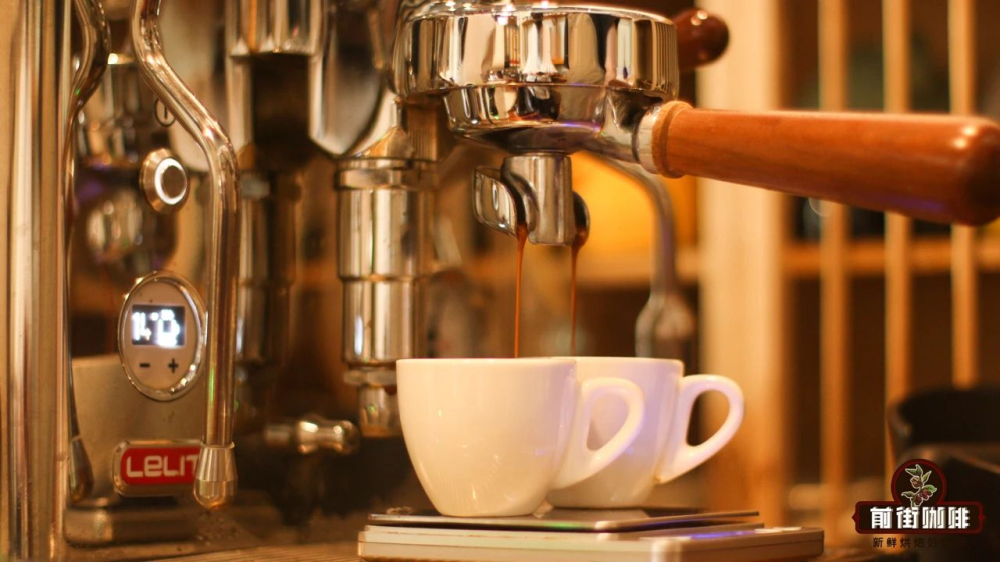
While SOE can showcase unique regional flavors, it is precisely because it comes from a single origin that any defects are more likely to stand out. Every element—from roast profile, grind size, extraction time, to the condition of the espresso machine—affects the final flavor. Therefore, SOE does not guarantee better taste than blends, nor should it be the sole criterion for evaluating coffee quality. As many local baristas say, coffee preferences are like food choices—"to each their own." Ultimately, it depends on individual taste and usage scenario.
For users wanting to try making espresso with single-origin beans, the key lies in whether they can perceive the unique characteristics of the beans from that origin through this method. But if the flavor profile of the single-origin beans isn’t distinct enough, most people may struggle to tell the difference from regular blends—thus greatly diminishing the significance of making an SOE.
For café owners, it is recommended to prioritize blends with stable flavor and good cost-performance as the main espresso beans. This not only ensures consistent daily output quality but also helps control costs, thereby allowing for more competitive pricing. Once the customer base stabilizes and there is a clearer preference for coffee, you can then consider introducing SOE as an additional option based on customer feedback, and conduct testing and adjustments for specific single-origin beans.
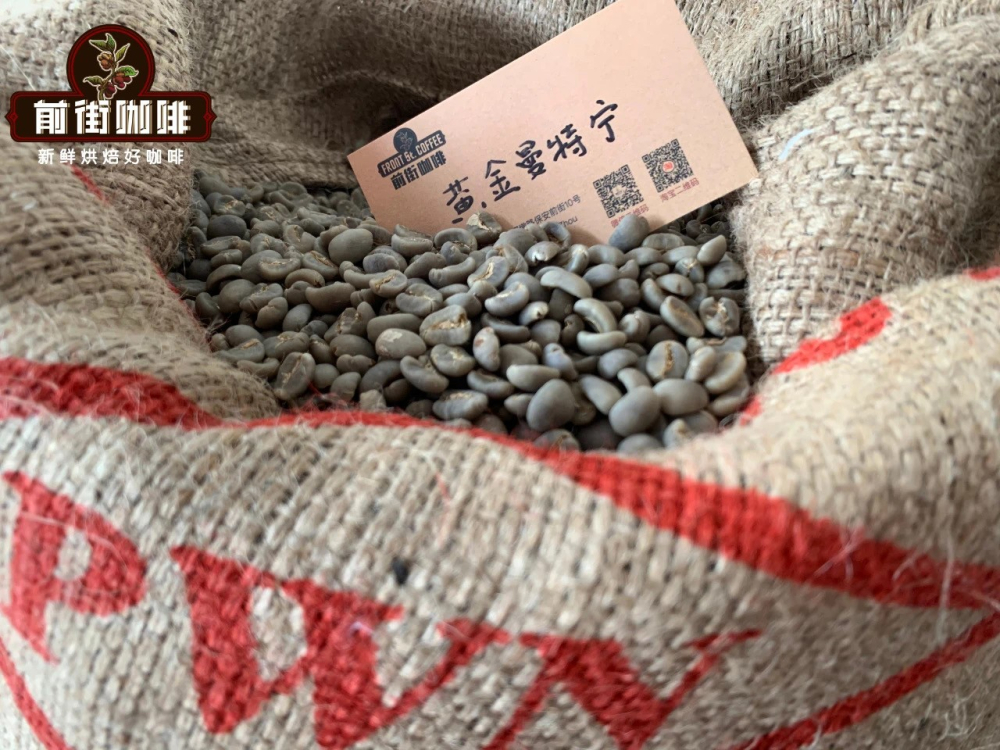
Below are several common and well-performing espresso blends suitable for various scenarios and needs:
“Premium Blend Coffee Beans” are suitable for home, office, or small community cafés. Blended from Colombian washed beans and Brazilian semi-washed beans, its flavor profile includes nuts, dark chocolate, and caramel, with a comfortable balance of bitterness and sweetness. It works smoothly in lattes and is easy to latte art with; when used for Dirty drinks, it presents beautiful layering effects, often featuring deep brown “tiger striping” on the surface.
“Commercial Blend Coffee Beans” are suitable for all types of cafés. Made from Colombian washed beans, Brazilian semi-washed beans, and a small amount of Robusta, it delivers aromas of nuts, cocoa, and caramel. Based on Brazilian and Colombian beans, with a touch of Robusta to enhance intensity and crema performance, it has low acidity and a rich body, offering excellent cost-performance—a popular economical choice for new cafés.
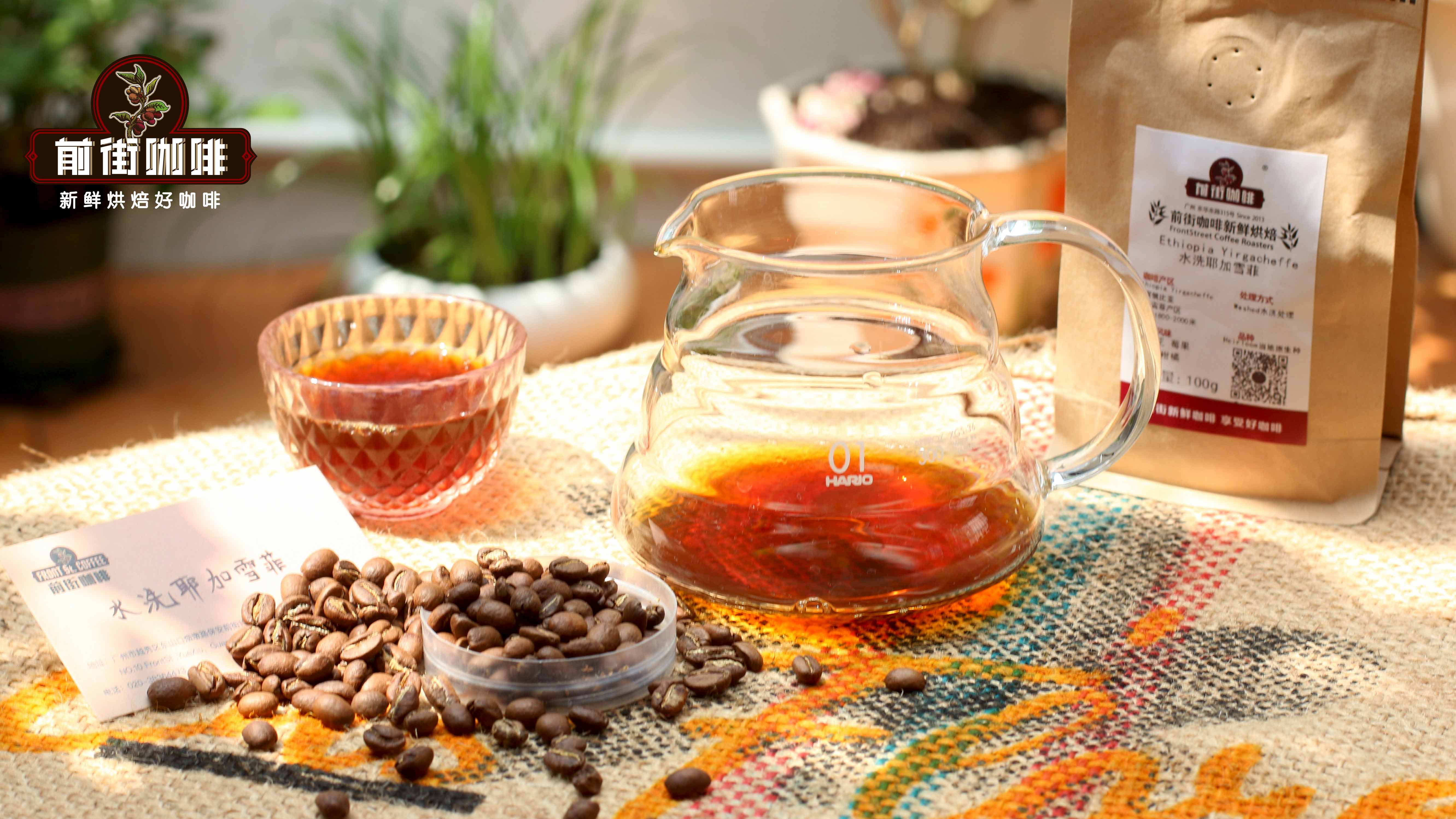
“Dark Cocoa Blend Coffee Beans” combine Yunnan washed small-bean variety with Brazilian semi-washed beans. Its flavor features the acidity of ripe plums and a nutty tone, with aromas of creamy chocolate and cocoa cookie upon grinding. The crema is a beautiful golden yellow, suitable for both home and café use, with balanced overall performance and easy drinkability.
Finally, “Classic Blend Coffee Beans” are a top choice for many beginners and advanced coffee lovers, especially those practicing latte art at home or seeking high crema performance. This medium-dark roast blend combines beans from three different origins, inspired by the traditional “Mamba” combination (Mandheling and Brazil), with a touch of Robusta to boost aroma and richness—helping users more easily pull espresso with golden crema.
The above content is compiled by CoffeeHunters, a coffee news website.


