







Introduction:An in-depth analysis of the cultivation background, flavor profiles, and roasting suitability of Colombian and Brazilian coffee beans, with a focus on the practical application of medium-dark roasted espresso blends. From altitude and processing methods to extraction parameters, this guide helps you master the core characteristics of these two major South American coffee regions and understand why they form the golden combination for café blends.
Colombia and Brazil in South America are two shining stars on the global coffee map. Both are known for their low acidity, rich nutty tones, and pronounced caramel sweetness. However, when you delve into their terroir conditions, historical development, and roasting performance, many nuanced details worth exploring emerge. This article will break down the similarities and differences between the coffees of these two countries from multiple perspectives, focusing on the practical use of medium-dark roasted espresso blends to help you choose and brew more precisely.
Let’s start with their shared flavor characteristics. Whether from Colombia or Brazil, their coffee beans often exhibit a full body and rich caramel and chocolate aftertastes after medium-dark roasting, making them excellent bases for espresso or milk-based coffee drinks.Especially when roasted within the range of the second crack’s onset to its completion (approximately 205°C–215°C), the sweetness and low acidity of both can be fully brought out while suppressing overly bright fruit acids, resulting in a balanced flavor.
Looking back at history, the origins of coffee cultivation in Brazil and Colombia are quite similar, both stemming from the spread of coffee parent trees from 18th-century French colonies. Brazil’s story is particularly legendary—according to accounts, a French officer introduced coffee seeds to the region through clever strategy, where they took root in French Guiana before gradually spreading across Brazil. Colombian coffee, on the other hand, was brought by Spanish missionaries in the early 18th century, initially planted in the northeast and gradually reaching commercial scale in the early 19th century. However, the trajectories of the two countries’ coffee industries later diverged due to differences in geography, policy support, and natural conditions.
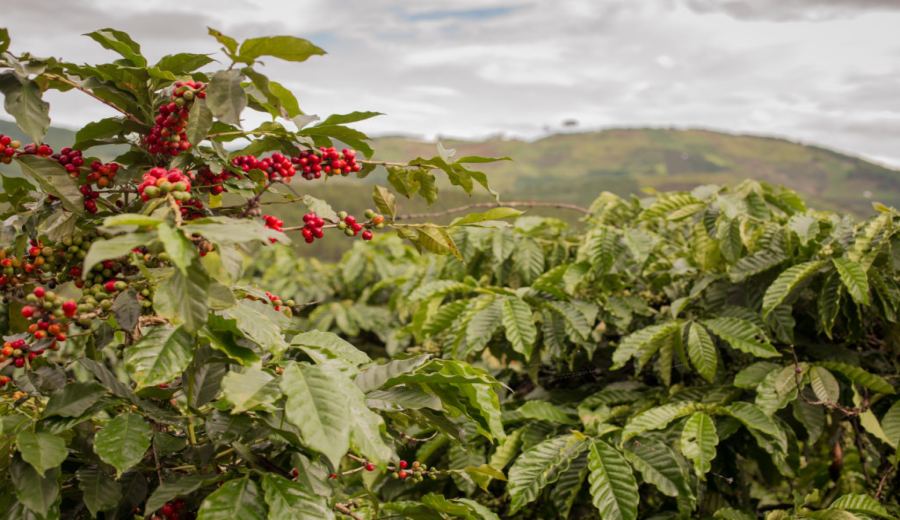
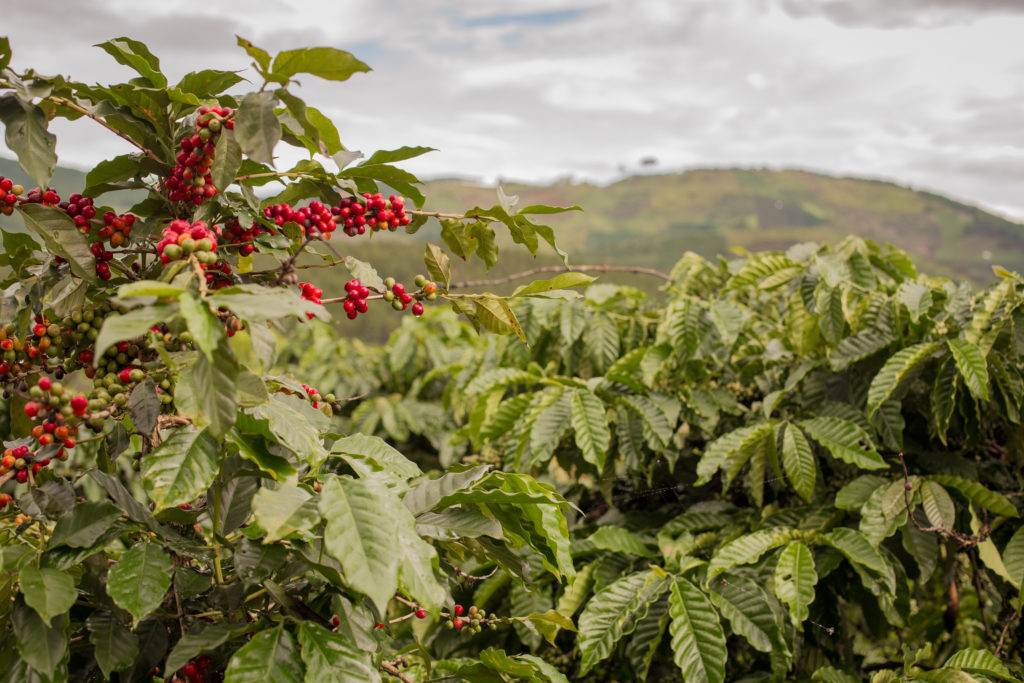
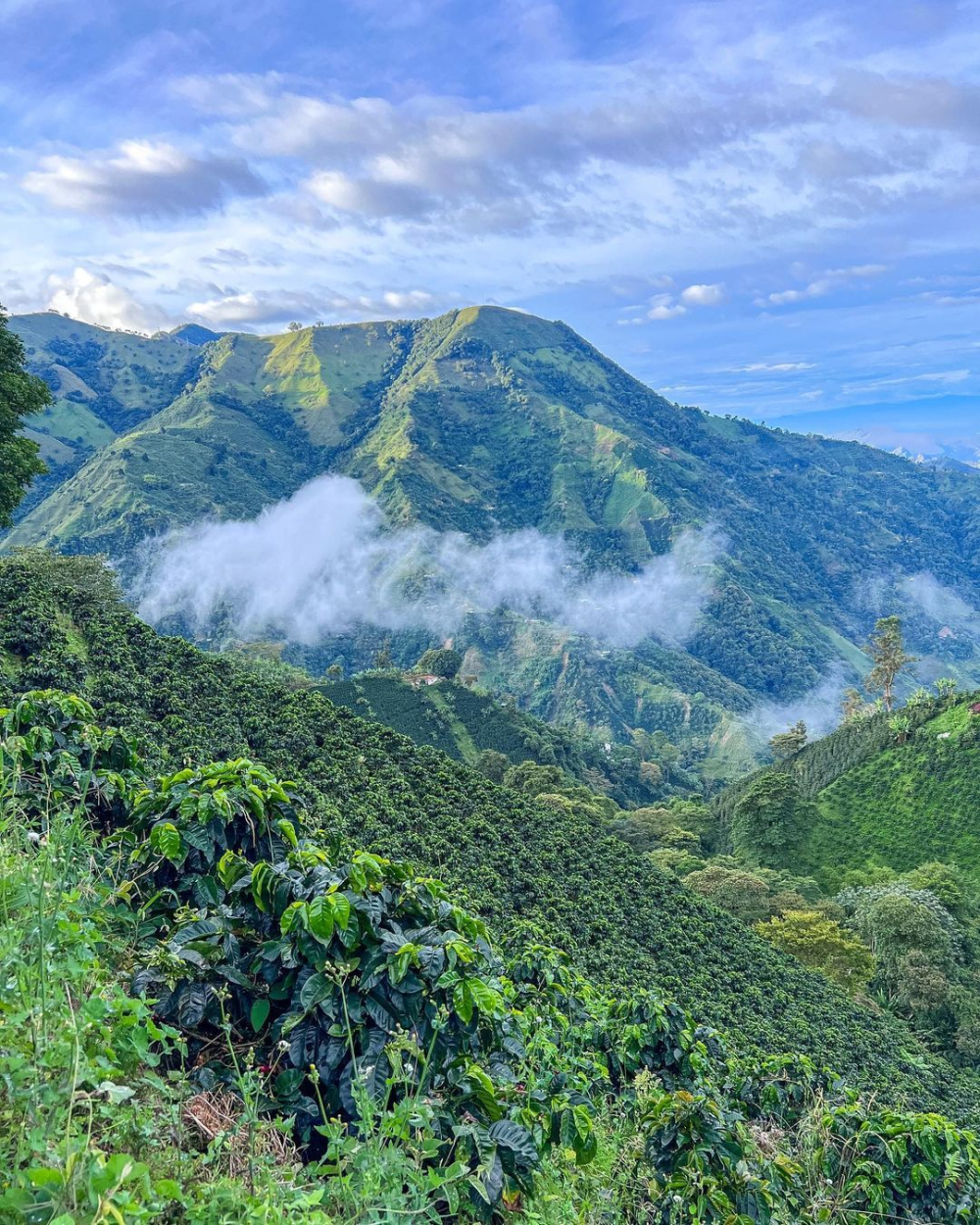
In terms of growing environments, Colombia has unique geographical advantages. Its coffee is primarily cultivated along three branches of the Andes Mountains that run north to south, with altitudes generally ranging between 1,200 and 2,000 meters. Coupled with volcanic soils and diverse microclimates, this has given rise to Arabica beans with richly layered flavors.Take Colombia’s Cauca Department as an example—some microlots are grown at altitudes exceeding 2,000 meters, where special processing methods like double anaerobic washed fermentation can bring out distinct berry notes and fresh aromas.

In contrast, Brazil’s coffee-growing environment is relatively more “down-to-earth.” With mostly flat or gently sloping terrain, most coffee farms sit at altitudes below 1,200 meters, naturally resulting in lower acidity in Brazilian beans, which makes them well-suited for blending to stabilize the overall flavor foundation. Although Brazil also has some high-altitude growing regions, its coffee industry as a whole relies on large-scale farms, mechanized harvesting, and technologically advanced processing, maintaining its position as the world’s top producer with about one-third of global supply.
When it comes to production volume and market role, Brazil is undoubtedly the world’s largest coffee producer, with annual output often exceeding 50 million bags (each bag weighing 60 kilograms). The majority of its production consists of blends of Arabica and Robusta, and it serves as the primary source for instant coffee. Colombia, meanwhile, consistently ranks as the world’s third-largest exporter, accounting for about 15% of global production, but focuses mainly on high-quality Arabica—particularly enjoying strong recognition in the international specialty coffee market.

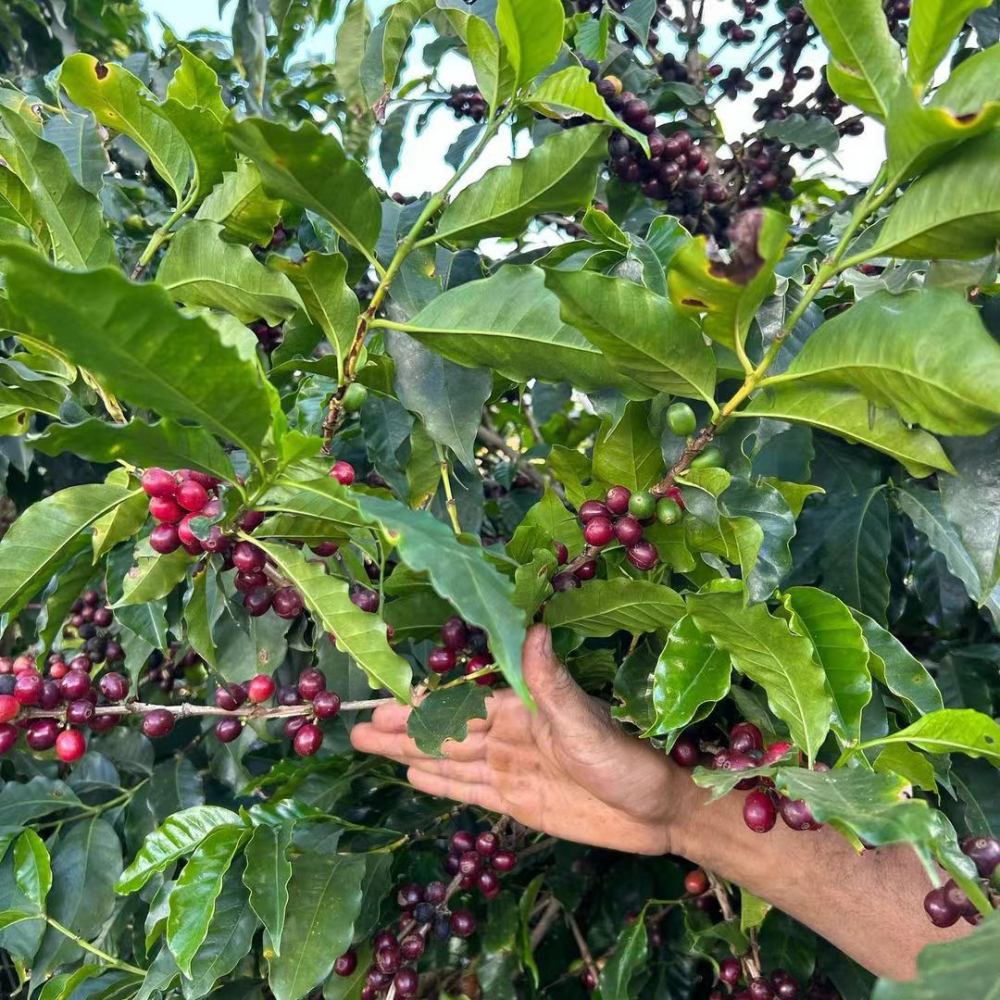
In terms of variety and processing method differences, Brazil primarily cultivates Bourbon varieties, including yellow and red Bourbon. These varieties have developed unique traits of richness and low acidity due to their adaptation to Brazil’s low-altitude and dry climate.Colombia, on the other hand, benefits from diverse microclimates and high-altitude conditions, leading to a wider variety of planted cultivars, ranging from traditional Typica to newer varieties like Caturra and Castillo. It also widely employs techniques such as honey processing and anaerobic fermentation to enhance flavor complexity.
In actual brewing, take medium-dark roasted Brazilian yellow Bourbon and Colombian Castillo as examples. Under the same extraction parameters (V60 filter, 91°C water temperature, 1:15 coffee-to-water ratio, 20-mesh sieve with 80% passage rate for sugar-like fine grind, 30-second bloom with 30 grams of water followed by incremental pouring to 225 grams), the flavor profiles of the two show clear distinctions: Brazilian beans present a rich nutty and dark chocolate character, with a long-lasting finish and subtle fruit acidity; Colombian beans highlight berry aromas as the main theme, paired with mild fermentation notes and spicy undertones, resulting in an overall livelier cup.
Overall, although Colombian and Brazilian coffee beans share many overlapping flavor frameworks, their subtle differences are enough to influence the final blend outcome.Brazilian beans provide a stable, rich base and caramel sweetness, while Colombian beans add layers and unique fruitiness. Together, they create an espresso blend that balances sweetness and complexity. For coffee enthusiasts looking to experiment with blending their own beans, a starting ratio of 3:7 or 4:6 is recommended. Adjust based on personal taste preferences, and pay attention to consistency in roast levels to ensure harmonious flavors.

The above content is compiled by CoffeeHunters, a coffee news website.


