







Introduction:Delve into how Brazil rose from having no coffee trees to becoming the world’s coffee kingdom, and explore the geographic characteristics and flavor differences of its six core producing regions. This article takes you from the romantic legend of 1727, traces the evolution of the Bourbon variety, and details the processing techniques and brewing recommendations for Yellow Bourbon and Red Bourbon, helping you master the selection and extraction secrets of Brazilian beans.
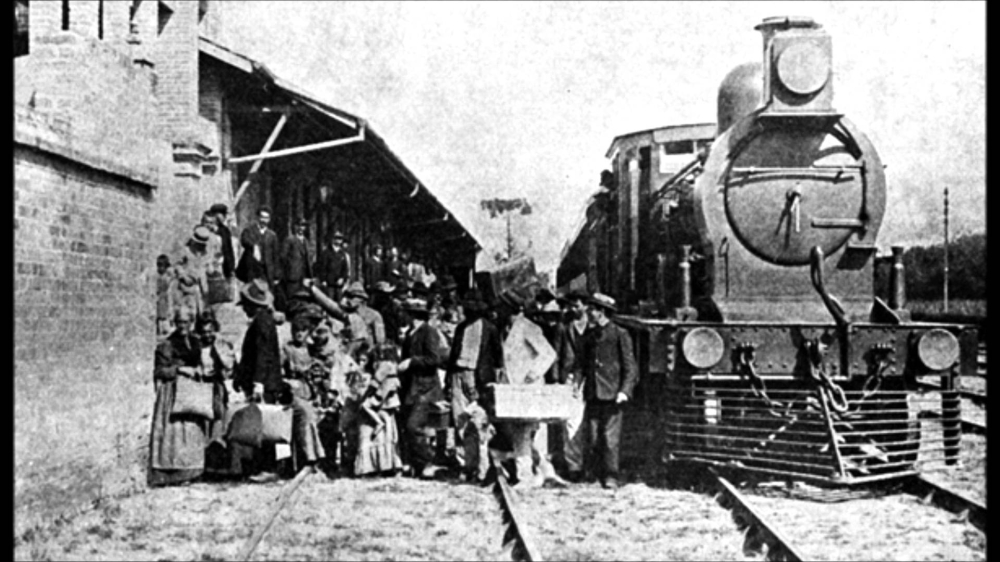
Brazil remains the world’s leading coffee producer to this day, but few know that this South American giant was once a land without a single coffee tree. Traveling back to 1727, a story intertwined with diplomacy and romance brought the seeds of coffee to Brazil. From then on, this land embarked on over 300 years of coffee cultivation history, gradually developing into the vast industry it is today, spanning six major producing regions.
Before diving into the regional exploration, it’s helpful to understand Brazil’s position in the global coffee market. As a key player supporting the pricing of international coffee futures, Brazil not only supplies an astonishing volume but also shapes a unique flavor profile through continuously optimized varieties and processing techniques. The frequent fluctuations in global coffee prices often have Brazil at their core.
Brazil’s coffee map is composed of six major producing regions: Bahia, Espírito Santo, Minas Gerais, São Paulo, Paraná, and Rio de Janeiro. Each area, due to subtle differences in altitude, climate, and soil composition, produces coffee beans with distinct flavor layers. Among them, Minas Gerais alone accounts for 40% of the country’s total production, making it the heartland of Brazilian coffee.
Focusing on varietal evolution, the Bourbon family is undoubtedly the protagonist of Brazilian coffee. In the early days, the planting structure was dominated by Typica, but as international demand surged beyond production capacity, growers introduced the higher-yielding Bourbon variety from Réunion Island. After decades of adaptation, the Bourbon lineage gradually replaced the original varieties, becoming the iconic coffee variety of Brazil.
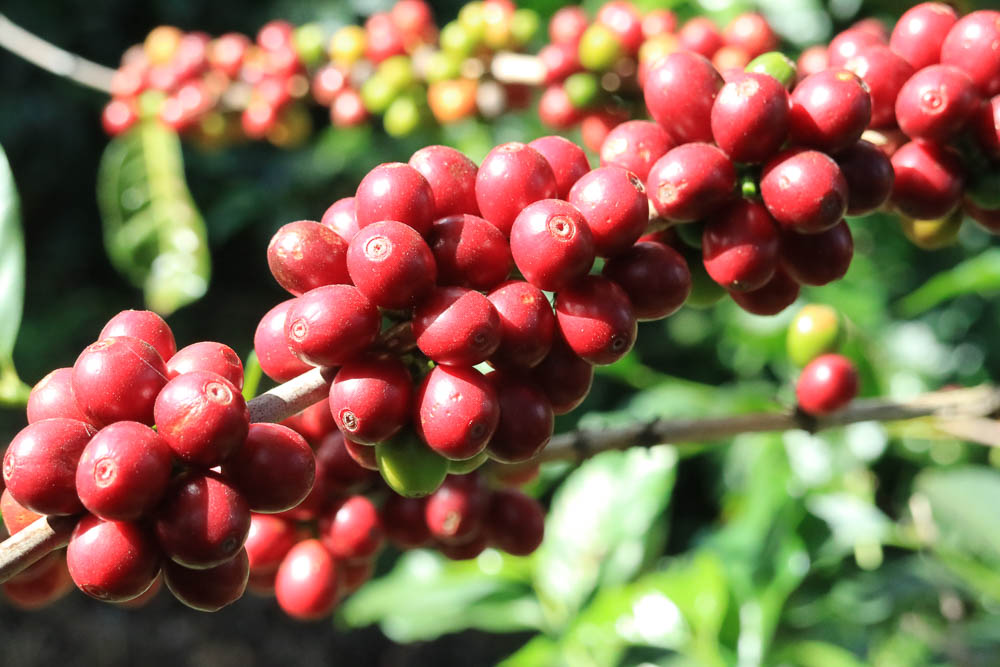
The Brazilian beans commonly seen in the market today can be divided into two main types: Yellow Bourbon and Red Bourbon. The former, with its thicker mucilage layer and efficient sugar accumulation, often exhibits pronounced sweetness and a mild lemony note when processed via natural drying; the latter, using the pulped natural (semi-washed) method, retains more fruity aromas and a fuller body. These varietal differences directly influence the final brewing flavors and serve as important reference points for consumers when making selections.

Located in the highlands of Mogiana, São Paulo State, Fazenda Rainha (Queen Estate) grows Yellow Bourbon at altitudes ranging from 1400 to 1950 meters, with an average annual temperature of around 20°C—a mildly cool environment coupled with the microclimates created by complex terrain, providing ideal conditions for sugar conversion. The estate adheres to small-batch natural processing, evenly spreading harvested ripe cherries on raised beds and controlling fermentation rhythm through frequent manual turning to avoid off-flavors. This time-consuming and labor-intensive traditional method ultimately results in a rich nutty profile and a clear dark chocolate finish.
In terms of processing details, the natural drying phase requires strict monitoring of moisture content changes, typically taking 15–20 days to reach the desired dryness. The estate pays special attention to shade regulation and ventilation management to ensure even heating of the cherries without over-fermentation. This commitment to quality makes Fazenda Rainha Yellow Bourbon a recommended entry-level choice for many specialty baristas.
Turning to the Cerrado Mineiro region in Minas Gerais, it is not only Brazil’s first coffee zone to receive origin certification but also renowned for its mid-altitude blocks at around 1100 meters. The pulped natural (semi-washed) processing method used locally cleverly combines the advantages of washed and natural methods—first removing the skin and pulp while retaining the sticky mucilage, then sun-drying the beans. This method saves over 30% more water compared to traditional washing, and thanks to the partial mucilage retention, imparts a rounder mouthfeel and caramelized sweetness to the coffee.
The Cerrado Mineiro region has extensive plantings of Red Bourbon, with its pulped natural beans commonly traded in large commercial volumes. Processing factories typically spread the depulped beans on African beds, turning them 3–4 times daily and strictly controlling the drying rate to ensure moisture content stabilizes at 11–12%. This strategy balancing efficiency and quality makes Cerrado Mineiro Red Bourbon a staple variety in many cafés’ mid-tier blends.
For practical brewing recommendations, medium-dark roasted Brazilian beans are best brewed with water at 88°C and a medium-coarse grind (approximately 75% through a #20 sieve). The KONO filter cone is recommended for pour over brewing, as its spiral ribs help extend extraction time and ensure even filtration. Suggested parameters: 15g of coffee grounds to 225g of water, starting with a 30-second bloom, followed by pouring in circular motions from the center outward to 125g, and finally pouring to the full volume. The entire extraction cycle of about 2 minutes effectively balances the body and clarity of Brazilian beans.
In terms of flavor, Fazenda Rainha Yellow Bourbon leads with a mellow cane sugar sweetness, accompanied by a prominent roasted nut profile and a subtle hint of lemon freshness, with the finish transitioning into a rich dark chocolate tone. Cerrado Mineiro Red Bourbon, on the other hand, presents a more intense roasted peanut aroma paired with a caramelized sweetness, offering a silky-smooth mouthfeel and a long-lasting aftertaste. The contrast between these two processing methods perfectly showcases the diverse flavor possibilities of Brazilian coffee.
For beginner coffee enthusiasts, the stable characteristics of Brazilian beans make them an ideal choice for practicing pour over techniques. Whether you prefer bright acidity or a heavy body, adjusting grind size and water temperature can reveal different flavor dimensions. Remember, consistent water quality and precise weighing are often the key foundations to unlocking the potential of Brazilian beans.
The above content is compiled by CoffeeHunters, a coffee news website.


