








Introduction:Delve into two of Africa’s premier specialty coffee regions—Ethiopia and Kenya. Explore their geography, terroir, coffee varieties, processing methods, as well as roasting and pour over recommendations, to fully appreciate the allure of these two countries' coffees. Discover the floral and fruity notes of Yirgacheffe and the rich berry acidity of Kenyan beans, and master the optimal brewing techniques to take you deeper into the world of African coffee.
On the international stage of specialty coffee, African regions have always played a pivotal role, with Ethiopia and Kenya standing out as two shining stars. Although both are renowned for their bright fruit acidity, their flavor profiles differ significantly: Ethiopia excels in fresh citrus, floral notes, and tea-like qualities, while Kenya showcases intense berries, high acidity, and juicy characteristics. This article will comprehensively analyze the unique aspects of these two regions—from environmental conditions, variety origins, processing techniques, grading systems, to practical pour over advice—to help you better understand the essence of African coffee.

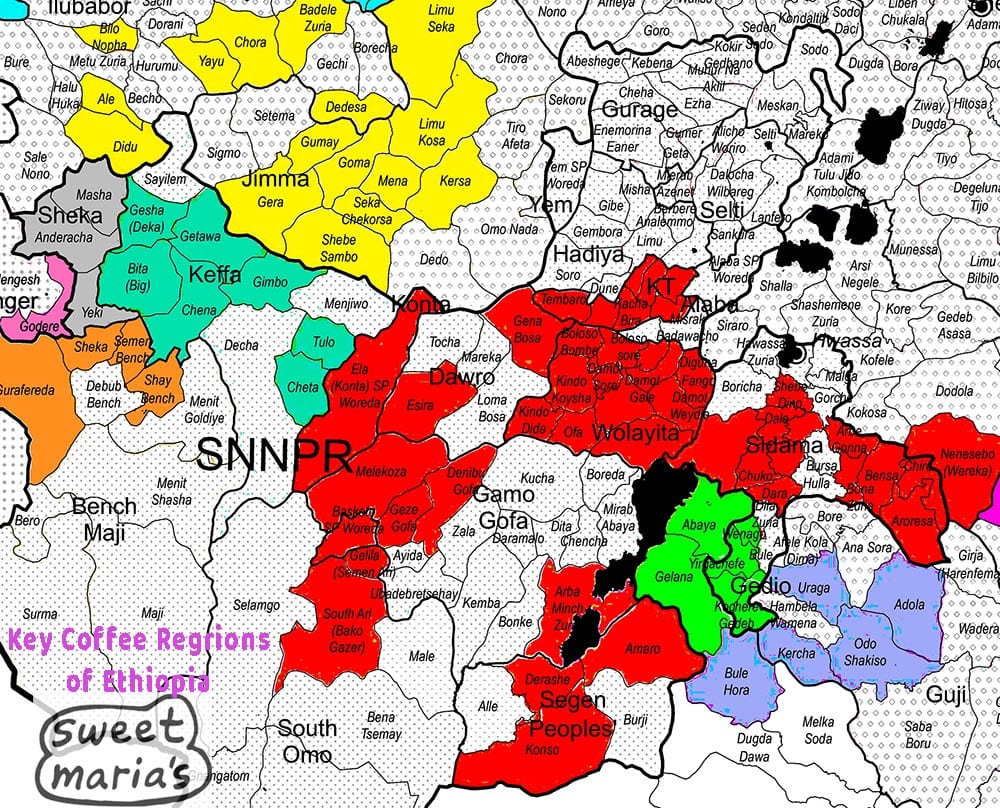
Ethiopia is regarded as the birthplace of coffee. It is not only a vital cash crop but also deeply embedded in the local culture and daily life. The country has nine major coffee-growing regions, which can be divided into specialty and commercial categories. Among them, Yirgacheffe and Sidamo are the most prominent specialty regions, both performing best with medium to light roasts that highlight their delicate fruit acidity and floral traits.
Yirgacheffe is located on a plateau at an altitude of 1700 to 2100 meters, making it one of the highest-altitude coffee-growing regions in the world. Surrounded by Lake Turkana, Lake Abaya, and Lake Chamo, its humid climate and year-round fog nurture unique citrus, lemon, and jasmine floral notes. The coffee here often has a tea-like clean mouthfeel, with bright acidity that is not overly sharp, making it ideal for enjoying black. A light roast perfectly showcases its layered flavors.
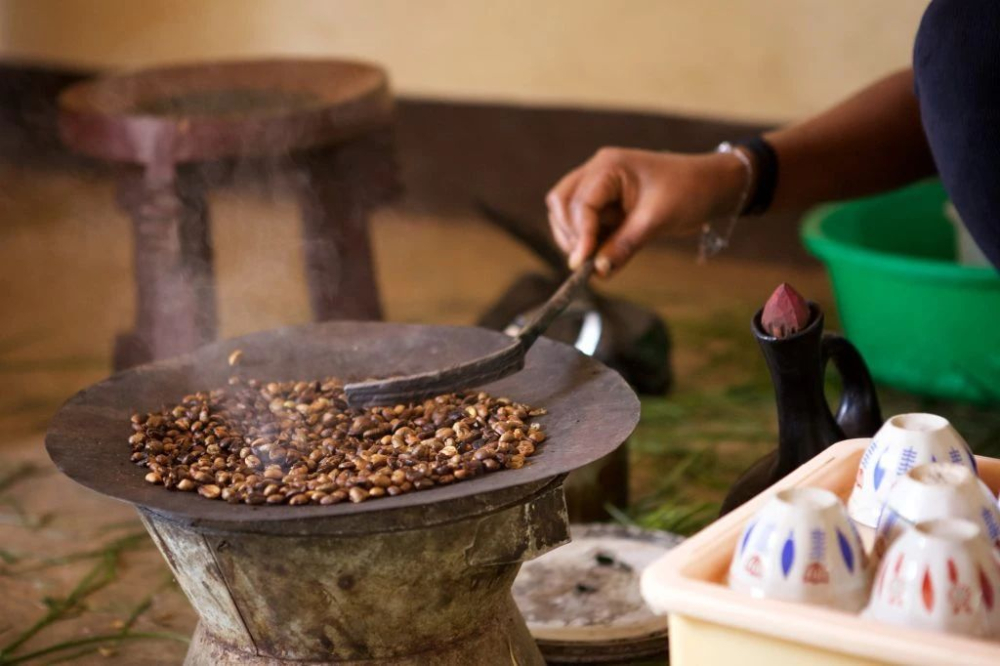
Sidamo is a large province in southern Ethiopia. Though it includes Yirgacheffe, the term “Sidamo coffee” generally refers to beans produced in other parts of the province. With an average altitude of 1400 to 2000 meters, the coffee here features a notable sweetness, often accompanied by berry acidity and slight fermentation notes. Natural-processed versions are especially smooth and full-bodied, making them a favorite for those who enjoy intense fruit flavors.
Coffee farming in Ethiopia is predominantly carried out by smallholders, with about 90% of the coffee coming from family-run farms. The farming models can be categorized into forest coffee, semi-forest coffee, garden coffee, and plantation coffee, with garden coffee accounting for the largest share, around 50–55%. Most of these coffees are heirloom varieties—essentially a mix of countless unnamed local strains—resulting in slight batch-to-batch variations that contribute to the diversity and unpredictable charm of Ethiopian coffee.
In terms of processing methods, Yirgacheffe originally relied mainly on traditional natural (sun-dried) processing. After the introduction of washed processing in 1972, the clarity of flavors and expression of acidity were significantly enhanced. Washed processing highlights the cleanliness and foundational flavor profile of the coffee, while natural processing adds sweetness and fermentation complexity. In recent years, improved natural methods such as those from Idido Mist Valley, Biloya, and Aricha have brought renewed attention to Yirgacheffe’s natural lots.
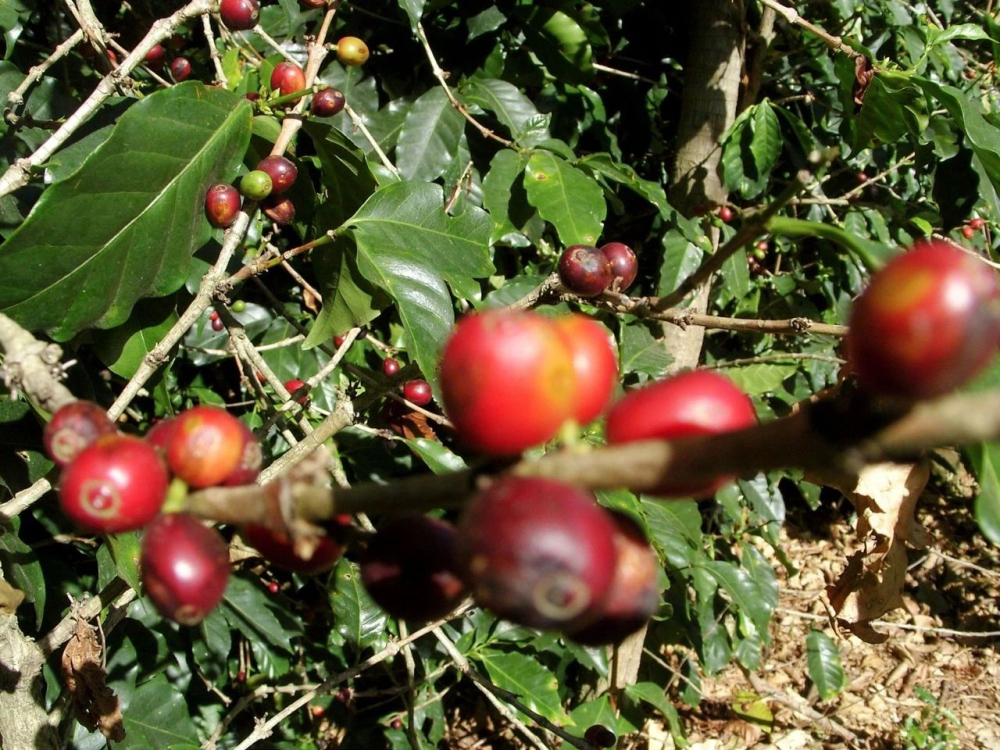
Though Kenya’s coffee history is relatively short, its quality is exceptional, known for its intense acidity, balanced body, and rich fruitiness. Compared to Ethiopia, Kenyan acidity is fuller and more structured, often described as vivid as tomato juice. Its coffee regions are mainly concentrated in the central and western parts, including Kiambu, Nyeri, Kirinyaga, Murang’a, and Embu.
Kenya’s coffee production is primarily driven by large estates and agricultural cooperatives, the latter consisting of around 700,000 smallholder farmers who manage 75% of the nation’s coffee acreage. This cooperative model allows for more organized production and promotes stable and improved quality.
In terms of varieties, Kenya’s main cultivars are SL28 and SL34, bred by the Scott Agricultural Laboratories in the 1920s. These are well-suited to high altitudes and offer bright, complex acidity. Ruiru 11 is a disease-resistant hybrid, but its flavor profile is not as esteemed as the former two. Together, these varieties shape the unique character of Kenyan coffee.
Kenya is renowned for its 72-hour double fermentation washed process (K72), which uses ripe, high-sugar coffee cherries. The beans undergo three rounds of 24-hour fermentation and washing—a meticulous process that greatly enhances acidity and fine textures. Fermentation conditions, including water quality and temperature, are strictly controlled, with regular water changes to ensure purity of flavor.

Kenya’s coffee grading system is primarily based on bean size, divided into eight grades. Among them, AA grade (17–18 mesh) is the most common high-end grade in the market and is considered representative of specialty coffee. PB (peaberry), due to its rarity and concentrated flavors, is also often sold separately. E grade, though the largest in size, mostly consists of misshapen or defective beans and is generally not classified as specialty.
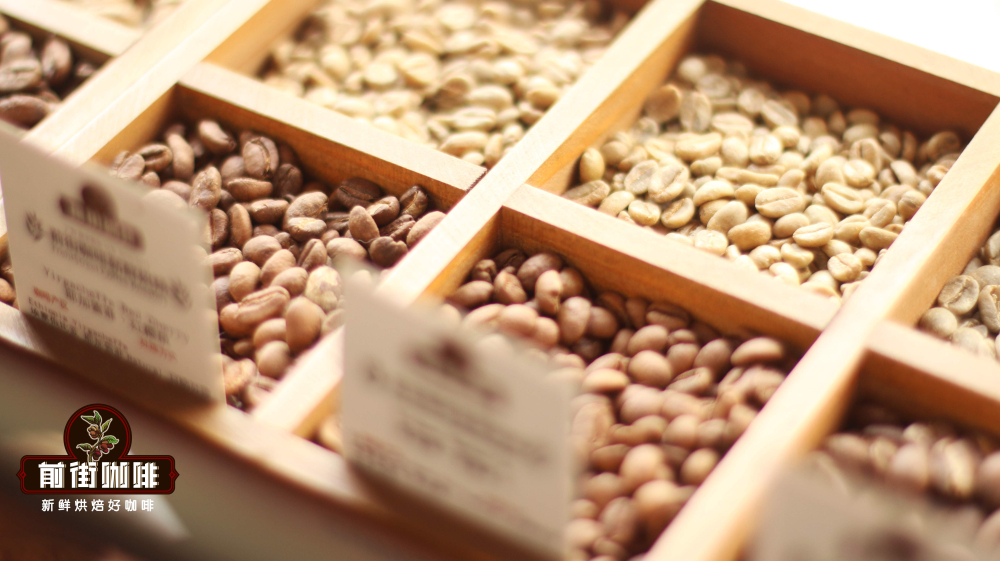
For roasting recommendations, a light roast is best to highlight the delicate floral and fruity notes of Ethiopian coffee, whether natural or washed, preserving its acidity and aroma. Kenyan coffee also benefits from a light roast to showcase its bright acidity and tomato-like juiciness. Medium to dark roasts may add body but risk masking the region’s intricate characteristics.
For pour over, the Hario V60 dripper is recommended, with a water temperature of 91°C, a coffee-to-water ratio of 1:15, and a grind size similar to fine sugar, achieving about 80% through a standard Chinese No. 20 sieve. Start with a 30-second bloom using twice the coffee weight in water (e.g., 60g water for 30g coffee), then pour in a circular motion to reach 125g for the first pour. After the water level drops, continue pouring to 225g to finish. Total brew time should be around 2 minutes.
In terms of flavor, Ethiopian Yirgacheffe Kochere features a profile led by lemon, citrus, and berry acidity, paired with a creamy mouthfeel and lingering notes of black tea and nuts—overall refreshing and pleasant. Kenyan Little Tomato coffee showcases strong cherry tomato and berry acidity, with vibrant fruitiness upon entry, a rising sweetness in the mid-palate, and a tea-like softness in the aftertaste. Its acidity is more pronounced and tangible compared to that of Ethiopian coffees.
The above content is compiled by CoffeeHunters, a coffee news website.


