








Introduction:Exploring how the key parameter of espresso extraction—brew ratio (ground coffee to water)—directly affects the flavor profiles of milk-based and black coffees. In this experiment, we kept the coffee bean type, grind size, and dose constant, and extracted espresso at brew ratios of 1:1, 1:1.5, and 1:2. These were then used to prepare lattes and americanos, allowing us to observe how different ratios influence acidity-sweetness balance, flavor layering, and aftertaste characteristics. Whether you're new to coffee or a seasoned barista, you'll gain practical insights for crafting delicious coffee.
The key to a memorable latte doesn’t lie in the amount of milk, but in the perfect harmony between espresso and milk. This experiment used the same specialty blend, maintaining consistent grind size and coffee dose. Different brew ratios—1:1, 1:1.5, and 1:2—were used to extract espresso bases, which were then turned into espresso shots, lattes, and americanos to analyze each ratio’s impact on the final flavor. Practical results showed that brew ratio not only altered the espresso’s own expression, but also directly influenced the sweetness, balance, and overall flavor profile of milk-based drinks.
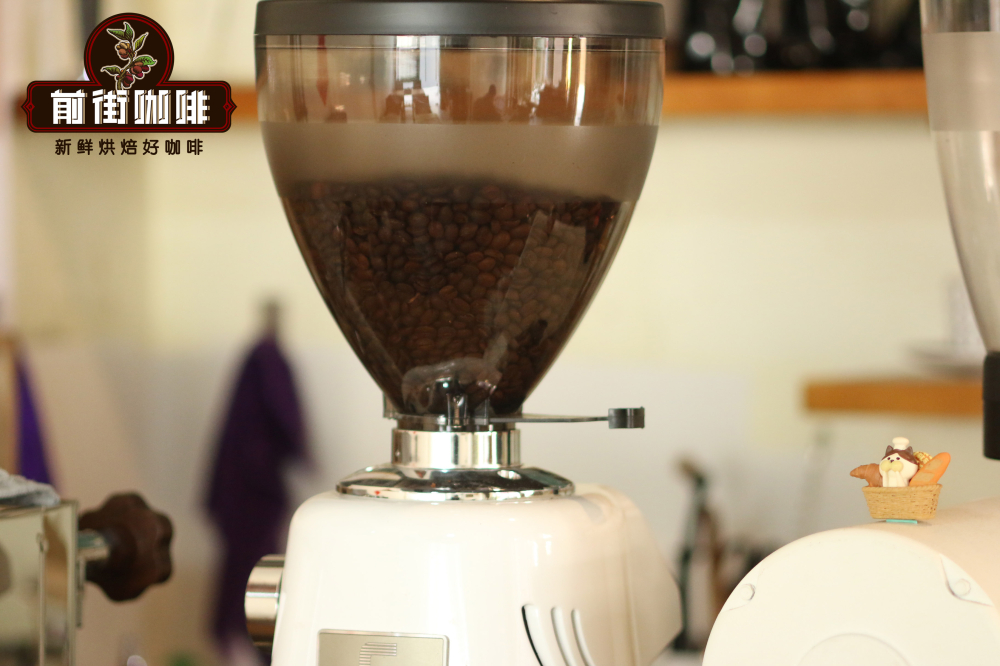
The experiment used a standard latte cup with a capacity of about 300 milliliters. The coffee beans were a specialty blend of Colombian and Brazilian origins, ground to a medium-fine setting of 1.9 on the Pegasus 900N grinder. A single-shot basket was used, with a fixed dose of 20 grams of coffee per shot, extracted at varying brew ratios: 1:1 yielding 20 grams of liquid, 1:1.5 yielding 30 grams, and 1:2 yielding 40 grams, with corresponding extraction times of 19 seconds, 27 seconds, and 34 seconds. Below, we’ll break down the flavor characteristics of each ratio.

First, let’s look at the 1:1 group, where just 20 grams of liquid was extracted from 20 grams of coffee—a highly concentrated extraction method. The resulting espresso was smooth on the palate, but with relatively pronounced acidity, mainly bright fruity notes, accompanied by aromas of cream and nuts. The finish delivered a distinct cane sugar sweetness with good persistence.
When this espresso was combined with milk to make a latte, the overall flavor became mellow, with clear notes of nuts and chocolate, along with a hint of buttery cookie-like aroma. Notably, the natural sweetness of the milk was amplified, resulting in a sweet yet non-cloying drink—ideal for those who prefer a smoother mouthfeel.
Consumed straight as an americano (i.e., without milk), the 1:1 espresso exhibited caramel-like aromas, with a soft and smooth texture, almost devoid of sharp sourness, and a finish with hints of red berry tones. Overall, it presented a well-balanced and approachable profile.

The second group used a 1:1.5 brew ratio, extracting 30 grams of espresso from 20 grams of coffee—an optimal middle ground between intensity and clarity. This espresso had noticeable berry acidity on entry, gradually revealing chocolate and hazelnut aromas mid-palate, with a sweet and lingering finish. Its flavor profile was more layered and three-dimensional.
The latte made from this brew featured prominent caramel notes, along with a well-integrated combination of cream, milk chocolate, and delicate nut flavors. The coffee-to-milk ratio was just right, allowing their flavors to complement rather than overshadow each other, making it the widely acknowledged “balanced choice” among most consumers.
For the americano version, the 1:1.5 espresso showed subtle berry acidity, but the finish delivered a clear sense of cane sugar sweetness. The overall flavor was clean and smooth, suitable for those who enjoy a touch of acidity without sacrificing sweetness.
Finally, the 1:2 group used 40 grams of water to extract from 20 grams of coffee—a higher water volume extraction method. While this espresso offered creamy sweetness and crystal-clear sugary notes on entry, the finish gradually revealed noticeable smoky and woody off-flavors, signaling an increased risk of over-extraction.
When used to make a latte, although the initial sweetness (reminiscent of toffee) was apparent, the latter part tended to bring out woody and spicy tones, affecting overall flavor harmony. As for the americano, the woody and over-extracted qualities were immediately evident on the first sip, with cocoa aromas suppressed. The overall impression was heavier and less refreshing.
Comparing all three groups, we can draw the following practical conclusions: The 1:1 espresso, while more acidic, pairs well with milk, highlighting sweetness and milkiness, and even the resulting americano is relatively soft. The 1:1.5 ratio is the ideal choice for most scenarios, delivering rich layers and good balance in espresso, latte, or americano alike. The 1:2 ratio, due to longer extraction time and higher water volume, is prone to over-extraction, leading to woody and smoky notes that can disrupt flavor expression.
From the perspective of extraction principles, the smaller the brew ratio, the shorter the extraction time, primarily drawing out earlier-stage flavor compounds—acidity is pronounced but less prone to over-extraction. Conversely, larger brew ratios extend extraction time, allowing later-stage compounds (like lignin and impurities) to be released more easily, leading to flavor imbalance. Therefore, if your goal is a sweet, smooth latte, a 1:1 espresso base is recommended. If you prefer a richer, more balanced flavor interplay between coffee and milk, 1:1.5 is the better option.
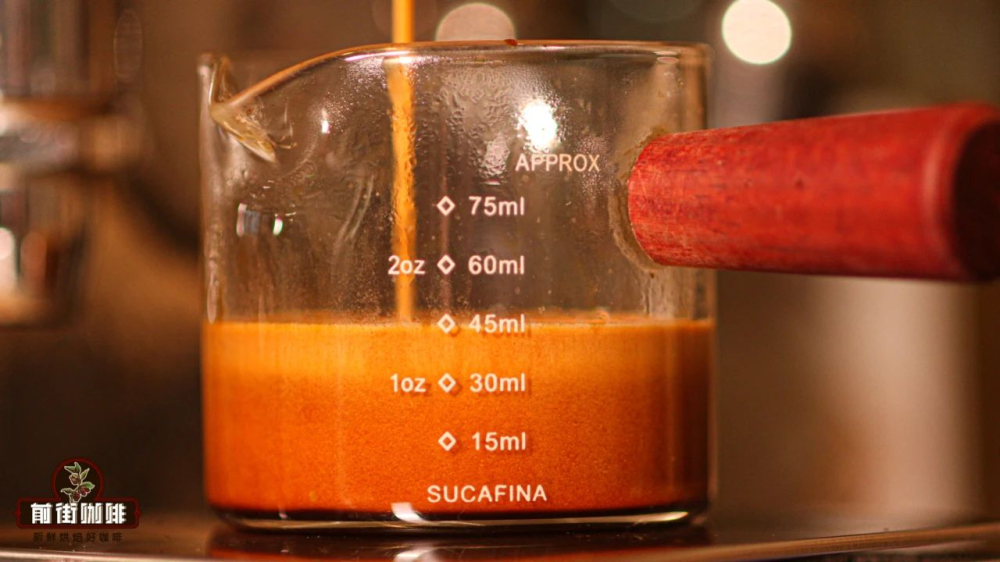
As for which coffee beans to choose for espresso? They can generally be divided into two main types: one is medium-dark roasted blends dominated by chocolate and nut aromas, suitable for those who enjoy a rich mouthfeel; the other is medium-roasted beans emphasizing floral and fruity notes, ideal for consumers seeking bright acidity and fruity profiles.
If you prefer intense, full-bodied coffee flavors, medium-dark roasted blends are recommended—they bring out rich crema and a bold mouthfeel, excelling whether prepared as an americano or latte. If you want an espresso with natural fruitiness and bright acidity, consider medium-roasted blends. These often showcase bright notes like strawberry and citrus during extraction, while also delivering crema and a refined texture—perfect for coffee lovers who enjoy diverse flavor experiences.
The above content is compiled by CoffeeHunters, a coffee news website.


