








Introduction:Colombia is the world's second-largest coffee-producing country, renowned for its stable output and exceptional flavors. This article delves into its core growing regions, main cultivated varieties, and washed processing methods, analyzing the key factors behind its distinctive flavor profiles. It also provides pour over recommendations for three popular beans—Huila, Flor del Mes, and Valle del Rosa—including filter choice, water temperature, coffee-to-water ratio, and step-by-step brewing procedures, along with a detailed breakdown of each bean’s flavor profile to help you master the art of brewing Colombian coffee.
Colombia is the world’s second-largest coffee producer after Brazil, holding a strong position in the international market thanks to its reliable supply and excellent cost-performance ratio. Its coffee is celebrated for its rich, full-bodied aroma and balanced acidity and sweetness, winning the hearts of coffee drinkers worldwide. This article explores the advantages of Colombian coffee from the perspectives of growing environments, main varieties, and processing techniques, and includes pour over parameters and flavor analyses for three popular single-origin beans, helping you easily brew layered Colombian flavors.

Colombia’s coffee industry is not only massive in scale but also famed for its high-quality Arabica beans. The country’s high-altitude mountainous regions provide ideal growing conditions, and meticulous farming and processing methods yield uniquely flavored coffees. Unlike Brazil’s hard, volume-driven style, Colombian coffee often presents a soft, delicate mouthfeel with bright acidity and rich aromatic layers, which is why it’s gaining increasing recognition in the specialty coffee market.
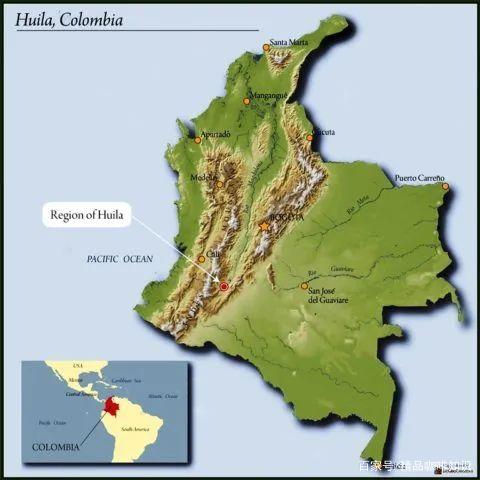
Colombia’s geography and climate are exceptionally well-suited for coffee cultivation. Spanning between 1°N to 11°15′N latitude and 72°W to 78°W longitude, the country has a tropical climate but diverse microclimates due to varying altitudes. Annual rainfall is abundant, ranging from about 2000 to 3000 millimeters, and fertile volcanic soils offer ideal growing conditions for coffee trees. While the eastern plains and coastal areas feature a tropical rainforest climate, the central mountainous regions mostly have a subtropical climate with moderate temperatures (averaging around 18°C to 22.5°C) and ample sunlight, enabling year-round coffee harvesting and ensuring stable, high-quality yields.
Colombian coffee (Cafe de Colombia) is one of the few single-origin coffees named after a country, and its quality and reputation are highly regarded in the global market. Compared to other regions, Colombia places greater emphasis on variety improvement and cultivation techniques, combined with its naturally superior conditions, resulting in outstanding performance in aroma, flavor, and mouthfeel, making it a top choice for many coffee enthusiasts.

Colombia’s specialty coffees mostly come from high-altitude mountainous areas above 1500 meters, particularly in southern regions such as San Agustín (located in Huila Province) and Popayán (in Cauca Province). These regions, with their cool climates and significant day-night temperature variations, produce coffees often characterized by delicate acidity, pronounced berry aromas, and sweet aftertastes of caramel and chocolate. Among them, single-origin beans from Huila, Flor del Mes, and Valle del Rosa showcase the diverse profiles of Colombian coffee.
In terms of varieties, Colombia primarily grows Arabica, with common types including Bourbon, Typica, Caturra, and Maragogype. The most representative ones are Caturra and Catuai, which are widely cultivated due to their stable yields and adaptability. Additionally, Colombia has introduced new varieties such as Geisha and Castillo, with Castillo becoming one of the main planted varieties in recent years due to its resistance to coffee leaf rust.
Colombian coffee is mainly processed using the washed method, which effectively highlights the coffee’s pure flavors and balanced acidity and sweetness. In the washed process, coffee cherries are first floated to remove defects, then depulped to remove the skin and flesh, followed by fermentation to remove the mucilage layer, and finally washed and dried. This method preserves the beans’ original characteristics while imparting a clean, bright acidity and rich aromas. Beyond traditional washing, Colombia has also adopted innovative processes in recent years, such as anaerobic fermentation and wine barrel fermentation, adding more possibilities to coffee flavors.
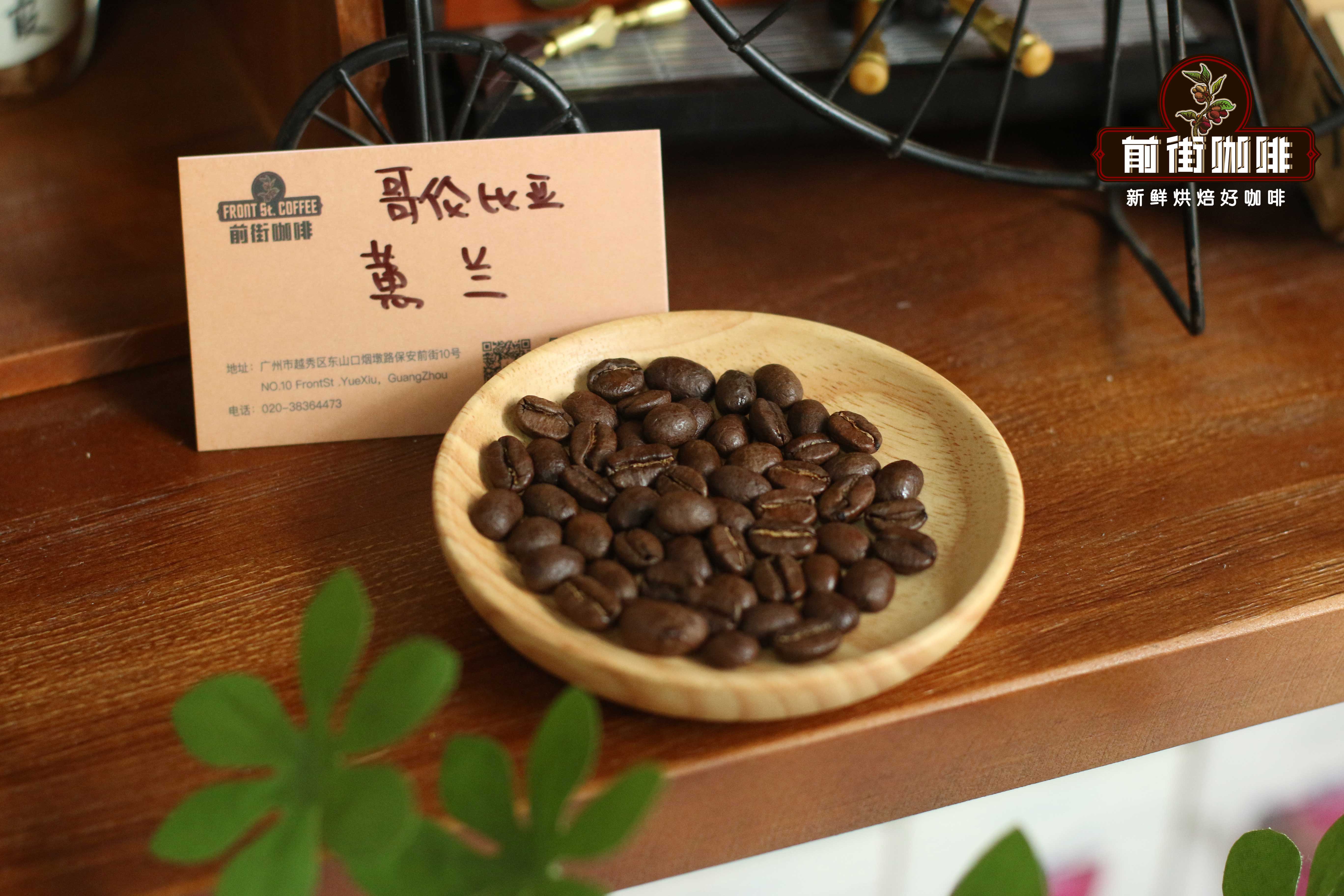
When brewing Colombian coffee, selecting the right parameters can fully bring out its flavor characteristics. Take a medium-dark roasted bean from the Huila region as an example: it is recommended to use a Kono filter, with water temperature controlled at 88°C, 15 grams of coffee, a 1:15 coffee-to-water ratio, and a grind size of about 75% passing through a Chinese No. 20 sieve. Start with a 30-second bloom using 30 grams of water, then pour in a thin stream in a circular motion up to 125 grams for the first pour, followed by a second pour to 225 grams to complete extraction. The total brewing time is about 2 minutes, yielding notes of caramel, nuts, and chocolate, with soft and layered acidity.
If choosing a medium-light roasted bean like Flor del Mes or Valle del Rosa, it is recommended to use a Hario V60 filter, increase the water temperature to 90°C, and adjust the grind size to 80% passing rate, using a finer coffee-to-water ratio to highlight floral and fruity notes along with bright acidity. The step-by-step brewing process also follows a 30-second bloom, pouring to 125 grams for the first pour, and then completing the extraction to 225 grams, showcasing richer flavor layers—such as the floral notes and winey chocolate finish of Flor del Mes, or the fruity acidity and juice-like smooth mouthfeel of Valle del Rosa.
No matter which Colombian coffee you choose, freshness is a key factor influencing its flavor. It is recommended to select beans roasted within 5 days and brewed after 4 to 7 days of resting post-delivery, when the flavors are at their best. If using pre-ground coffee, it is advisable to use it as soon as possible to minimize oxidation. Grinding fresh and brewing immediately will allow you to experience the full flavor expression of Colombian coffee.
The above content is compiled by CoffeeHunters, a coffee news website.


