







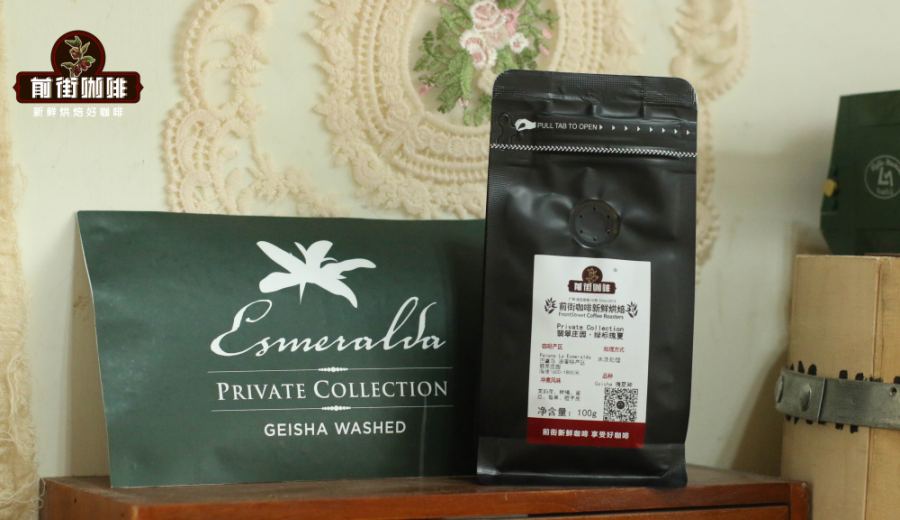
Introduction:Panamanian Emerald Estate Red Label Geisha is renowned for its delicate floral notes and unique tea-like body, but to fully express these flavors through roasting, precise control of temperature, heat intensity, and air damper adjustments at each stage is required. This article breaks down the complete roasting profile from an initial charge temperature of 150°C up to a drop temperature of 189.5°C, explaining how to regulate key phases such as drying and first crack to bring out the citrus, honey, and berry layers of Geisha, along with practical flavor references to help you roast your ideal coffee.
Panamanian Emerald Estate's Geisha coffee has long been celebrated for its refined floral aromas and distinctive tea-like flavor profile, with one shop’s Red Label Emerald Geisha being a premium representation. To maximize and preserve these signature characteristics through roasting, meticulous adjustments to charge temperature, heat output, air damper settings, and critical stages such as drying and first crack are essential. Below is a detailed breakdown of the roasting process for this particular Red Label Emerald Geisha, starting from a drum temperature of 150°C at charge all the way to 189.5°C at drop, explaining the rationale behind each stage’s adjustments and providing comprehensive descriptions of dry fragrance, wet aroma, and flavor notes to help coffee enthusiasts understand how to use the roasting curve to fully release its tea-like quality and floral notes.
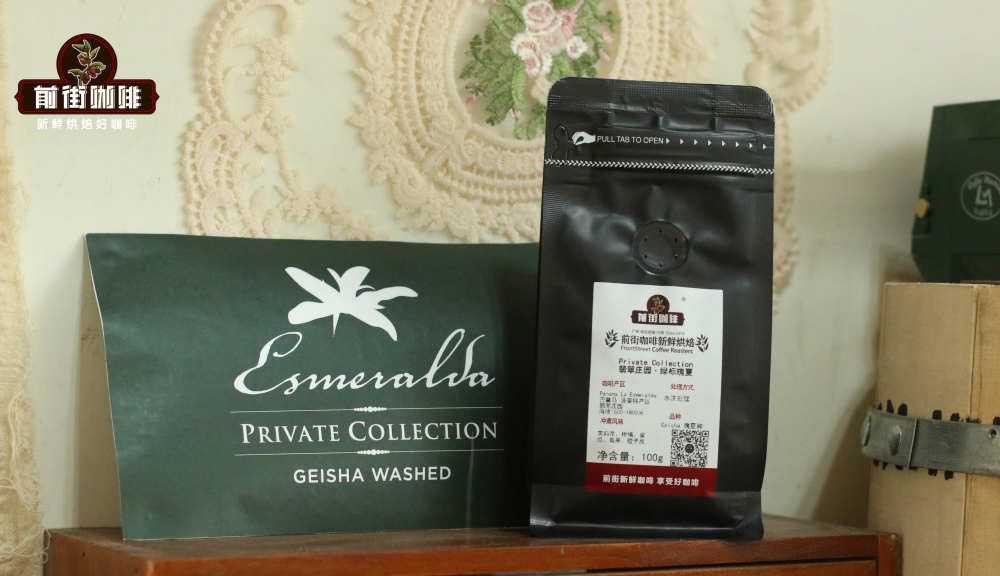
Emerald Estate offers three distinct product tiers: Red Label, Green Label, and Diamond Mountain. Among them, the Green Label is positioned as a value option, consisting of Geisha blends sourced from altitudes above 1600 meters with cupping scores of 90, showcasing classic Panamanian Geisha flavors and suitable for those new to exploring Geisha. For those seeking higher quality, the Red Label Geisha is the next step up — also requiring beans grown at altitudes above 1600 meters but with cupping scores of 91 or higher, and accompanied by detailed lot traceability information, allowing consumers to clearly know the micro-lot origin of what they’re tasting.
One shop sets the roasting level for Emerald Red Label Geisha as follows: charge the drum at 150°C, set initial heat at 120, and open the air damper to 3. At approximately 1 minute and 36 seconds, the turnaround point occurs. When the drum temperature reaches 140°C, adjust the air damper to 4 while keeping the heat unchanged. As the roast progresses and the drum temperature rises to 147.6°C, the bean surface begins to show irregular yellowing, and the grassy odor completely fades, marking the entry into the drying phase. Once the drum temperature hits 150°C, reduce the heat to 100 while maintaining the air damper at 4.
Around 7 minutes and 38 seconds, the bean surface shows irregular wrinkles and dark speckles, and the original toast-like aroma gradually transitions to a pronounced coffee fragrance. Close attention should be paid to subtle changes before first crack. By 8 minutes and 10 seconds, first crack officially begins. At this point, adjust the air damper to 4. The development time after first crack is maintained at 1 minute and 28 seconds, with the roast concluding at a drop temperature of 189.5°C.

Regarding the flavor profile of one shop’s Emerald Red Label Geisha, during the dry fragrance stage, distinct jasmine and citrus notes can be detected. After brewing, the wet aroma presents sweet sensations of citrus, lemon, and honey. Upon tasting, a rich array of flavors emerges — including lemon, honey, berries, orange peel, mango, cream, and citrus — while retaining a unique tea-like aftertaste. The overall flavor is well-balanced and nuanced.
The above content is compiled by CoffeeHunters, a coffee news website.


