







Introduction:As one of the world’s major coffee-producing countries, Indonesia is not only a large supplier of commercial-grade Robusta but also home to numerous specialty coffee regions that have earned high acclaim in the international market. This article delves into the key specialty coffee regions of Sumatra, Sulawesi, and Java, analyzing their unique terroirs, processing methods, and flavor profiles. It highlights the rarity and allure of Toraja, helping coffee enthusiasts develop a comprehensive understanding of Indonesia’s coffee flavor map.
Indonesia is not only among the top coffee-producing nations globally but also one of the important cradles of specialty coffee in Asia. Although the general public often associates Indonesian coffee with mainstream Robusta, in reality, specialty beans such as Mandheling and Lake Tawar from Sumatra, Toraja from Sulawesi, and Old Brown from Java hold significant positions in the international market. This article will take you on a journey through several renowned specialty coffee regions in Indonesia, providing detailed insights into their terroir conditions, processing techniques, and grading standards. It places special emphasis on the uniqueness of Toraja while also preserving information on representative products like Golden Mandheling, helping you build a clearer perception of Indonesian coffee.
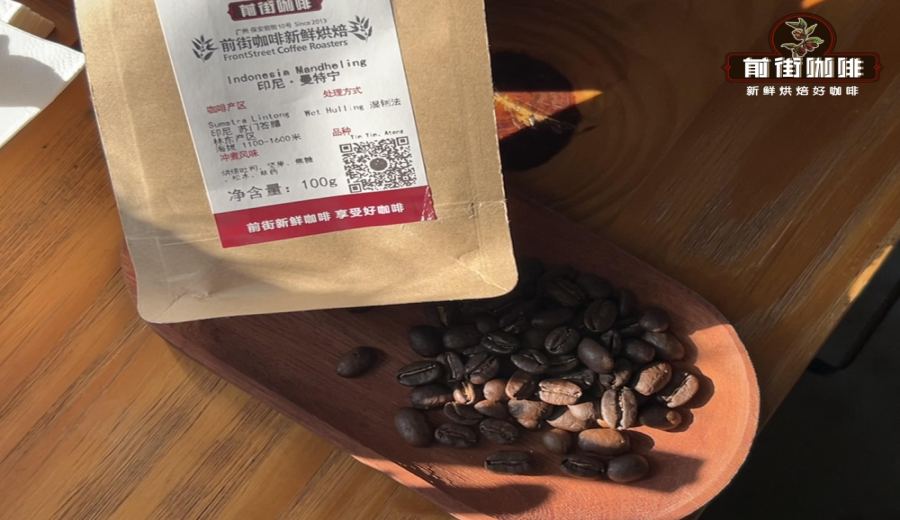
When it comes to Indonesian coffee, most people first think of Mandheling. This iconic bean variety, introduced by certain brands, is known for its rich and distinctive flavor. Some describe it as having pronounced herbal and medicinal notes, a full-bodied and steady body, low acidity, along with woody and spicy undertones. These characteristics make it a favorite among its supporters, though some drinkers may find it hard to appreciate. In truth, Mandheling’s profile is far more diverse than a single impression, depending on the region, processing method, and roast level.
In terms of overall production volume, Indonesia has long ranked first in Asian coffee production, only to be surpassed by Vietnam—known for its robusta beans—in 1999, dropping to second place. However, the majority of Indonesia’s coffee output consists of Robusta, with specialty beans accounting for less than half. Even so, products like Sumatran Mandheling, Lake Tawar, aged Mandheling, and Java Old Brown remain important pillars of Indonesia’s specialty coffee presence in the global market. As early as the 19th century, leaf rust disease nearly wiped out Arabica in Java, Indonesia, after which the Dutch introduced the more disease-resistant Robusta, laying the foundation for Indonesia’s current Robusta-dominated production landscape.
Composed of numerous islands, Indonesia’s specialty coffee is mainly found in high-altitude regions of northern Sumatra, Sulawesi, and Java. Among them, Sumatra is the core region for specialty beans, though its regional divisions and classifications are relatively complex. According to the classification system in the new edition of “Coffee Science,” it can be broadly divided into four categories, which help in understanding the diversity of local coffees.
The most well-known is undoubtedly Mandheling, primarily produced around Lake Toba in north-central Sumatra, especially in the Mandailing highlands on the southwestern shore at elevations of 900 to 1200 meters. The semi-washed or natural processed beans from this area are particularly renowned.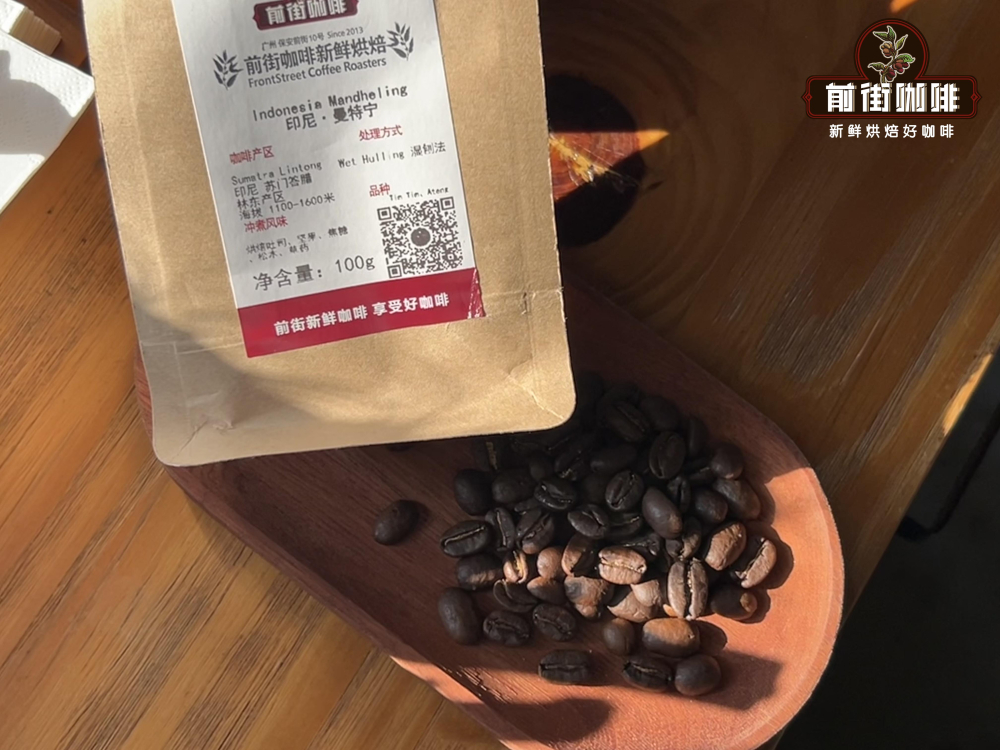 Golden Mandheling, in particular, undergoes four rounds of manual sorting, resulting in a higher grade. Its green beans are plump and uniformly sized. This bean is typically medium-dark roasted, offering a rich yet clean taste with excellent balance. The flavor layers of nuts, chocolate, and spices are distinct, complemented by fruity notes and a long aftertaste, making it a classic favorite among many coffee enthusiasts.
As for Lake Tawar coffee, it comes from the Aceh region in northern Sumatra, especially around the Gayo Mountains at altitudes of 800 to 1600 meters. Coffees from this area are mostly processed using washed, semi-washed, or natural methods, yielding bright acidity and clear aromatic profiles, contrasting with the strong herbal notes of Mandheling from the Mandailing or Lake Toba regions. It’s worth noting that Lake Tawar coffee is not categorized under the traditional definition of Mandheling but is more commonly referred to as Aceh coffee or Lake Tawar coffee, highlighting its unique cultivation and processing characteristics.
From a classification standpoint, the Mandheling core regions are generally considered to be Lake Toba and Mandailing in north-central Sumatra, whereas the northern Lake Tawar, due to its shaded cultivation, washed processing, and different flavor expressions, is better referred to as Aceh or Lake Tawar to avoid confusion.
Indonesia is made up of numerous volcanic islands, home to many active and dormant volcanoes. This geological environment has created rich soil nutrients, providing ideal conditions for coffee cultivation. In particular, the volcanic soils of Sumatra and Sulawesi are especially conducive to coffee tree growth and flavor development.
Indonesia’s coffee grading system is primarily based on the number of defective beans per 300 grams of green coffee. The fewer the defects, the higher the grade. A defect score of 11 or below qualifies as the highest grade, Grade 1 (G1), followed by Grade 2, Grade 3, and so on. This grading method helps consumers assess green bean quality and serves as an important basis in international trade.
When it comes to rare and uniquely distinctive specialty beans, Toraja cannot be overlooked. This coffee, grown in the central and southwestern regions of Sulawesi at elevations of around 1200 meters on sloping terrain, has an annual production of only about 1,000 metric tons, making it highly precious. Toraja is mostly processed using washed or semi-washed methods, resulting in brighter acidity and a clearer, more layered flavor profile. It features smooth aromas and subtle floral notes, standing in stark contrast to the bold herbal tones of Mandheling, delivering a gentle and elegant taste experience.
In summary, while many people’s first impression of Indonesian coffee may be earthy or herbal, in reality, Indonesia offers a diverse and nuanced spectrum of specialty coffee. Participants in Indonesian coffee cupping sessions have noted that the beans they tried displayed no expected heavy earthiness but instead revealed astonishingly impressive flavor profiles, completely changing their preconceived notions about Indonesian coffee.
Although this article does not delve deeply into the strongly herbal-flavored Mandheling, if you prefer this type of profile, you might want to try the PWN Golden Mandheling coffee beans. This bean showcases premium herbal aromas paired with more pronounced caramel sweetness, offering a stable and layered flavor with a full body and unique spice notes. It’s an excellent choice for those who enjoy deep and bold flavors.
The above content is compiled by CoffeeHunters, a coffee news website.


