








Introduction:Colombia is the world’s third-largest coffee-producing country, where high altitudes and diverse microclimates nurture beans with delicate and varied flavors. This article delves into the selection criteria for Colombian Supremo-grade beans, the evolution of its main varieties, and introduces the unique flavor profiles of renowned regions such as Huila and Cauca. Paired with practical three-stage pour over parameters, it helps you fully appreciate the charm of Colombian coffee—from berry and floral notes to caramel finishes.
Thanks to its unique geographical conditions of low latitude and high altitude, Colombia consistently ranks as the world’s third-largest coffee-producing region. Production and exports are managed by the nonprofit organization FNC, with the vast majority coming from small family farms. What makes Colombian coffee truly distinctive lies not only in its balanced acidity and sweetness and rich aromas but also in its long-term variety improvement driven by the struggle against diseases. From the early Typica, to more disease-resistant varieties like Caturra and Colombia, and then evolving to rust-resistant Castillo, each variety change has profoundly influenced the flavor profile of the coffee.

Many consumers, when tasting a single-origin Colombian coffee from a particular brand, are often surprised by its clear difference compared to typical commercial blends. For example, the classic Warm Sun blend combines Brazilian and Colombian beans to enhance a rich, nutty character; whereas a pure Colombian single origin like “Flower Moon Night” showcases intense rose floral notes, a vivid strawberry jam sweetness, and fermentation undertones that emerge upon cooling, with a soft chocolatey finish. This layered and rich flavor is a hallmark characteristic of Colombian coffee.
Behind Colombia’s coffee production is the unified management of FNC (Colombian Federation of Coffee Growers), representing over fifty thousand small and medium-sized farm owners. The country’s coffee farms are spread across diverse terrains, extending from the Andes Mountains to the Coffee Triangle, generally situated at altitudes above 1,500 meters. This provides an extended ripening period for the coffee cherries, allowing them to accumulate ample sugars and complex aromatic compounds. Among these, regions such as Huila, Cauca Valley, and Tolima are especially renowned for their refined floral notes and distinct fruit flavors.
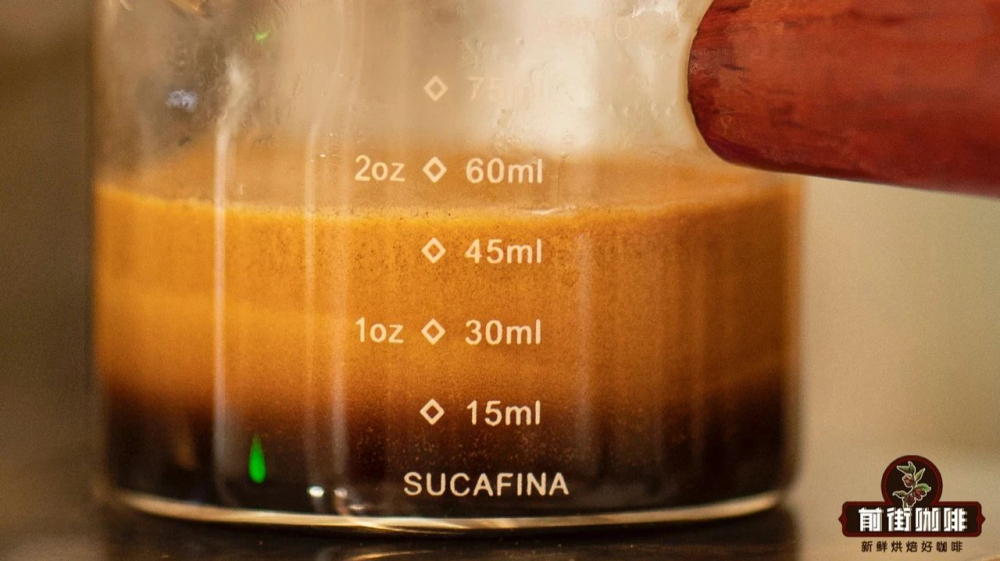
When it comes to varieties, the evolution of Colombian coffee can be described as a history of fighting disease. The Caturra variety, introduced in the 1960s, quickly replaced the original Typica as the main variety; by the 1980s, FNC had developed the hybrid Colombia variety (Variedad Colombia), combining Caturra and Timor lineage. Its flavor elegance significantly surpassed that of the Catimor varieties of the same period. This breeding program was already in place before the first outbreak of coffee leaf rust in 1983, demonstrating foresight. Over the following two decades, in response to the threat of Coffee Berry Disease (CBD), FNC continued its research and eventually introduced two major disease-resistant varieties: Tabi and Castillo. Castillo was officially promoted in 2005 and has now become the most widely planted variety in Colombia. For example, a certain brand’s Sakura Coffee is produced from Castillo grown in the Huila region.
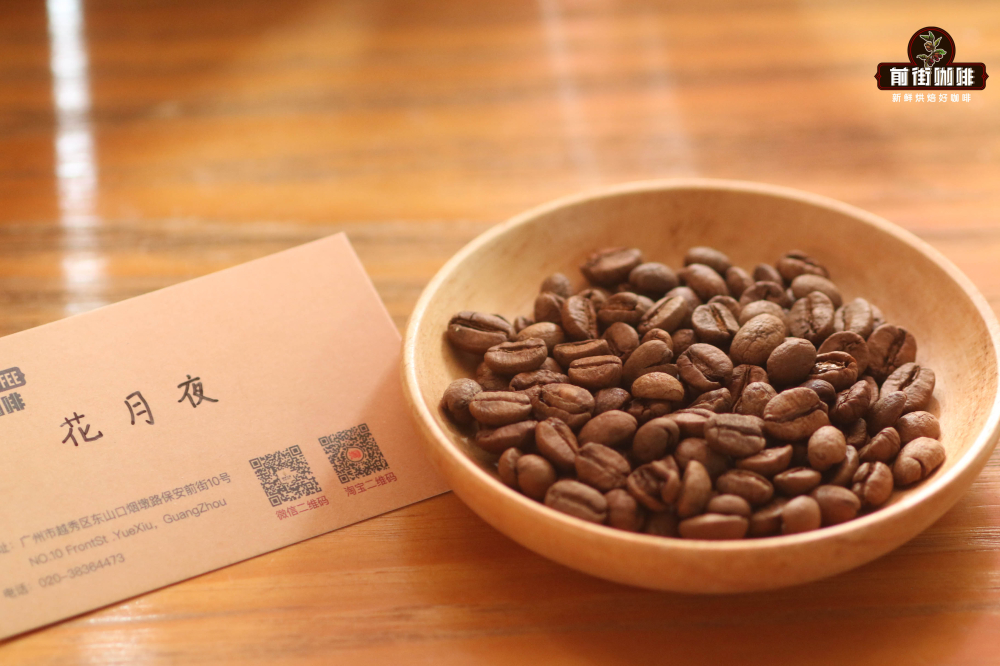
To fully experience the diverse flavors of Colombian coffee, it is recommended to use the three-stage pour over method: using a V60 #01 filter, 15 grams of coffee, a 1:15 coffee-to-water ratio, water temperature at 90°C, and medium-fine grind (78% passing through a #20 sieve). First, pour 30 grams of water for a 30-second bloom to allow the coffee grounds to fully expand; then pour in a circular motion from the center outward up to 125 grams, wait for the liquid level to drop, and finally pour up to a total of 225 grams. The total extraction time should be controlled to around 2 minutes. With these parameters, Colombian coffee often exhibits pronounced spicy and mugwort aromas, standout berry jam flavors, strong fermentation notes, and a caramel-like sweet finish.
The grading system for Colombian coffee is rigorous. Supremo is one of the highest grades, requiring bean size to pass through an 18-mesh sieve (with a 10% flexibility allowance, but must remain above 17-mesh). The next grade, Supremo 17/18, remains above the 17/18 mesh sieve, allowing a 5% flexibility down to 14-mesh. Additionally, the Excelso EP grading allows for a 10% or 5% flexibility down to 14/12 mesh, while UQG (usually good quality) includes beans below 14-mesh up to 12-mesh, with production limited to within 1.5%. These strict standards ensure that exported coffee maintains high quality and consistent flavor performance.
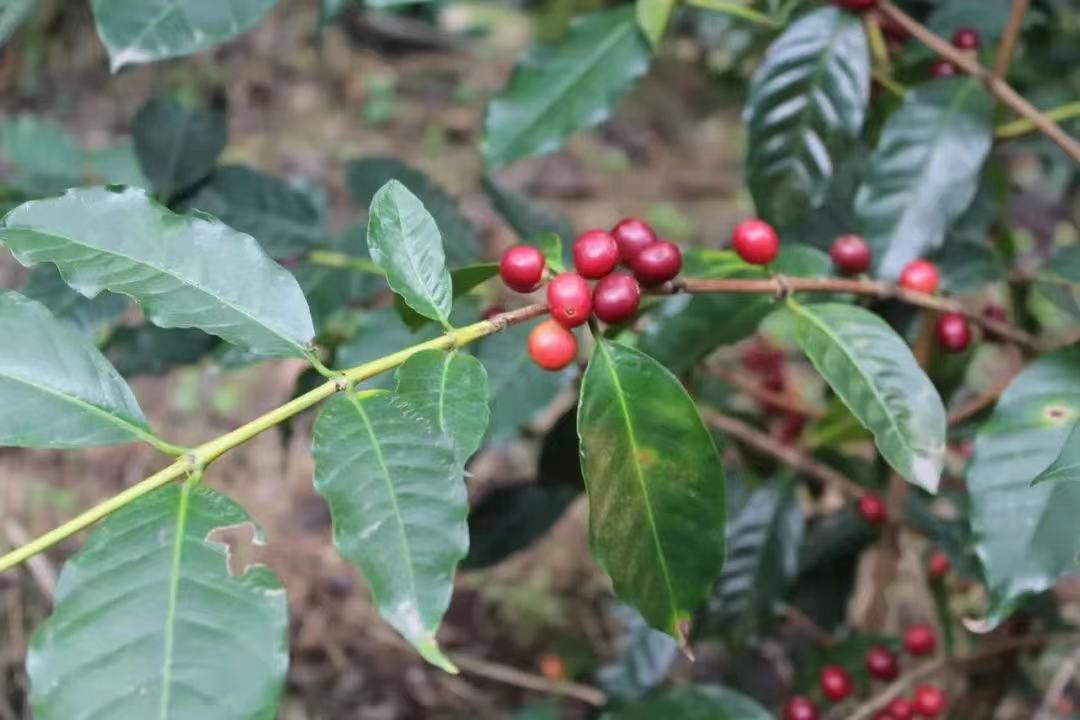
Colombia’s main specialty coffee regions are concentrated in the high-altitude areas of the south, including San Agustín in the department of Huila, Popayán in Cauca, as well as Nariño and Tolima. The coffee produced in these areas generally features delicate floral notes, balanced acidity and sweetness, and captivating caramel aromas. Among them, Huila and Cauca Valley are frequent contenders in international competitions. It is recommended to try medium-roasted Central and South American beans, which are suitable for a variety of brewing methods including moka pot, pour over, and siphon, offering flavor experiences for both beginners and advanced enthusiasts.
The above content is compiled by CoffeeHunters, a coffee news website.


