







Category: Coffee Knowledge
How to Brew Washed Yirgacheffe Guddina Coffee Beans? Flavor Profile & Pour Over Roast Recommendations
Washed coffee beans from the Guddina Cooperative, a micro-region at high altitude in Yirgacheffe, Ethiopia, are renowned for their bright acidity and berry-cream flavor notes. This article provides an in-depth analysis of its regional background and traditional washed processing method, along with professional roast curves and pour over parameters to help you fully unlock the potential of this specialty bean — understand both its flavor characteristics and brewing techniques in one go. [more…]

Getting Started with Pour Over of Indonesian Tiger Mandheling | Flavor Analysis and Optimal Extraction Settings
As one of the classic representatives of Sumatran Mandheling, Tiger Mandheling is widely loved by pour over enthusiasts for its rich base notes and unique pine-like character. This article delves into its growing region environment, wet-hulled processing features, variety composition, and roasting strategy, and provides professional-level pour over recommendations, including the use of Kono filters, water temperature control, and a three-stage pouring method. These insights will help you fully unlock the potential of this medium-dark roasted bean and master the essence of Sumatran coffee. [more…]
Decoding Sumatra Tiger Mandheling: A Complete Guide to Wet-Hulling, Bean Selection Criteria, and Pour Over Parameters
Sumatra Tiger Mandheling is renowned for its full-bodied texture and distinctive spicy notes, making it a top choice for many coffee enthusiasts exploring dark roasted beans. This article delves into its regional background, wet-hulling processing method, and premium selection standards using seventeen-mesh beans, while also providing practical pour over recommendations — including grind size, water temperature, brew ratio, and pulse pouring techniques — to help you fully unlock its layered profile of cedar, creamy dark chocolate, and citrusy finish. [more…]
Complete Guide to Indonesian Mandheling Beans: A Comparison of Five Flavors and Pour Over Parameters
An in-depth analysis of five classic Mandheling coffee beans from Sumatra, Indonesia — from Lintong to Golden, Tiger, Aged, and Wahana Natural — helping you understand each bean’s origin, the unique features of the wet-hulled process, and complete roasting recommendations. We also provide professional pour over parameters and flavor profiles to help you find the Mandheling that suits you best. [more…]
How to Brew Pour-Over Coffee Using Filter Bags? Techniques to Recreate Hand Drip Flavor and Optimal Extraction Parameters
Filter bag coffee, due to its convenience, has become an ideal choice for many busy individuals looking to enjoy hand drip-style coffee. But did you know that by using the correct coffee-to-water ratio, water temperature, and pouring technique, filter bags can also deliver a layered flavor profile similar to traditional pour-over? This article will thoroughly explain the brewing principles of filter bag coffee, key parameter settings, and practical step-by-step instructions, helping you brew more complete and flavorful coffee with the simplest tools. [more…]
A Complete Guide to Bali Kopi Luwak: Flavor, Price, Controversy, and Best Brewing Settings
Kopi Luwak (also known as civet coffee) is famous for its unique origin and high price, but it is also highly controversial due to animal welfare issues. This article delves into the source of this rare Indonesian Bali coffee, its special fermentation process, flavor characteristics, and market positioning, while also exploring the ethical dilemma of bean collection from caged animals. Additionally, it provides professional-grade pour over recommendations and parameter settings, along with suggestions for several high-quality alternative beans with similar flavor profiles, allowing coffee enthusiasts to experience a comparable cup without the associated controversy. [more…]
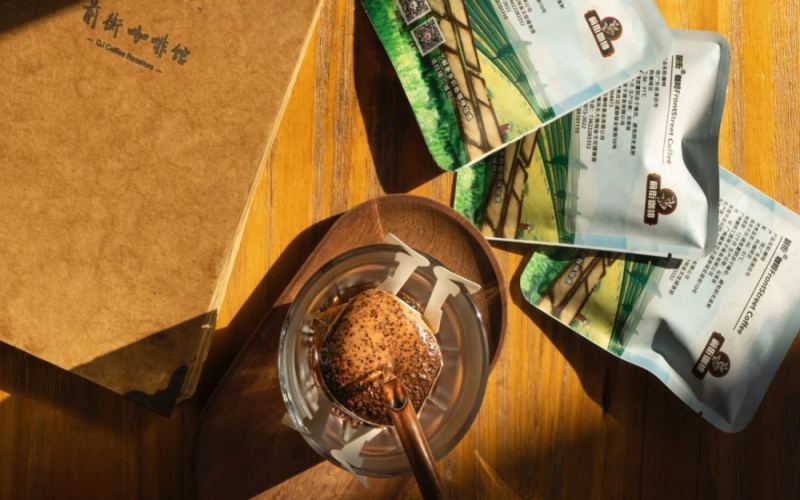
The Best Way to Brew Front Street Coffee’s Drip Bags: How to Control Water Temperature and Volume? How Many Brews Are Possible? Must-Read Before Buying
Drip bags are favored by many busy individuals as a convenient way to enjoy pour over-style coffee. But do you know what water temperature is ideal for brewing drip bags? How much water should you use each time? Can they really be reused? This article explains the full drip bag brewing process—from warming your cup and pre-wetting the filter to pouring techniques—step by step guiding you to master the optimal extraction parameters. It also analyzes common flavor profiles and offers tips on selection, so that every brew delivers a fragrant and layered coffee experience. [more…]
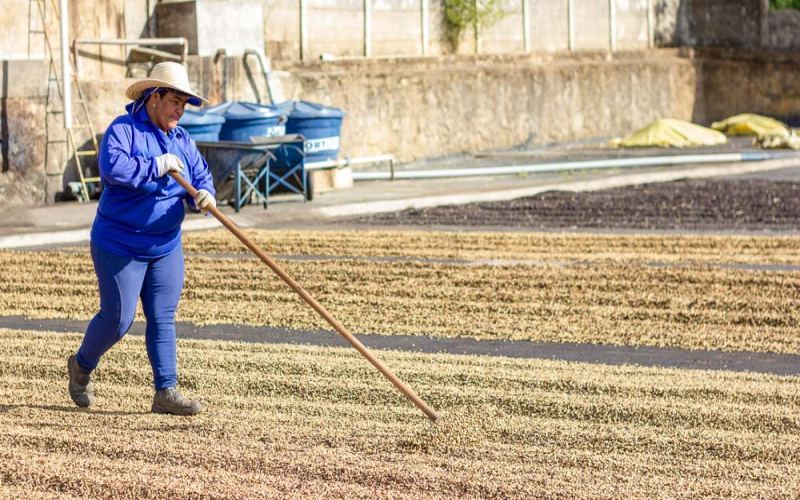
A Comprehensive Guide to Costa Rica Honey Processed Coffee: Flavor Profiles and Pour Over Recommendations
Honey processing is a coffee processing method that combines characteristics of both natural (sun-dried) and washed processing. By retaining varying levels of fruit mucilage, it influences the final flavor profile — ranging from bright citrus notes to rich berry tones. This article delves into the differences between black honey, red honey, yellow honey, white honey, and the innovative raisin honey process. It also explains the drying parameters and acid-sweetness balance of each honey type, helping pour over enthusiasts select beans that suit their personal preferences. [more…]
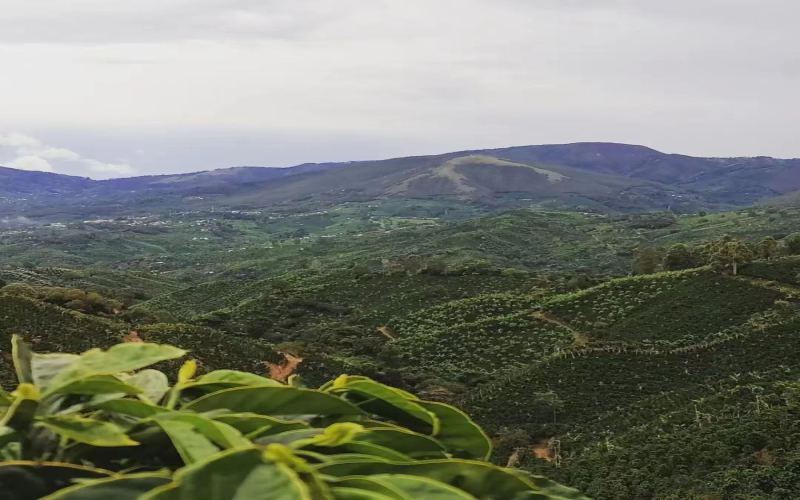
How to Choose Costa Rican Honey Processed Beans? A Guide to Seven Major Regions + Yellow, Red & Black Honey Flavor Profiles
Costa Rican honey processed coffee beans are renowned for their unique fermented sweetness and balanced flavor profile, but what exactly sets yellow honey, red honey, and black honey apart? This article delves into the microclimates and soil characteristics of the country’s seven major coffee regions, explains the processing principles behind honey methods, and systematically compares the differences among the three honey processing levels—from green bean appearance and roasting curves to cupping flavors—to help you find the perfect match for your taste preferences. [more…]
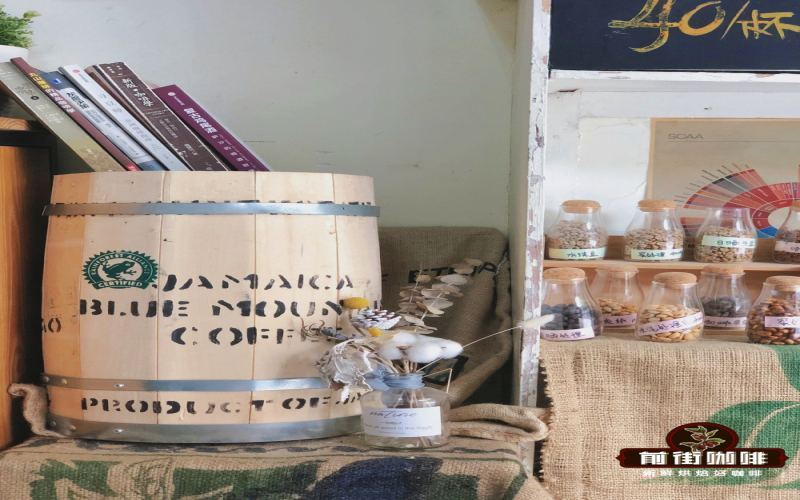
How to Choose Jamaican Blue Mountain No. 1 Coffee Beans? A Comprehensive Guide to Flavor Profile, Origin Background & Pour Over Brewing Tips
Jamaican Blue Mountain No. 1 coffee beans are renowned for their delicate, balanced flavor and rarity, making them a highly sought-after specialty coffee for many enthusiasts. However, the market is flooded with various products labeled as "Blue Mountain," making it difficult to discern authenticity. This article delves into the real Blue Mountain growing region, offering an in-depth analysis of the cultivation conditions and grading system of Blue Mountain No. 1, while also introducing its classic flavor characteristics and providing professional pour over brewing recommendations to help you find an authentic Blue Mountain coffee worth savoring. [more…]
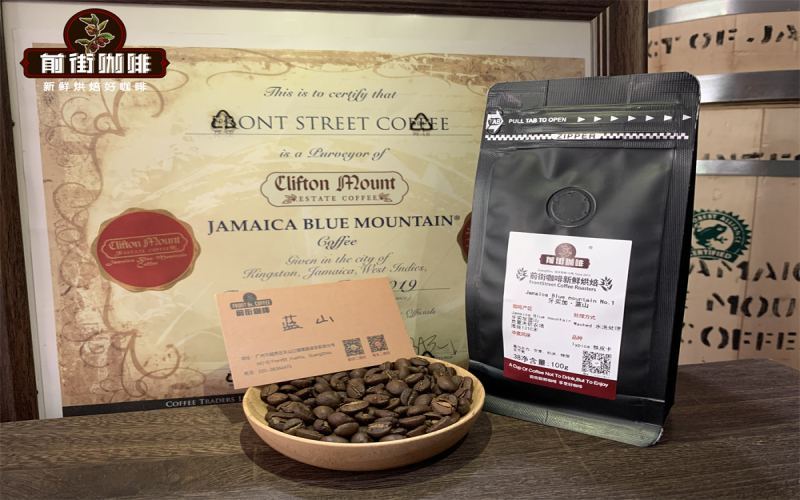
A Comprehensive Guide to Jamaican Blue Mountain No. 1 Coffee Beans: Region, Processing, and Flavor
Jamaican Blue Mountain coffee is hailed as one of the world’s finest, and the Mavis Bank Processing Factory in Jamaica plays a pivotal role behind it. This article will delve into the historical background of Mavis Bank, the legal growing region environment of Blue Mountain No. 1, as well as the complete process from harvesting, processing to grading. It also analyzes the No. 1 grade standards and the classic flavor profile under medium-dark roasting, helping you fully understand the mysteries of this rare coffee. [more…]
Jamaica Blue Mountain No. 1, Clydesdale Estate: A Comprehensive Guide to Its History, Craftsmanship & Tasting
Jamaica Blue Mountain No. 1 coffee has long been hailed as the king of the coffee world, and the No. 1 grade from Clydesdale Estate is among its finest representatives. This article will delve into the unique natural environment of the Blue Mountain region, trace the long history of Clydesdale Estate, analyze its distinctive washed processing method and rigorous grading system, while also providing practical advice on roasting and brewing, and teaching you how to identify authentic Blue Mountain coffee — helping you fully grasp the essence of this legendary brew. [more…]
A Comprehensive Guide to the Flavors of Jamaican Blue Mountain No. 1: Region, Grade, Brewing, and Authenticity Identification
Jamaican Blue Mountain No. 1 coffee is hailed as one of the world’s finest, yet the market is flooded with counterfeit labels and misleading claims—truly authentic Blue Mountain No. 1 is exceedingly rare. This article delves into the legally defined growing region, altitude requirements, CIB grading system, and washed processing methods of Blue Mountain No. 1, helping you understand the stringent standards of the No. 1 grade. Through cupping notes and roast profiles, we also reconstruct its distinctive flavor profile. Additionally, practical tips for authenticity verification and pour over recommendations are provided to help you select and [more…]
Why is Geisha coffee so expensive? A deep dive into the secrets behind its high price — from variety, yield to brewing
Geisha coffee is hailed as the top variety in the specialty coffee world, renowned for its unique fruity and tea-like flavor profile, and is also a highly sought-after cup for many coffee enthusiasts. But do you know why Geisha coffee beans have consistently remained so pricey? This article will take you through a comprehensive understanding of the charm and high cost of this "fruit-tea-like" coffee — from its variety characteristics, scarce production, farming challenges, estate grading system, to the best brewing recommendations. [more…]
How to Brew Dark Roast Coffee? Flavor Profile, Pour Over Techniques & Bean Recommendations All in One Guide
Dark roasted coffee is often perceived as having a bold and full-bodied taste, yet many people have doubts about its performance in pour over brewing. This article delves into the unique flavor profile of dark roast beans, explores the origins of their rich texture, and provides specific adjustment suggestions for the four key elements of pour over extraction—coffee-to-water ratio, time control, filter choice, and pouring method. It also curates several popular single-origin dark roast beans on the market to help readers build a comprehensive knowledge system for tasting and brewing. [more…]
Beginner's Guide to Cold Brew Coffee: Water-to-Coffee Ratio Parameters, Bean Selection, and Flavor Adjustment Techniques
Cold brew coffee requires some advance planning, but with the right ratio and bean selection, you can easily brew a smooth, non-bitter, rich flavor. This article details tested cold brew golden parameters — from coffee-to-water ratio and grind size to steeping time in the fridge — and recommends single-origin beans such as washed-process and Geisha that suit the characteristics of cold brew, helping you achieve a low-temperature fermented coffee with layered complexity. [more…]
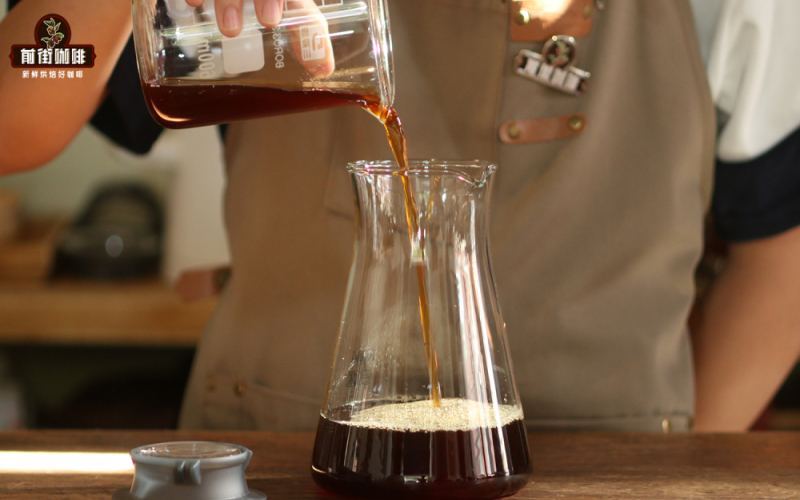
A Complete Guide to Cold Brew Coffee: From Bean Selection to Ratios, Crafting Refreshing Iced Coffee
Making cold brew coffee at home hinges on mastering the right bean selection, grind size, and steeping conditions. This article explains how to adjust cold brew parameters—such as coffee-to-water ratio and extraction time—to create a well-balanced iced coffee with bright acidity and a smooth, refreshing mouthfeel. It also offers practical advice tailored to the characteristics of both light and medium-dark roasted beans. [more…]
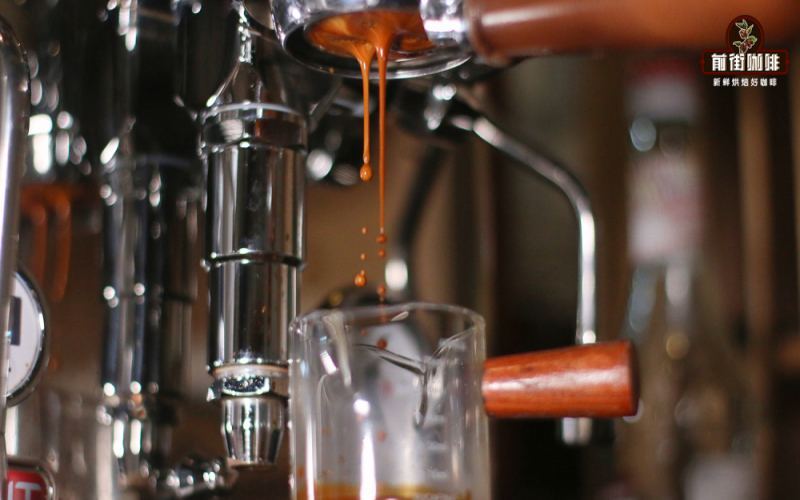
How to Adjust Espresso Grind Size and Extraction? A Practical Guide to Mastering Coffee-to-Water Ratio and Flow Rate
To consistently brew a well-balanced shot of espresso, the key lies in precisely managing the delicate balance between grind size, dose, extraction time, and beverage weight. This article delves into the logic behind espresso extraction parameter settings—from coffee-to-water ratios and grind size selection to flow rate and flavor judgment techniques. It will guide you from the basics, step by step, to adjust your espresso to suit your preferred flavor profile, bringing each extraction closer to the ideal state. [more…]

How to Adjust an Espresso Grinder? A Complete Guide to Grind Size, Brew Ratio, and Electronic Grinder Settings
To consistently extract a well-balanced espresso shot, adjusting the grinder’s grind size is absolutely essential. Whether you’re using a traditional manual grinder or a smart electronic grinder, how do you make fine adjustments based on the beans’ condition and environmental factors? How can you determine whether the grind is right by observing the powder appearance, flow rate, and extraction time? This guide provides a full breakdown of the purpose of grind adjustment, the differences between manual and electronic grinders, the distance between the puck and the shower screen, and more detailed points. Learn from the basics to the advanced level and easily master professional-level adjustment techniques. [more…]
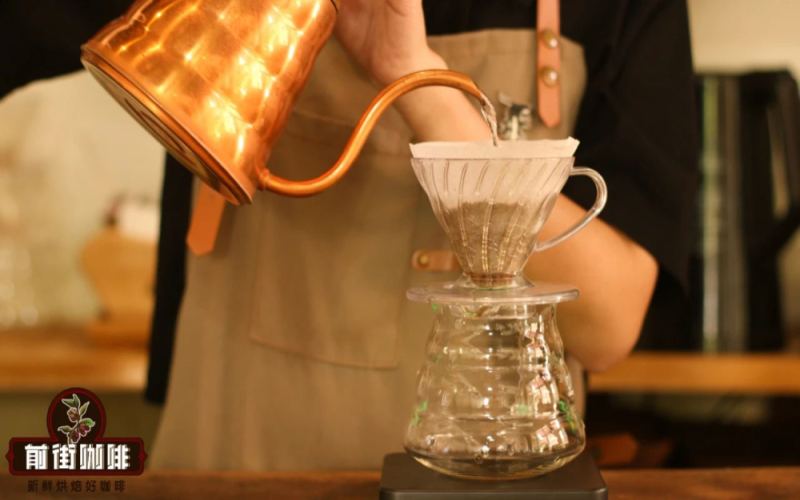
Complete Guide to Espresso Grind Size & Extraction Time: Mastering the 25-30 Second Sweet Spot & Flavor Balance
The essence of espresso extraction lies in the perfect combination of grind size and time—especially the golden 25 to 30-second window, which is crucial for releasing the flavors of espresso. This article delves into grind settings and extraction parameters for different roast levels, teaching you how to adjust grind size based on extraction time, assess extraction stability, and offers practical advice for medium-light roasts and pre-infusion systems. Help you precisely master the flavor balance of every shot of espresso. [more…]