








Introduction:The Sumatra Tiger Mandheling is renowned for its full-bodied flavor and distinctive spicy notes, making it a top choice for many coffee enthusiasts exploring dark roast beans. This article delves into its regional background, wet-hulled processing method, and strict 17-eye high-standard bean selection criteria, while also providing practical pour-over recommendations—including grind size, water temperature, brew ratio, and pulse pouring techniques—to help you fully unlock its layered charm of cedar, creamy dark chocolate, and citrus finish.
As one of the world’s major coffee-producing regions, Indonesia has long been celebrated for its Mandheling variety, prized for its rich body and complex aromas, with a particularly strong presence in Asian markets such as Japan. Among the many Mandheling-growing regions, the Tiger Mandheling from Lake Tawar in Aceh, Sumatra, stands out with its unique bean selection standards and processing techniques, earning a cherished spot among coffee lovers. This article will take you through a comprehensive exploration of this bold and nuanced coffee—from its regional environment and varietal composition to its wet-hulling process, roasting, and pour-over advice.

Sumatra lies near the equator and features a typical tropical rainforest climate, characterized by year-round high temperatures, humidity, and abundant rainfall. The area’s widespread volcanic soils, rich in various minerals, provide ideal growing conditions for coffee trees. However, due to its remote location and limited transportation, coffee cultivation began relatively late, only gradually developing after 1924. Most farms here rely on traditional shaded cultivation and pesticide-free, eco-friendly farming practices.
The Tiger Mandheling is primarily grown around Lake Tawar in northern Aceh, part of the Gayo Highlands. Most coffee farmers in the region operate on a small scale, with an average plantation size of about 1 to 2 hectares per household. The coffee produced here typically reaches the market through multiple layers of middlemen, with direct trade being extremely rare. Yet, it is precisely this traditional model that helps preserve the coffee’s intense local character and unique terroir expression.
The name “Tiger Mandheling” stems from an amusing misunderstanding. Legend has it that Japanese soldiers once asked locals about a delicious coffee, but due to a language barrier, the locals misunderstood the question as asking for the name of the tribe—and replied “Mandheling.” The name stuck. As for the “Tiger” moniker, it symbolizes the beans’ premium quality. To qualify, green beans must be 17-eye or larger, with a total defect rate below 4%, reflecting the stringent selection process.
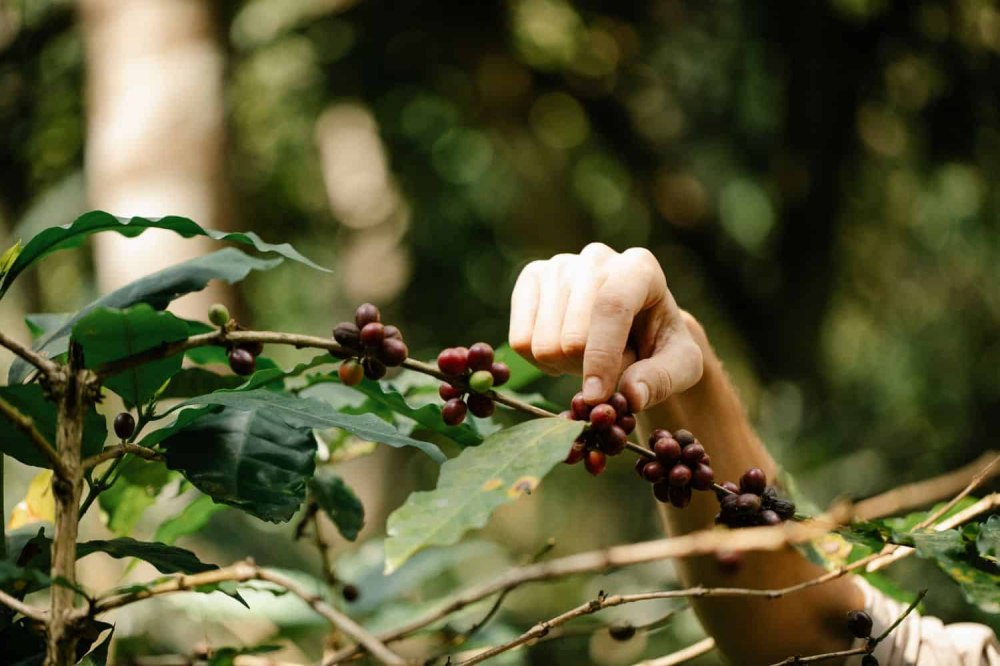
In terms of processing, Sumatra’s hot and humid climate—where humidity often hovers between 70% to 90% year-round, coupled with frequent rainfall—makes traditional sun-drying and washed methods difficult to execute consistently. As a result, the region developed the unique “wet-hulling” method: after initial washing and fermentation, the beans are not fully dried but instead have their outer parchment layer removed at around 20% to 24% moisture content, followed by further drying. While this technique can lead to surface indentations or so-called “horse hoof beans,” it also imparts a richer, heavier body with distinctive spicy and herbal flavors.
The Tiger Mandheling primarily consists of the Catimor, Typica, and Sidikalang varieties, which express pronounced citrus and lemon acidity in this environment. These are balanced by a full body and a finish of creamy notes, dark chocolate, and caramel, resulting in an overall well-rounded and layered profile. The green beans typically appear yellowish-green with a round shape and good uniformity, though the wet-hulling process can introduce minor defects, so careful selection is essential.

For roasting, the Tiger Mandheling is generally recommended to be roasted medium-dark to dark. This helps moderately tone down its inherent acidity, enhance its bold body and overall balance, while preserving its signature cedar and spicy aromas. During roasting, it’s important to control the heat during the drying phase to avoid overdevelopment or astringency due to the beans’ softer texture. Extending the caramelization stage appropriately can help bring out its sweetness and complexity.
For pour-over brewing, it is suggested to use a KONO filter cone, whose design mimics the rich extraction of a cloth filter, making it especially suitable for medium-dark roasted beans. The grind size should be set to medium-coarse—approximately 70% through a 20-mesh standard sieve or grinder setting 11 on an EK43s—while the brew ratio can be based on 1:15, with 15 grams of coffee. Water temperature should be around 87°C to balance the boldness and acidity of the cup.
For the pour-over steps, first evenly distribute the coffee grounds in the filter without excessive shaking to avoid disrupting the bloom. Start with a first pour of 40 grams of water, poured in small circles around the center, and let it bloom for about 30 seconds—the coffee bed should gradually expand, forming a burger-like shape. Next, pour 120 grams of water from the center outward in stable, controlled circles, avoiding vigorous agitation. Finally, pour 100 grams of water and allow all the coffee to fully drip through the filter. The total brew time should be kept around 2 minutes to fully highlight its rich and layered flavor profile.
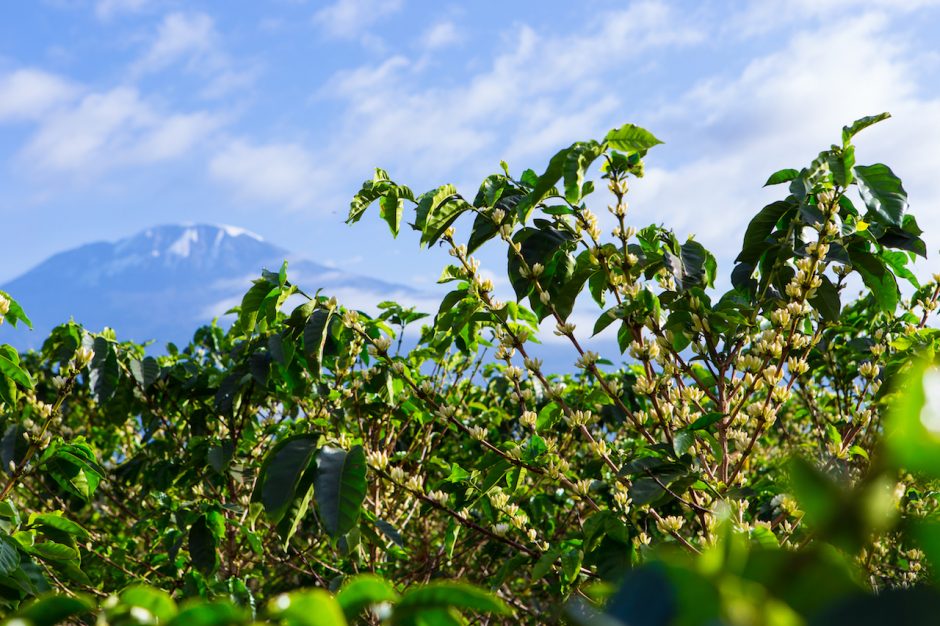
In summary, the Sumatra Tiger Mandheling is a classic coffee bean that combines regional character with deep flavor complexity. Its unique wet-hulling process, high-standard bean selection, and bold, full-bodied taste make it a rewarding choice for both beginners and seasoned coffee enthusiasts. Mastering the right roasting and pour-over parameters will allow you to fully experience the exquisite balance of its cedar aroma, creamy dark chocolate, and citrus finish.
The above content is compiled by CoffeeHunters, a coffee news website.


