








Introduction:An in-depth exploration of five classic Mandheling coffee beans from Sumatra, Indonesia — from Lintong to Golden, Tiger, Aged, and Wahana Natural. Discover each bean’s origin background, wet-hulled processing characteristics, and complete roasting recommendations. We also provide professional pour over parameters and flavor profiles to help you find your ideal Mandheling choice.
As one of the world’s major coffee-producing regions, Indonesia’s Sumatra Island is home to Mandheling coffee, known for its bold, full-bodied taste and unique herbal notes, making it a classic favorite among many coffee enthusiasts. Although its flavors once sparked debate, with the maturation of the specialty coffee market, more and more consumers have come to appreciate the distinctive layers and depth that Mandheling offers. This article will take you through its historical context, processing methods, five renowned varieties, as well as practical roasting and pour over advice, offering a comprehensive understanding of Mandheling’s diverse profiles.
To understand Mandheling’s current positioning, we must first revisit the development of Indonesian coffee. As early as 1696, the Dutch introduced coffee to Indonesia, starting with Java Island before gradually expanding to Sumatra. For a long time, Sumatra has not only been a key producing region but also the birthplace of the name “Mandheling.” The name Mandheling is widely believed to originate from an indigenous tribe in Indonesia. Interestingly, this name spread to the Japanese market through word of mouth by Japanese soldiers returning home after World War II, and later via trade channels, eventually becoming synonymous with high-quality Sumatran specialty coffee.
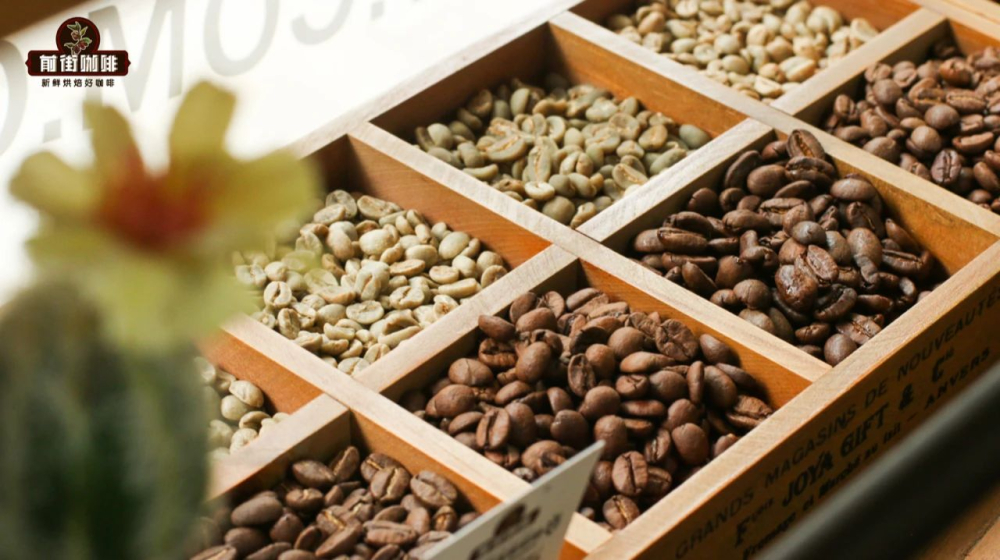
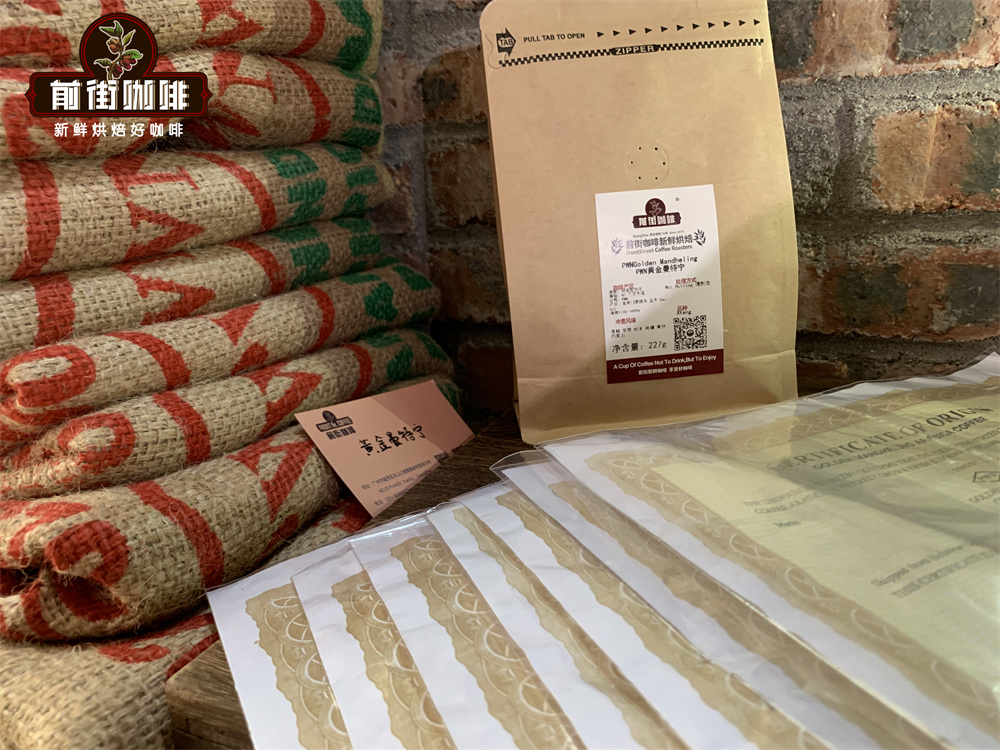
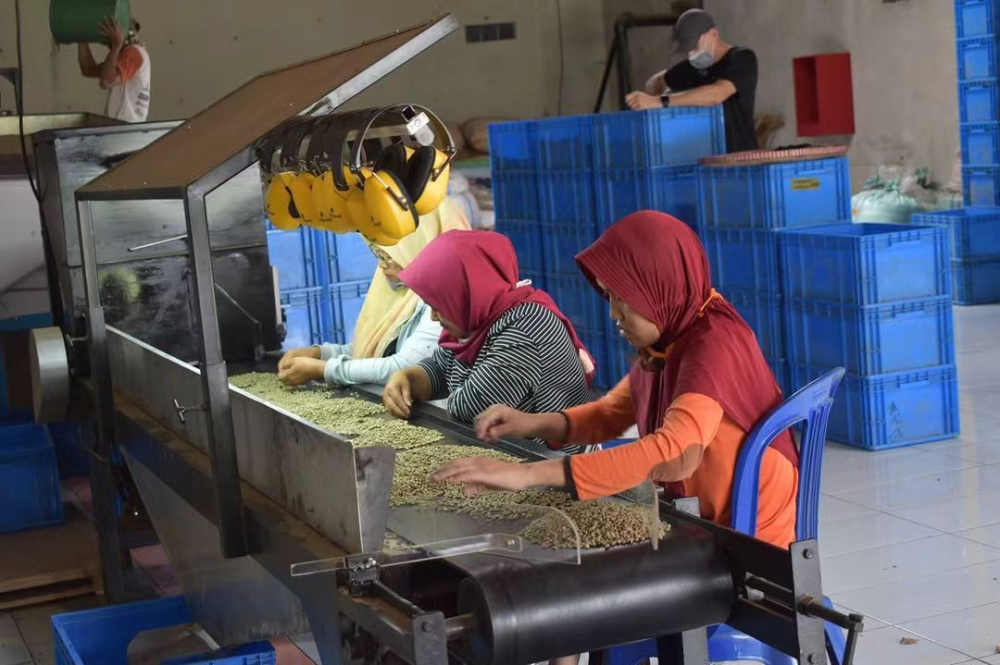
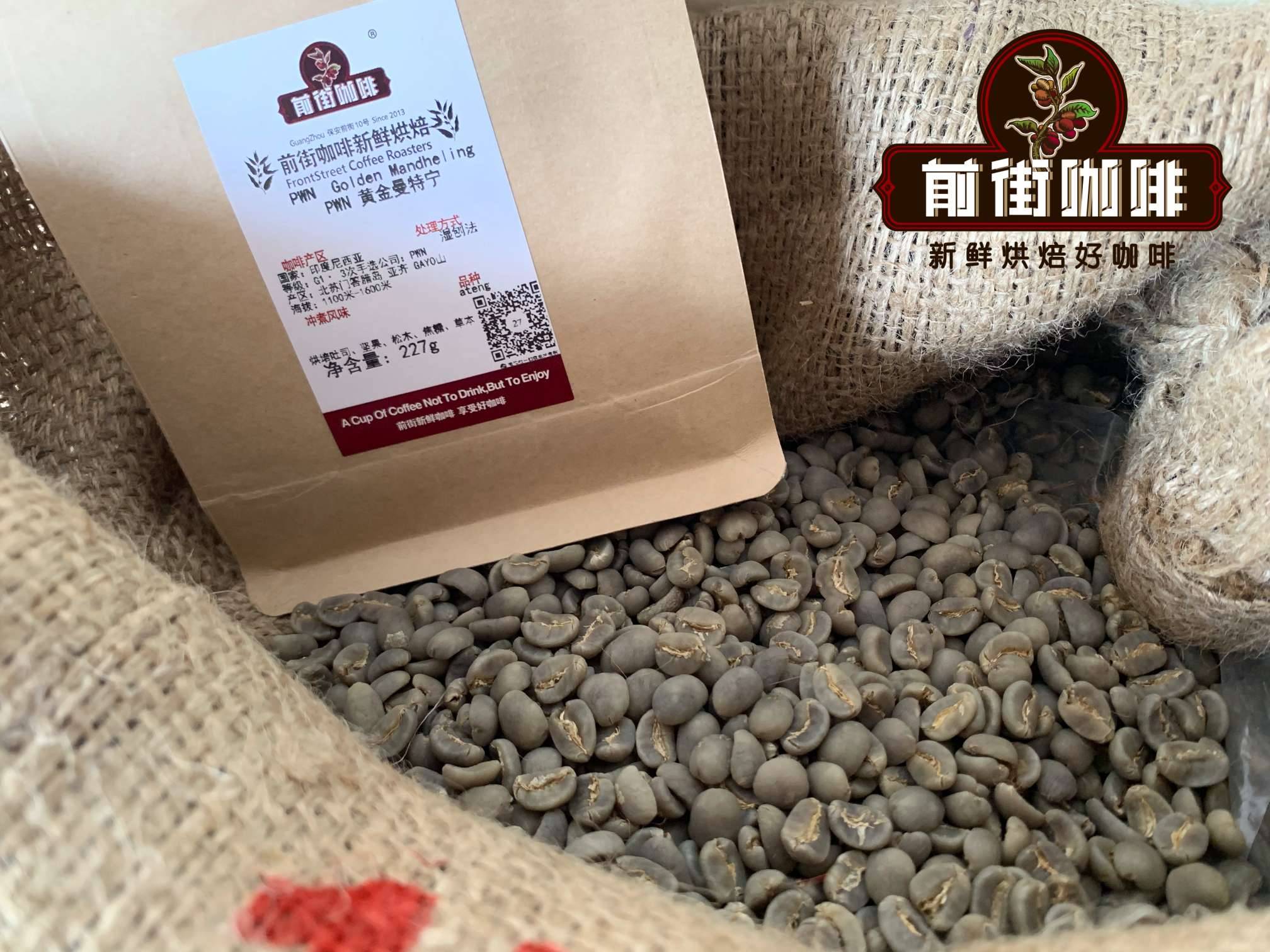
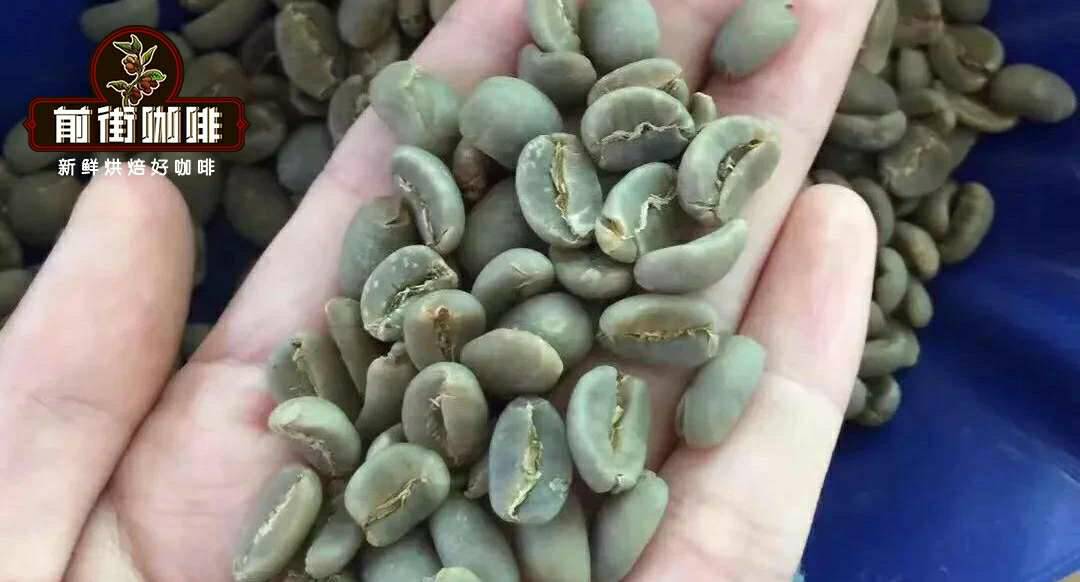
When discussing well-known Mandheling coffees on the market, one cannot overlook PWN (Pwani Coffee Company). This exporter, founded by a Chinese-Indonesian family and headquartered in Medan, has been dedicated to exporting premium coffee since 1957, with a particular expertise in supplying Golden Mandheling. The term “Golden” refers to the golden hue of the green beans in sunlight, coupled with multiple rounds of manual sorting, ensuring uniform bean size and an extremely low defect rate — typically selecting only beans above screen 18, with no more than 3 defects per 300g sample. This coffee not only boasts a clean and bright flavor profile, but also features rich sweetness and nutty notes, making it a recognized high-quality representative in the market.
Compared to Golden Mandheling, Lintong Mandheling is a more widely available version. Produced in the Lintong region of central-northern Sumatra, near Lake Toba, this conventionally wet-hulled Mandheling is beloved for its full body and low acidity. Due to the wet-hulling process, where the beans are still partially dried when the mucilage and parchment layers are removed, the beans often bear internal pressure that forms a distinctive “elephant hoof” crack. While not a defect, this visual trait is one of the hallmark signs of Lintong Mandheling.
Beyond these two classics, Indonesian Mandheling offers a variety of other flavor expressions worth exploring. Tiger Mandheling is one such example, hailing from the higher-altitude Hu Estate in northern Sumatra, emphasizing a unique aroma reminiscent of traditional Chinese medicine, and requiring bean size to be above screen 17 with a defect rate below 4%. Aged Mandheling breaks away from the fresh-roast framework, instead using prolonged proper storage to transform the coffee’s acidity, enhancing its sweetness and body over time, resulting in complex flavors akin to aged Pu-erh tea. As for the Wahana Estate Natural Mandheling, it breaks from Sumatra’s traditional wet-hulling method and opts for the riskier yet promising natural (sun-dried) process. Through extended sun exposure, it imparts tropical fruit aromas and distinct fermentation layers, balancing sweet and acidic notes with a smooth mouthfeel.
To deeply understand Mandheling’s unique character, one must discuss the “wet-hulling” method — an innovative local processing technique. Due to Sumatra’s rainy and humid climate, which is unfavorable for stable sun drying, and the historically high cost of washed processing equipment, farmers developed this efficient and distinctive method. The general process involves two stages: first, removing the skin and pulp, followed by brief fermentation and initial drying to reduce moisture content to 30%–50%; next, the sticky mucilage and parchment layers are removed, and the beans are further dried to 12%–13% moisture. Some estates even offer “aged wet-hulled” versions, where the preliminary beans are stored in warehouses for 2–3 years, allowing flavors to slowly evolve over time, reducing acidity, enhancing sweetness, and shifting color to deep yellow-brown or dark brown hues.
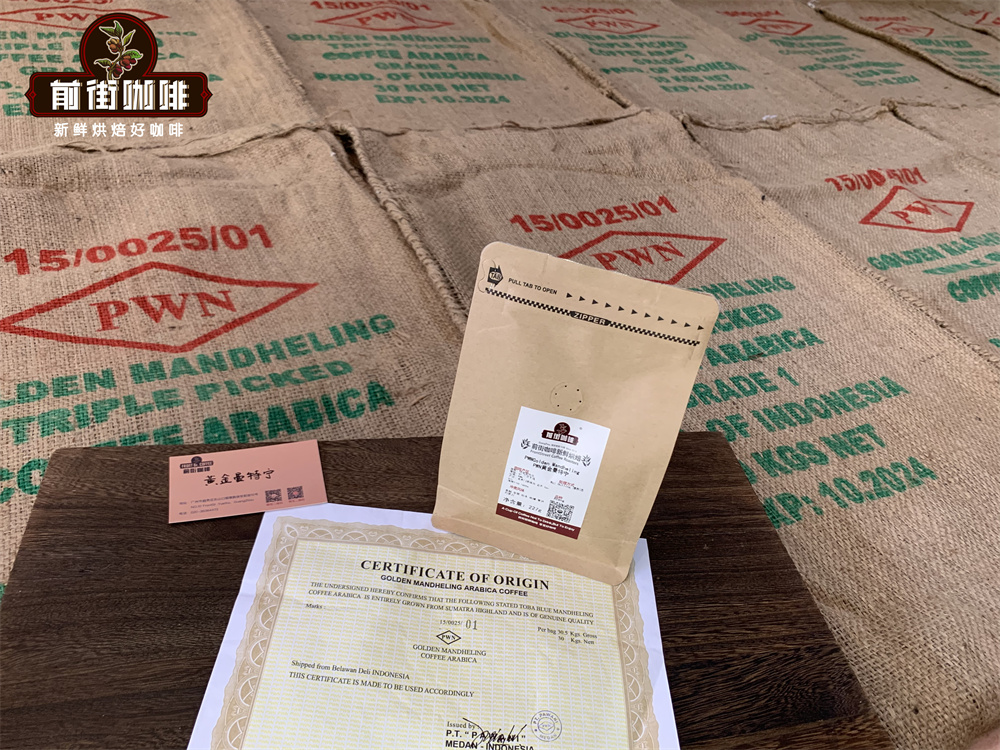
Below is a detailed overview of five main Mandheling beans:
• Lintong Mandheling: Medium-low acidity, full-bodied and rich, with herbal, chocolate, and caramel notes, suitable for those who prefer intense flavors.
• Golden Mandheling: Premium selection, clean flavor with pronounced sweetness, outstanding nutty and spicy notes.
• Tiger Mandheling: Features traditional Chinese medicine-like aromas, strong sweetness, and clear, layered flavors.
• Aged Mandheling: Low acidity, prominent sweetness and herbal notes, with a smooth mouthfeel like aged tea.
• Wahana Natural Mandheling: Highlights tropical fruit aromas, moderate fermentation, balanced sweet and acidic profile with a silky texture.
For roasting recommendations, most Mandheling beans, due to their inherently bold flavors and frequent herbal undertones, are well-suited to medium-to-dark roasts. This helps enhance body, reduce excessive acidity, and strengthen sweetness and overall balance. During actual roasting, adjustments can be made based on bean characteristics. For instance, Golden Mandheling, which emphasizes aromatic expression, may benefit from slight modifications to the roasting curve to preserve more floral and fruity layers.
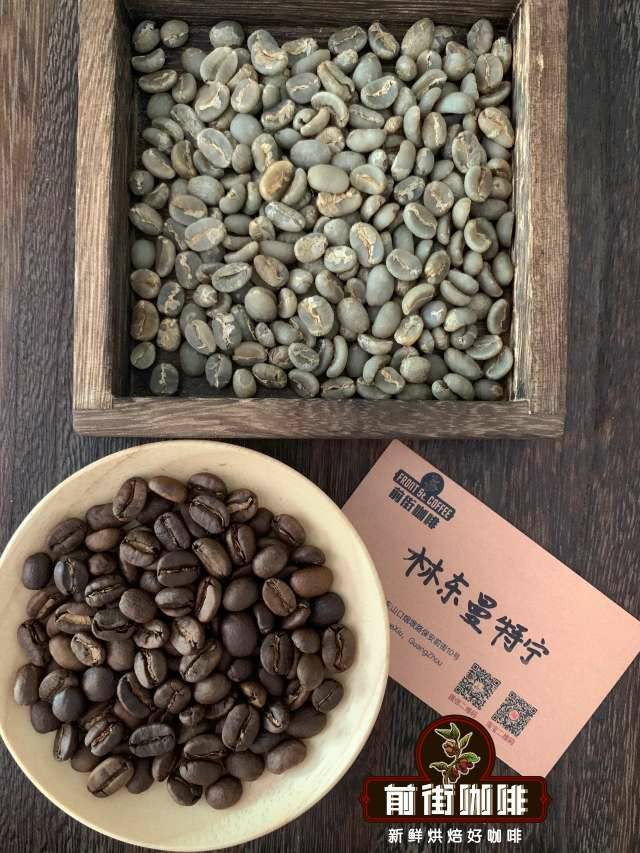
As for pour over suggestions, we recommend using a Kono filter cone with water at 88°C, a 1:15 coffee-to-water ratio, and a grind size corresponding to 70%–75% passing through a #20 Chinese sieve, with about 15g of coffee. This combination effectively prevents over-extraction while fully highlighting Mandheling’s body and aroma. Special note: dark roasted beans should not use excessively high water temperatures, as this can release unwanted off-flavors. The Kono filter cone, with its ribs concentrated at the bottom, slows down water flow and extends extraction time, making it particularly suitable for medium-to-dark roasts.
For brewing, a staged extraction is recommended: start with a 30-second bloom using 30g of water, then pour in small circles to reach 125g for the first pour; when the water level drops close to the coffee bed, continue pouring to a total of 225g, and finally remove the filter just before the brew finishes, keeping the total extraction time around 2 minutes.
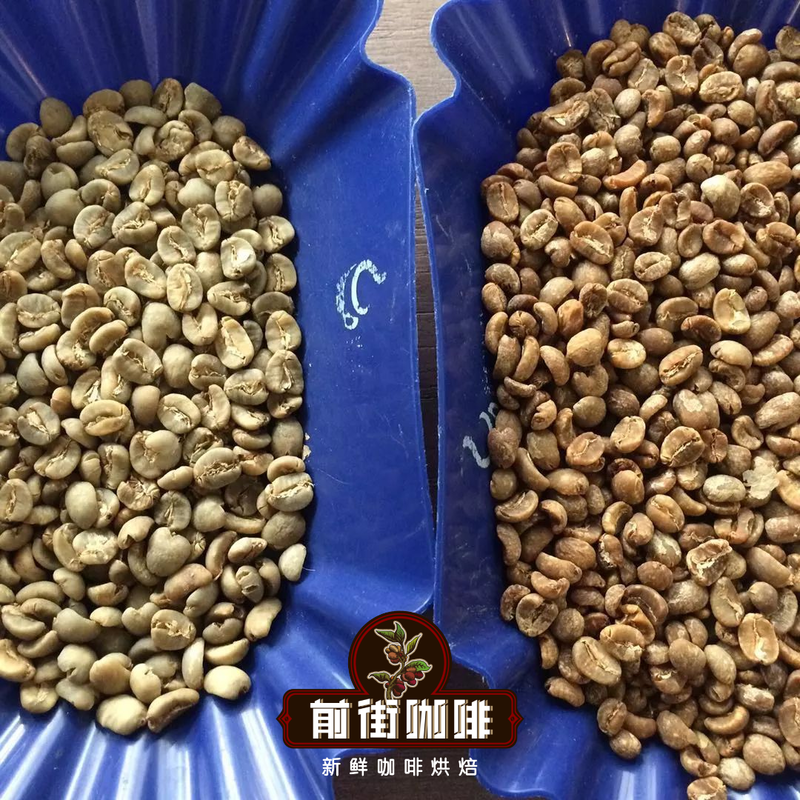
In summary, Indonesian Mandheling is not a single flavor profile. From Lintong to Golden, Tiger, Aged, and Natural Wahana, each bean has its own unique personality and processing characteristics. Whether you’re a beginner or a seasoned coffee enthusiast, understanding these differences will help you find your perfect cup of Mandheling.
The above content is compiled by CoffeeHunters, a coffee news website.


