







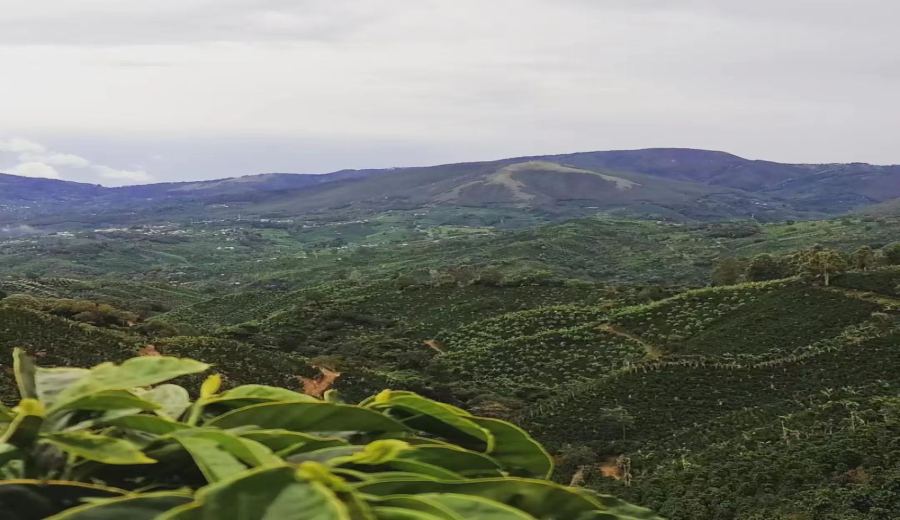
Introduction:Costa Rican honey-processed coffee beans are renowned for their unique fermented sweetness and balanced flavor profile, but what exactly sets yellow honey, red honey, and black honey apart? This article delves into the microclimates and soil characteristics of the country’s seven major coffee-growing regions, explains the processing principles behind honey processing, and systematically compares the differences among the three honey grades—from bean appearance and roast profiles to cupping flavors—to help you find the option that best suits your taste.
Coffee beans grown in Costa Rica’s high-altitude regions are celebrated for their rich, balanced flavors and hold a prominent place in the global specialty coffee market. Honey processing further enhances these beans with captivating sweetness and layers of fermentation. The country’s seven main producing areas, each shaped by variations in altitude, soil, and microclimate, produce distinctly flavored coffees. Among them, honey-processed beans combine the cleanliness of washed processing with the sweetness of natural processing, making them a popular choice for many coffee enthusiasts.
Honey processing (also known as Honey Process or Miel Process) is a method where part of the coffee fruit’s mucilage layer is retained during sun drying. Originally developed in some regions due to water scarcity, it has now become a signature processing method in Costa Rica. This technique reduces bright acidity while enhancing sweetness and caramel notes, resulting in a coffee with a rich profile reminiscent of brown sugar and stone fruits.
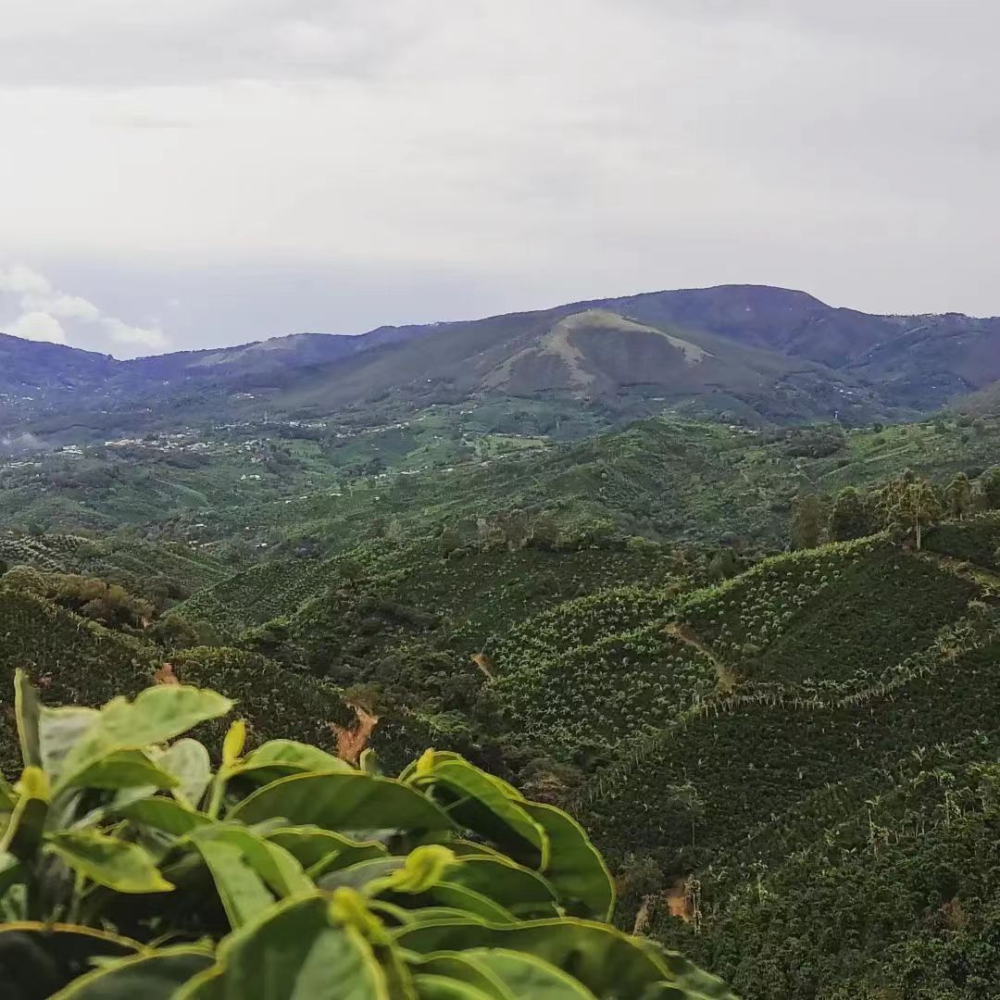
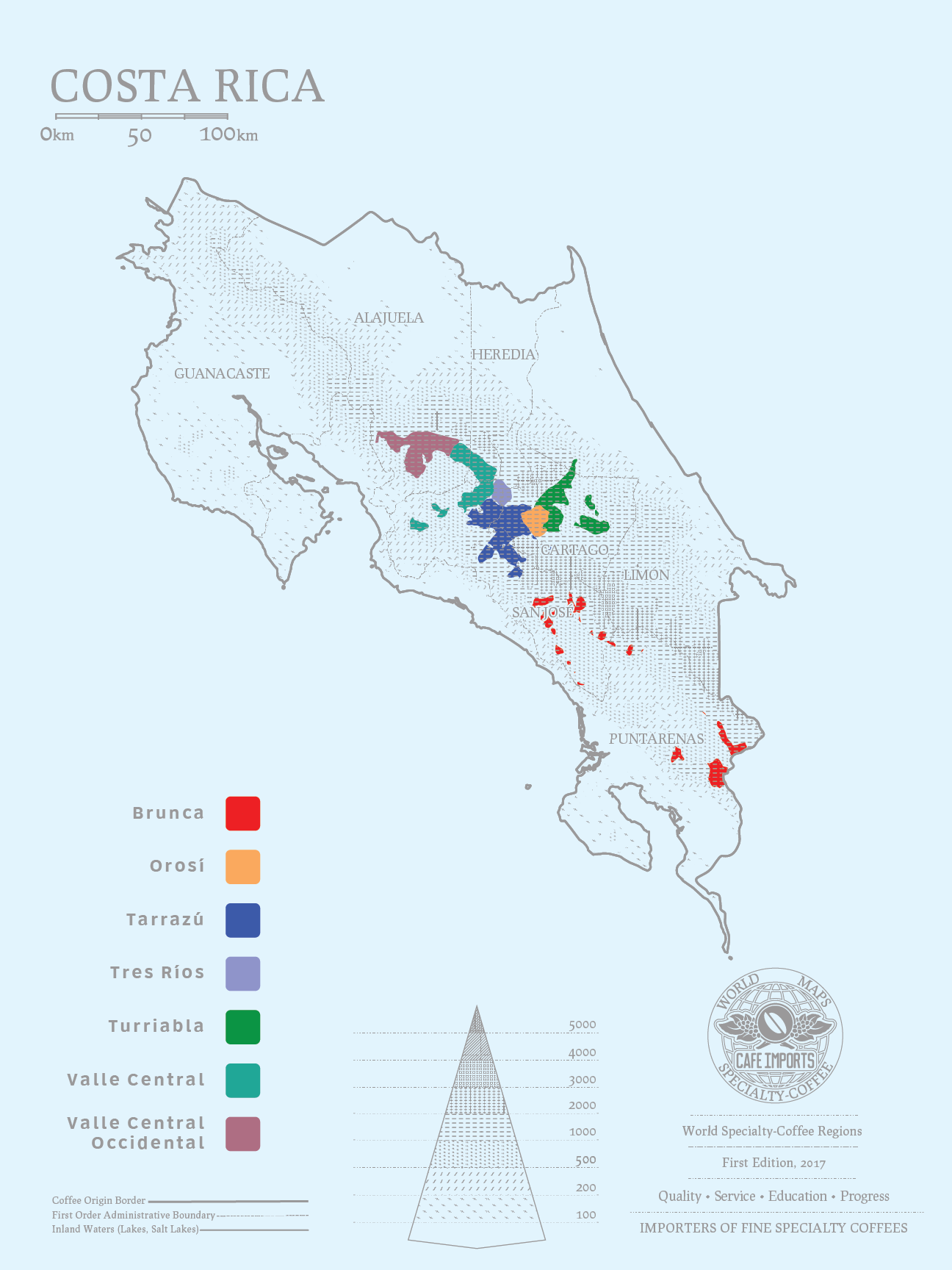
Costa Rica is currently divided into seven major coffee-growing regions, each with unique flavor profiles shaped by its geographical environment and climate conditions. Tarrazú, located southwest of the capital San José at elevations between 1,200 and 1,700 meters, is one of the country’s most famous regions, with a harvest season from December to March. The area features fertile, well-drained soils, and although production is limited, its beans typically exhibit a strong foundation of nuts and chocolate, with a tight structure—making them a favorite among many professional roasters.
The Western Valley (Valle Central Occidental), at elevations of 1,000 to 1,200 meters, has a harvest season from November to March. Influenced by Pacific air currents, the relatively cool temperatures slow down the ripening of coffee cherries, resulting in flavors characterized by steady almond and peach notes. Its acidity is not as pronounced as Tarrazú’s, but it offers well-defined layers. The Central Valley (Valle Central), the earliest coffee-growing region in Costa Rica, sits at elevations of 1,200 to 1,600 meters. Volcanic soils produce beans that balance chocolatey cocoa notes, bright fruit acidity, and elegant aromas, with its harvest season also concentrated from November to March.
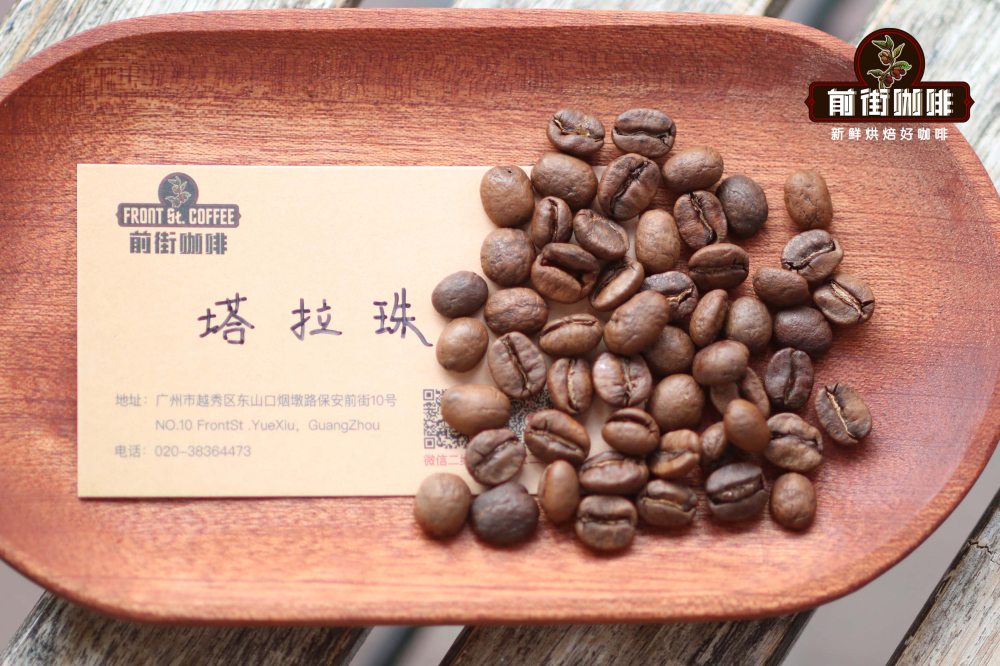
The Tres Ríos region, located east of the capital at elevations of 1,200 to 1,650 meters, benefits from a unique microclimate shaped by the Irazú Volcano and surrounding rivers. The coffee here is known for its gentle fruit acidity, rich nutty aromas, and excellent balance. However, urban expansion has led to a sharp reduction in farmland, making its production scarce, with most beans flowing into the supply chains of international major brands. Orosi, at elevations of 900 to 1,200 meters, has a harvest season from September to February and boasts a coffee-growing history of over a century. Its beans are plump, fragrant, and smooth, with an overall balanced and easy-drinking profile.
Brunca, at elevations of 800 to 1,200 meters, has a harvest season from August to January. Though its acidity is relatively mild, its beans are full-bodied with modestly pleasant aromas. As a relatively newer region, its flavor profile shows compatibility with other regions. Turrialba, at elevations of 600 to 900 meters, is the earliest-harvesting region among Costa Rica’s producing areas, with a harvest season from July to December. Due to abundant rainfall, its beans generally have lower acidity and thinner bodies, but they still retain fragrant aromas.
The key to honey processing lies in retaining the sticky mucilage layer left on the coffee bean after the outer fruit pulp is removed, followed by sun drying. Compared to washed processing—which removes all mucilage and pulp—honey processing preserves more of the fruit’s natural sugars and flavor compounds, thereby intensifying the coffee’s sweetness and body. Practical tests show that honey-processed beans exhibit sweetness levels between those of washed and natural processed beans, while also delivering good body, subtle caramel-like aromas, and a wine-like foundational tone.
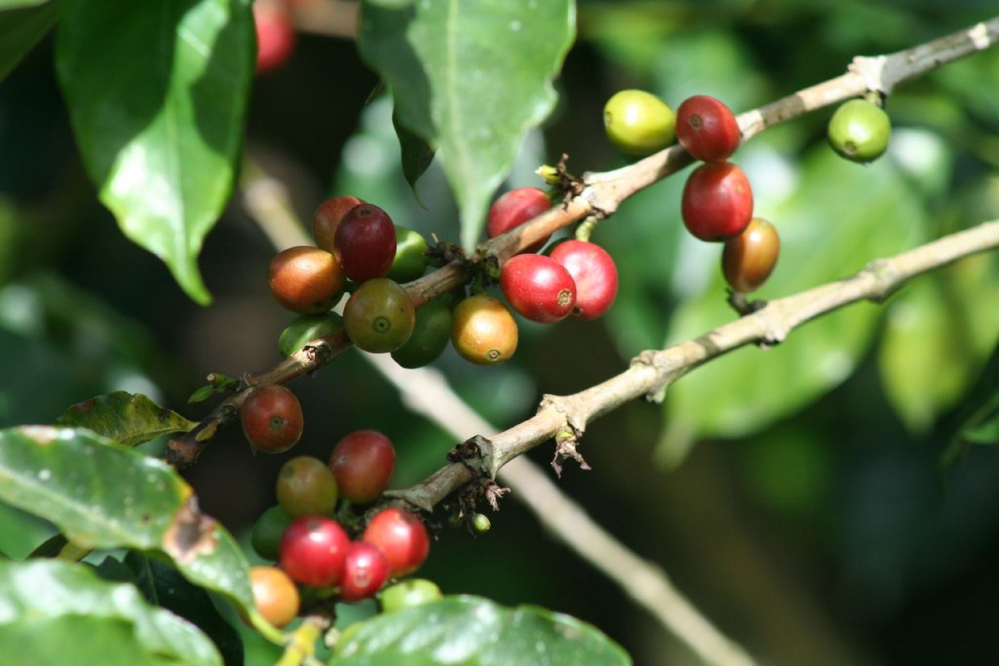
Depending on the proportion of mucilage retained, honey processing can be further categorized into three grades: yellow honey, red honey, and black honey. Yellow honey processing removes about 40% of the mucilage, using the most direct sun-drying method, typically requiring around eight days until the moisture content drops to 11%. This process involves the most sunlight exposure, resulting in the highest clarity but relatively lower sweetness and fermentation complexity. Red honey removes only about 25% of the mucilage, extending the drying time to around 12 days and reducing direct sunlight—sometimes using shade cloths—to enhance sweetness and fruity aromas while maintaining a certain balance. Black honey retains up to 80% of the mucilage, involving the longest drying time (at least two weeks) and strict shading to prevent over-drying. This allows sugars ample time to transform, resulting in the most intense fermentation aromas and complex flavors.
In terms of raw bean appearance, black honey beans appear uneven in color due to higher mucilage retention and emit rich fermentation aromas alongside crisp pear-like scents. Yellow honey beans are uniformly yellow-green with grassy and uncooked rice notes, while red honey beans fall between the two, with subtle fermentation and grassy undertones. Regarding roast profiles, yellow honey beans typically begin yellowing at around 5 minutes and 30 seconds, with first crack starting at 8 minutes and 46 seconds (184°C), and a final roasting temperature of 196°C. Red honey beans start yellowing at 5 minutes and 10 seconds, with first crack at 8 minutes and 40 seconds (185°C), and an exit temperature of 197°C. Black honey beans yellow the fastest at just 5 minutes and 05 seconds, with first crack beginning at 8 minutes and 50 seconds (183.6°C), and an exit temperature of 195.8°C.
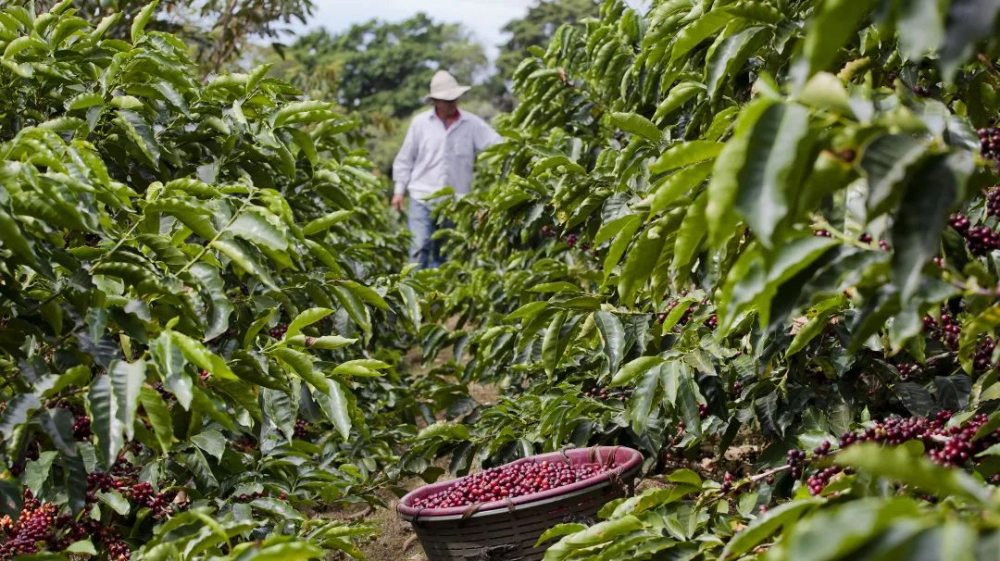
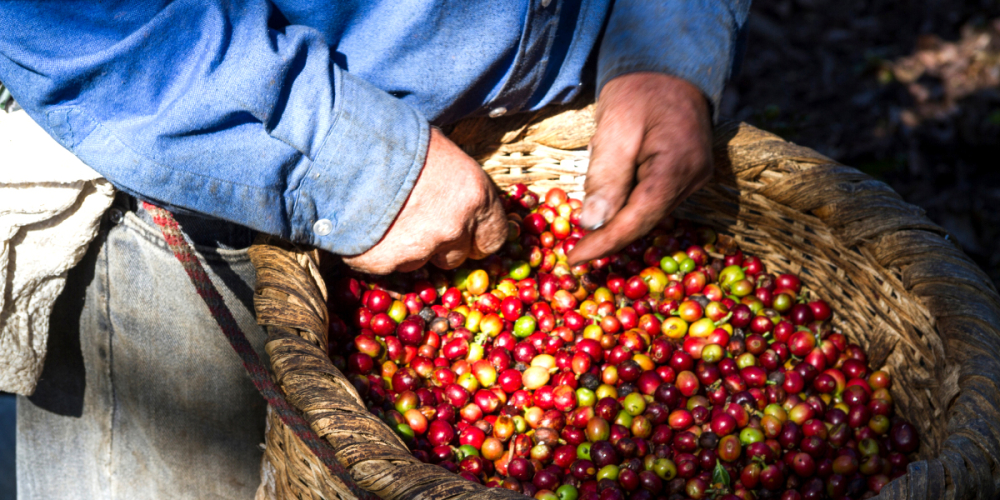
Cupping results show that yellow honey-processed coffee exhibits relatively light flavors, including citrus, cocoa, nuts, honey, and caramel tones, with gentle fermented fruit aromas. Red honey displays intense fermented wine-like aromas, with layered flavors of pineapple, sweet orange, nectarine, grape, cream, raisin, and maple syrup upon sipping. Black honey-processed coffee boasts the strongest fermented aromas—including jackfruit, raisin, and wine—along with complex layers of plum, citrus, raisin, caramel, and spices when sipped. It features prominent sweet-and-sour notes and a juice-like freshness.
In summary, choosing Costa Rican honey-processed coffee beans can be tailored to personal taste preferences: those who prefer clean and refreshing profiles may opt for yellow honey, while those who enjoy rich fruity aromas and sweetness may favor red honey. For those seeking intense fermentation complexity and layered flavors, black honey-processed beans present a rewarding challenge. By understanding the characteristics of each producing region and the differences among honey processing grades, you’ll be better equipped to discover your perfect cup of Costa Rican honey-processed coffee.
The above content is compiled by CoffeeHunters, a coffee news website.


