







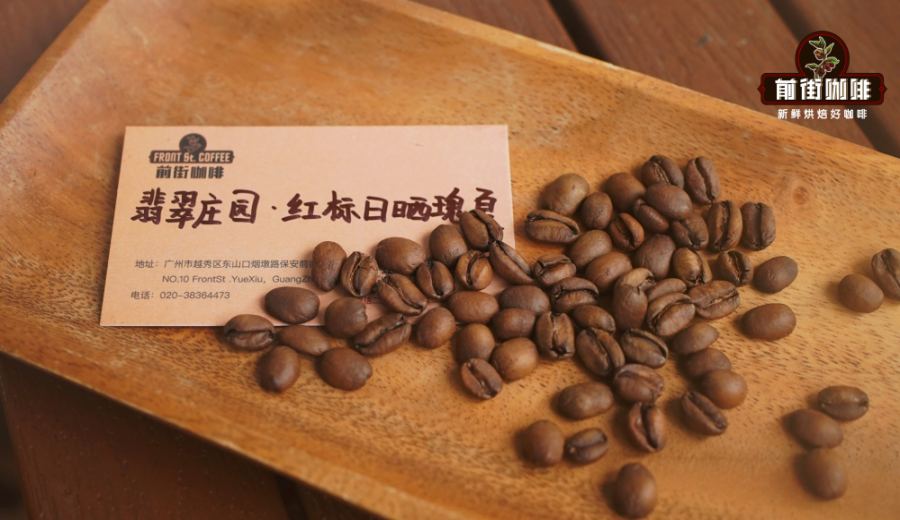
Introduction:Geisha coffee is hailed as the top variety in the specialty coffee world, renowned for its unique fruity and tea-like flavor profile, and is also a highly sought-after experience for many coffee enthusiasts. But do you know why Geisha coffee beans have consistently remained so expensive? This article will take you through a comprehensive understanding of the charm and high pricing of this "fruit-tea-like" coffee, from its variety characteristics, scarce production, cultivation challenges, estate grading system, to the best brewing recommendations.
In today’s specialty coffee scene, Geisha is undoubtedly one of the most prominent star varieties. Since its promotion by Panama’s Hacienda Esmeralda in 2004, this coffee has quickly captivated the palates of coffee lovers worldwide with its delicate floral notes, bright acidity, and oolong tea-like finish. Geisha is not only seen as the pinnacle of flavor expression, but its high price also often raises curiosity: what grade does this coffee bean belong to, and why has it consistently maintained such high prices? Next, we’ll unravel the mystery behind Geisha’s premium pricing from multiple angles, while also delving into its unique allure.
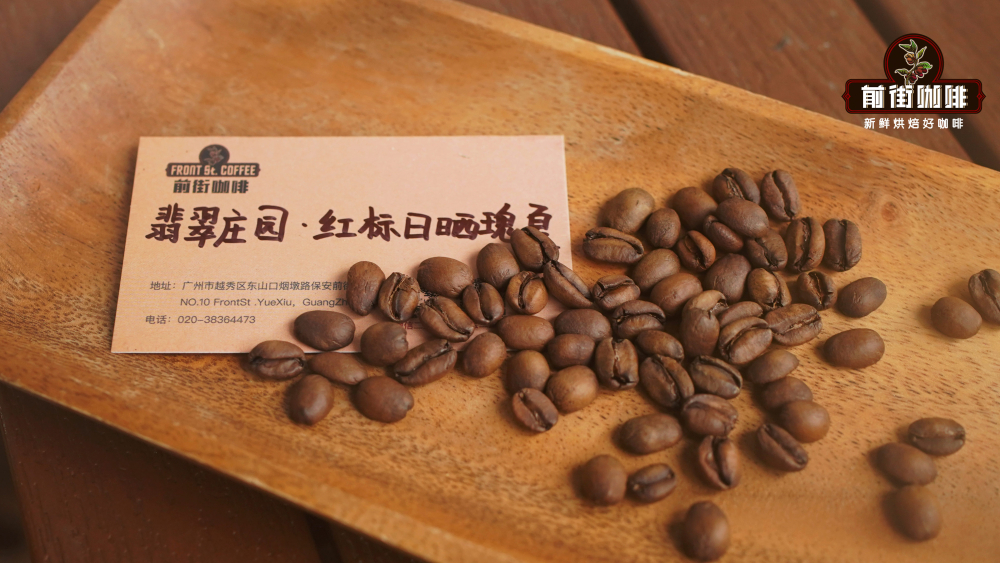
The reason Geisha stands out among numerous specialty coffees lies in the complex and captivating cup profile it delivers. With the first sip, you’re greeted by delicate floral aromas, such as the interplay of rose and jasmine; this is followed by bright acidity from refreshing citrus, peach, and even tropical fruits. The texture is silky smooth, gliding gently over the tongue like cream, while the lingering aftertaste reveals a subtle hint of oolong tea, adding an Eastern flair. This layered flavor profile often makes one feel as though they’re not drinking coffee, but rather a carefully crafted premium fruit tea. In fact, coffee is itself an agricultural product, and its flavor is influenced by a combination of factors including variety, climate, altitude, soil, and farming practices. Geisha’s astonishing flavor profile is the result of these conditions coming together perfectly.
However, the saying “scarcity breeds value” is most directly embodied in Geisha. Take Panama, a major coffee-producing country, for example: the nation produces about 10,000 metric tons of coffee annually, yet Hacienda Esmeralda yields only around 150 bags of Geisha green beans per year, which equates to roughly 9,000 kilograms. If we estimate, based on the commonly recognized market proportion, that Geisha accounts for about 3%, the actual volume of Geisha green beans in circulation is only about 270 kilograms. Such limited production, coupled with continuous acclaim for its unique flavor by the media and the coffee industry, has kept Geisha prices at a consistently high level, even setting record-breaking prices at certain auctions.
Beyond its scarcity, the cultivation challenges of Geisha itself are another major reason for its high price. Compared to other common Arabica varieties, Geisha not only produces fewer fruits per plant, but the plant itself is also quite “delicate.” It needs to be grown at high altitudes, relying on fertile soil, cloud-covered environments, or the protection of shade trees, and cannot withstand intense sunlight. Geisha has relatively thin leaves, resulting in lower photosynthesis efficiency, and its fragile root system absorbs water and nutrients at a slower rate, leading to significantly lower overall yields compared to typical coffee varieties. Additionally, while the large diurnal temperature variation at high altitudes helps with flavor accumulation, it also extends the ripening period of the fruit, further limiting production. It’s understood that a single Geisha coffee tree yields only about half as much as a Caturra variety tree—another key factor contributing to its lofty price.
The person in charge of Hacienda Esmeralda has also mentioned that to grow Geisha, the farm must plant a large number of shade trees to reduce direct sunlight, and traditional pruning methods must be used in the early stages of cultivation, otherwise the plants can easily die. More importantly, Geisha cherries must be hand-picked at optimal ripeness and processed immediately; any time deviation can affect the final quality. This poses a significant challenge to both the experience of the farm managers and the skills of the farm workers. Growing Geisha is not just a technical challenge, but also a refined dialogue with nature.
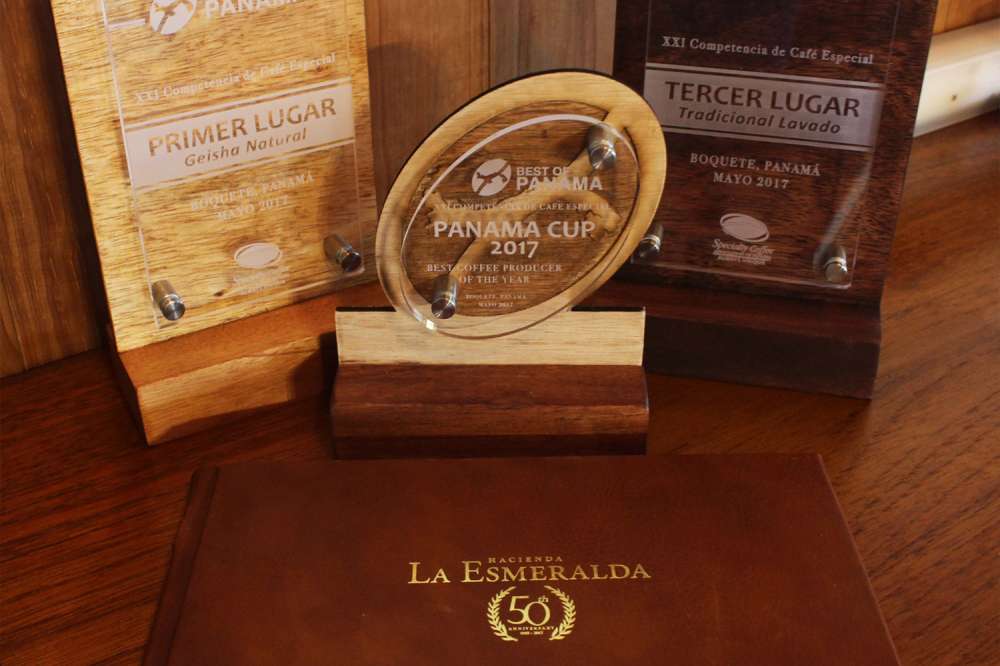
When it comes to Geisha grading, many coffee enthusiasts often mention two well-known labels—the “Red Label Geisha” from Hacienda Esmeralda and the “Gold Label Geisha” from Gesha Village Estate. For consumers, these color-coded names usually represent higher quality grades and relatively higher prices. For example, in our selection, the pour over price of Red Label Geisha is often set at 75 RMB per cup, while the Gold Label is 60 RMB per cup. Such labels have become a focal point for many first-time Geisha drinkers.
It’s worth noting that these “label” designations mainly exist in the Chinese market, used to differentiate between various grades of Geisha coffee. Taking Hacienda Esmeralda as an example, its top-tier product is called “Esmeralda Special,” also known in Chinese as “翡翠特選” (Emerald Special Selection), which is the familiar Red Label Geisha. This coffee not only requires a cupping score of 91 or above, but each batch of beans also comes with detailed “birth information,” including complete records of planting altitude, processing method, and harvest date. The naming logic of Red Label, Green Label, and Blue Label mainly stems from the background color of the trademark, aiming to make them easier for consumers to recognize and remember. However, in the international market, the English originals of these labels carry no grade implications; they are more a classification system developed in the Chinese market for easier communication.
Now, let’s talk about the growing environment of Geisha. The Boquete region in Chiriquí Province, Panama, where Hacienda Esmeralda is located, boasts naturally superior conditions: high altitude, mineral-rich volcanic soil, and a unique microclimate. These factors collectively enable Geisha coffee to exhibit rich floral notes, honey-like sweetness, and delicate nutty and creamy tones. Many experts believe that the Boquete region is the key to Geisha’s ability to maintain high quality year after year.
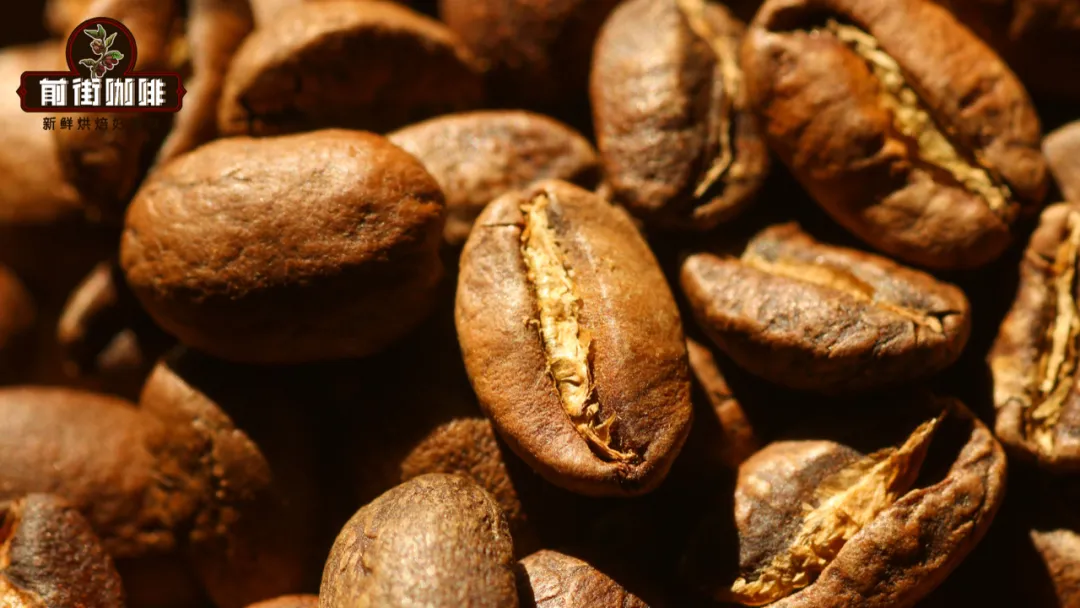
If you’re trying Geisha for the first time, then the brewing method is also crucial. To fully showcase its delicate flavors, it’s recommended to choose freshly roasted beans, with the optimal tasting window usually being within 7 to 30 days after roasting. Based on my experience, coffee beans within 5 days of roasting are in the best state for brewing, capable of maximally presenting Geisha’s aroma and layered complexity.
It’s recommended to use a V60 filter cone, with water temperature controlled at 91–92°C, a coffee dosage of about 15 grams, and a coffee-to-water ratio suggested at 1:15. Grind size can be referenced to that of fine sugar, or use a No. 20 sieve to achieve about an 80% extraction rate. Use a three-stage extraction method: the first stage involves pouring 30 grams of water for a 30-second bloom to help the coffee grounds degas; the second stage involves pouring 95 grams of hot water in a circular motion, and when the coffee bed has settled halfway, pour the third stage of 100 grams of water until the dripping is complete. Throughout the process, it’s advised to pour with a small stream of water in a circular motion centered on the grounds to ensure even extraction and avoid over-extraction or under-extraction.
When you successfully brew a cup of Emerald Red Label Geisha, what greets you is an elegant rose floral aroma, accompanied by the bright acidity of citrus, strawberry, and tropical fruits. The mid-palate reveals a mellow richness akin to black tea, with an overall smooth mouthfeel and a long-lasting, layered aftertaste. As the temperature drops, the flavors gradually shift, offering the drinker a multi-sensory experience.
The above content is compiled by CoffeeHunters, a coffee news website.


