







Introduction:Cold brew coffee requires advance planning to make, but by mastering the right ratio and selecting the appropriate coffee beans, you can easily brew a smooth, non-bitter coffee with a rich flavor. This article details tested cold brew golden parameters — from coffee-to-water ratio, grind size, to refrigeration time — and based on the characteristics of cold brew, recommends single-origin beans such as washed process and Geisha that are well-suited, helping you craft a low-temperature fermented coffee with layered complexity.
Since cold brew requires long hours of refrigerated extraction, it usually needs to be prepared a day in advance, unlike pour over coffee where beans can be chosen spontaneously. As a result, the selection offered by most cafes is relatively limited. But in reality, as long as you understand the key parameters, you can make high-quality cold brew with a soft flavor, low acidity, and fermentation notes — whether at home or in a coffee shop.
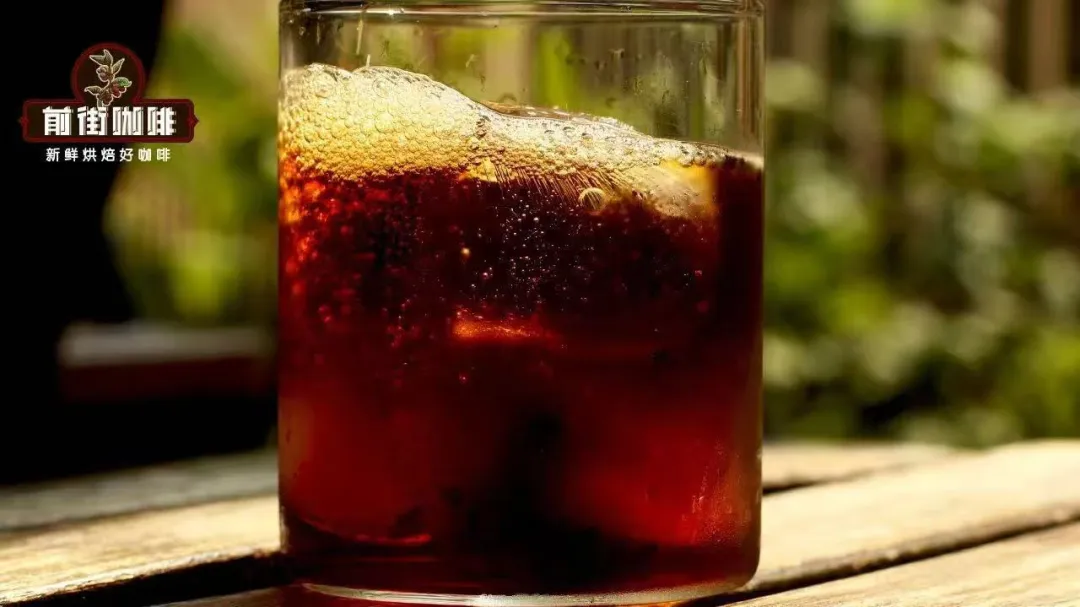
Taking a commonly tested recipe as an example, it is recommended to use 50 grams of coffee grounds, mixed with 400 milliliters of room temperature water and 200 grams of hard ice cubes, making a total liquid volume of about 600 grams, with a coffee-to-water ratio controlled at 1:12. The grind size of the coffee grounds can be referenced as approximately 85% passing through a #20 standard sieve — that is, slightly coarser than pour over. This helps effectively avoid over-extraction that leads to bitterness. After placing the coffee grounds into a clean glass container, first add room temperature water to evenly wet them, then add ice cubes to cool the mixture. Next, gently stir with a stirring stick to ensure full contact between coffee and water, and finally seal and refrigerate for 12 to 24 hours.
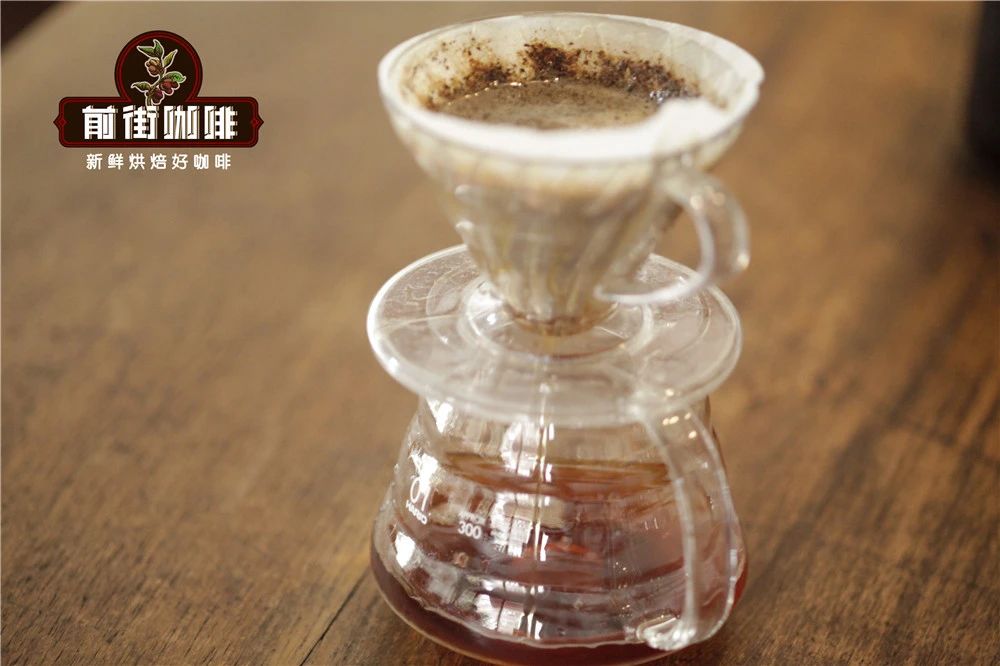
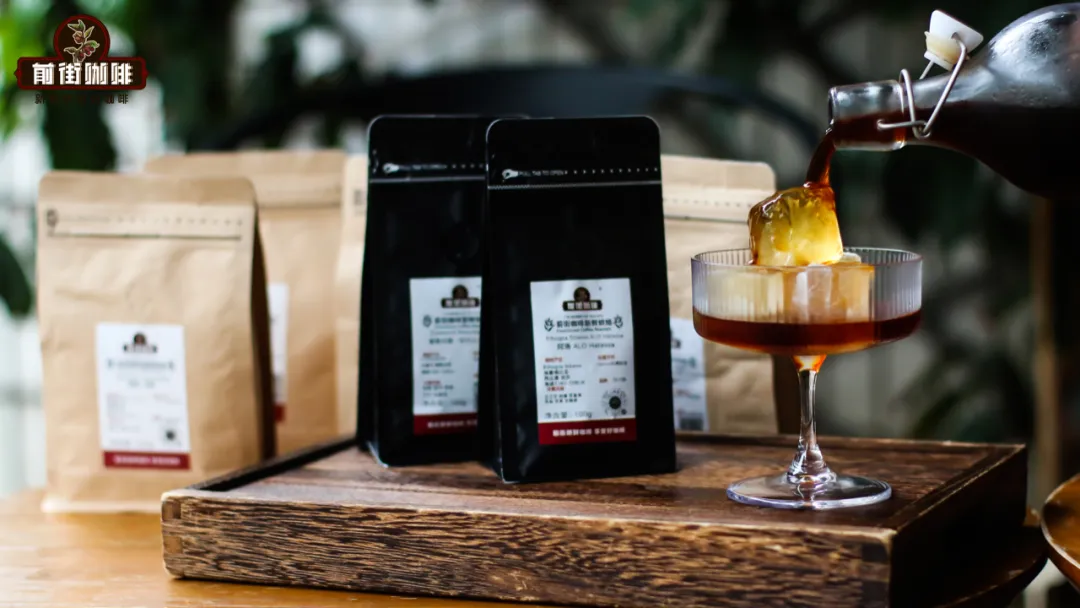
Once the time is up, use filter paper or a filter cloth to thoroughly remove the coffee grounds. The resulting coffee liquid is recommended to be poured into a clean, sealed bottle and placed back in the refrigerator for about 4 hours to let the flavors stabilize before drinking. This brewing process preserves the sweetness and delicate mouthfeel of the coffee, while the low-temperature extraction reduces tannin release, resulting in a smoother and less bitter taste compared to hot-brewed coffee.
The biggest characteristic of cold brew coffee is its soft flavor and noticeably lower acidity, along with a slight micro-fermented note due to low-temperature aging. Understanding these traits allows for more precise selection of coffee beans. For instance, if you prefer a fresh fruity and floral profile, you might prioritize washed process beans or specific varieties of Geisha.
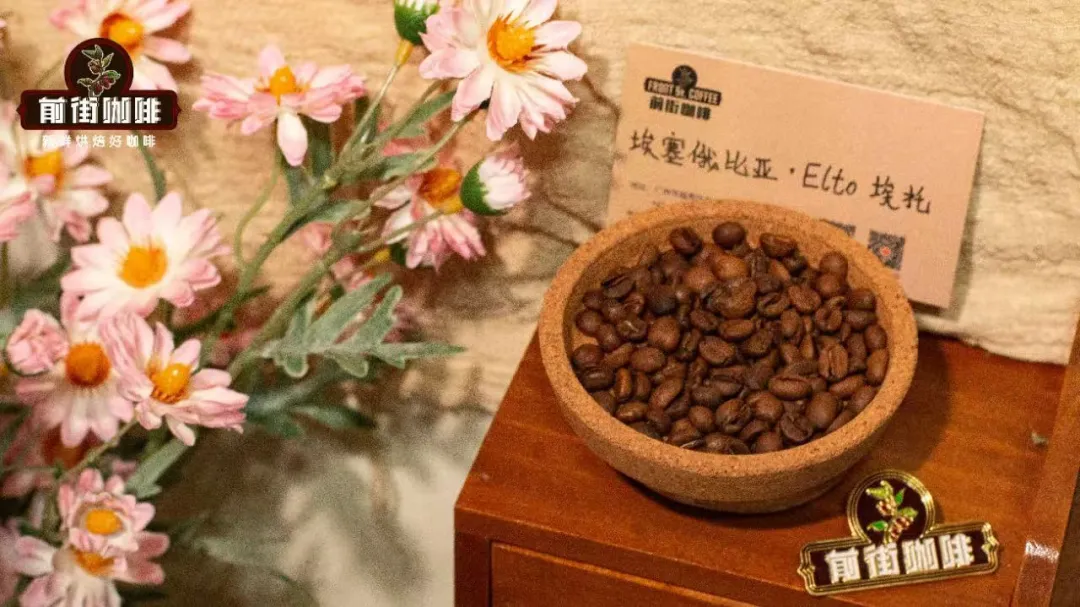
Washed process coffee beans generally have a lower degree of fermentation, which helps better preserve the origin's native flavors, especially beans from Ethiopia or Panama, often showcasing distinct fruitiness and bright acidity. Among Geisha varieties, T2722 is particularly renowned for its intense floral aroma, and when used for cold brew, it often reveals unique layers of citrus and white floral notes.
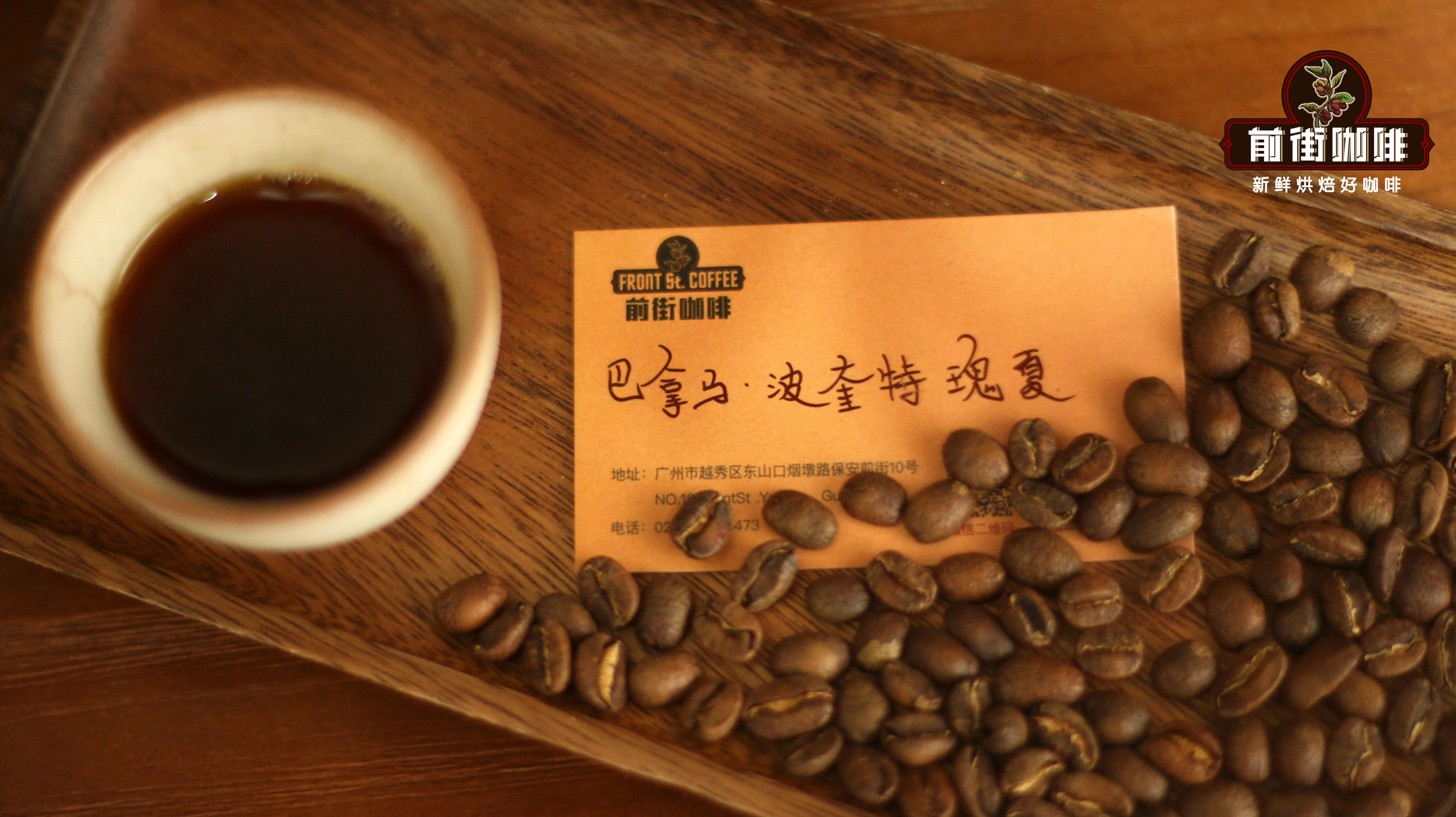
For example, washed Yirgacheffe · Guji Dingding often presents a refreshing combination of lemon, white flowers, and green tea after cold brew; while Poquehte washed Geisha or washed Flower Butterfly may bring out a soft profile of citrus, honey, and white flowers. However, it’s worth noting that some white floral notes, if too intense, might be mistaken for herbal flavors. In such cases, you can slightly increase the amount of water used for brewing to reduce overall concentration and adjust the taste.
In summary, the key to successful cold brew coffee lies in controlling the coffee-to-water ratio, choosing the appropriate grind size and processing method beans, and allowing sufficient refrigeration time for the flavors to stabilize. Through these detailed adjustments, you too can replicate café-grade smooth cold brew at home and enjoy the unique fermentation charm brought by low-temperature brewing.

The above content is compiled by CoffeeHunters, a coffee news website.


