







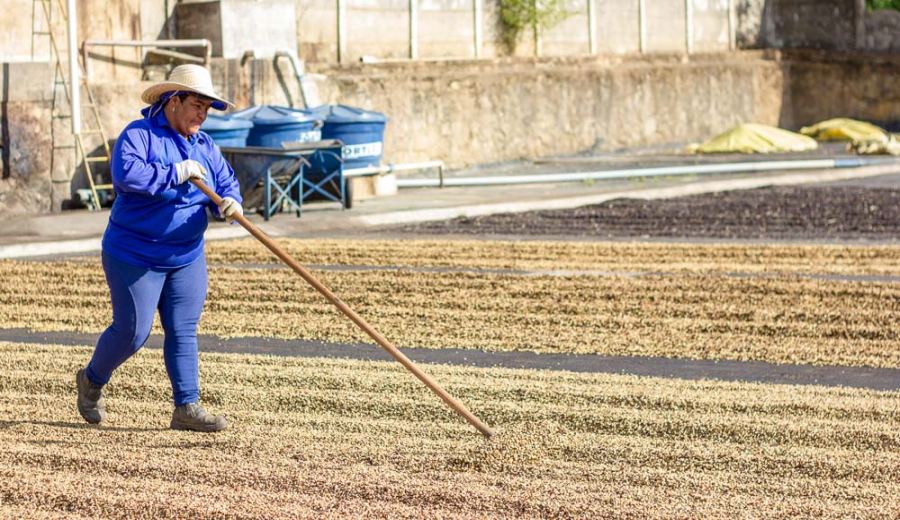
Introduction:Honey processing is a coffee processing method that combines characteristics of both natural (sun-dried) and washed processing. By retaining varying levels of mucilage, it influences the final flavor profile, ranging from bright citrus to rich berry notes. This article delves into the differences among black honey, red honey, yellow honey, white honey, and the innovative raisin honey process, explaining their drying parameters and the balance of acidity and sweetness. It helps pour over enthusiasts select beans according to personal preference.
The honey processing method originated in Latin America, particularly in countries like Brazil and Costa Rica, where it has evolved into diverse variations. Its core principle lies in preserving the mucilage layer of the coffee fruit. By controlling the degree of mucilage retention and adjusting drying conditions, it imparts greater sweetness and complexity to the coffee. Compared to the clean and bright profile of traditional washed processing or the bold and rich character of natural processing, honey processing carves out a unique path, striking a delicate balance between aroma, sweetness, and body.
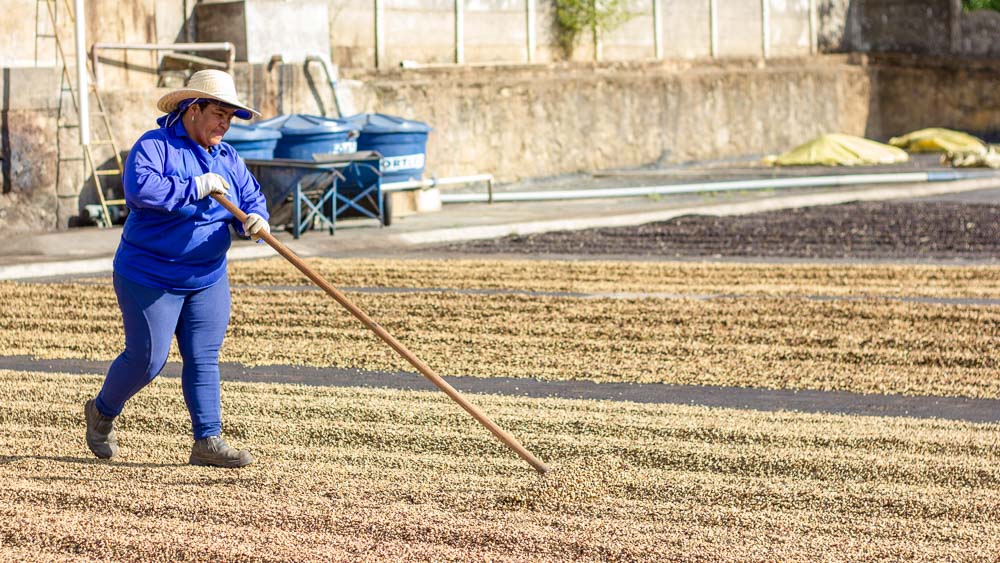
Semi-washed processing, also regarded as one of the precursors to honey processing, centers on removing the outer skin and part of the pulp from the coffee cherry, then proceeding directly to sun drying without a full washed fermentation and wash. The parchment-covered beans still retain a sticky layer of mucilage. This method significantly reduces water usage while preserving the natural fermentation potential brought by the mucilage, resulting in a unique cup profile that lies between the clarity of washed coffee and the sweetness of natural coffee. Coffee beans from Brazil’s Cerrado region are representative of this technique, often showcasing warm flavors such as cream, nuts, and chocolate.
Specifically, the semi-washed process involves first placing harvested coffee cherries in a water tank to remove unripe or defective beans using buoyancy. Next, a pulper removes the outer skin and most of the pulp, leaving a yellowish, sticky mucilage layer on the bean surface. These mucilage-covered beans are then transferred to drying patios, where they are slowly dried under natural sunlight until their moisture content drops to10.5%–12%, after which they undergo hulling and polishing. This technique not only conserves water but is also dubbed “semi-washed” due to its blend of washed-like and natural-like steps, and is widely used in regions like Brazil.
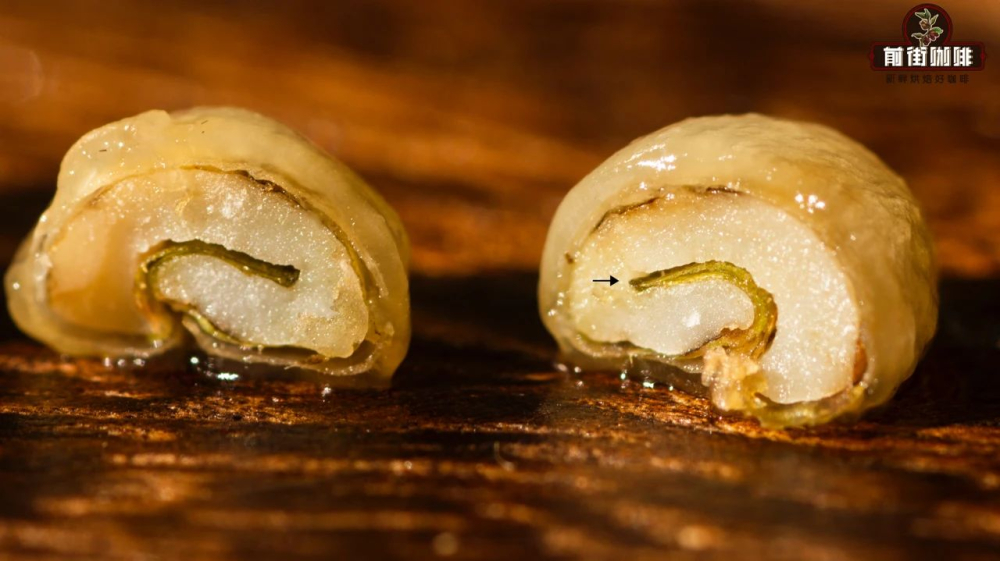
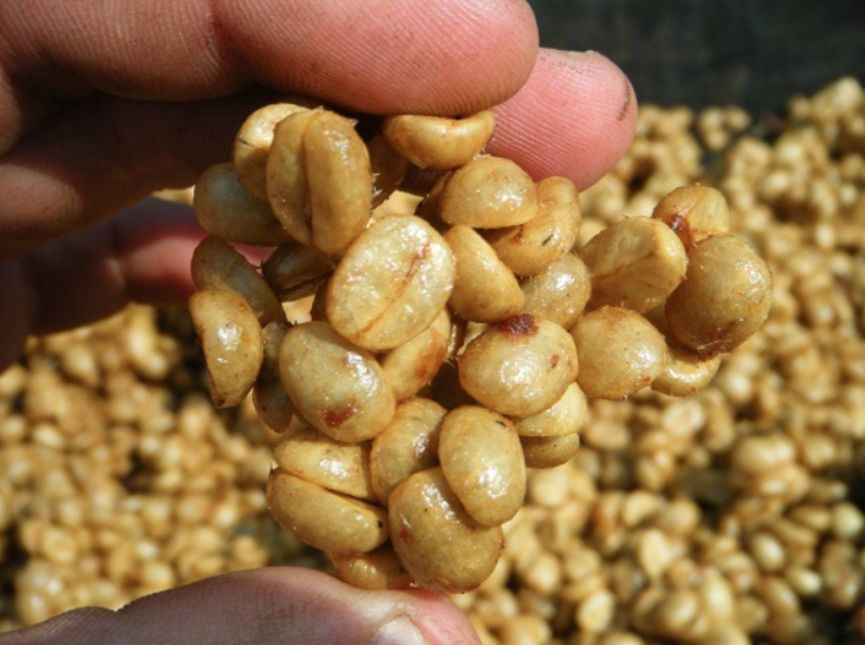
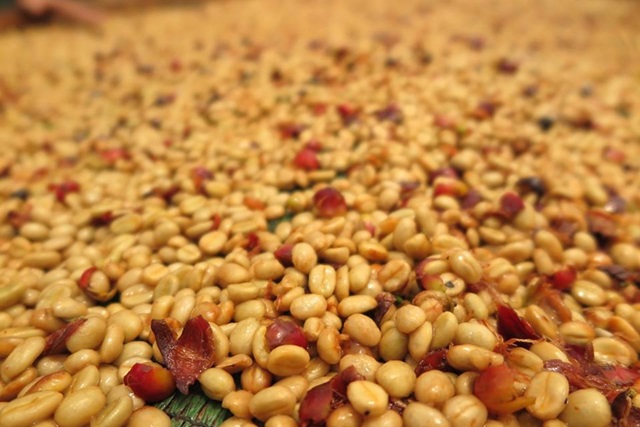
Honey processing refines the approach by more precisely controlling the amount of mucilage retained and the drying conditions to highlight more pronounced fruity aromas and sweetness. After harvesting red cherries, the processing facility first removes the outer skin and part of the pulp, but intentionally leaves varying proportions of mucilage. The mucilage-covered parchment beans are then placed on well-ventilated drying beds such as African raised beds and turned regularly according to weather conditions and processing goals to ensure even exposure. This sticky mucilage, rich in natural sugars, undergoes a unique fermentation reaction catalyzed by sunlight and time, producing intense sweetness and fruity tones. Common flavor profiles include mango, longan, honey, and even hazelnut, with an overall full-bodied mouthfeel and gentle acidity.
Depending on the level of mucilage retention, honey processing can be further categorized into black honey, red honey, yellow honey, and white honey. Black honey retains nearly 100% of the mucilage,requiring a drying period of 14 days or more, often accompanied by shading measures to prevent too rapid dehydration. This allows for deep sugar conversion, yielding flavors with intense sweetness, full body, and even wine-like complexity. It suits drinkers who enjoy deep, fruity notes—for instance, some black honey-processed beans exhibit layers of floral, dark berry, and dark chocolate notes.
Red honey typically retains about 75% of the mucilage (with slight variations by farm), and the drying time is around12 days. The process may involve some shading and consistent turning, resulting in a cup profile that lies between washed and natural coffee. It is the most common type of honey process on the market, offering good balance and diverse flavors.
Yellow honey removes about 40% of the mucilage, allowing more direct sunlight, and the drying time is shortened toaround 8 days, requiring more frequent turning (e.g., once per hour). The flavor tends toward bright acidity and light sweetness, suiting consumers who prefer a cleaner, crisper taste.
White honey retains the least mucilage (about 40–60%), has the shortest fermentation time, and overall behaves most similarly to washed processing, with clear flavors but more restrained sweetness.
Beyond these common categories, raisin honey processing is an innovative technique that breaks from tradition. In this method, before removing the skin and pulp, the coffee cherries are first placed on raised beds and pre-dried for at least three days until they shrink to a raisin-like state. This step helps aromatic compounds from the pulp penetrate deeper into the seed. After pre-drying, the cherries are then depulped and undergo subsequent honey processing steps—all without any washing. This is a highly challenging technique involving “100% mucilage retention” and “zero water use,” demanding extremely precise control over drying time and environmental conditions.
The advantage of this method is its ability to deliver more intense floral and fruity sweetness, along with a clean and vibrant acidity profile. The flavors are layered, refreshing, and long-lasting. Raisin honey-processed beans are relatively rare on the market, but certain specialty coffees—such as Strawberry Sugar · Geisha Blend or Mozart—showcase clear floral notes and sweet fruit tones through this process, making them especially popular among pour over enthusiasts.
The above content is compiled by CoffeeHunters, a coffee news website.


